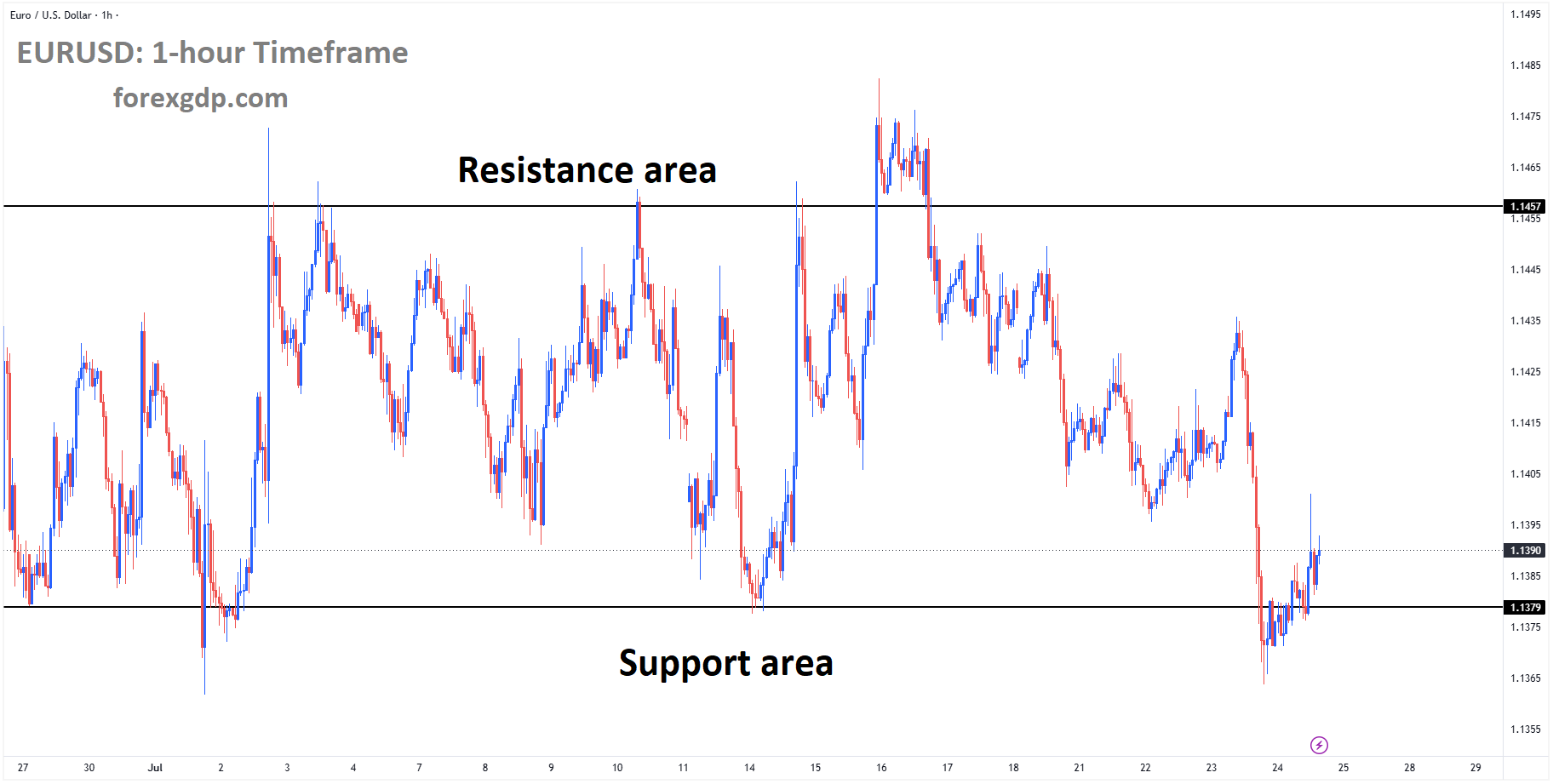
EURUSD is rebounding from the support area of the box pattern
EURUSD Pushes Higher as Euro Benefits from ECB Policy Expectations
The EUR/USD pair moved slightly higher during Friday’s early European trading session as investors responded to fresh comments from the European Central Bank (ECB). The Euro received support after the central bank decided to leave interest rates unchanged while making it clear that further policy tightening remains possible if inflation stays elevated.
At the same time, growing geopolitical tensions in the Middle East continued to attract attention. The latest military developments involving the United States and Iran increased uncertainty in global financial markets, helping the US Dollar maintain demand as a traditional safe-haven currency.
Later in the day, traders are expected to closely watch the latest Purchasing Managers’ Index (PMI) reports from the Eurozone, Germany, and the United States for new clues about economic activity.
ECB Leaves Rates Unchanged but Maintains a Firm Position
The European Central Bank kept its key interest rates unchanged during its July policy meeting, a decision that was widely expected by financial markets. However, the central bank’s overall message remained firm, suggesting that additional rate increases could still happen if inflation does not ease as expected.
Instead of signaling that the tightening cycle is over, ECB policymakers stressed that future decisions will depend on incoming economic data. This balanced but cautious approach reassured investors that the bank remains focused on controlling inflation.
The possibility of further policy action has helped improve confidence in the Euro, as investors believe the ECB is prepared to act if inflation continues to stay above its long-term target.
Inflation Remains a Major Concern
ECB President Christine Lagarde highlighted that inflation is expected to remain above the central bank’s target until at least the first half of 2027. This outlook shows that policymakers still see price pressures as a long-term challenge rather than a temporary issue.
She also warned about the possibility of a second wave of inflation caused by rising energy costs linked to ongoing geopolitical tensions. If energy prices continue to climb, they could increase production and transportation costs across Europe, making it more difficult to bring inflation back under control.
Because of these risks, the ECB is expected to remain cautious and ready to tighten monetary policy further if necessary.
Markets Expect More ECB Action

Financial markets are increasingly confident that the ECB may raise interest rates again later this year. Investor expectations have strengthened following the central bank’s latest comments, with many believing additional policy tightening remains the most likely path.
These expectations have been one of the main reasons supporting the Euro in recent sessions. When markets anticipate higher borrowing costs, a currency often becomes more attractive because investors expect better returns on financial assets linked to that economy.
As a result, the Euro has managed to remain relatively resilient despite several external risks affecting global markets.
Economic Data Will Shape the Next Move
Although central bank policy remains the main focus, upcoming economic reports could also influence market sentiment.
The latest PMI data from the Eurozone, Germany, and the United States will provide a fresh look at business activity across both manufacturing and services sectors. These reports are closely followed because they offer an early indication of economic performance.
If the data shows stronger business activity, it could reinforce confidence in the economy. On the other hand, weaker figures may raise concerns about slowing growth and influence expectations for future central bank decisions.
Middle East Conflict Continues to Raise Global Uncertainty
Alongside central bank developments, investors are also watching the situation in the Middle East very closely.
The United States reportedly carried out another round of military strikes targeting Iranian facilities, marking yet another night of military operations. The strikes reportedly focused on drone infrastructure and coastal surveillance locations.
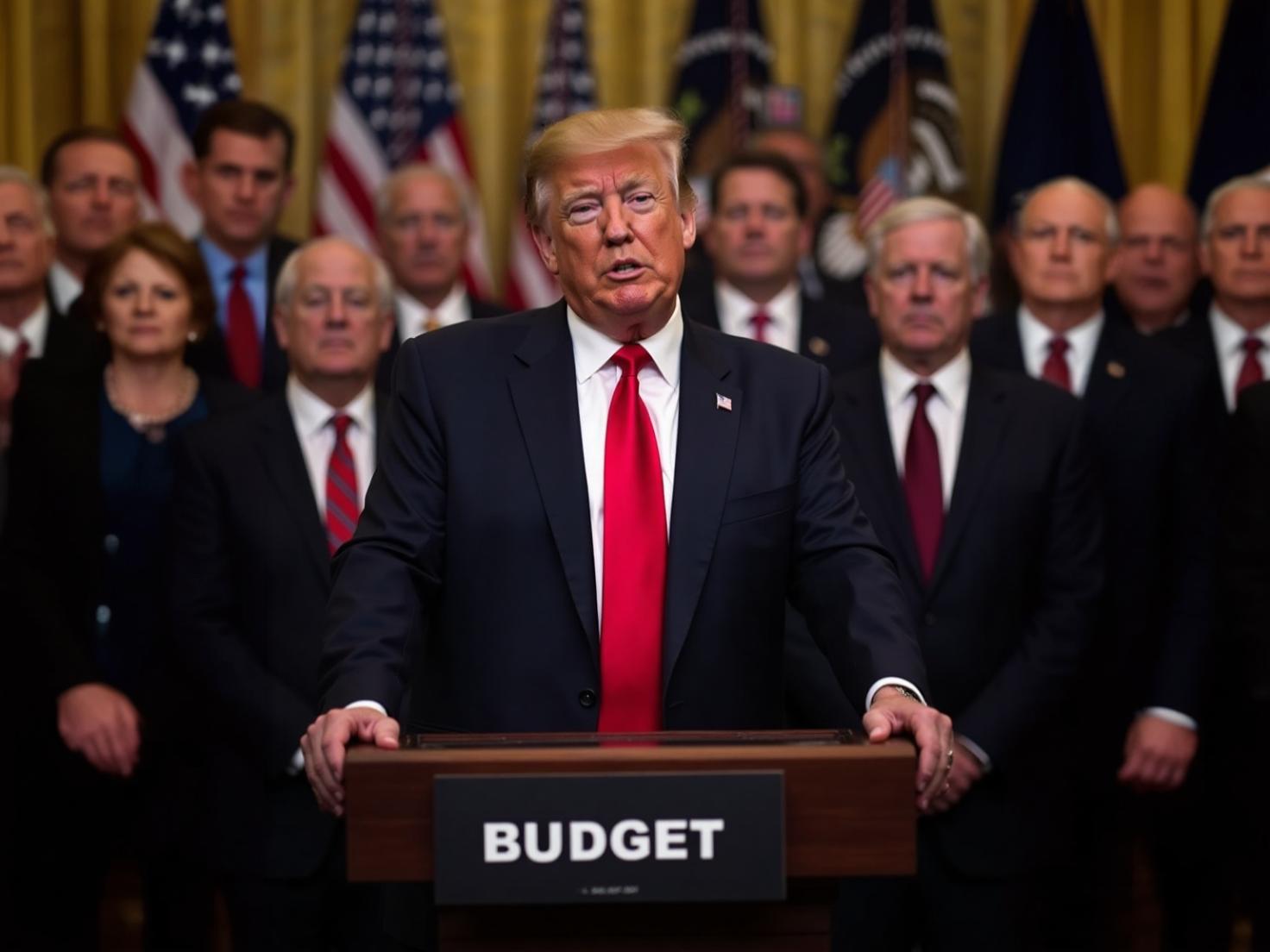
US President Donald Trump also issued a strong warning, saying Iran would be held responsible for the actions of the Houthi movement and that both Iran and its allies could face significant military consequences.
These developments have increased uncertainty across global markets as investors assess the possibility of a wider regional conflict.
Safe-Haven Demand Supports the US Dollar
Whenever geopolitical tensions rise, investors often seek safer assets to protect their investments. The US Dollar is widely viewed as one of the world’s leading safe-haven currencies.
As concerns about the Middle East continue, demand for the Dollar could remain firm even while the Euro benefits from expectations of tighter ECB policy.
This creates a balance between two competing market forces. On one side, the Euro receives support from expectations of future ECB action. On the other, the Dollar gains strength whenever global uncertainty increases.
The interaction between these two factors is likely to remain an important driver of the EUR/USD pair in the coming sessions.
Analysts See Stronger Policy Expectations in Europe
Market analysts have also observed that expectations for tighter monetary policy have become stronger across several major economies.
According to analysts at MUFG, rising energy prices have encouraged investors to expect a firmer policy approach from both the ECB and the US Federal Reserve. However, they note that expectations have become even stronger within the Eurozone.
This shift has made European financial markets react more aggressively than those in the United States, reflecting increased confidence that the ECB could continue tightening policy if inflation remains persistent.
Such expectations have provided additional support for the Euro in recent trading.
Investors Remain Focused on Multiple Risks
Financial markets are currently balancing several important themes at once.
Central bank decisions, inflation risks, economic data, and geopolitical developments are all influencing investor sentiment. While expectations for future ECB action have improved confidence in the Euro, global uncertainty continues to encourage demand for the US Dollar.
This combination is creating a cautious trading environment where new headlines can quickly influence market direction.
Summary
The EUR/USD pair started Friday on a stronger note as investors responded positively to the European Central Bank’s commitment to keeping inflation under control. Although interest rates remained unchanged, the possibility of future policy tightening continues to support the Euro.
At the same time, escalating tensions between the United States and Iran are increasing uncertainty across global markets, helping maintain demand for the US Dollar as a safe-haven asset.
With fresh PMI data scheduled for release and geopolitical risks remaining elevated, investors will continue monitoring both economic developments and international events for clearer direction in the days ahead.
GBPUSD Under Pressure as Investors Ignore Strong UK Data and Favor US Dollar
The GBP/USD currency pair remained under pressure on Friday, with the British Pound struggling to recover after failing to move higher following recent gains. Even though the United Kingdom released stronger-than-expected economic data, the Pound was unable to benefit as investors continued to favor the US Dollar.
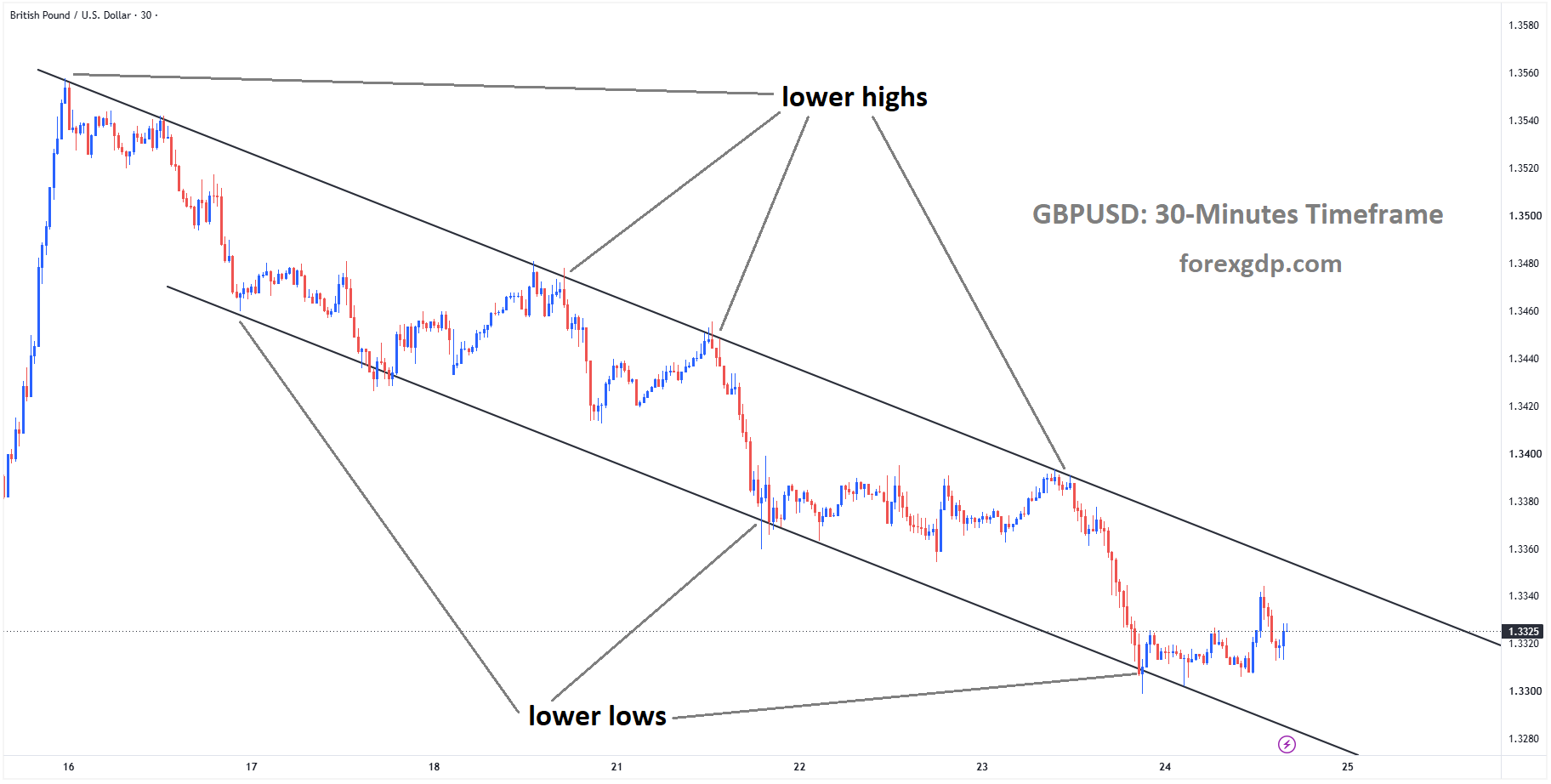
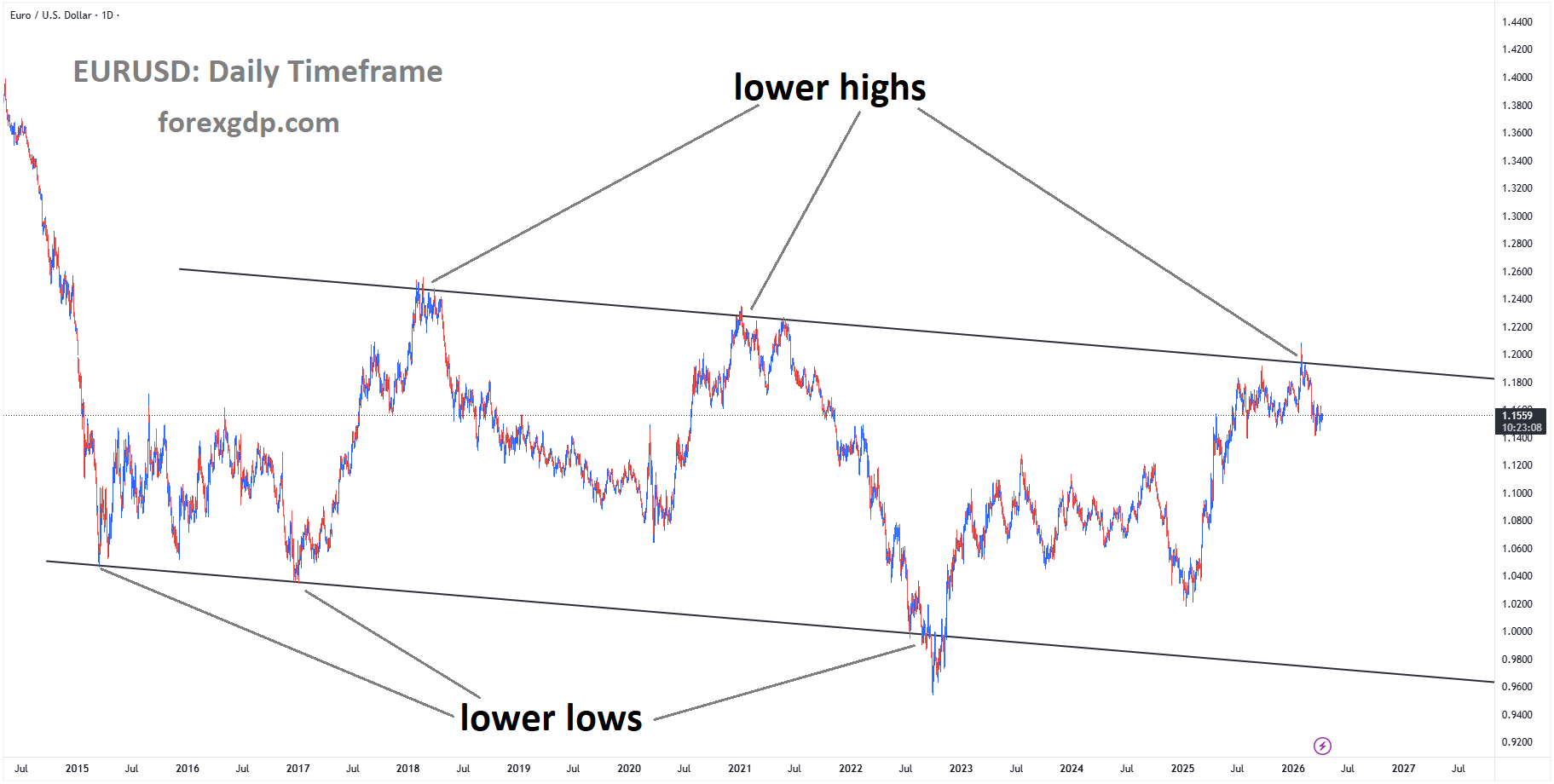
GBPUSD is rebounding from the lower low area of the descending channel
Growing global uncertainty, rising geopolitical tensions, and fresh trade measures have increased demand for the US Dollar, which is widely seen as a safe-haven currency during periods of market stress. As a result, the Pound is heading toward a weaker weekly performance despite encouraging domestic economic reports.
Strong UK Business Activity Offers Limited Support
Fresh economic figures from the United Kingdom showed that business activity performed better than many analysts had expected during July. Both the manufacturing and services sectors recorded stronger results, pointing to continued resilience in the country’s economy.
The manufacturing sector expanded for another month and outperformed market expectations. At the same time, the services sector returned to growth after previously showing signs of contraction. Since the services industry represents a large share of the UK economy, its return to expansion was viewed as a positive development.
These reports suggested that businesses are continuing to adapt despite ongoing economic challenges. Under normal conditions, such encouraging figures could have provided support for the British Pound. However, the broader global environment prevented investors from reacting positively.
Retail Sales Show Consumers Remain Active
The UK also received another positive surprise through its latest Retail Sales report. Consumer spending increased unexpectedly during June, highlighting that households continued to spend despite concerns about the economy.
Retail Sales grew much more strongly than economists had predicted, both on a monthly and yearly basis. This stronger performance suggested that consumer confidence has remained relatively stable, helping support overall economic activity.
Healthy consumer spending is often viewed as a sign of economic strength because it reflects confidence among households and supports business revenues. Even so, the better retail figures were not enough to reverse the Pound’s recent weakness.
US Dollar Benefits From Safe-Haven Demand
While UK economic news remained encouraging, global investors shifted their attention toward rising international risks. During periods of uncertainty, financial markets often move money into assets considered safer, and the US Dollar is one of the biggest beneficiaries of this trend.
Recent reports of attacks on vessels in the Red Sea have raised concerns about global shipping routes and energy supplies. These developments have increased fears that inflation could remain elevated if transportation costs continue to rise.
At the same time, government bond yields in the United States have continued moving higher as investors adjusted their expectations for future economic conditions. Higher yields often increase the appeal of the US Dollar compared with other currencies.
Because of these global developments, investors largely ignored the positive UK economic reports and instead focused on reducing risk in their portfolios.
New Trade Tariffs Add More Uncertainty

Another major factor weighing on overall market sentiment has been the announcement of new trade tariffs by the United States.
The Trump administration introduced fresh tariffs affecting dozens of trading partners, including the United Kingdom. These new measures replaced earlier temporary global tariffs and created additional uncertainty about international trade.
Trade restrictions can increase business costs, disrupt supply chains, and slow global economic activity. Whenever trade tensions rise, investors generally become more cautious, leading to stronger demand for safe-haven currencies such as the US Dollar.
This latest announcement added another layer of pressure on the British Pound, making it even more difficult for the currency to recover despite positive domestic data.
Domestic Concerns Continue to Weigh on Sterling
Alongside global pressures, the British Pound is also facing challenges from within the UK itself.
Investors have become increasingly cautious about the country’s fiscal outlook. Questions surrounding government spending plans have raised concerns about how public finances could develop in the coming months.
Fiscal stability plays an important role in maintaining investor confidence. If markets believe government borrowing could increase significantly, they may become less willing to hold a country’s currency.
These concerns have limited investor enthusiasm toward the Pound, even while recent economic indicators have shown encouraging improvements.
Analysts Question the Pound’s Recent Strength
Some market analysts believe the Pound’s earlier gains were not supported by strong long-term fundamentals.
According to analysts at ING, the recent appreciation in Sterling was influenced more by market positioning and temporary investment flows than by a lasting improvement in the UK’s underlying economic outlook.
They suggest that while the Pound performed well during parts of the summer, those gains may not be sustainable if broader economic conditions fail to improve further.
Analysts also expect fiscal concerns to receive greater attention later in the year, which could create additional challenges for Sterling if investor confidence weakens further.
Global Sentiment Continues to Drive Currency Markets
The current market environment highlights how global events can often have a stronger influence on currency movements than domestic economic data.
Even when countries release better-than-expected reports, investors may choose to focus on larger international risks such as geopolitical conflicts, inflation concerns, or trade disputes.
At the moment, these external factors are providing strong support for the US Dollar while limiting the ability of other major currencies, including the British Pound, to gain momentum.
Unless global uncertainty begins to ease, the Dollar may continue attracting investor demand, making it difficult for the Pound to stage a meaningful recovery.
Summary
The British Pound remained under pressure against the US Dollar despite stronger-than-expected UK business activity and impressive Retail Sales data. Positive domestic economic reports were overshadowed by growing geopolitical tensions, fresh US trade tariffs, and increased demand for the safe-haven US Dollar.
At the same time, ongoing concerns about the UK’s fiscal outlook have reduced confidence in Sterling’s recent strength. Many analysts believe the Pound’s earlier gains were driven by temporary market factors rather than lasting economic improvements. As global uncertainty continues to dominate investor sentiment, the balance remains tilted in favor of the US Dollar, leaving the British Pound facing continued challenges in the near term.
USDJPY Climbs as Fed-BoJ Policy Divide Continues to Pressure the Japanese Yen
The USDJPY currency pair traded with a slightly weaker tone on Friday as investors became more cautious after the pair climbed strongly in the previous session. While the market saw some profit-taking, the overall outlook remained supported by strong demand for the US Dollar and continued weakness in the Japanese Yen.
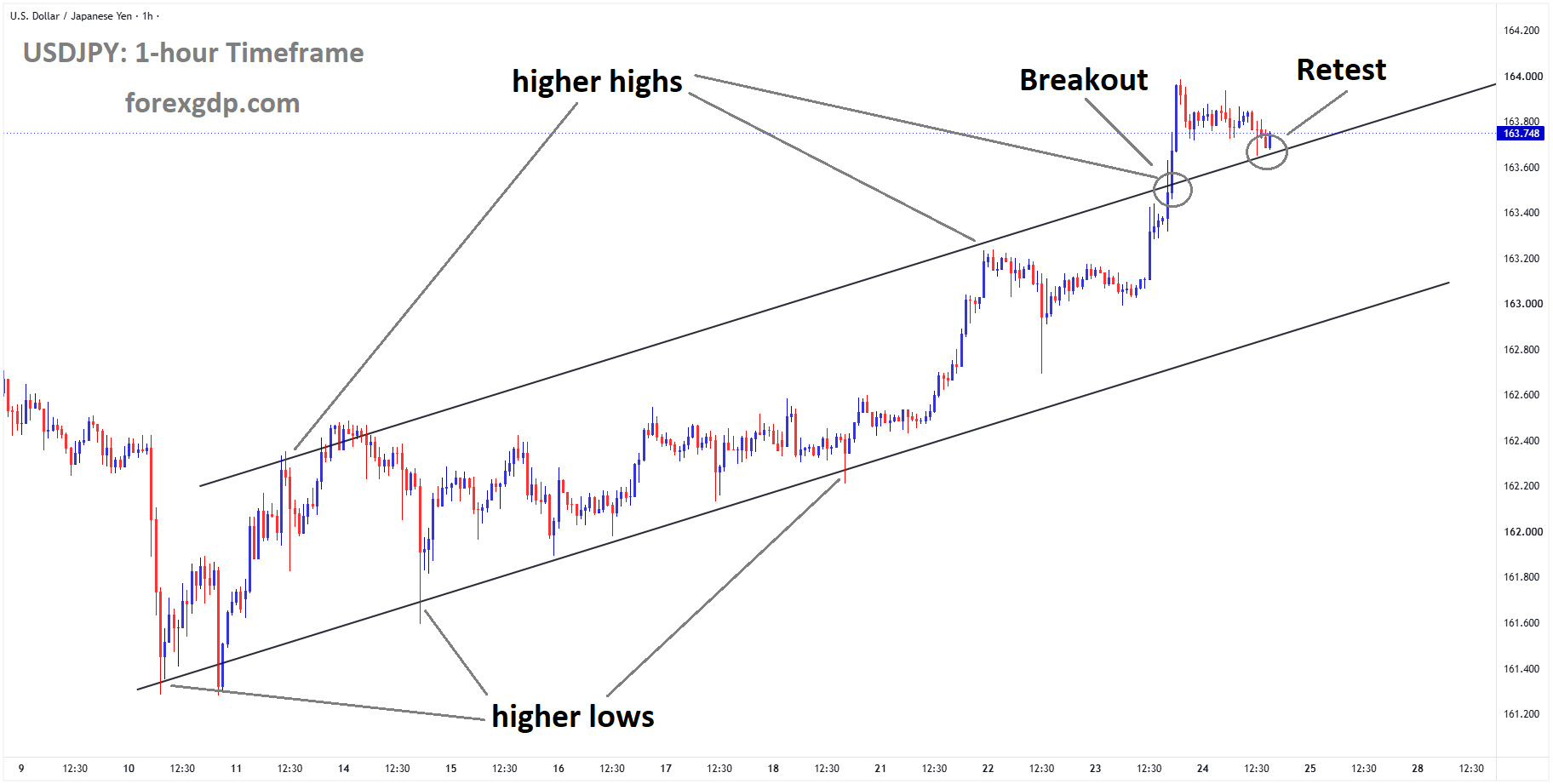
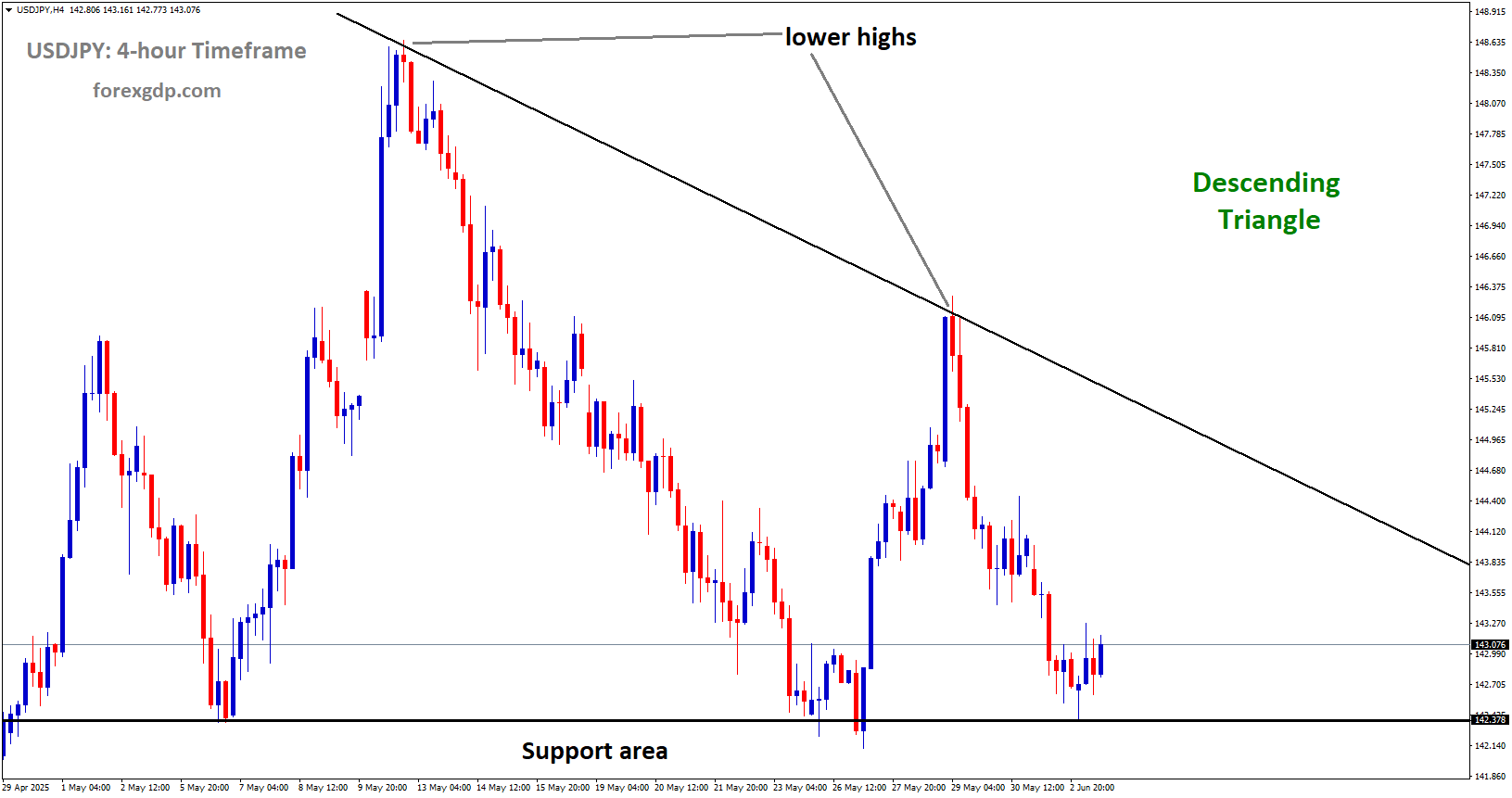
USDJPY reached the retest area of the broken ascending channel
One of the biggest concerns limiting further gains is the possibility that Japanese authorities could step into the market to support their currency. Even with this caution, USDJPY continues to stay close to its recent multi-decade highs, showing that the broader market trend still favors the US Dollar.
Japan’s Low Interest Rate Environment Continues to Pressure the Yen
The Japanese Yen remains under pressure because of the significant difference between Japan’s interest rate policy and those of other major economies.
Although the Bank of Japan recently increased interest rates to their highest level in decades, borrowing costs in Japan are still much lower than in countries such as the United States. This large gap continues to encourage investors to borrow money in Japan and invest in markets offering higher returns elsewhere.
As long as this difference remains wide, the Japanese Yen may struggle to attract strong buying interest. Investors continue to see the currency as less attractive compared to higher-yielding alternatives.
At the same time, concerns over Japan’s economic outlook, especially those linked to rising energy costs, have added further pressure on the Yen.
Rising Middle East Tensions Increase Global Market Uncertainty
Geopolitical developments have become another major driver for global financial markets.
The United States confirmed another round of military operations targeting Iran, extending a series of consecutive military actions. In response, Iran and allied groups carried out retaliatory attacks on military-related targets connected to the United States across several countries in the Middle East.
The conflict has expanded beyond direct military exchanges. Iran-backed Houthi forces also targeted Saudi oil tankers in the Red Sea while describing the attacks as part of a wider naval blockade. These developments have increased concerns about the safety of global shipping routes.
The ongoing conflict has raised fears that energy supplies could face further disruptions if tensions continue to escalate.
Energy Supply Concerns Raise Inflation Fears
Global markets are paying close attention to the impact of rising geopolitical tensions on energy supplies.
With important shipping routes facing increasing risks, investors worry that disruptions in oil transportation could lead to higher energy costs worldwide. Such developments often create additional inflationary pressure across many economies.
Higher energy prices can affect transportation, manufacturing, and household expenses, making inflation more difficult for central banks to control.
As a result, financial markets increasingly believe that central banks may need to keep monetary policy tighter for longer to prevent inflation from rising again.
Strong US Labor Market Supports the Dollar
Recent economic data from the United States has added further support to the US Dollar.
The latest report showed that new unemployment benefit claims dropped to their lowest level in decades, highlighting the continued strength of the US labor market. A healthy employment market generally reflects solid economic activity and stronger consumer spending.
When employment remains strong, it reduces the urgency for the Federal Reserve to lower interest rates. Instead, policymakers may choose to maintain tighter financial conditions or even consider additional policy tightening if inflation remains persistent.
This outlook continues to strengthen demand for the US Dollar against many global currencies, including the Japanese Yen.
Federal Reserve Expectations Remain a Key Market Focus
Investors are now turning their attention toward the upcoming Federal Reserve policy meeting.
Market participants expect policymakers to provide fresh guidance on the outlook for inflation, economic growth, and future interest rate decisions. Any indication that the Federal Reserve intends to keep borrowing costs elevated for longer could continue supporting the US Dollar.
At the same time, traders remain cautious about making aggressive new positions before hearing directly from the central bank.
This cautious approach has slowed buying activity in USDJPY, even though the overall market environment still favors the US currency.
Intervention Risks Keep Traders Alert
While the broader outlook continues to support USDJPY, traders remain aware of one important risk.
Japanese authorities have previously stepped into currency markets when they believed the Yen had weakened too rapidly. Any signs of another official intervention could quickly change short-term market sentiment.
Because of this possibility, many investors are avoiding overly aggressive positions despite the pair remaining close to recent highs.
Government officials have repeatedly stated that they are closely monitoring currency movements and stand ready to respond if market conditions become excessively volatile.
Investors Prefer to Wait for Fresh Policy Signals
As major economic events approach, many market participants have adopted a wait-and-see approach.
Rather than chasing recent gains, traders are choosing to reduce risk until they receive more clarity from central banks and additional economic data.
This cautious trading behavior is common ahead of major policy announcements, especially when markets are already dealing with heightened geopolitical uncertainty and inflation concerns.
Despite this temporary pause, overall sentiment remains favorable for the US Dollar because of the combination of solid economic performance, resilient employment conditions, and expectations that US monetary policy could remain restrictive.
Summary
USDJPY has eased slightly after posting strong gains, but the broader market picture remains supportive for the pair. The wide gap between Japanese and US interest rate policies continues to weigh on the Japanese Yen, while strong US economic data helps maintain confidence in the US Dollar.
Growing tensions in the Middle East have added another layer of uncertainty by increasing concerns over global energy supplies and inflation. These developments strengthen expectations that major central banks, including the Federal Reserve, may keep monetary policy tight for longer.
Although the possibility of Japanese government intervention is encouraging traders to remain cautious, USDJPY continues to benefit from supportive economic fundamentals. Investors will now closely watch the upcoming Federal Reserve meeting for fresh guidance that could shape the pair’s next major move.
USDCAD Trades Under Pressure Despite Uncertain Outlook for the Canadian Dollar
The USD/CAD currency pair came under mild selling pressure during Friday’s Asian trading session as the US Dollar weakened slightly. Even with this short-term pullback, the pair managed to stay above recent lows, suggesting that buyers are still active. After several weeks of weakness, USD/CAD is also moving toward its first weekly gain in nearly three weeks.
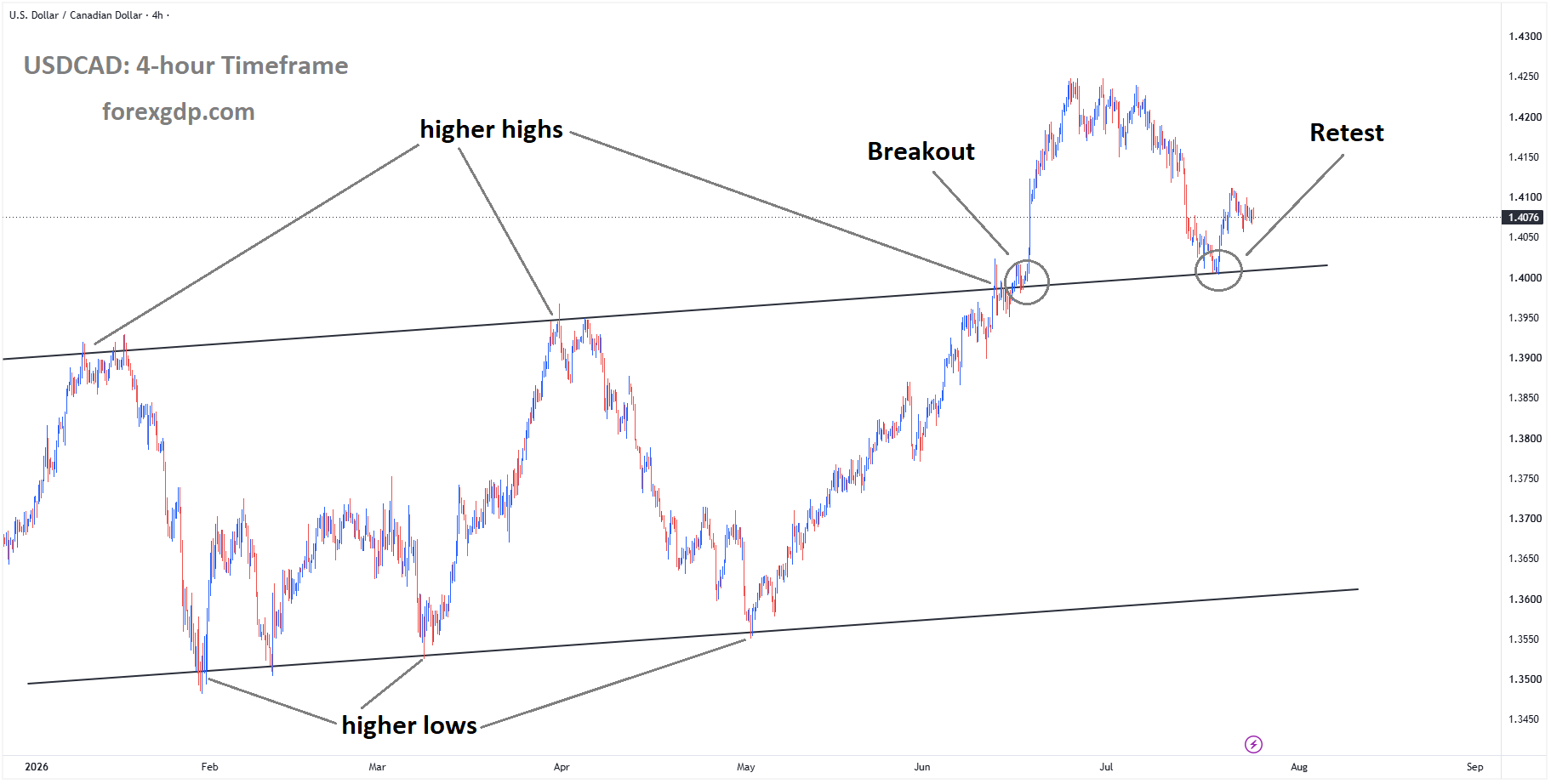
USDCAD is rebounding from the retest area of the broken ascending channel
While the softer US Dollar created some room for the Canadian Dollar to strengthen, several broader economic and geopolitical factors continue to support the US currency. Falling oil prices, different policy expectations between the Bank of Canada and the US Federal Reserve, and renewed trade tensions are all influencing the market. Traders are also preparing for important US economic data and next week’s Federal Reserve meeting, both of which could shape the direction of the pair.
Softer US Dollar Triggers Short-Term Pullback
The US Dollar eased slightly during Friday’s session, allowing USD/CAD to move lower for the day. This decline reflects some short-term profit-taking rather than a major shift in market sentiment.
Despite the temporary weakness, the pair remains relatively stable. Holding above recent support zones suggests that traders are not yet convinced that a stronger downward move is likely. Many investors continue to believe that the broader outlook still favors the US Dollar, especially with several major events approaching.
As a result, selling interest has remained limited, and market participants appear cautious about making aggressive bearish positions before receiving more economic confirmation.
Falling Oil Prices Reduce Support for the Canadian Dollar
One of the biggest influences on the Canadian Dollar is the price of crude oil. Since Canada is a major oil exporter, stronger oil prices often help boost the country’s currency. However, recent declines in crude oil have reduced that support.
Oil prices pulled back after reaching their highest levels in several weeks as traders booked profits. Although this decline does not necessarily signal a long-term change in energy markets, it has weakened one of the Canadian Dollar’s traditional strengths.
At the same time, uncertainty surrounding global energy markets remains high. Any new developments involving geopolitical tensions could quickly change oil prices again, making energy markets an important factor to watch for USD/CAD traders.
Different Central Bank Expectations Continue to Matter
Another key reason supporting USD/CAD is the growing difference between expectations for the Bank of Canada and the US Federal Reserve.
Recent Canadian inflation data came in softer than expected, strengthening the belief that the Bank of Canada may leave interest rates unchanged for the rest of 2026. Stable monetary policy generally reduces support for a country’s currency because investors expect fewer opportunities for higher returns.
Meanwhile, expectations surrounding the Federal Reserve remain different. Investors continue to consider the possibility that US policymakers could still tighten monetary policy later this year if inflation pressures remain elevated. This outlook continues to provide underlying support for the US Dollar even during periods of temporary weakness.
Because both central banks appear to be following different paths, the interest rate gap remains an important factor influencing USD/CAD.
Trade Policy Adds Another Layer of Uncertainty
Trade developments are once again attracting attention after the Trump administration announced plans to introduce broad new tariffs on many of America’s major trading partners.
The proposed measures would affect a large share of imported goods entering the United States. Such announcements often increase uncertainty across financial markets because investors worry about their impact on global trade, business activity, and economic growth.
During uncertain periods, many investors prefer assets that are viewed as safer, and the US Dollar often benefits from this shift in sentiment. This trend has helped prevent deeper losses for the Greenback even as it experiences occasional short-term declines.
For USD/CAD, renewed trade concerns continue to provide an additional reason why the US Dollar remains relatively well supported.
Geopolitical Risks Keep Safe-Haven Demand Alive
Global geopolitical tensions remain another important influence on currency markets.
The ongoing uncertainty involving the United States and Iran continues to keep investors cautious. Whenever international tensions rise, financial markets often become more defensive as traders seek assets considered more stable during uncertain periods.
The US Dollar frequently attracts this type of safe-haven demand. Even if economic data temporarily weakens the currency, geopolitical concerns can quickly restore buying interest.
These ongoing risks make it difficult for sellers to push USD/CAD significantly lower without stronger reasons to do so.
US Economic Data Could Shape Short-Term Direction

Attention now turns toward the release of the latest flash Purchasing Managers’ Index (PMI) reports from the United States.
These reports provide an early snapshot of business conditions across both the manufacturing and services sectors. Stronger-than-expected readings may suggest that the US economy continues to expand steadily, while weaker numbers could raise concerns about slowing economic activity.
Because these reports often influence expectations surrounding future Federal Reserve decisions, they have the potential to generate increased market volatility.
Although the PMI data may affect short-term trading, investors will likely avoid making major commitments before next week’s central bank meeting.
Federal Reserve Meeting Becomes the Main Focus
The biggest event on traders’ calendars is the upcoming two-day Federal Open Market Committee (FOMC) meeting.
Financial markets will closely examine the Federal Reserve’s policy statement, economic outlook, and comments from policymakers for clues about the future direction of interest rates.
Investors will also pay close attention to any discussion regarding inflation, economic growth, and labor market conditions. Even subtle changes in the Fed’s language can have a significant impact on the US Dollar.
Since expectations surrounding future monetary policy remain one of the strongest drivers of currency markets, the outcome of this meeting could determine USD/CAD’s next major move.
Oil Market Developments Remain Important
While attention is focused on central banks and economic reports, oil prices should not be ignored.
Energy markets remain sensitive to both supply concerns and geopolitical developments. Any major change in global oil conditions could directly affect the Canadian Dollar.
If oil prices recover, the Canadian Dollar could receive additional support. On the other hand, continued weakness in energy markets may reduce demand for the Canadian currency and provide further support to USD/CAD.
This relationship means traders will continue monitoring headlines from both energy markets and global political developments alongside traditional economic data.
Summary
USD/CAD has experienced modest selling pressure as the US Dollar softened during Friday’s trading session, but broader market conditions continue to support the pair. Declining oil prices, different monetary policy expectations between the Bank of Canada and the Federal Reserve, renewed trade tensions, and ongoing geopolitical uncertainty all continue to influence investor sentiment.
Looking ahead, traders will closely watch the latest US PMI data for fresh economic signals before shifting their full attention to next week’s Federal Reserve meeting. The decisions and guidance from policymakers, along with changes in global risk sentiment and oil prices, are likely to play a major role in determining the next direction for USD/CAD in the days ahead.
USDCHF Pushes Upward as Rising Middle East Risks Weigh on the Swiss Franc
The USDCHF currency pair remained on a strong upward path, recording its fifth consecutive day of gains as investors continued to respond to growing geopolitical tensions in the Middle East. Increased demand for safe-haven assets helped the US Dollar recover from earlier weakness, while rising concerns about inflation and interest rate expectations also played a key role in shaping market sentiment.
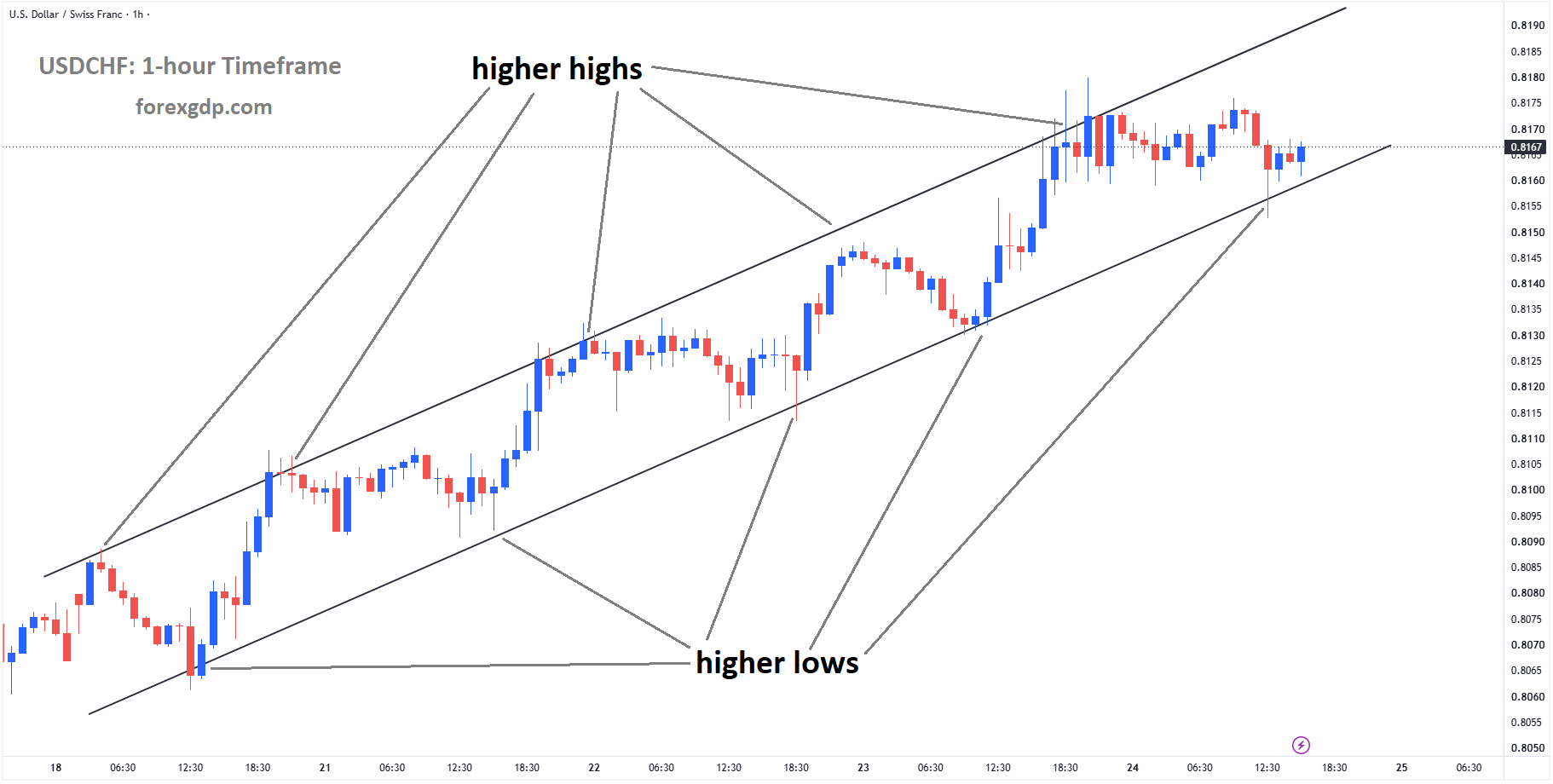
USDCHF reached the higher low area of the ascending channel
Although the Swiss Franc traditionally benefits during periods of uncertainty, several factors are influencing both currencies at the same time. As a result, traders are closely watching global developments, central bank expectations, and bond markets to understand where the pair could move next.
Safe-Haven Demand Strengthens the US Dollar
Global uncertainty often pushes investors toward assets that are considered safer during times of crisis. The US Dollar remains one of the world’s preferred safe-haven currencies, and recent developments in the Middle East have increased demand for it.
As geopolitical risks continue to rise, many investors have reduced exposure to riskier investments and shifted their focus toward assets viewed as more stable. This renewed interest helped the US Dollar recover from earlier losses and provided fresh momentum for USDCHF.
Financial markets usually react quickly when geopolitical events threaten global stability. Investors tend to prioritize capital preservation over higher returns, creating stronger demand for currencies with long-standing reputations for stability and liquidity.
Middle East Conflict Continues to Influence Global Markets
Recent events in the Middle East have significantly increased uncertainty across financial markets. The ongoing conflict involving the United States, Iran, and Iran-backed groups has raised fears of further military escalation.
Reports indicate that attacks on Saudi oil tankers in the Red Sea have added another layer of concern. The situation intensified further as the United States continued military operations against Iran, while strong public statements from US President Donald Trump suggested that additional military action remains a possibility if attacks continue.
These developments have increased worries about regional stability and the potential impact on global energy supplies. Whenever geopolitical tensions threaten oil transportation or production, markets often react by pricing in higher inflation risks and slower global economic growth.
Higher Energy Costs Raise Inflation Concerns
One of the biggest consequences of rising geopolitical tensions is the possibility of increasing energy costs. Oil plays a critical role in the global economy, and disruptions in supply can quickly affect transportation, manufacturing, and consumer prices.
When energy becomes more expensive, inflation often follows. Central banks closely monitor inflation because their main objective is to maintain price stability. If inflation remains elevated for a longer period, policymakers may decide to keep interest rates higher or even consider additional tightening measures.
These expectations have become an important driver for currency markets, especially for the US Dollar.
Federal Reserve Rate Expectations Remain Important
Investors continue to pay close attention to expectations surrounding the US Federal Reserve.
Current market pricing suggests that there is still a meaningful possibility of another interest rate increase in the near future. Expectations for further policy tightening later in the year remain even stronger, reflecting investor concerns that inflation could remain above the Fed’s preferred target.
Higher interest rates generally support the US Dollar because they can increase returns on US-based investments. Even when no immediate policy changes occur, shifting expectations alone can influence currency movements as investors adjust their positions.
As long as inflation concerns remain active, markets are likely to remain highly sensitive to every piece of economic data and every statement from Federal Reserve officials.
Swiss Franc Also Benefits From Global Uncertainty
The Swiss Franc has long been considered another reliable safe-haven currency. During periods of global instability, investors often seek the safety of Swiss assets because of the country’s strong financial system and political neutrality.
Recent increases in Switzerland’s government bond yields suggest that investors are becoming more concerned about inflation and future monetary policy inside the country as well.
Higher bond yields often reflect changing expectations about future interest rates and inflation. As investors reassess these risks, demand for Swiss government debt and the Swiss Franc can also change.
This creates an interesting situation where both the US Dollar and the Swiss Franc receive support from global uncertainty, making their relative strength an important factor for USDCHF.
Swiss National Bank May Limit Sharp Currency Gains
Despite the supportive backdrop for the Swiss Franc, there are reasons why its gains may remain limited.
Market participants continue to expect that the Swiss National Bank could step into currency markets if the Franc strengthens too rapidly. The central bank has previously taken action to prevent excessive appreciation, as an overly strong currency can create challenges for Switzerland’s export-driven economy.
If intervention expectations remain high, investors may become more cautious about aggressively buying the Swiss Franc even during periods of heightened global uncertainty.
This possibility helps balance some of the safe-haven demand that would normally favor the Swiss currency.
Investors Focus on Multiple Market Drivers

Rather than relying on a single factor, traders are currently evaluating several major influences at once.
Geopolitical developments remain the biggest source of uncertainty, but interest rate expectations, inflation concerns, energy markets, and central bank policies are all contributing to daily market movements.
This combination creates an environment where sentiment can change quickly as new headlines emerge. Investors are carefully monitoring official statements, military developments, economic reports, and central bank communications to assess future risks.
What Could Shape USDCHF Going Forward?
The direction of USDCHF will likely continue to depend on how global events unfold.
If geopolitical tensions remain elevated, demand for safe-haven assets could continue supporting both the US Dollar and the Swiss Franc. At the same time, inflation concerns may keep expectations for tighter monetary policy alive, providing additional support for the US Dollar.
Meanwhile, any signs of easing tensions or changes in central bank expectations could quickly shift investor sentiment. The Swiss National Bank’s potential involvement in currency markets also remains an important factor that traders cannot ignore.
With several powerful forces influencing the market simultaneously, USDCHF is expected to remain one of the closely watched currency pairs in the days ahead.
Summary
USDCHF continued its impressive upward momentum as investors turned toward the US Dollar amid growing geopolitical uncertainty in the Middle East. Rising concerns about energy costs and inflation have strengthened expectations that the Federal Reserve could maintain a firm policy stance, offering additional support to the US currency.
At the same time, the Swiss Franc continues to receive backing from its traditional safe-haven status and rising government bond yields. However, expectations that the Swiss National Bank may intervene to prevent excessive currency strength could limit further appreciation.
As geopolitical developments, inflation risks, and central bank decisions continue to shape global markets, traders will remain focused on these key themes to better understand the future direction of USDCHF.
Don’t trade all the time, trade forex only at the confirmed trade setups
Get more confirmed trade signals at premium or supreme – Click here to get more signals, 2200%, 800% growth in Real Live USD trading account of our users – click here to see , or If you want to get FREE Trial signals, You can Join FREE Signals Now!