
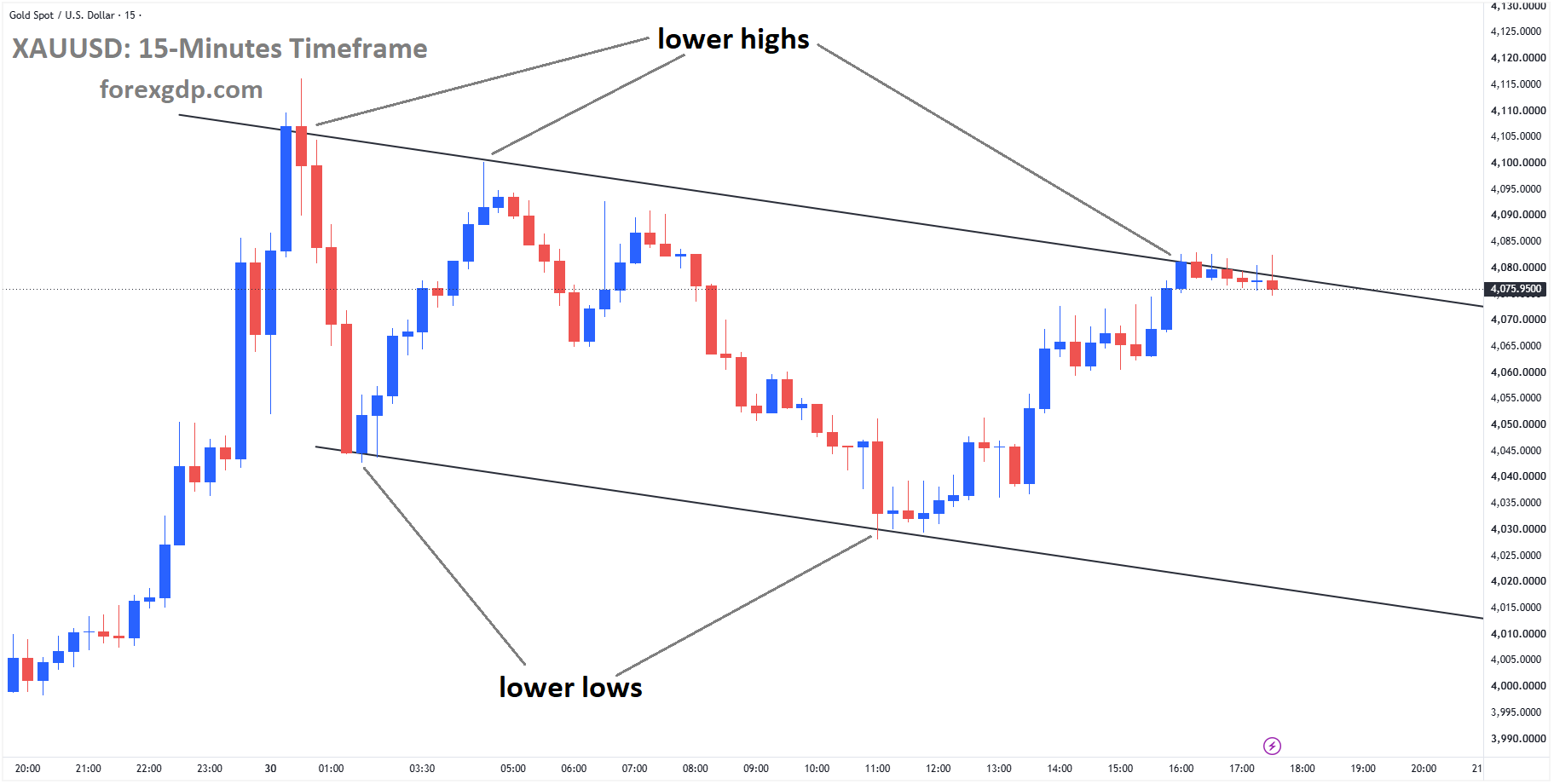
XAUUSD reached the lower high area of the descending channel
Gold continued to trade within a narrow range after the US Federal Reserve decided to leave interest rates unchanged at its July policy meeting. While many investors expected the announcement to bring stronger market moves, the precious metal remained relatively stable as traders looked for more clarity on the central bank’s future plans.
At the same time, a weaker US Dollar offered some support to Gold. However, higher US Treasury yields reduced buying interest, preventing the metal from making a stronger recovery. With mixed economic data and rising geopolitical tensions also influencing investor sentiment, Gold continues to wait for a stronger catalyst before making its next major move.
Federal Reserve Keeps Interest Rates Unchanged
The Federal Reserve decided to keep interest rates unchanged during its latest policy meeting. Although the decision was widely expected, many investors were more interested in what policymakers would say about future monetary policy.
Instead of providing clear guidance, the central bank maintained a cautious approach. This left financial markets with more questions than answers, encouraging traders to remain patient rather than make aggressive investment decisions.
As a result, Gold experienced only limited movement after the announcement, reflecting the uncertainty surrounding the next steps from the Federal Reserve.
Economic Data Sends Mixed Signals
Recent economic reports from the United States painted a mixed picture of the economy. Inflation continued to ease, suggesting that price pressures may be slowing after months of concern.
At the same time, economic growth came in weaker than expected. Slower growth often increases expectations that central banks could eventually adopt a more supportive policy stance. However, with inflation still above long-term targets, policymakers remain cautious about making any quick changes.
This combination of softer inflation and slower economic growth has created uncertainty across financial markets, making investors more careful with their decisions.
US Dollar Offers Support to Gold
One factor helping Gold was the weakness of the US Dollar. Since Gold is priced in US Dollars, a weaker currency often makes the precious metal more attractive for buyers around the world.
Following the Federal Reserve’s announcement, the Dollar lost some strength as traders adjusted their expectations for future interest rate decisions. This provided temporary support for Gold and encouraged some buying interest.
However, the softer Dollar alone was not enough to push Gold into a stronger upward move because other market forces continued to limit gains.
Higher Treasury Yields Limit Investor Demand
While the weaker Dollar helped Gold, rising US Treasury yields created the opposite effect. Higher bond yields increase the appeal of interest-paying investments, making non-yielding assets like Gold less attractive for many investors.
Long-term Treasury yields continued to move higher as markets reacted to comments from Federal Reserve officials and ongoing concerns about inflation. Some policymakers continued to support a tougher stance on inflation, reinforcing expectations that interest rates could remain higher for longer.
This balance between a weaker Dollar and stronger bond yields has kept Gold trading without a clear direction.
Markets Continue to Watch Future Fed Decisions
Although the Federal Reserve avoided giving detailed guidance about future policy changes, investors are already focusing on upcoming meetings.
Many traders still believe another interest rate increase remains possible if inflation stays stubborn or if economic conditions require tighter monetary policy. As a result, market participants are closely monitoring every major economic report for clues about the Federal Reserve’s next move.
Until there is greater certainty, investors are likely to remain cautious, which could continue to limit large swings in Gold prices.
Geopolitical Tensions Add Another Layer of Uncertainty
Beyond economic developments, geopolitical events remain an important factor for financial markets.
Fresh military action involving the United States and Iran has increased concerns about broader instability in the Middle East. Rising tensions in the region have also renewed worries about energy supply disruptions and inflation risks.
During periods of global uncertainty, Gold often attracts investors looking for safer assets. However, the impact of geopolitical events can be temporary if financial markets remain focused on central bank policy and economic data.
What Investors Are Watching Next
The coming weeks could be important for Gold as investors wait for new economic reports, inflation data, and comments from Federal Reserve officials.
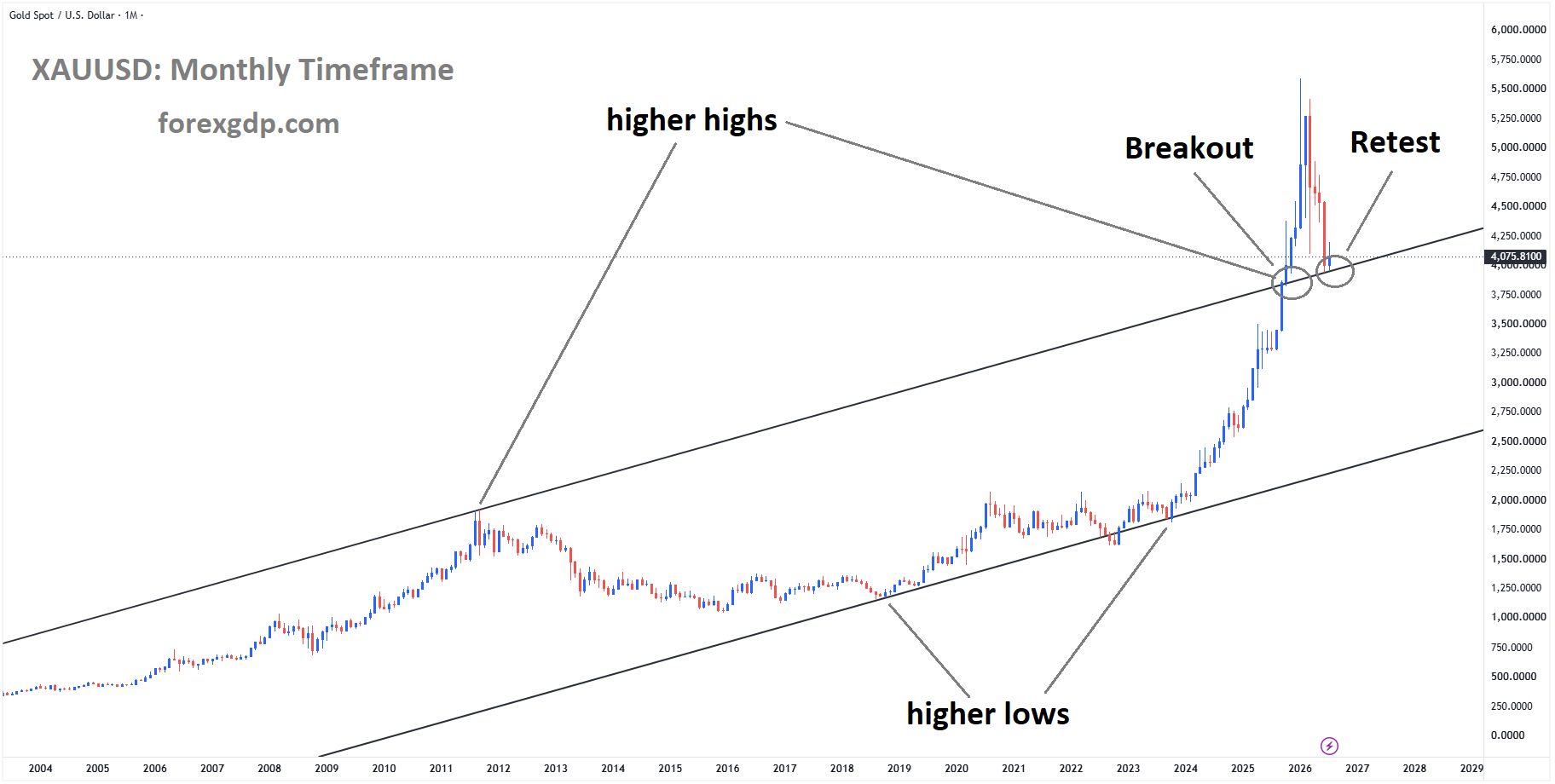
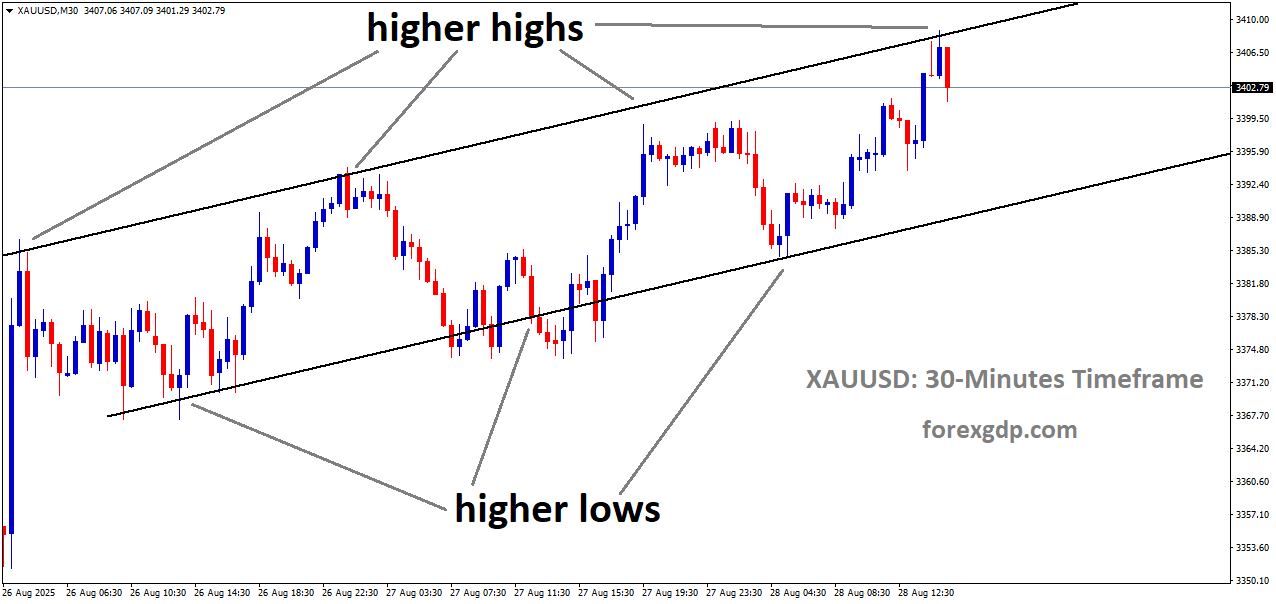
XAUUSD reached the retest area of the broken ascending channel
If inflation continues to slow while economic growth weakens further, expectations for future policy changes may shift again. On the other hand, if inflation remains persistent, markets may continue to expect tighter monetary policy.
At the same time, developments in global conflicts and energy markets will remain important, as they have the potential to influence overall market sentiment.
Final Summary
Gold remains caught between several competing forces. A weaker US Dollar is providing support, while rising Treasury yields continue to reduce buying interest. The Federal Reserve’s decision to keep interest rates unchanged has not removed uncertainty, leaving investors focused on future economic data and policy signals.
Meanwhile, geopolitical tensions and inflation concerns continue to influence market sentiment. Until stronger economic or policy developments emerge, Gold is likely to remain driven by changing investor expectations rather than a single dominant factor.