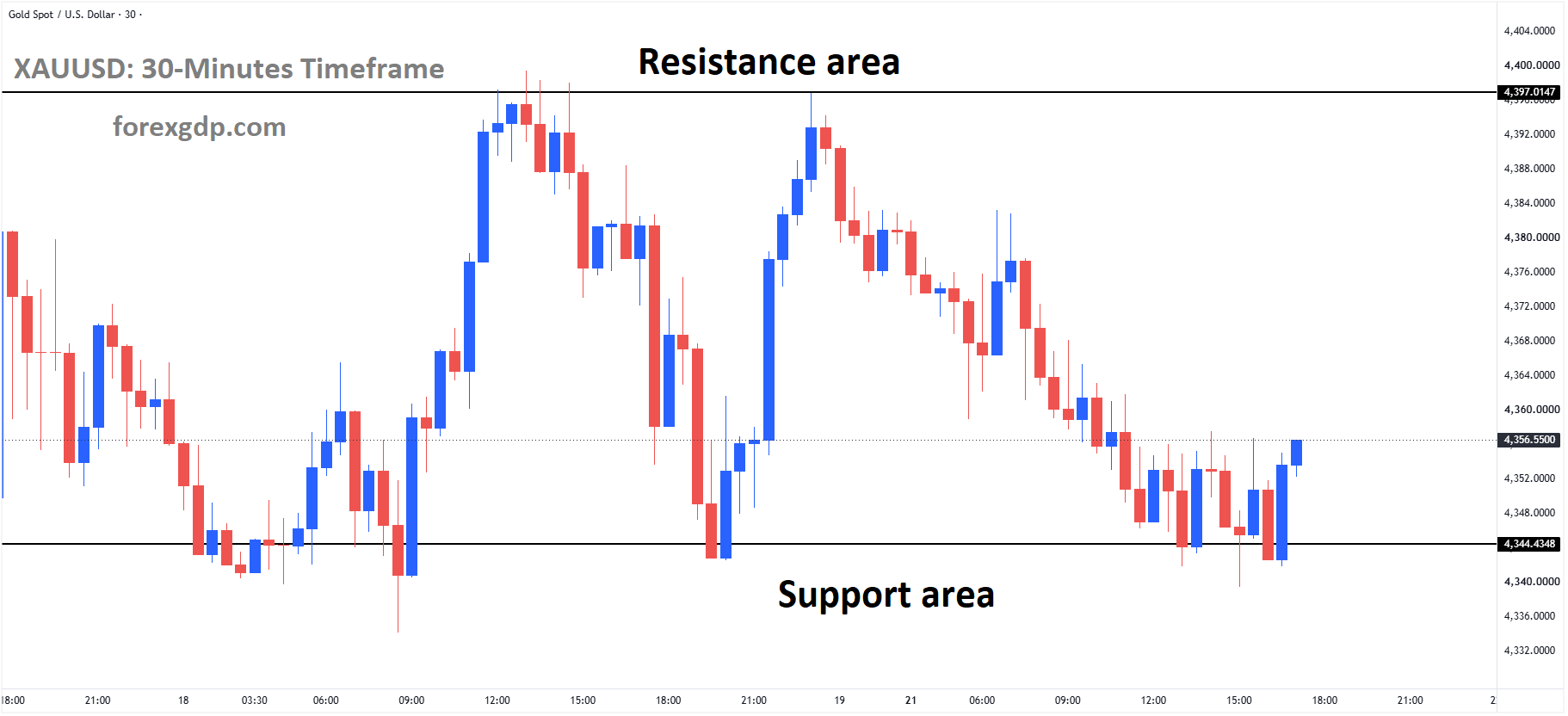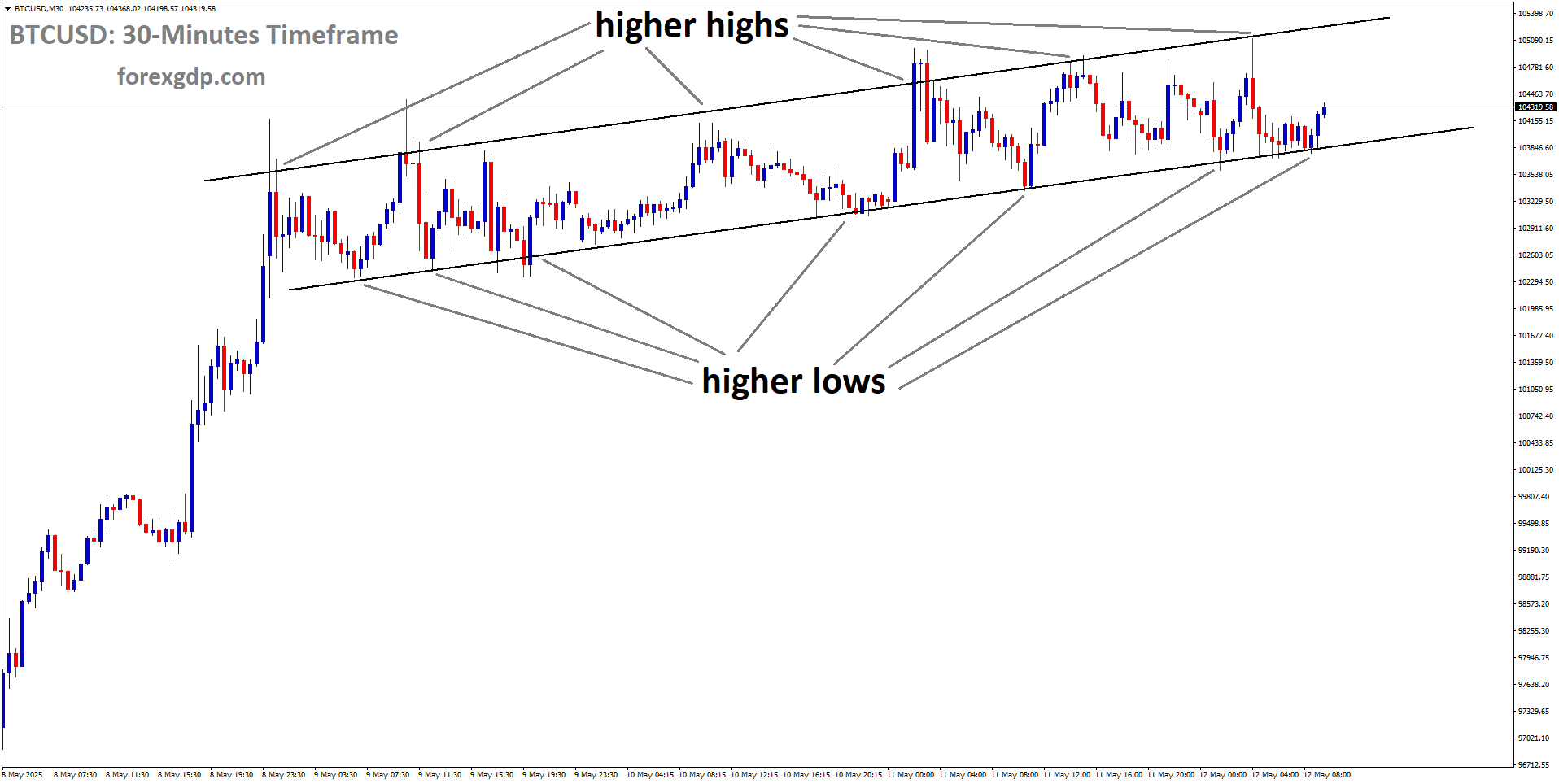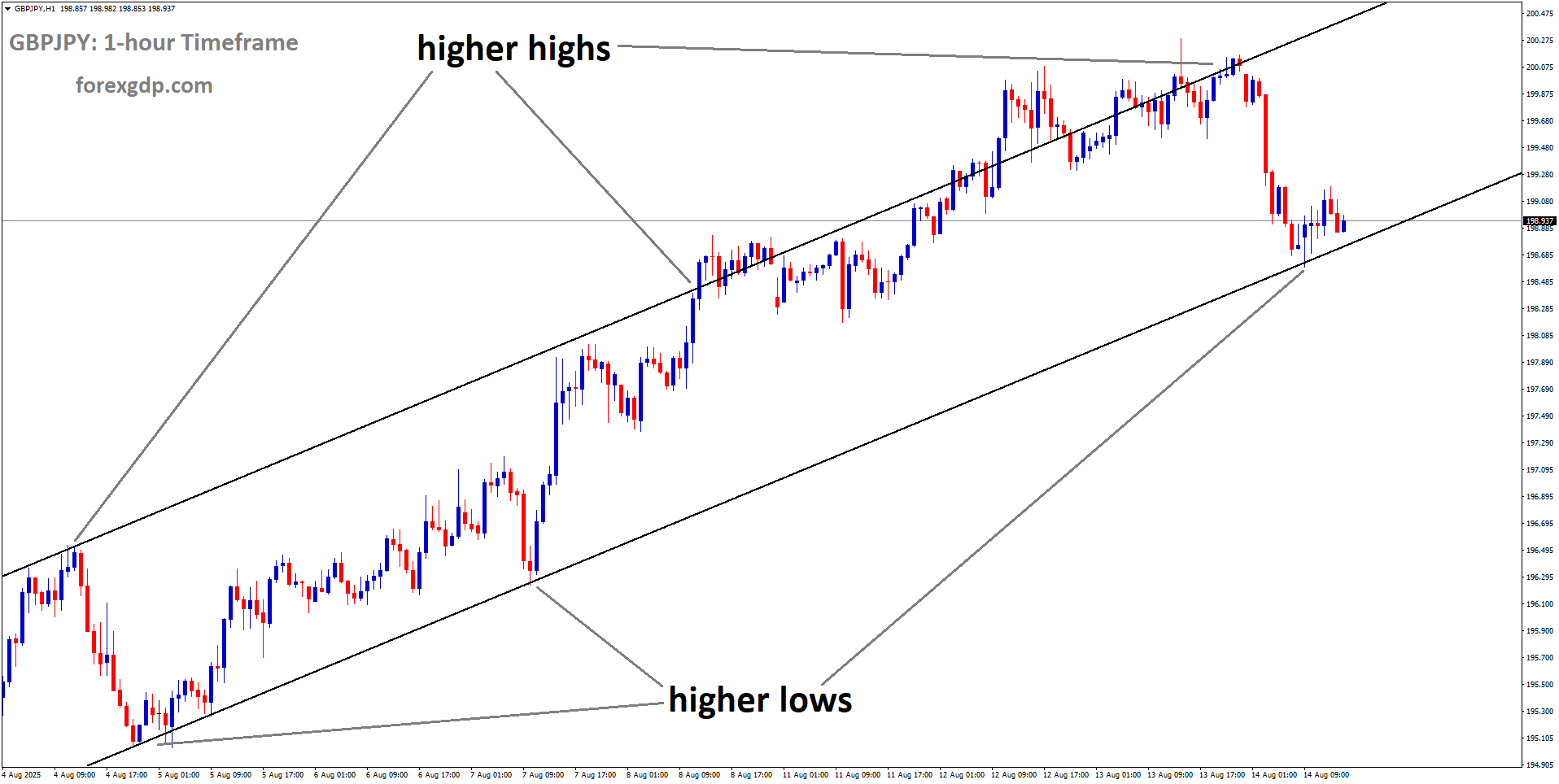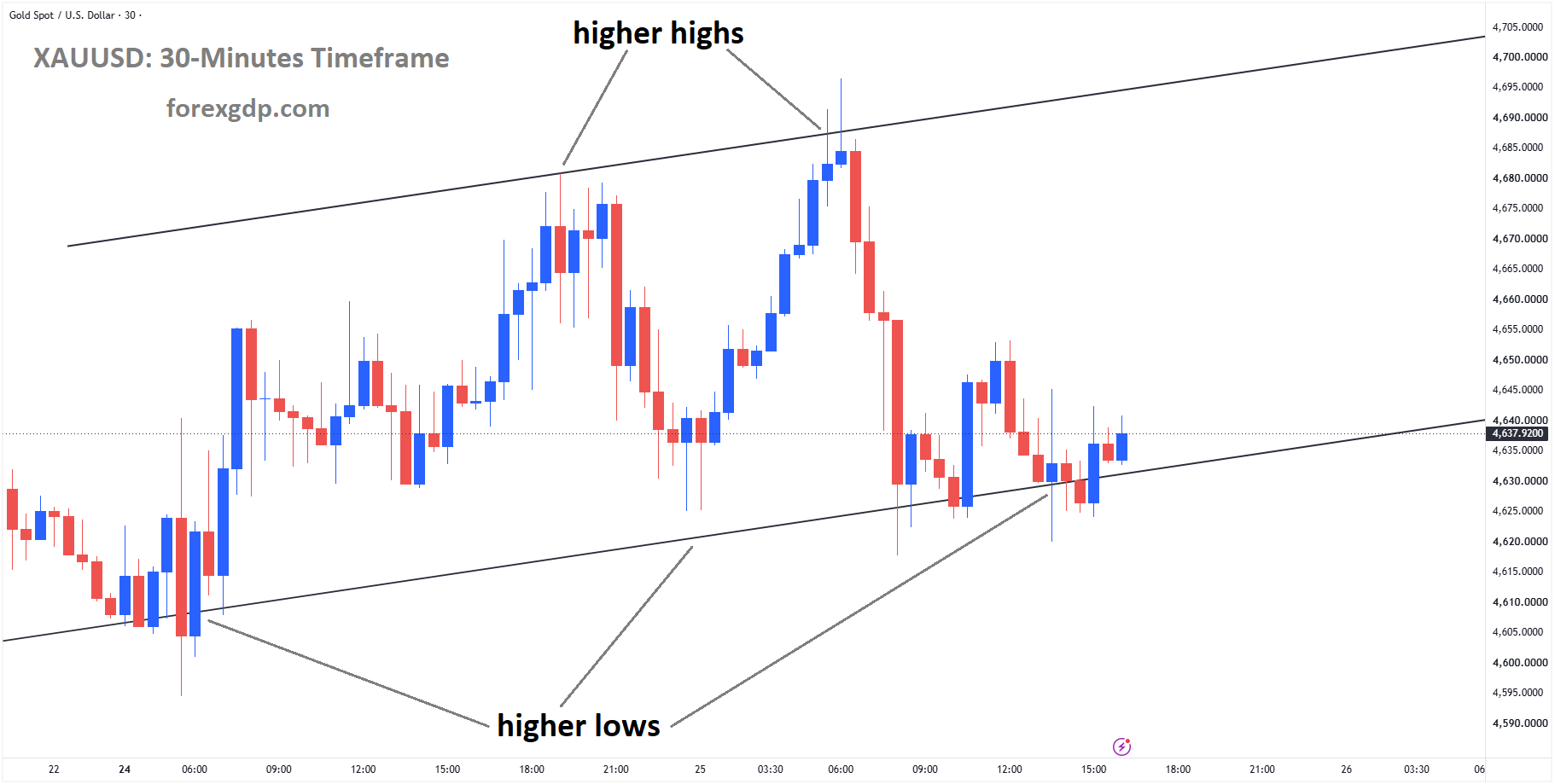
XAUUSD reached a higher low area of the ascending channel
Gold moved lower on Tuesday after reaching its strongest level in three months during Asian trading. The decline appeared to be driven mainly by profit-taking, as some traders chose to secure gains following the metal’s recent strong performance.
A small recovery in the US Dollar also reduced demand for gold. Since the precious metal is valued in dollars, a stronger US currency can make it more expensive for buyers using other currencies. However, the wider environment continues to offer several reasons for investors to remain interested in gold.
Concerns about US government finances, renewed Treasury buying, rising geopolitical tension and persistent inflation risks are all keeping the precious metal in focus. Strong demand for gold-backed exchange-traded funds has added another layer of support.
Profit-Taking Pushes Gold Lower
Gold’s recent rise encouraged some traders to take profits rather than continue increasing their exposure. This behaviour is common after a strong rally. Even when the wider outlook remains positive, investors may decide to lock in gains and wait for fresh information before returning.
The retreat does not necessarily mean that confidence in gold has disappeared. Short-term selling can happen simply because traders do not want to risk losing profits they have already made. As more positions are closed, the metal can temporarily lose momentum.
Market participation was also cautious because the US economic calendar remained relatively quiet. Without major economic reports to guide decisions, traders had fewer reasons to chase gold after its rapid advance. That left the market vulnerable to a temporary pullback.
A Stronger US Dollar Limits Demand
The US Dollar recovered modestly after recently falling to its weakest level in several months. This rebound created some difficulty for gold because the two assets often move in opposite directions.
When the dollar strengthens, buyers outside the United States may need to spend more of their local currency to purchase gold. That can reduce demand, particularly among short-term traders who are sensitive to currency movements.
However, the dollar’s recovery has not completely removed concerns about its long-term strength. Investors are still paying close attention to US debt, government spending and the wider fiscal situation. These issues have revived fears that the currency could gradually lose purchasing power.
Such concerns often benefit gold. Unlike paper currencies, gold cannot be created through government spending or central bank decisions. For this reason, some investors use it as a way to protect wealth when they become worried about currency weakness.
Treasury Buying Revives Currency Debasement Fears
Developments in the US bond market have become an important source of support for precious metals. Plans for increased Treasury buybacks have raised questions about how the government intends to manage borrowing costs and long-term bond yields.
Treasury buybacks involve the government purchasing some of its existing debt. This can improve market liquidity and help manage pressure in the bond market. However, larger purchases may also encourage investors to think more deeply about the country’s fiscal health.
TD Securities noted that planned Treasury buying could more than double over a period stretching from September to early November. The action is widely seen as part of an effort to control longer-term borrowing costs.
While the programme may help stabilise the bond market, it has also revived the US Dollar debasement narrative. Investors fear that continued intervention, heavy debt issuance and large government spending commitments could weaken confidence in the currency over time.
Gold tends to attract greater attention when these worries grow. It is often viewed as an independent store of value that does not rely on the financial condition of a single government.
Gold ETF Demand Continues to Grow

Another encouraging factor for gold has been strong investment through exchange-traded funds. Gold-backed ETFs allow investors to gain exposure to the precious metal without directly buying, storing or protecting physical bars and coins.
According to the World Gold Council, global gold ETFs recorded net inflows of $3.52 billion during the previous week. This was equal to approximately 23.6 tonnes of gold. Total inflows for the year reached $21.34 billion, representing around 116.1 tonnes.
Asia and Europe led the increase in demand. This suggests that interest in gold is not limited to one country or region. Investors across different markets appear to be looking for protection against economic uncertainty, currency risks and political instability.
ETF inflows can strengthen the wider gold market because the funds generally need to purchase physical metal to support their holdings. When inflows continue over time, they may reduce the amount of available supply and help maintain investor confidence.
Middle East Tensions Keep Investors Cautious
Political developments in the Middle East remain another major concern. Iranian Finance Minister Ali Madanizadeh said that Tehran was fully prepared to respond to further US sanctions.
His comments followed the launch of “Operation Economic Outcast” by the US Treasury. The broader sanctions campaign aims to restrict financial support for the Iranian government.
Fresh sanctions could increase tension between the two countries and create more uncertainty across global markets. Investors often become defensive when political disputes threaten regional stability, energy supplies or international trade.
Gold frequently benefits during such periods because it is widely treated as a safe-haven asset. Even if immediate demand weakens because of profit-taking, unresolved political risks can encourage investors to maintain longer-term positions.
Energy Costs Keep Inflation Risks Alive
Oil showed only a limited response to the latest political developments and remained below its recent highs. Even so, energy costs are still higher than they were before the latest conflict began.
Elevated energy expenses can affect transportation, manufacturing and household bills. If businesses face higher costs, they may pass some of them on to consumers. This can keep inflation under pressure even when other parts of the economy begin to cool.
Persistent inflation would make the Federal Reserve’s next decisions more difficult. The central bank must balance the need to control rising prices against the risk of slowing economic growth too sharply.
If inflation remains stubborn, borrowing costs may stay elevated for longer. That can create temporary pressure on gold because the metal does not pay interest. At the same time, fears about weakening purchasing power can encourage investors to seek protection through precious metals.
Investors Await Fresh Federal Reserve Direction
Attention is now turning toward the US Personal Consumption Expenditures Price Index. This report is closely watched because it is the Federal Reserve’s preferred measure of inflation.
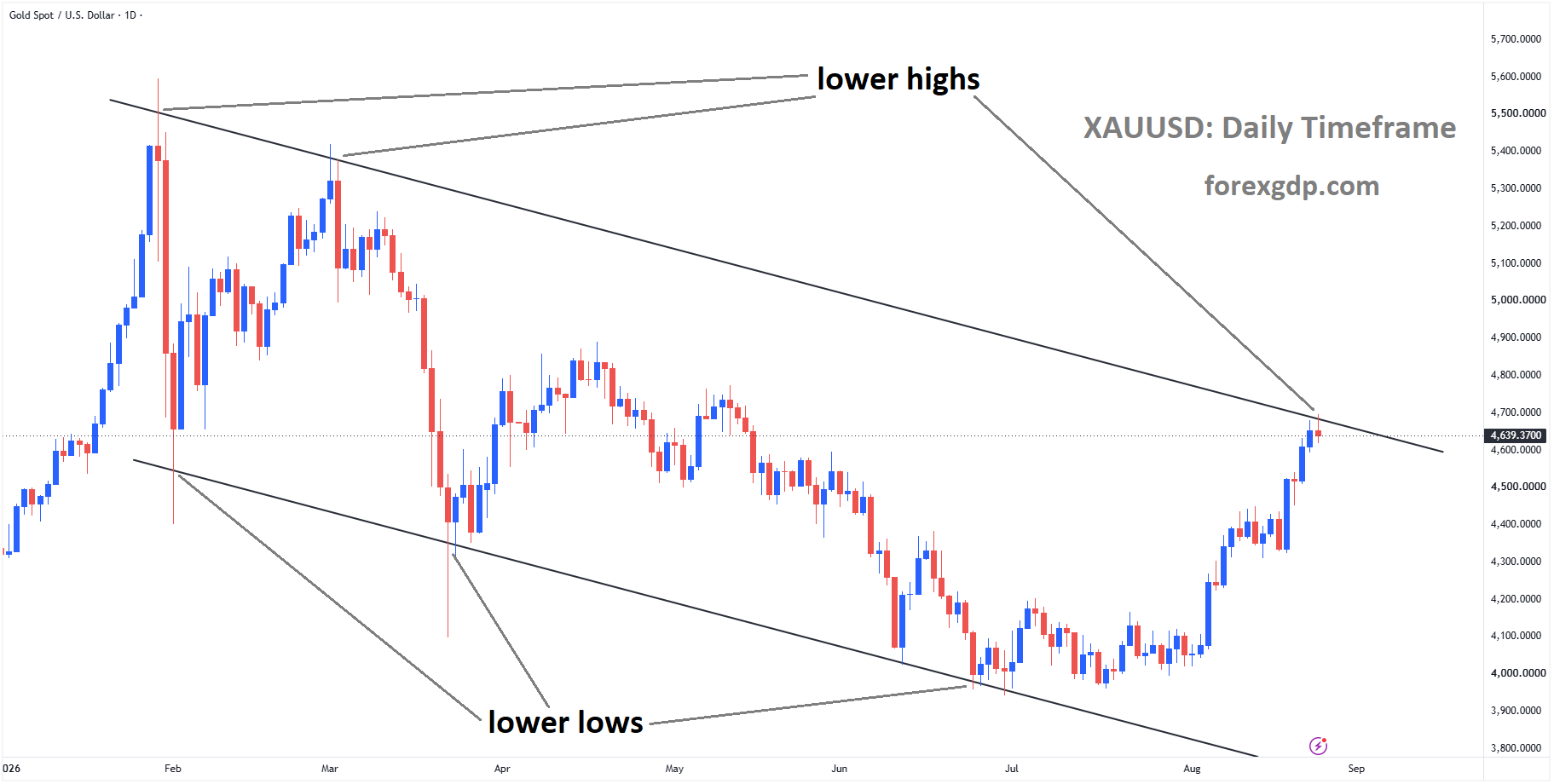
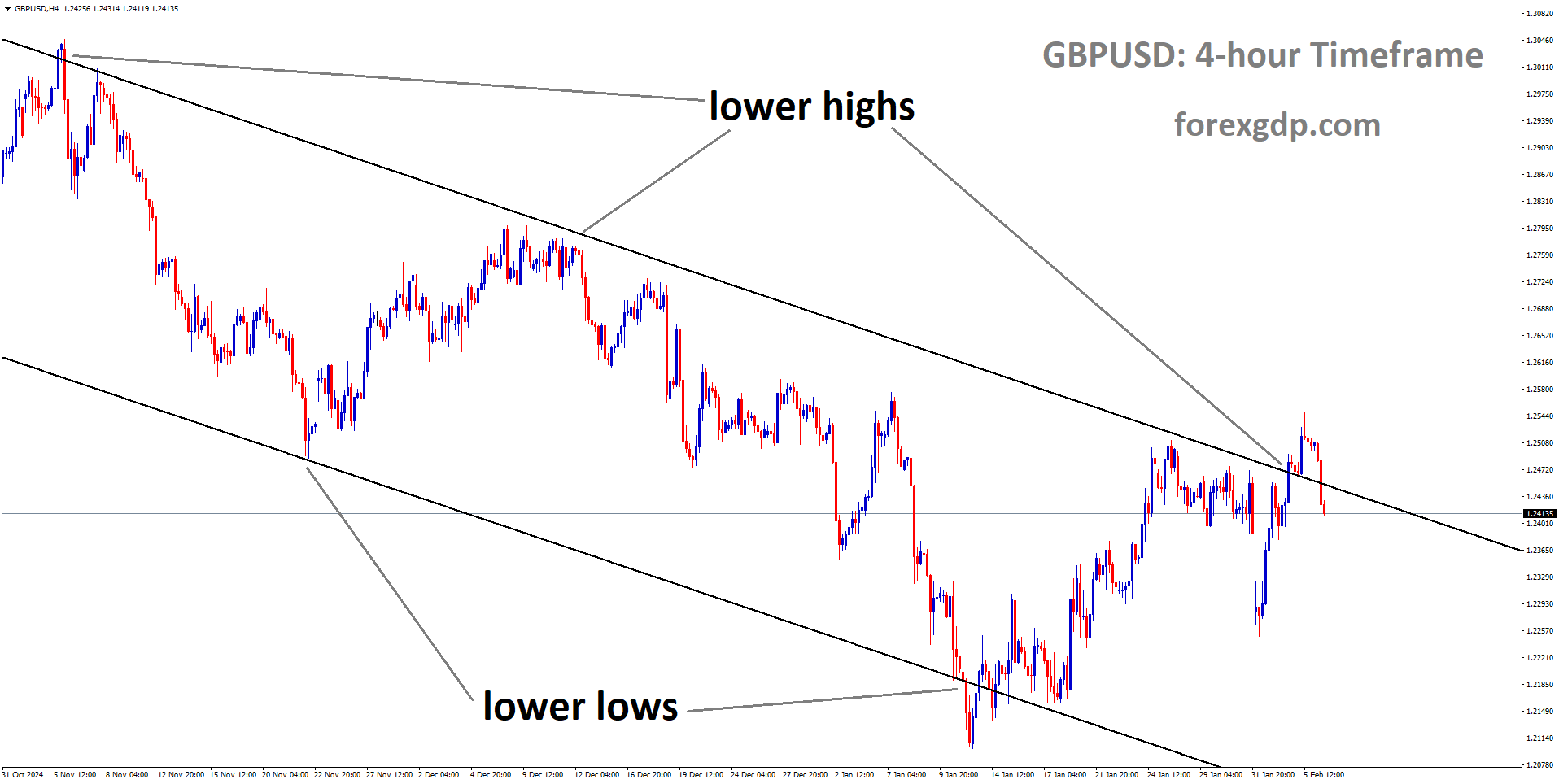
XAUUSD reached the lower high area of the descending channel
A stronger-than-expected reading could support the dollar and make investors less confident about near-term interest-rate reductions. A softer result may increase expectations that the Fed will adopt a less restrictive policy.
Traders will also listen closely to Federal Reserve Chairman Kevin Warsh’s speech at the Jackson Hole Symposium. His comments may provide clearer guidance about inflation, economic growth and the future direction of interest rates.
Until these events take place, gold may remain sensitive to changes in the dollar, bond markets and geopolitical headlines. Short-term volatility is possible as investors adjust their expectations.
Final Summary
Gold has pulled back after reaching a three-month high, with profit-taking and a modest US Dollar recovery weighing on demand. Still, the broader environment remains supportive.
Treasury buybacks have revived concerns about US fiscal health and possible currency debasement. Strong inflows into gold-backed ETFs show that investors in Asia, Europe and other regions continue to seek exposure to the precious metal.
Middle East tensions and elevated energy costs are also keeping uncertainty high. With important US inflation data and Federal Reserve guidance approaching, gold is likely to remain a major focus for investors seeking protection from economic and political risks.