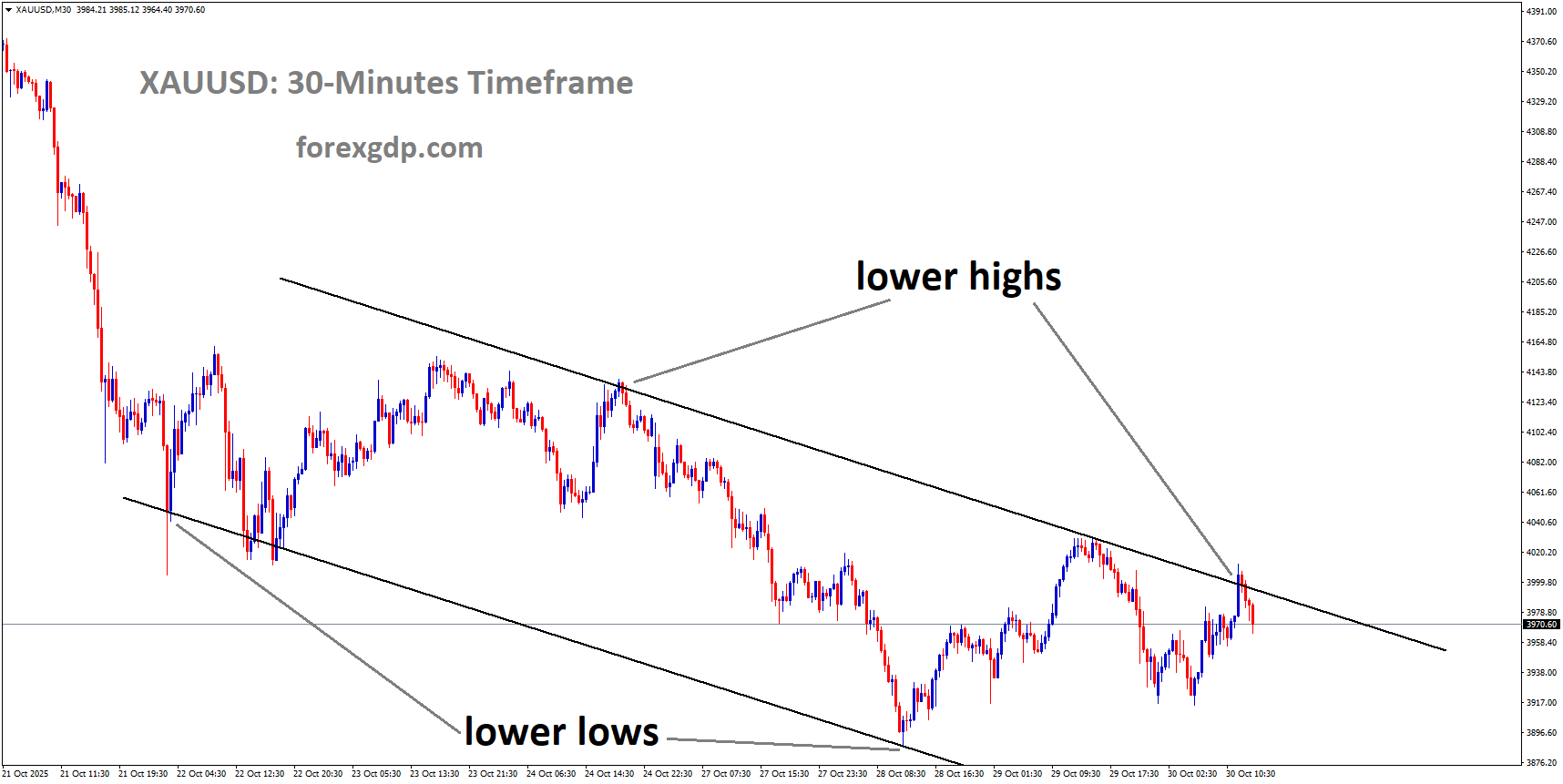

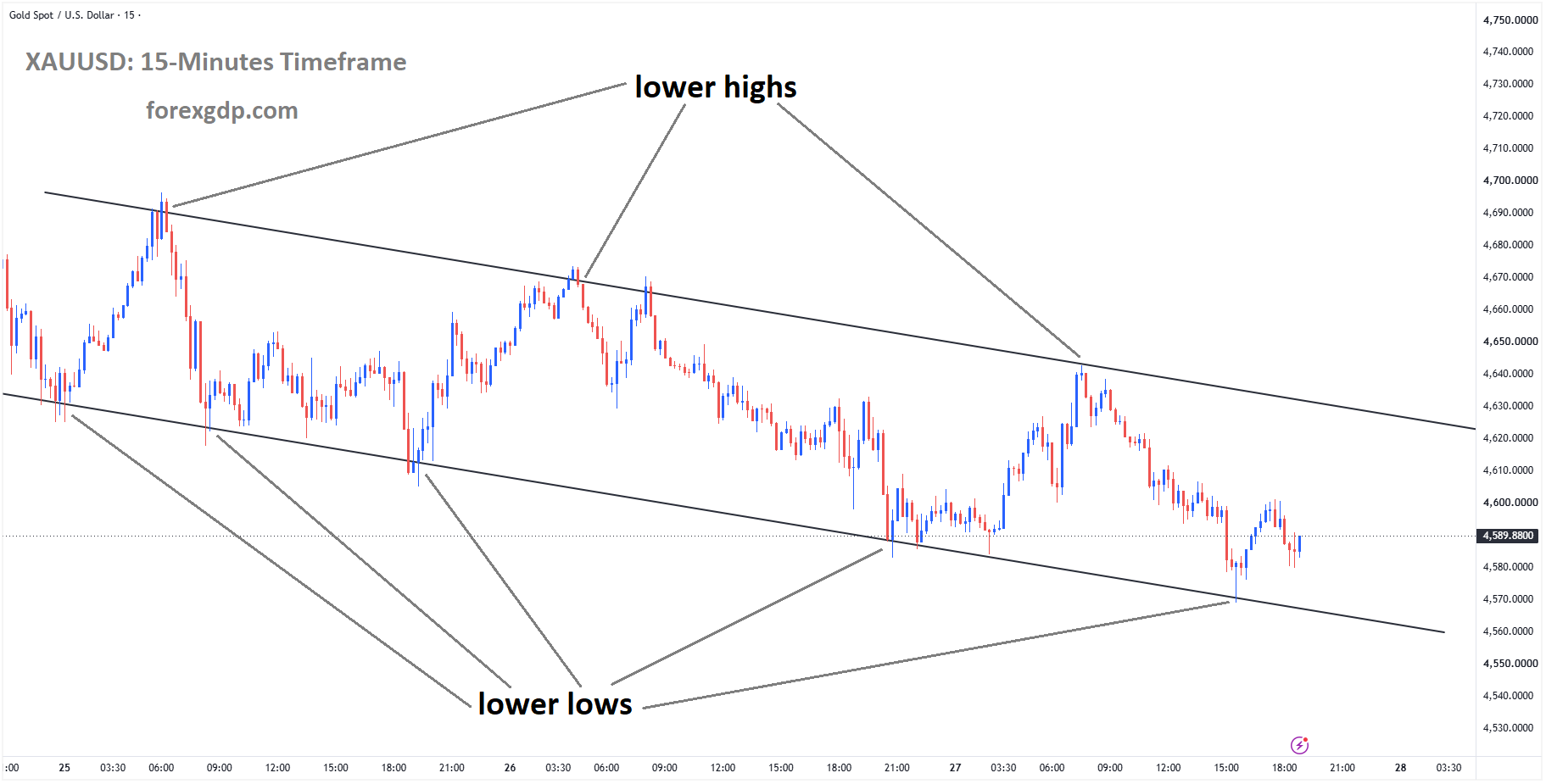
XAUUSD is moving in a descending channel, and the market has rebounded from the lower low area of the channel
Gold regained some positive momentum as lower US bond yields helped support demand for the precious metal. The US Treasury’s bond buyback strategy has kept yields under pressure, making non-yielding assets such as gold slightly more attractive to investors.
However, gold’s recovery remains cautious. Recent US inflation data has strengthened expectations that the Federal Reserve could raise interest rates before the end of the year. Such expectations often benefit the US Dollar and create a difficult environment for gold.
Many traders are therefore avoiding large positions ahead of Federal Reserve Chair Kevin Warsh’s speech at the Jackson Hole Symposium on Friday. His comments could offer important clues about the direction of US monetary policy and influence both the Dollar and gold.
Gold Traders Remain Cautious Before Jackson Hole
Gold struggled to build strong momentum during the first half of Thursday’s European session. Although selling pressure showed signs of easing, buyers remained hesitant to push aggressively into the market.
The main reason behind this cautious mood is the upcoming speech from Fed Chair Kevin Warsh. Investors want to know whether the central bank is prepared to raise borrowing costs again or prefers to wait for more economic evidence.
His language will matter almost as much as any future policy decision. A firm warning about inflation could strengthen expectations for tighter monetary policy. A more careful approach, however, might weaken those expectations and provide fresh support for gold.
This uncertainty has created a waiting game. Gold is receiving help from lower bond yields, but the possibility of higher interest rates prevents buyers from feeling completely confident. Until the Fed provides clearer guidance, the precious metal may continue to face mixed pressure.
Persistent US Inflation Keeps Rate Hike Expectations Alive
The latest US inflation report showed that price pressures remain stubborn. The headline Personal Consumption Expenditures Price Index was stronger than economists had expected, while the core measure remained elevated.
The core figure excludes food and energy costs because these categories can change sharply from month to month. Central bank officials often watch this measure closely when judging whether underlying inflation is cooling.
The report suggests that the Federal Reserve’s battle against inflation is far from finished. Prices are still rising at a pace that could make policymakers uncomfortable, increasing the possibility of another interest rate hike before the end of the year.
Higher interest rates usually support the US Dollar because they can make Dollar-based assets more appealing to global investors. A stronger Dollar may reduce demand for gold among buyers using other currencies.
Gold also pays no interest. When rates rise, bonds and other income-producing investments can look more attractive by comparison. This is why stronger rate hike expectations often limit gold’s ability to extend its gains, even when other factors are supportive.
Still, one inflation report may not be enough to settle the debate. Federal Reserve officials must consider employment, consumer spending, economic growth and financial conditions before making their next move. Warsh’s speech could reveal which risks currently concern the central bank most.
Lower Bond Yields Offer Gold Some Breathing Room

Despite renewed expectations for tighter Federal Reserve policy, US government bond yields remain under pressure. The Treasury’s buyback strategy has helped create demand for government debt, preventing yields from rising as strongly as they otherwise might.
This situation offers gold some valuable support. When bond yields decline, the opportunity cost of owning an asset that does not produce regular income also falls. Investors may then become more willing to hold gold as part of a diversified portfolio.
The contrast between sticky inflation and weak bond yields has created an unusual environment. Inflation points toward the possibility of higher interest rates, while Treasury activity is keeping borrowing costs relatively contained.
Gold is caught between these two forces. It benefits from softer yields but faces resistance from a Dollar supported by expectations of tighter monetary policy. That explains why its recovery has appeared careful rather than decisive.
The next major move could depend on which force becomes stronger. If bond yields stay low and the Fed avoids making an aggressive policy statement, gold may attract more demand. If rate hike expectations grow, the Dollar could strengthen and restrict gold’s recovery.
US-Iran Developments Reduce Some Safe-Haven Demand
Geopolitical developments are adding another layer of uncertainty. Recent reports have raised hopes that the United States and Iran could announce a new ceasefire agreement. There is also optimism about progress toward reopening the Strait of Hormuz.
A calmer geopolitical environment can reduce demand for traditional safe-haven assets. Investors often turn to gold during wars, diplomatic crises or major threats to global trade. When those risks appear to ease, some of that defensive demand may disappear.
Iran and Oman have reportedly agreed to establish a temporary maritime route for vessels using the important waterway. This could help reduce concerns about shipping delays and wider disruption to global energy supplies.
However, the situation remains fragile. Iranian officials have said that the Strait will not fully reopen until the United States meets its commitments under the interim peace agreement. As a result, investors cannot assume that all geopolitical risks have vanished.
This lingering uncertainty may continue to support both gold and the US Dollar. Gold benefits from its reputation as a store of value during uncertain periods, while the Dollar often receives safe-haven demand because of its central role in global finance.
Oil and the Dollar Add to Gold’s Mixed Outlook
The limited reopening of the Strait of Hormuz has also influenced sentiment in the energy market. Continued uncertainty surrounding the waterway can support crude oil because traders worry about potential interruptions to global supply.
Stronger oil markets may complicate the inflation outlook. Energy costs affect transportation, manufacturing and household spending. If oil remains firm, businesses may face higher expenses and pass some of those costs to consumers.
That possibility could make the Federal Reserve more cautious about declaring victory over inflation. Policymakers may feel pressure to keep interest rates elevated or consider further action if price growth refuses to slow.
Such a development would likely support the Dollar and create another obstacle for gold. However, any renewed political tension could quickly bring safe-haven buyers back to the precious metal.
The result is a delicate balance. Positive diplomatic headlines can reduce fear, while incomplete agreements keep uncertainty alive. Gold may therefore continue to respond sharply to new announcements concerning the ceasefire and the Strait’s reopening.
Fed Chair’s Speech Could Set the Next Direction
Kevin Warsh’s appearance at Jackson Hole is now the central event for gold traders. Investors will listen carefully for his views on inflation, interest rates and the wider US economy.
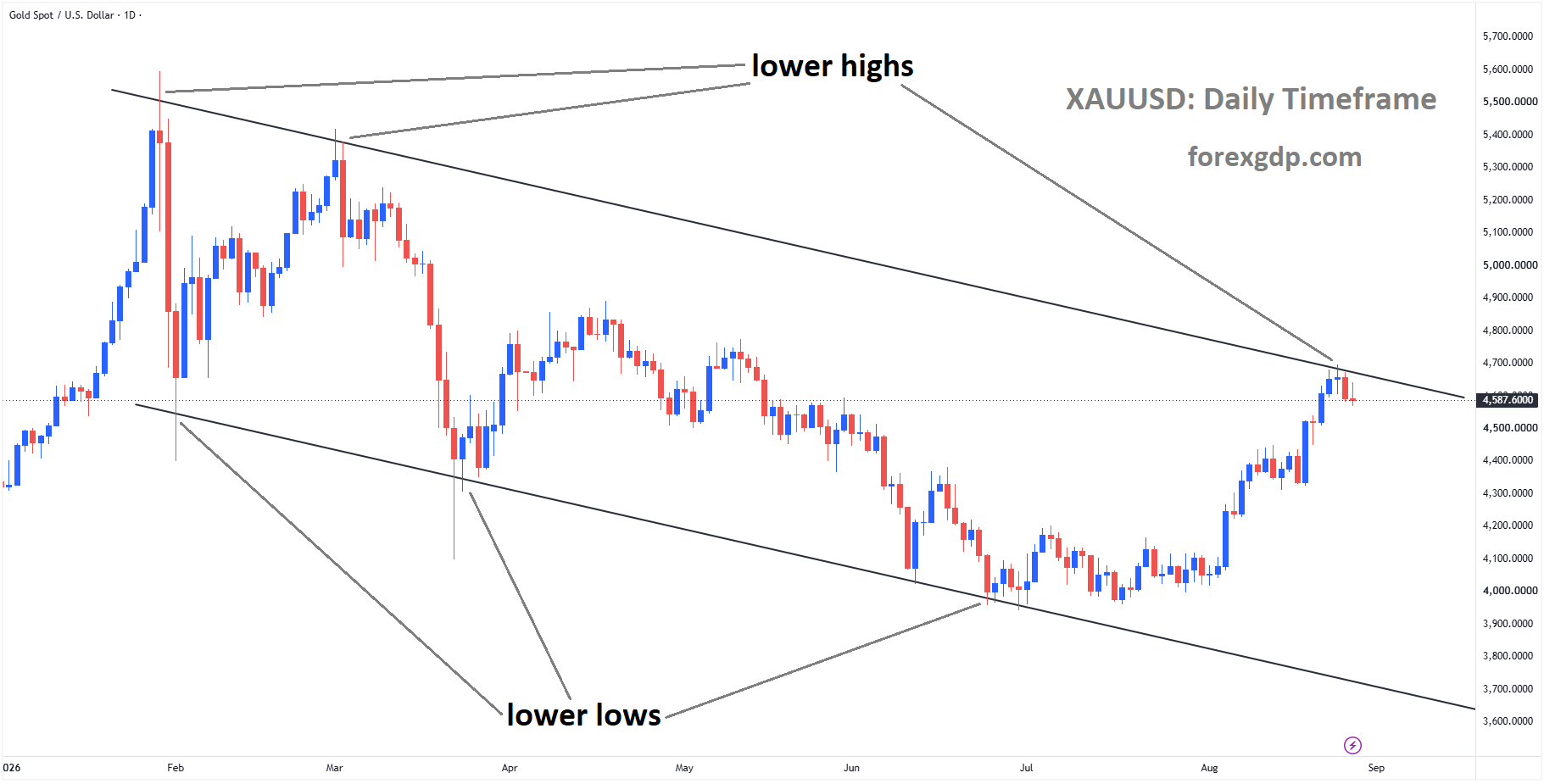
XAUUSD is moving in a descending channel, and the market has reached the lower high area of the channel
A strongly hawkish message would suggest that the Fed remains willing to raise rates to control inflation. This could lift the Dollar and make it harder for gold to build a lasting recovery.
A more balanced speech could produce the opposite reaction. If Warsh highlights economic risks or suggests that the central bank can afford to wait, rate hike expectations may weaken. Lower yields and a softer Dollar could then provide additional support to gold.
Traders will also watch whether he treats the latest inflation report as a serious warning or as one part of a broader economic picture. That distinction could shape expectations for monetary policy during the remaining months of the year.
Final Summary
Gold is receiving support from depressed US bond yields and unresolved geopolitical risks, but its outlook remains uncertain. Persistent US inflation has increased expectations of another Federal Reserve rate hike, helping the Dollar and limiting enthusiasm for the precious metal.
Meanwhile, hopes for a US-Iran ceasefire and progress toward reopening the Strait of Hormuz have reduced some safe-haven demand. Yet the situation remains unsettled because a full reopening still depends on the completion of political commitments.
Attention now turns to Fed Chair Kevin Warsh’s Jackson Hole speech. His comments could clarify the central bank’s policy direction and determine whether lower yields or stronger rate expectations become the dominant force influencing gold.