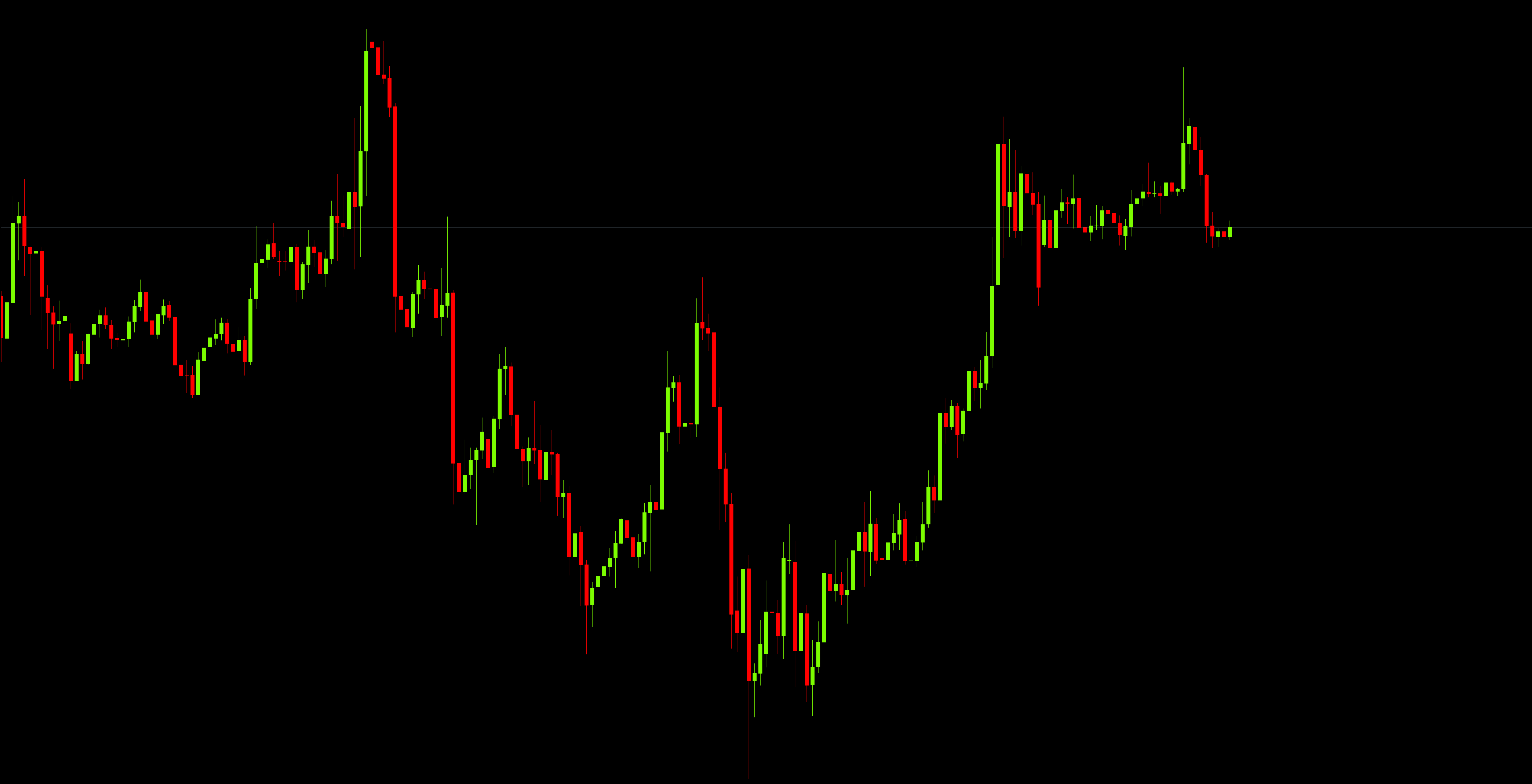

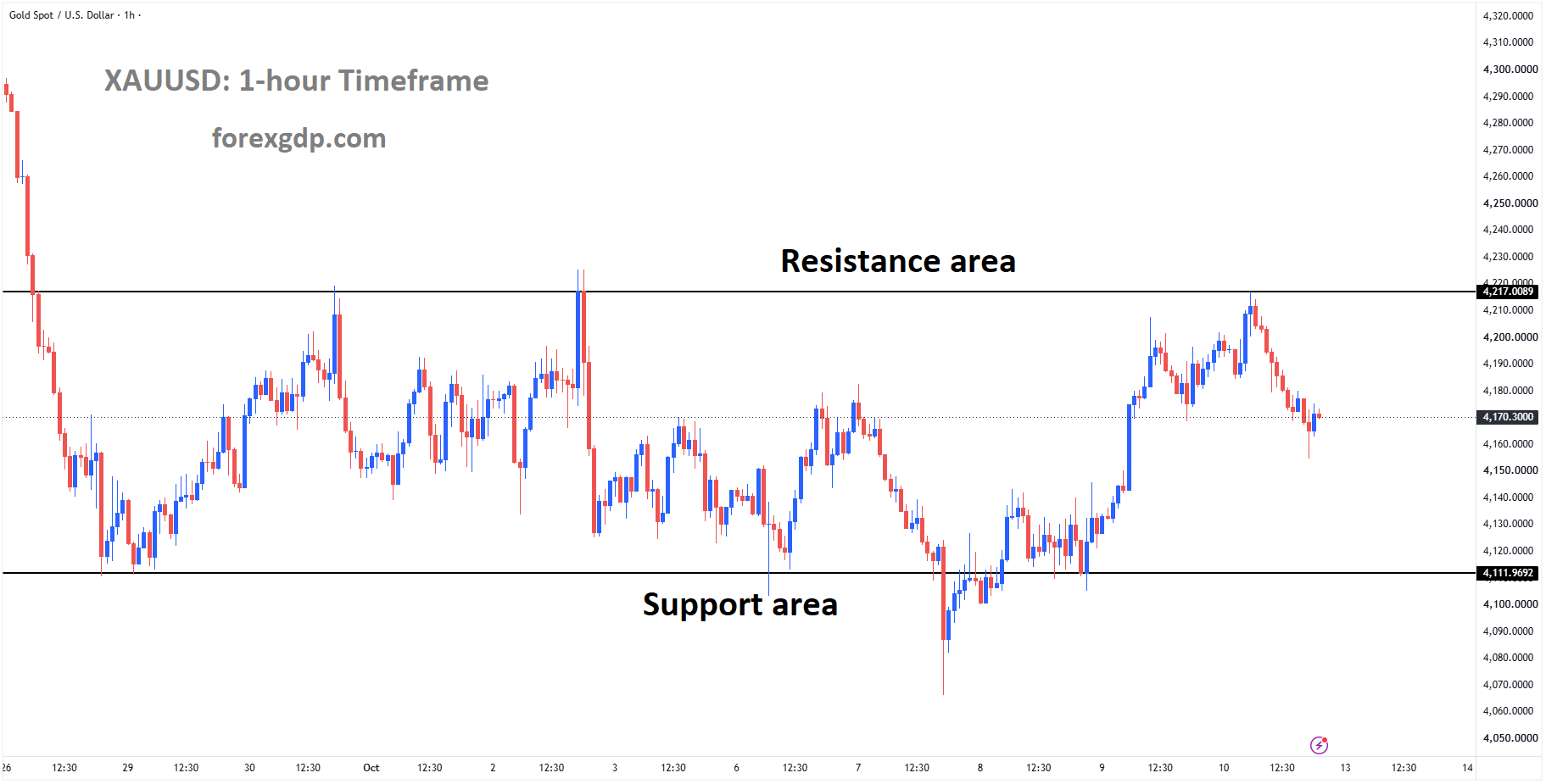
XAUUSD is moving in a box pattern, and the market has fallen from the resistance area of the pattern
Gold came under renewed pressure on Monday as an earlier recovery faded and investors grew cautious ahead of the next US inflation report. A firm US Dollar and elevated Treasury yields continued to weigh on demand, leaving traders reluctant to make large commitments before receiving a clearer picture of the economic outlook.
The upcoming Consumer Price Index report could influence expectations for the Federal Reserve’s next interest rate decision. For gold, the key question is whether inflation will encourage policymakers to keep borrowing costs elevated for longer or allow them to consider a softer approach.
At the same time, tensions in the Middle East are adding uncertainty to energy supplies and global trade. These developments create a difficult balance for gold: political risks can attract buyers seeking safety, while higher energy costs can fuel inflation and strengthen the case for restrictive monetary policy.
A Firm US Dollar Keeps Gold Under Pressure
The US Dollar remains an important influence on gold’s performance. Since gold is priced internationally in dollars, a stronger American currency makes it more expensive for buyers using other currencies. This can reduce demand and make it harder for the metal to maintain gains.
Dollar strength also reflects how investors view the outlook for US interest rates. When markets expect borrowing costs to remain elevated, dollar assets can become more attractive. That encourages demand for the currency and creates an additional challenge for gold.
US Treasury yields are adding to that pressure. Gold does not pay interest, so investors often compare it with assets that provide a regular return. When government bonds offer attractive yields, some investors may prefer them over holding the precious metal.
Although the US Treasury cash market was closed for Monday’s holiday, expectations surrounding borrowing costs continued to shape sentiment. Investors remained focused on whether the inflation report would reinforce the existing interest rate outlook or change it.
US Inflation Becomes the Main Market Focus

The next US Consumer Price Index release is drawing close attention because it could reveal whether inflation pressures are becoming harder to control.
Expectations outlined ahead of the report point to stronger headline inflation, with energy costs playing a significant role. The outlook for core inflation is more mixed, suggesting that price pressures may differ across parts of the economy.
Headline inflation measures a broad basket of goods and services, including food and energy. Core inflation excludes those two categories, helping policymakers assess whether inflation is spreading beyond items that can experience sharp short-term changes.
This distinction matters. A rise driven mainly by energy may have different implications from a broad increase across housing, services and everyday spending. Investors will therefore look beyond the main figure to understand what is driving the change.
For gold, the market reaction will depend heavily on how the results compare with expectations. An inflation report that comes in stronger than anticipated could encourage investors to expect a tougher Federal Reserve stance. A softer report could ease some of those concerns.
Federal Reserve Expectations Shape Gold’s Outlook
The inflation release comes ahead of the Federal Reserve’s late-October policy meeting. Expectations described in the market update favour unchanged interest rates, but the new figures could influence that view.
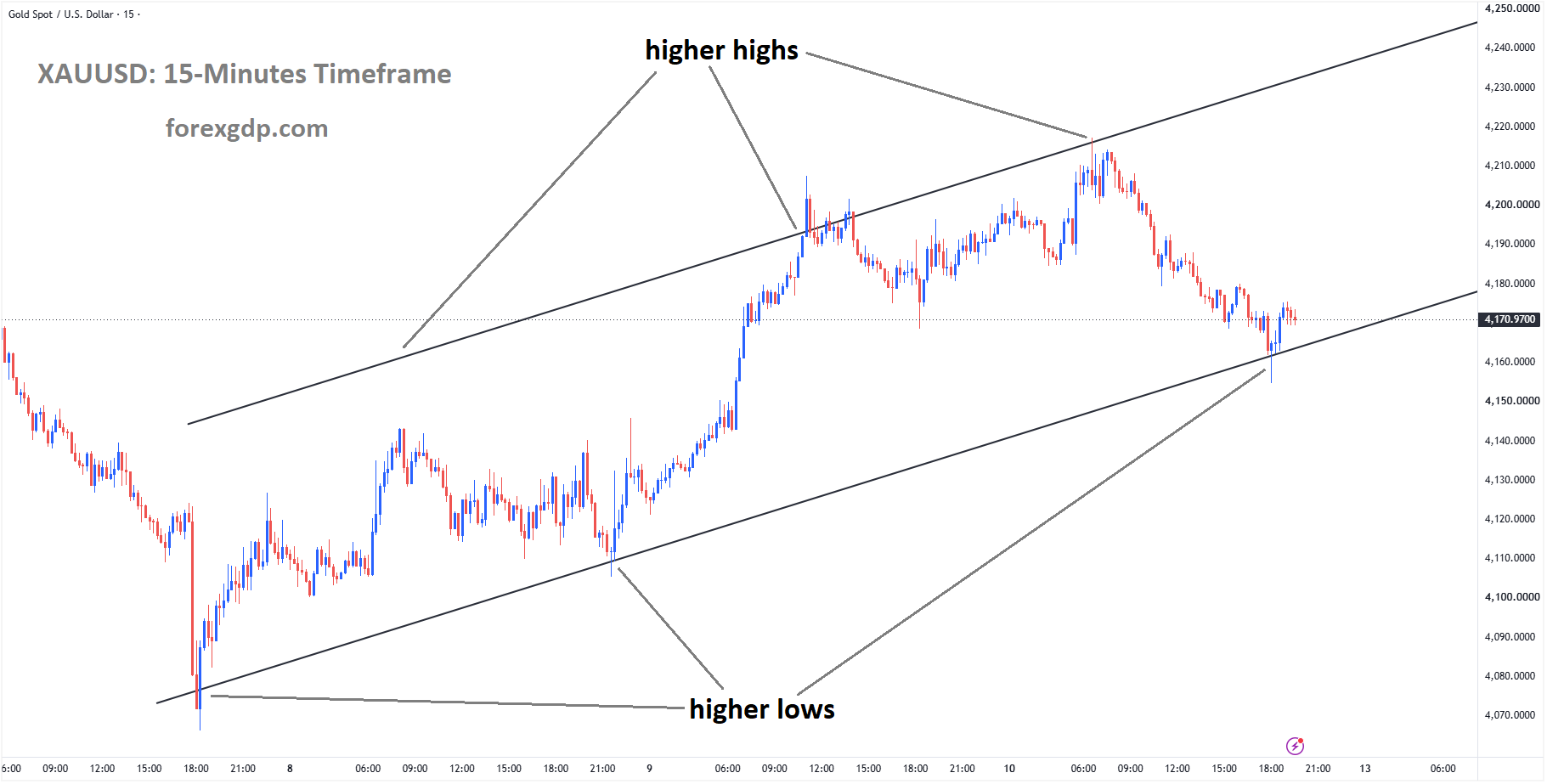
XAUUSD is moving in an ascending channel
The Fed faces a familiar challenge: bringing inflation back towards its target without placing unnecessary strain on economic activity. If price pressures remain stubborn, policymakers may feel less comfortable easing policy.
A stronger inflation reading could also revive discussion about another rate increase before the end of the year. That possibility would matter for gold because higher borrowing costs tend to increase the appeal of interest-paying assets.
However, one report does not settle the entire policy outlook. Officials also consider employment, consumer demand and broader financial conditions. The details of the inflation release, alongside other economic evidence, will help shape their assessment.
If inflation shows signs of easing, investors may become more confident that further tightening is unnecessary. That could reduce pressure from the dollar and Treasury yields, giving gold a more supportive environment.
Middle East Tensions Complicate the Inflation Picture

Developments in the Middle East remain another source of uncertainty. The supplied market update highlights renewed attacks and shipping incidents that have raised concerns about transport routes and energy supplies.
Disruption around important shipping routes can affect the cost and availability of oil. Higher energy expenses can then reach businesses and households through transport, manufacturing and utility bills.
For central banks, this creates a difficult situation. Monetary policy cannot directly restore disrupted supplies, but officials must consider whether rising energy costs are feeding into wider inflation.
Gold’s response to these developments can be complicated. During periods of geopolitical stress, investors may buy the metal as a store of value. Yet if the same tensions increase inflation and support expectations for higher interest rates, gold can face competing pressures.
This helps explain why heightened uncertainty does not always produce a sustained rise in demand. Investors are weighing the appeal of safety against the financial effects of tighter policy.
Central Bank and ETF Demand Offer Support
Despite the pressure from the dollar and borrowing costs, gold continues to benefit from underlying investment demand.
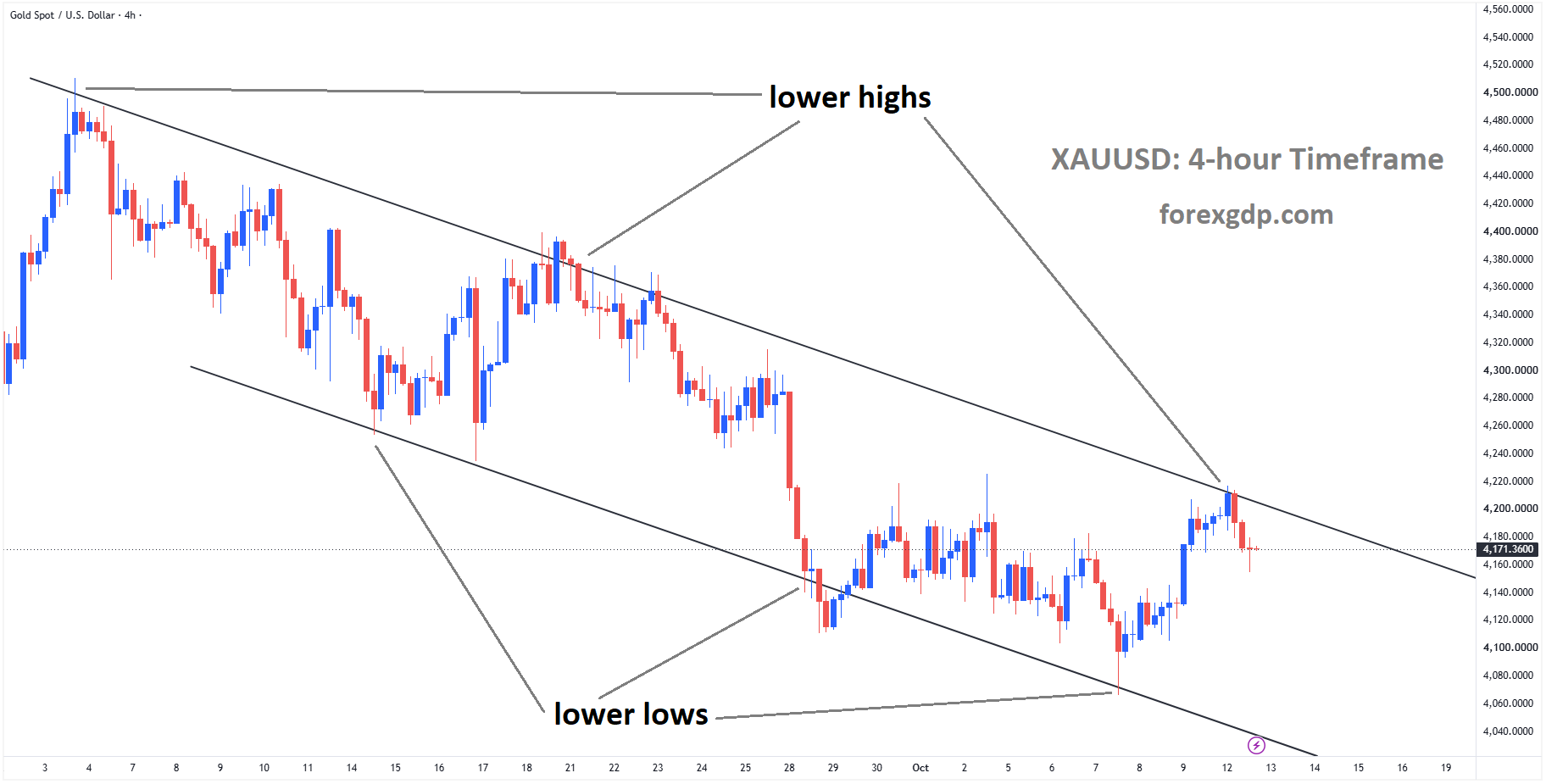
XAUUSD is moving in a descending channel, and the market has fallen from the lower high area of the channel
The World Gold Council figures cited in the update show that central banks remained net buyers in August, while gold exchange-traded funds attracted substantial inflows in September. These purchases suggest that gold continues to hold a place in reserve management and investment portfolios.
Central banks often hold gold to diversify their reserves. Their decisions generally reflect longer-term priorities, which can differ from the concerns driving daily trading.
ETF inflows provide another view of investor interest. These funds allow investors to gain exposure to gold without arranging storage for physical bullion.
Such demand cannot prevent every decline. However, it can provide support when short-term sentiment weakens and shows that caution around US monetary policy has not removed gold’s broader appeal.
Final Summary
Gold faces a challenging mix of dollar strength, elevated Treasury yields and uncertainty over US inflation. The upcoming CPI report could reshape expectations for the Federal Reserve and influence demand for the precious metal.
Middle East tensions add another layer of complexity by encouraging interest in safety while also threatening to increase energy-driven inflation. Meanwhile, central bank purchases and ETF inflows provide underlying support. Gold’s next direction will depend on how these competing forces develop, with US inflation remaining the immediate focus.