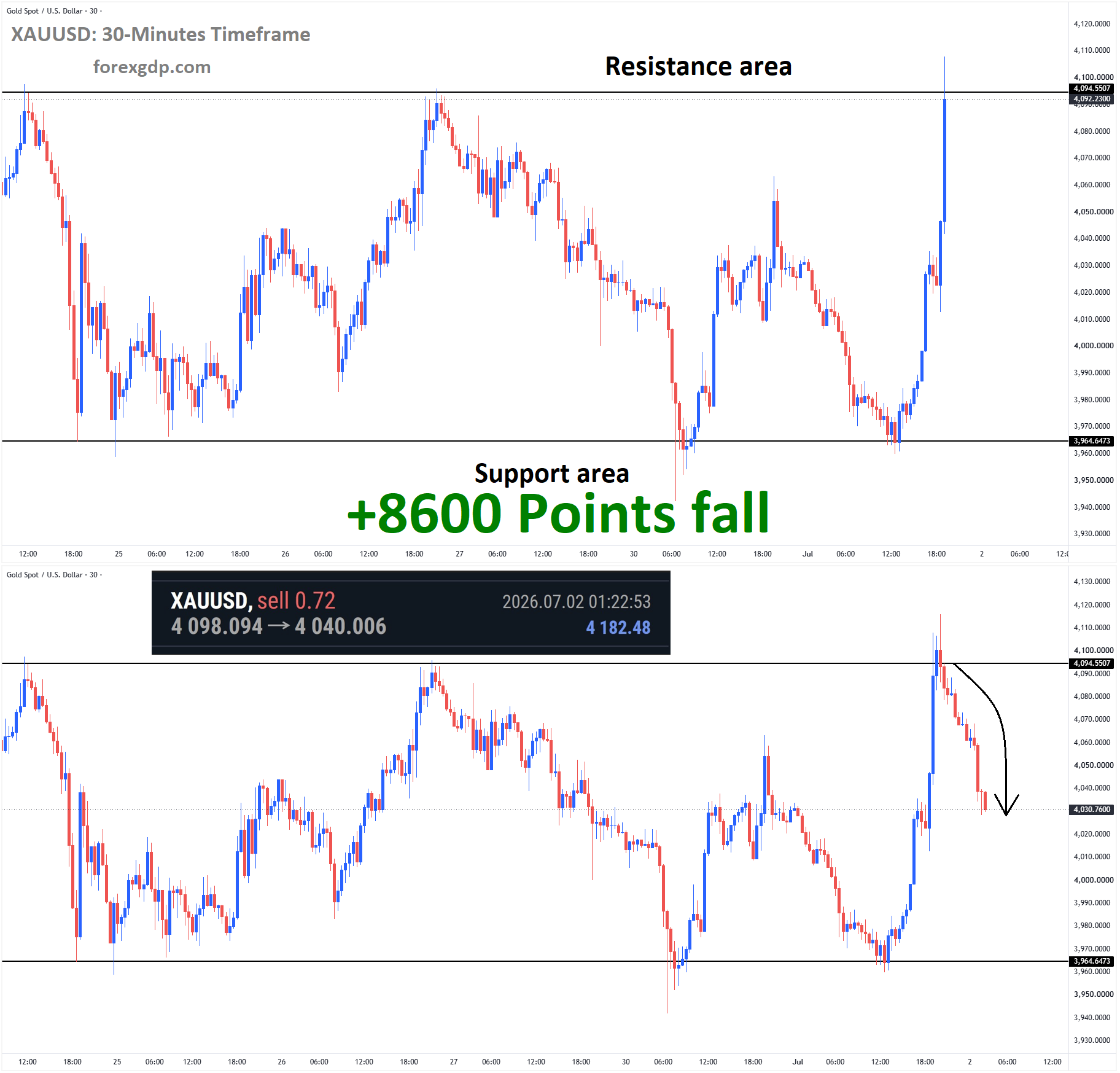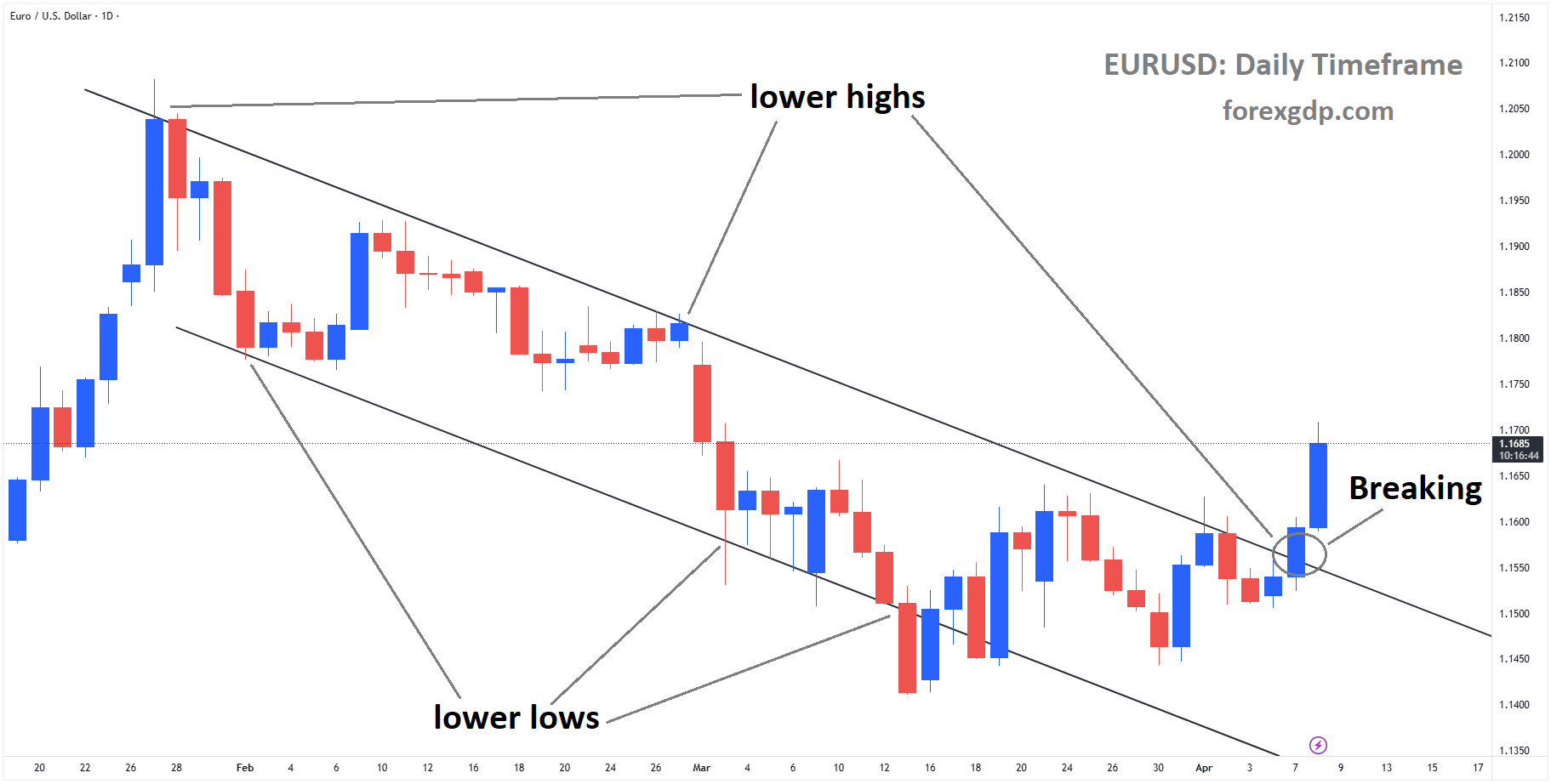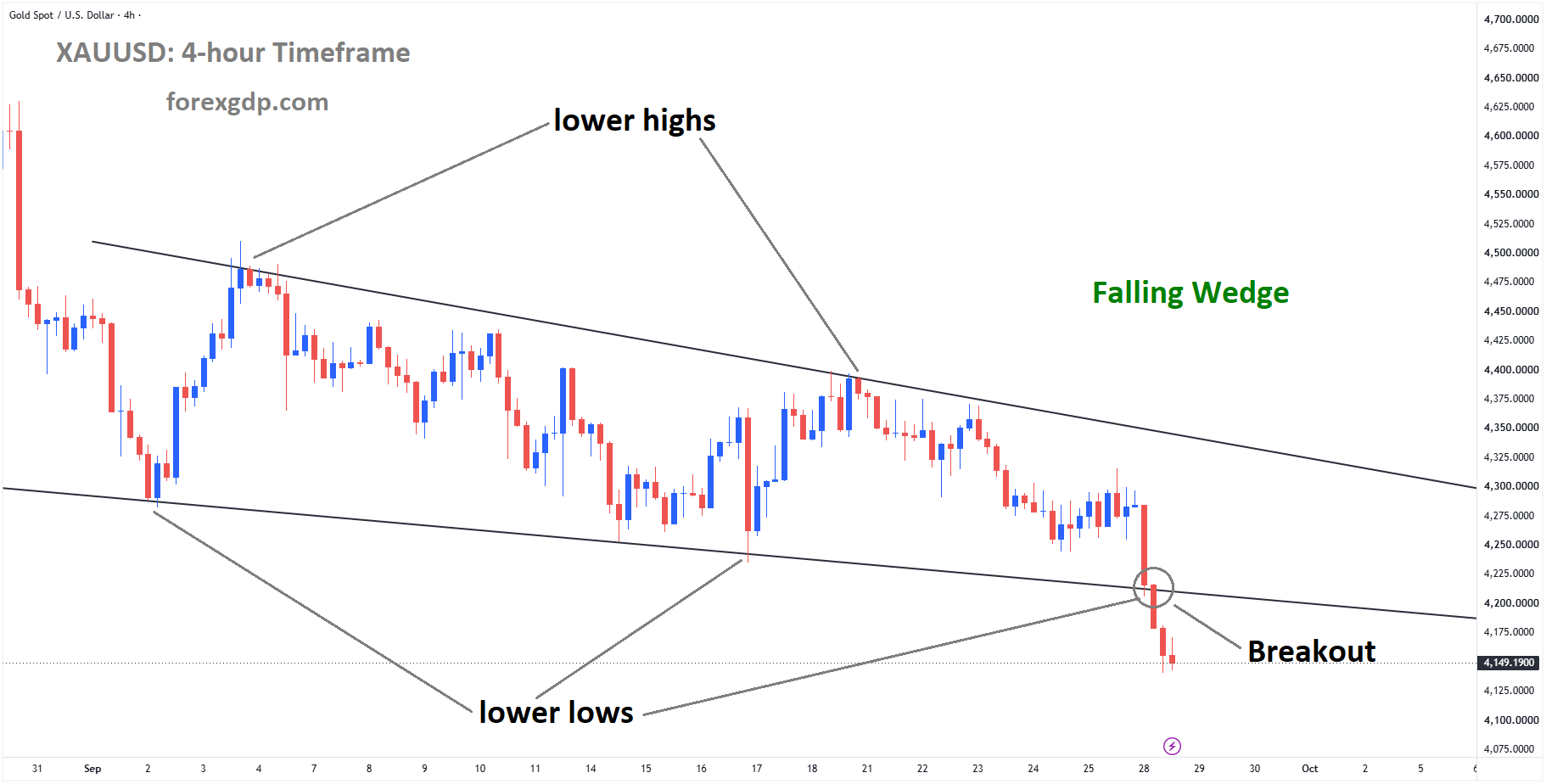

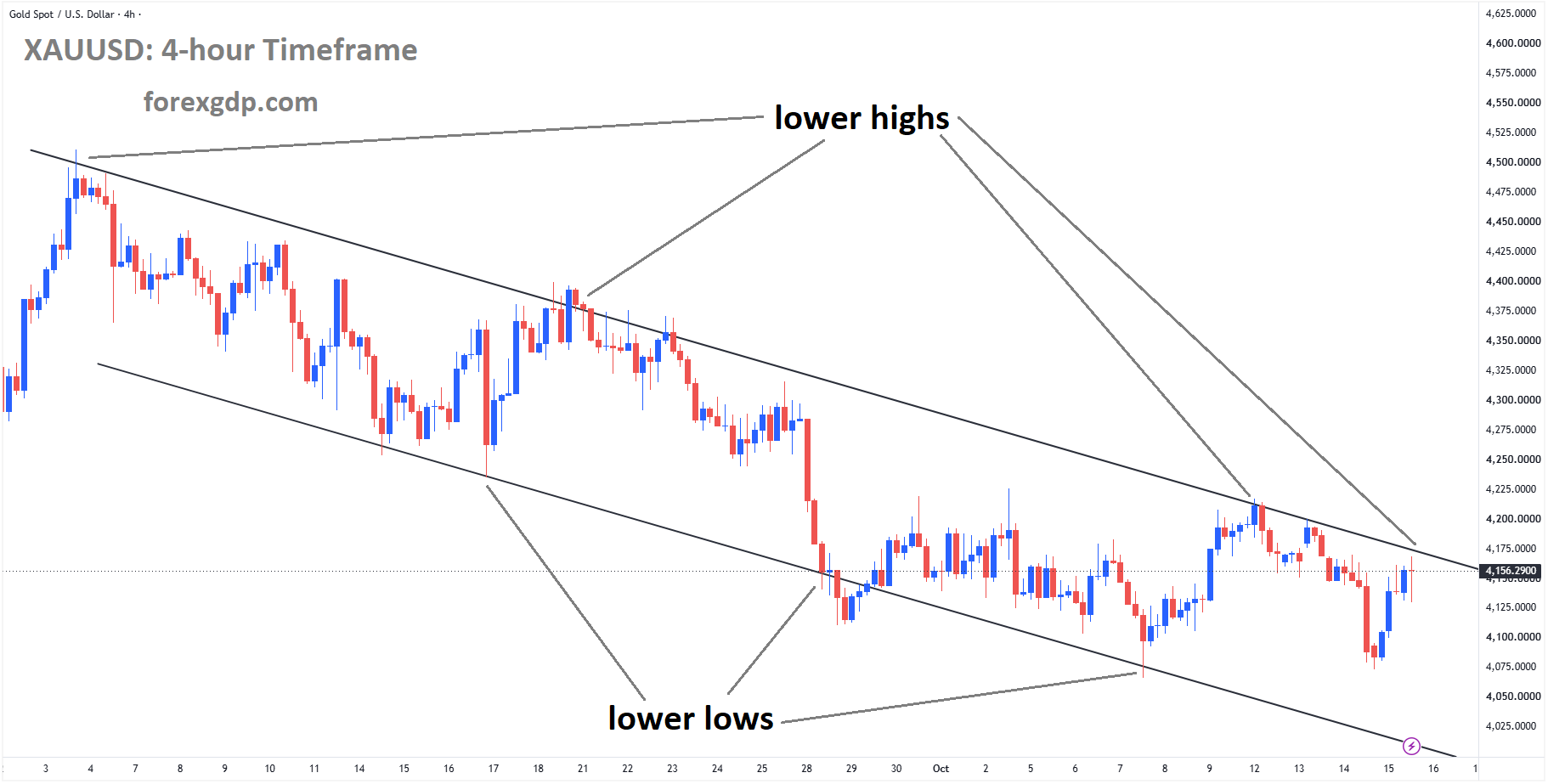
XAUUSD reached the lower high area of the descending channel
Gold attracted renewed buying interest as weakness in global stock markets encouraged investors to seek greater security. Concerns about heavy spending on artificial intelligence weighed on market sentiment, pushing some investors toward precious metals and US government bonds.
The shift helped gold recover even as recent US economic reports pointed to continued inflation pressure and resilient consumer demand. For the moment, investors appeared more focused on protecting their portfolios than on the possibility of tighter monetary policy.
Falling US Treasury yields and a softer US Dollar added to gold’s appeal. These two developments gave buyers room to return after a difficult period for the precious metal.
However, the recovery faces an important challenge. Expectations that the Federal Reserve could raise interest rates again remain a potential obstacle, especially if inflation continues to surprise on the upside.
AI Investment Concerns Weigh on Global Stocks
Growing uncertainty around artificial intelligence investments contributed to the cautious mood across equity markets. Investors have committed substantial money to businesses expected to benefit from AI, but questions remain about when that spending will produce reliable profits.
Large investments can support future growth, yet they also create pressure on companies to deliver results. When confidence in those returns weakens, investors may reduce their exposure to stocks and move part of their money into assets they consider more defensive.
Gold benefited from this change in appetite. Its appeal often increases during periods when investors become uncomfortable with corporate valuations, economic uncertainty, or sudden market swings.
The latest buying interest reflected that search for stability. Rather than concentrating only on economic growth and company earnings, investors were also considering how to protect wealth if market conditions deteriorated.
Still, defensive demand can change quickly. An improvement in stock market sentiment could reduce some of the urgency behind gold purchases.
Lower Treasury Yields Improve Gold’s Appeal

The move into US government bonds pushed Treasury yields lower, providing another source of support for gold.
Gold does not pay interest. When bonds offer higher returns, investors have a stronger reason to hold those income-producing assets. When yields decline, the income investors give up by owning gold becomes less significant.
That relationship helps explain why gold found buyers despite strong US economic data. Demand for bonds was strong enough to pull yields lower, temporarily easing one of the main pressures facing precious metals.
However, the reason behind the decline matters. A move driven by immediate demand for safety does not necessarily mean investors expect the Federal Reserve to ease monetary policy.
If inflation concerns regain control of the bond market, yields could rise again. That would make the environment less supportive for gold and test the strength of the latest recovery.
A Softer US Dollar Gives Buyers Additional Support
Weakness in the US Dollar also helped gold attract demand. The currency eased after reaching its strongest position of the year, creating a more favourable setting for the metal.
Because gold is priced internationally in dollars, changes in the currency affect buyers elsewhere. A weaker dollar generally makes gold more affordable for investors using other currencies, which can encourage additional purchases.
The combination of lower yields and a softer dollar therefore worked in gold’s favour. Both reduced pressures that had previously made the metal less attractive.
Even so, the dollar’s pullback may face limits. Strong economic activity and expectations of further Fed tightening can continue to support the currency. Gold buyers will need to see whether the latest weakness develops further or fades as attention returns to interest rates.
Strong US Data Keeps Inflation Concerns Alive
Recent US economic reports presented a difficult backdrop for a lasting gold recovery.
Producer inflation increased more than expected, with both headline and core measures showing stronger pressure. Upward revisions to earlier readings also suggested that rising business costs were more persistent than previously estimated.
Producer prices matter because higher costs can eventually reach consumers. Businesses may absorb some increases through smaller profit margins, but continued cost pressure can lead them to charge more for goods and services.
Retail sales also exceeded expectations, pointing to resilient household spending. That strength suggests consumers are still supporting economic activity despite elevated borrowing costs.
Meanwhile, weekly unemployment claims remained low. A steady labour market can help households maintain their spending, giving the economy additional support.
Together, these reports give Federal Reserve officials reasons to remain cautious. They offer limited reassurance that inflation will return to the central bank’s target without further restraint.
Federal Reserve Expectations Remain a Challenge
The possibility of additional interest rate increases remains a central concern for gold investors.
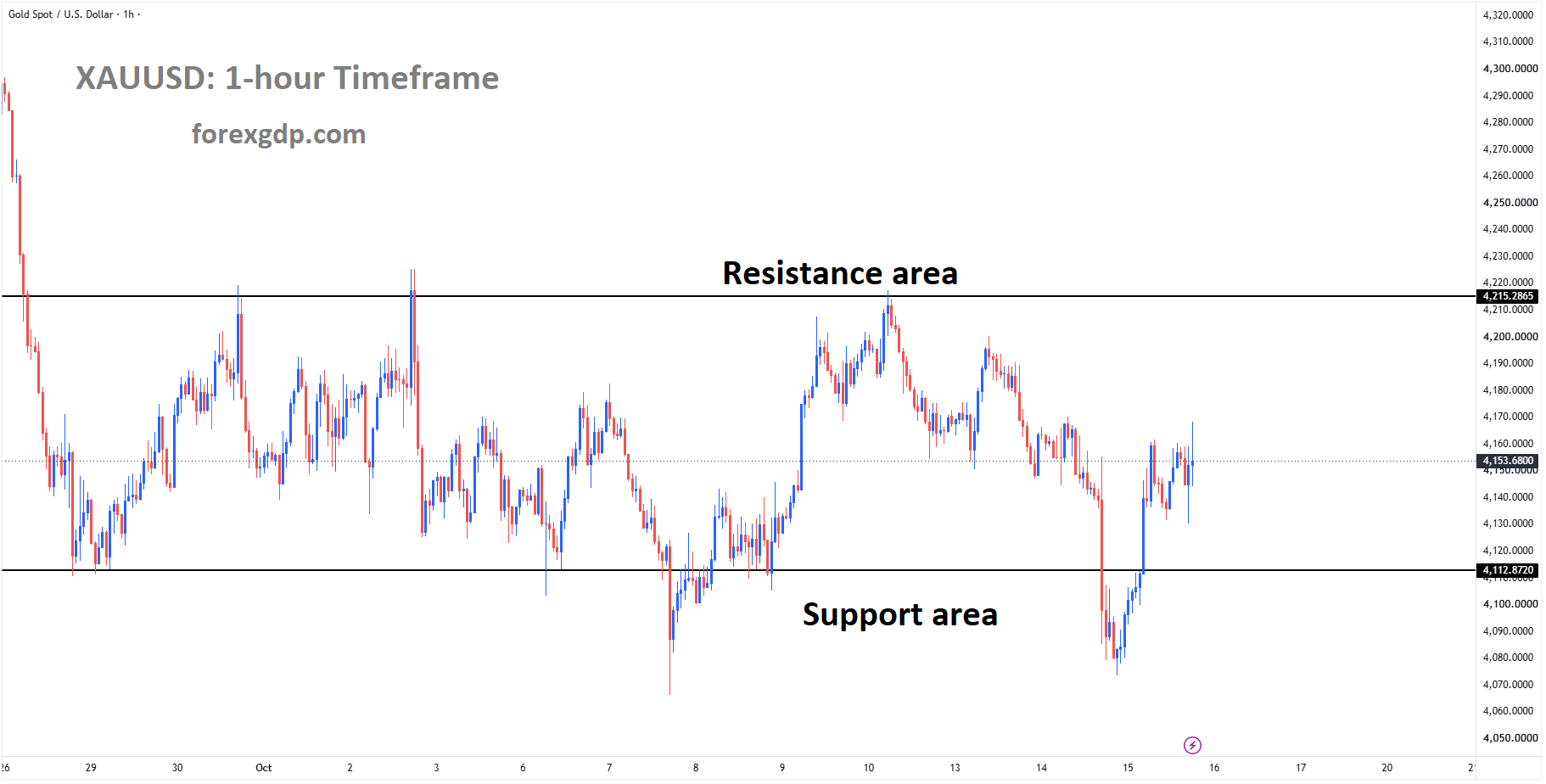
XAUUSD is moving in a box pattern, and the market has rebounded from the support area of the pattern
Stronger inflation can increase interest in gold as a store of value. However, it can also lead the Federal Reserve to keep policy restrictive or raise rates further. Higher borrowing costs and stronger returns on interest-bearing assets can then weigh on gold demand.
Commerzbank analysts highlighted the strength of recent consumer inflation, including the contribution from higher fuel costs. Their assessment reinforced concerns that the inflation problem has not fully eased.
Market expectations reflected some possibility of another rate increase, although a pause at the next meeting remained more likely.
Fed officials have also suggested that the direction of policy and the timing of any move are separate questions. San Francisco Fed President Mary Daly indicated that further increases could be needed while leaving their timing open.
Comments from John Williams and Philip Jefferson similarly suggested that policymakers could take time to assess conditions before acting again. That flexibility leaves investors weighing persistent inflation against the effects of earlier tightening.
Final Summary
Gold’s recovery reflected stronger demand for safety as concerns about AI investment spending unsettled global stocks. Lower Treasury yields and a softer US Dollar helped attract buyers, temporarily outweighing the impact of firm US economic reports.
The broader picture remains mixed. Resilient spending, steady employment, and stronger inflation could keep the Federal Reserve cautious about relaxing policy.
Gold’s next move will depend partly on whether defensive demand continues and whether the decline in yields and the dollar lasts. Buyers have gained some breathing room, but interest rate expectations remain a significant influence on the outlook.