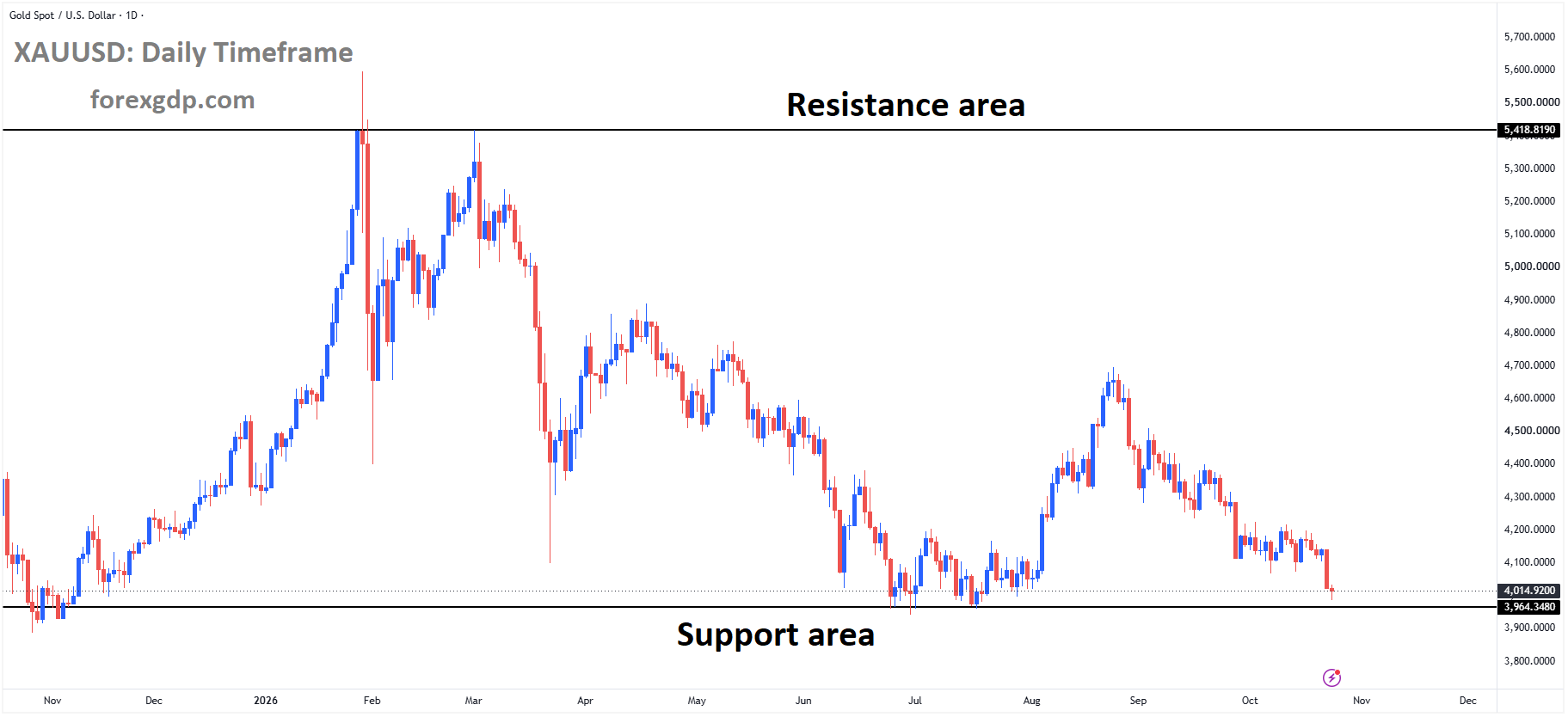
XAUUSD is moving in a box pattern
Gold has regained some ground after falling to a three-month low, but the recovery remains cautious. Buyers appear reluctant to commit while expectations for higher US interest rates and a firmer dollar continue to weigh on demand.
The uncertainty comes from two forces pulling gold in different directions. Escalating tensions in the Middle East are encouraging interest in assets used to protect wealth during unstable periods. At the same time, concerns about energy supplies are keeping inflation risks alive, which could give the Federal Reserve a reason to maintain a restrictive policy.
Attention is now turning toward the next Federal Open Market Committee meeting. Investors will look for a clearer message about borrowing costs, followed by important US growth and inflation reports that could shape expectations for gold.
Gold Buyers Remain Cautious After a Difficult Period
Gold’s modest recovery suggests that some investors see value after its recent decline. However, there is still hesitation about whether the conditions for stronger demand are in place.
One obstacle is the outlook for US interest rates. Gold does not pay interest, so holding it can become less attractive when investors expect better returns from interest-bearing assets. Even when geopolitical uncertainty supports demand, expectations for higher borrowing costs can limit buying enthusiasm.
Recent comments from Federal Reserve officials have suggested that an immediate rate increase may not be necessary. Yet investors remain concerned that another increase could arrive at the December meeting.
That gap between cautious official language and market expectations explains why gold buyers are moving carefully. They need more evidence about inflation and the Fed’s intentions before making larger commitments.
For now, the recovery reflects some renewed interest, but confidence remains fragile.
Energy Supply Concerns Complicate the Inflation Outlook
Developments in the oil market are adding another layer of uncertainty for gold.
Concerns about disruptions to Middle Eastern energy supplies have supported crude oil. The source of that concern is an escalation in fighting between Saudi Arabia and Yemen’s Iran-backed Houthi movement, including reported attacks on airports and energy infrastructure.
Damage or disruption to important energy facilities can affect expectations for oil availability. Even before a lasting shortage develops, the possibility of interruptions can influence business decisions and market sentiment.
Higher energy costs matter because their effects extend well beyond fuel. Transport, manufacturing, agriculture, and distribution all depend on energy. When those costs rise, companies may pass part of the increase on to customers.
This creates a challenge for the Federal Reserve. If energy pressures keep inflation elevated, policymakers may have less room to relax monetary policy.
For gold, the result is mixed. Inflation concerns can encourage people to seek a store of value, but the prospect of a tighter Fed response can reduce the appeal of holding an asset that provides no regular income.
Middle East Tensions Keep Investors Alert
The broader geopolitical situation remains an important part of the gold outlook.
Reported warnings from Iran about possible retaliation against renewed US military action have added to concerns about a wider regional conflict. Reports of potential military planning involving the United States and Israel have also contributed to uncertainty.
Such developments can encourage demand for gold because investors often seek assets that are less directly tied to the financial health of a particular company or government.
However, geopolitical tension does not automatically produce sustained gold buying. Investors also weigh currency movements, borrowing costs, and their need to hold cash.
There is another complication: the same conflict that encourages protective demand for gold can also threaten oil supplies. If that raises inflation concerns and strengthens expectations for higher interest rates, part of gold’s appeal may be offset.
This helps explain why heightened regional uncertainty has not been enough to produce a more confident recovery.
A Firmer US Dollar Adds Another Obstacle
The US dollar has recovered modestly as expectations for restrictive Federal Reserve policy continue to support the currency.
Dollar strength matters for gold because the metal is generally traded internationally in US dollars. When the dollar strengthens, buying gold becomes more expensive for investors using other currencies, which can discourage some purchases.
The dollar can also attract demand during periods of uncertainty. This means that investors seeking protection may choose between holding the US currency and buying gold, depending on their priorities.
Expectations for higher US interest rates can strengthen that competition by making dollar-denominated interest-bearing assets more attractive.
Gold is therefore facing pressure from both the currency itself and the policy expectations behind it. A clearer change in the Fed outlook could influence both forces.
The FOMC Meeting Could Clarify the Policy Direction

The upcoming two-day FOMC meeting is the main event for investors seeking guidance on US monetary policy.
The Fed is expected to leave interest rates unchanged. If that happens, attention will quickly turn to the accompanying statement and the chair’s press conference.
Investors will want to understand how policymakers view recent inflation developments, particularly the risks associated with energy costs. They will also listen for clues about what evidence could justify a December rate increase.
Without updated economic projections, the wording of the statement and answers during the press conference may carry greater weight.
A message emphasizing persistent inflation risks could keep expectations for tighter policy alive. A more measured assessment could give investors reason to reconsider how much further borrowing costs might rise.
Neither outcome depends solely on the decision announced at this meeting. The explanation behind that decision will be central to how markets interpret it.
US Growth and Inflation Reports Will Add Important Evidence
The policy meeting will be followed by the advance US third-quarter GDP report and the Personal Consumption Expenditures Price Index.
GDP will help investors assess the strength of economic activity. Resilient growth could suggest that the economy can withstand restrictive borrowing costs, while weaker growth could raise questions about the impact of keeping policy tight.
The PCE report will provide another important reading on inflation. Investors will examine whether underlying price pressures are easing or remaining stubborn.
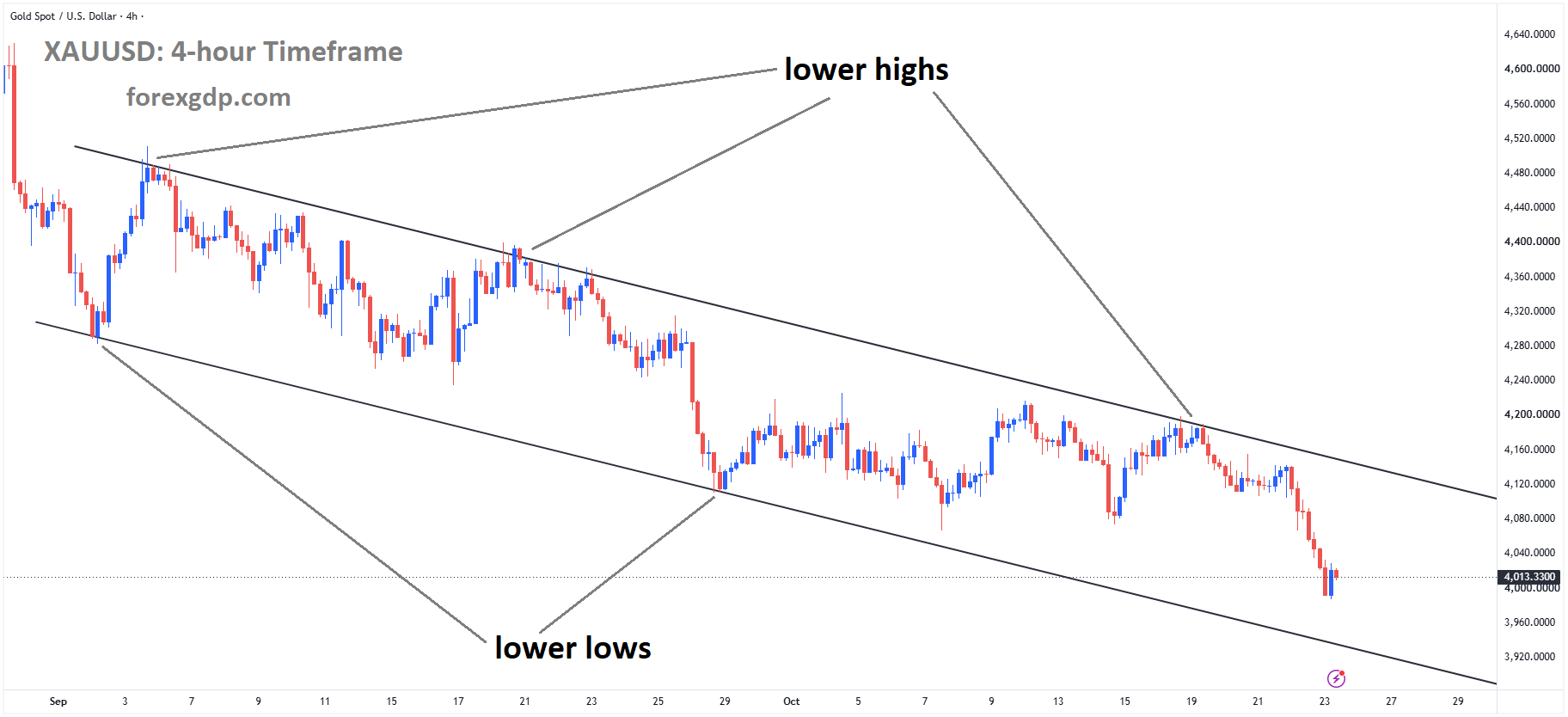
XAUUSD is moving in a descending channel
Together, these releases could reinforce the Fed’s message or challenge the assumptions investors bring into the meeting.
For gold, their importance lies in how they influence expectations for interest rates and the dollar. Clear evidence of easing inflation could reduce some policy concerns, while persistent pressure could prolong uncertainty.
Final Summary
Gold’s recovery remains tentative as interest-rate expectations, a firmer dollar, and energy-related inflation concerns limit buyer confidence. Middle East tensions continue to support protective demand, but their potential effect on oil supplies also complicates the outlook.
The next FOMC meeting, followed by US GDP and PCE inflation data, could provide a clearer direction. Until those events offer stronger evidence about the economy and monetary policy, investors are likely to remain selective about adding to gold holdings.