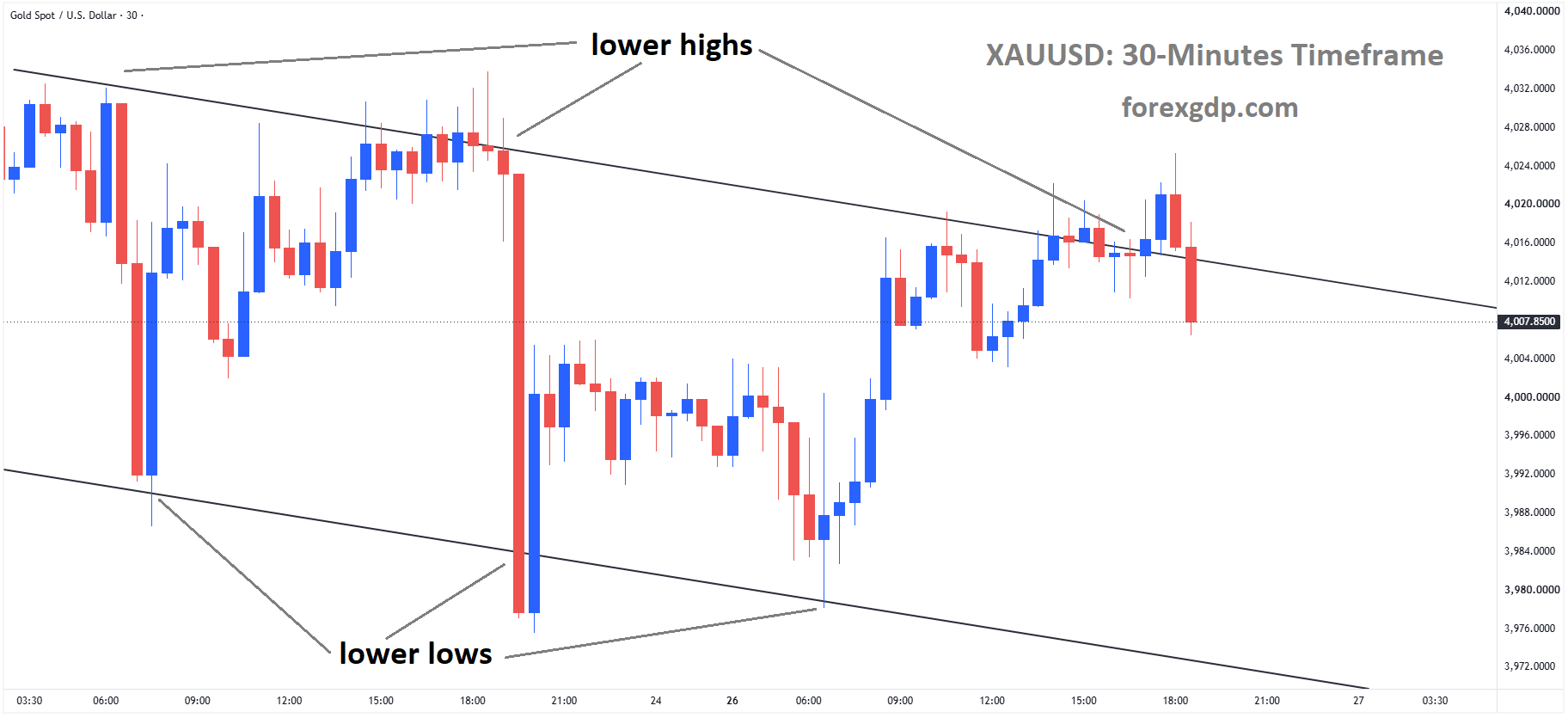
XAUUSD reached the lower high area of the descending channel
Gold is finding fresh buying interest after a difficult week, with diplomatic efforts in the Middle East helping ease pressure from the oil market. The pullback in energy costs has given investors a reason to reconsider the metal after its recent decline.
However, the recovery remains closely tied to expectations for US interest rates. Investors are waiting for the Federal Reserve’s policy announcement on Wednesday, looking for clues about whether officials are comfortable holding borrowing costs steady or remain open to another increase.
For gold, the central question is how policymakers balance inflation concerns against signs of uncertainty across financial markets. Developments in the Middle East add another layer to that decision because energy costs can influence both inflation and investor confidence.
Middle East Diplomacy Offers Gold Some Breathing Room
Fresh diplomatic discussions have raised hopes that regional tensions could ease. According to the supplied Reuters report, officials from Saudi Arabia, Pakistan and Turkey are meeting Iranian leaders in Tehran as part of efforts to address the conflict.
Iranian Foreign Ministry spokesman Esmaeil Baghaei said the discussions would cover several regional issues, including developments involving Israel, Lebanon and the United States.
The meeting follows separate talks between Qatari mediators and Iranian officials. Together, these efforts suggest that several governments are trying to keep communication open and reduce the risk of further escalation.
Financial markets are sensitive to such developments because conflict in the Middle East can threaten energy production and transport. When investors see a greater chance of disruption, oil often becomes more expensive.
Diplomatic progress can ease some of that concern. Even before an agreement is reached, signs of constructive talks may reduce the urgency to prepare for supply shortages.
Still, meetings alone do not guarantee lasting progress. Investors will look for practical results and evidence that the discussions can reduce tensions beyond the negotiating table.
Why Lower Oil Costs Can Help Gold

Gold and oil respond to different forces, but inflation connects the two markets.
Higher energy costs can make transport, manufacturing and everyday services more expensive. Businesses may pass those costs on to customers, making it harder for inflation to slow.
That creates a challenge for the Federal Reserve. If energy inflation spreads through the economy, policymakers may feel pressure to keep interest rates elevated for longer. They could also consider further tightening if they believe price pressures are becoming harder to control.
Gold does not pay interest. When investors expect stronger returns from interest-bearing assets, holding the metal can become less attractive.
This explains why gold can struggle during a period of geopolitical tension, even though investors often view it as a place to seek safety. Concern about inflation and higher borrowing costs may outweigh demand for protection.
A retreat in oil can soften that pressure. It does not settle the inflation debate, but it may reduce one source of concern about the future direction of monetary policy.
Last Week’s Selling Had Several Causes
Gold’s recent weakness reflected more than a change in demand for safety. Investors were also adjusting their expectations for interest rates while dealing with losses elsewhere in financial markets.
Rising oil costs encouraged concern that the Fed might need to take a firmer approach to inflation. That weighed on gold even as a softer US dollar and lower Treasury yields offered some support.
At the same time, uncertainty surrounding investment in artificial intelligence contributed to demand for government bonds. Some investors appeared to prefer assets that offered predictable income while they reassessed the outlook for equities.
A broader share-market sell-off may also have encouraged some traders to sell gold to cover losses or raise cash.
This is an important feature of unsettled markets. An asset can face selling pressure because investors need liquidity, even when its longer-term appeal has not disappeared.
The latest buying interest suggests that some investors see value after the decline. Whether that demand lasts will depend on how the wider economic picture develops.
The Federal Reserve Takes Centre Stage
Wednesday’s Federal Reserve announcement is the next major event for gold investors.
The expectation described in the market outlook is that officials will leave interest rates unchanged. However, the decision itself may carry less weight than the explanation that follows.
Investors want to know whether policymakers believe inflation is moving in the right direction. They will also watch how officials discuss energy costs, financial conditions and the possibility of another rate increase.
A pause does not necessarily mean the Fed has finished tightening. Officials could hold rates steady while making clear that further action remains possible.
That message could limit enthusiasm for gold by keeping attention on the income available from dollar-based assets.
Alternatively, a more cautious assessment of the economy could lead investors to reconsider how much additional tightening is likely. Gold may benefit if expectations for future borrowing costs become less restrictive.
The distinction matters: markets respond to the expected path of policy, rather than simply reacting to one meeting’s outcome.
The Dollar and Bond Yields Remain Important
The US dollar and Treasury yields will also influence whether gold’s recovery continues.
Gold is generally traded in dollars. A stronger dollar makes it more expensive for buyers using other currencies, which can reduce demand. A weaker dollar can improve affordability for those buyers.
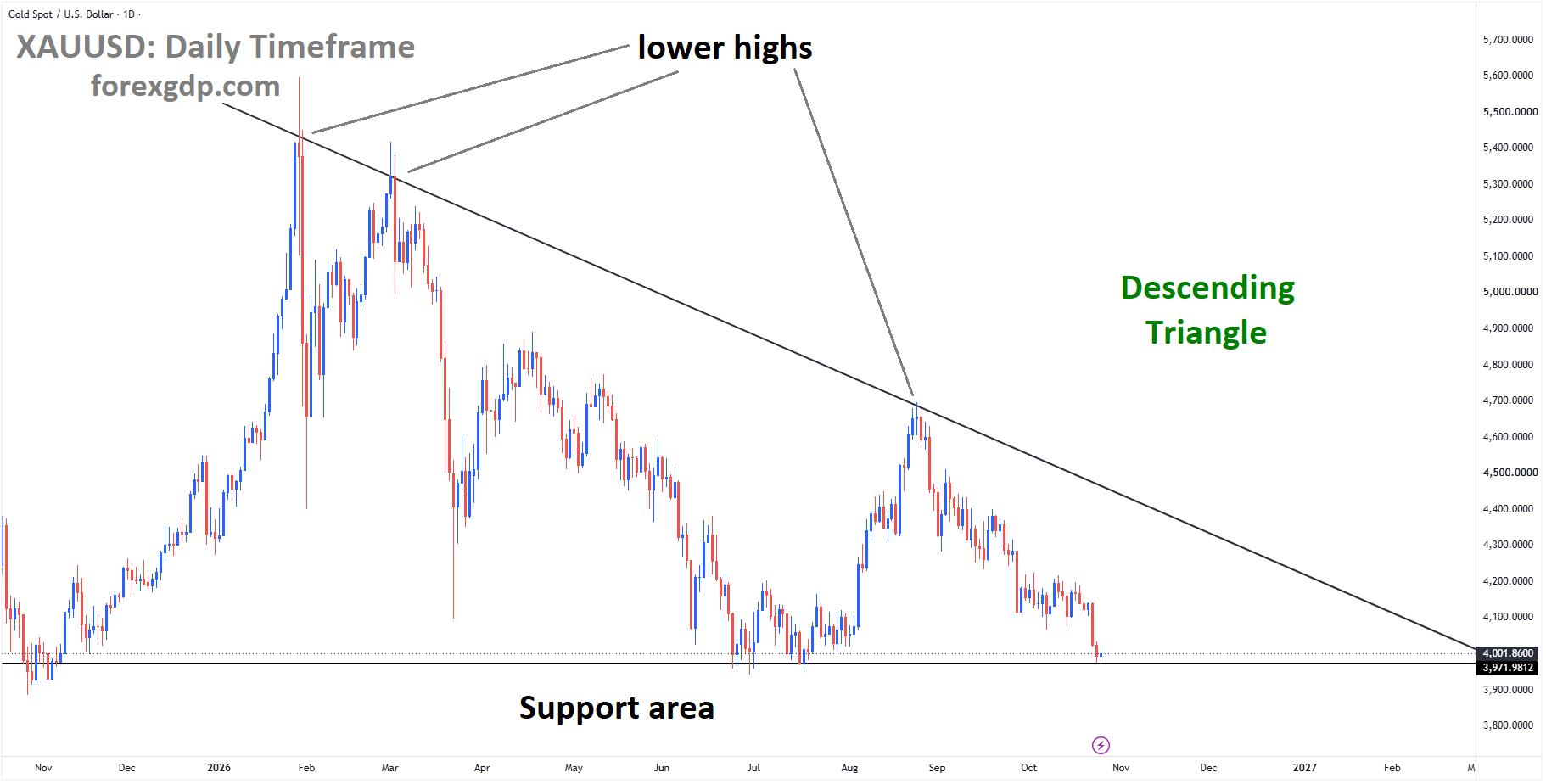
XAUUSD reached the support area of the descending triangle pattern
Treasury yields affect the choice between holding gold and owning assets that generate income. Higher yields can draw money toward bonds, while lower yields may improve gold’s relative appeal.
At the start of the week, the pause in the decline of the dollar and Treasury yields has limited some of gold’s support.
Their next moves will likely depend heavily on the Fed’s communication. Investors will assess whether the policy message changes the outlook for inflation, economic growth and borrowing costs.
Final Summary
Gold has gained some breathing room as Middle East diplomatic efforts help ease oil-related inflation concerns. Renewed buying after the recent decline has also supported sentiment.
The Federal Reserve now holds much of the market’s attention. Its comments on inflation and future interest rates could determine whether investors become more comfortable holding gold.
Diplomatic progress, energy costs, the dollar and bond yields will remain closely connected influences. A lasting improvement in gold’s outlook will depend on how these forces develop together over the coming days.