

Forex trading often looks exciting from the outside. Flashing charts, sudden price movements, and stories about overnight profits create an image that feels almost addictive. For many beginners, the market becomes less about strategy and more about chasing emotional highs. That is where the real danger quietly begins.
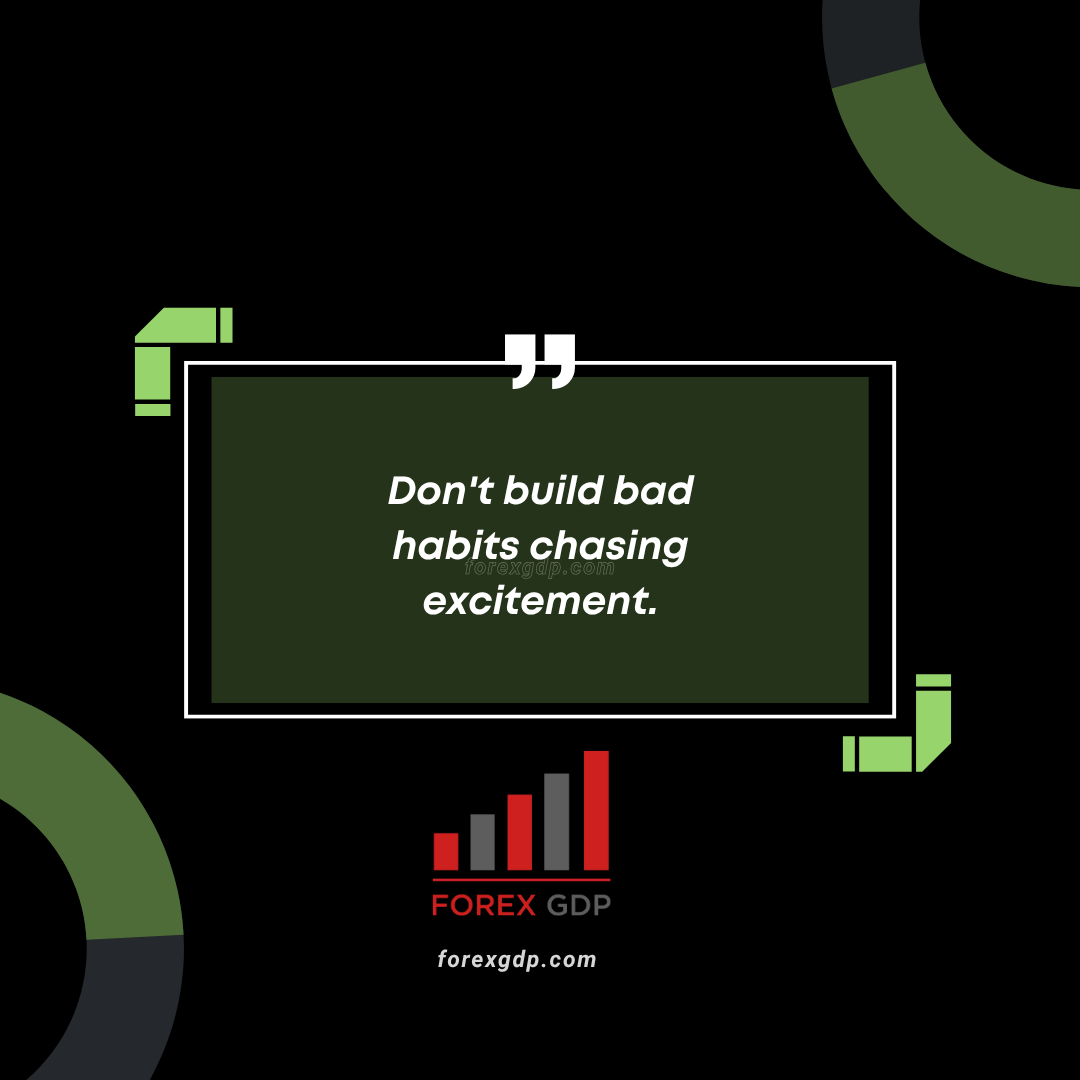
The quote, “Don’t build bad habits chasing excitement,” carries more truth than most traders want to admit. Excitement feels good in the moment, but it can slowly destroy discipline. A trader who constantly searches for adrenaline usually stops thinking clearly. Decisions become emotional instead of logical, and before long, the market turns into a casino.
A lot of traders enter forex with good intentions. They want financial freedom, flexibility, and maybe even a better future for their families. But somewhere along the journey, many get distracted by the thrill of quick wins. Instead of building patience, they start building unhealthy habits that are difficult to break.
The market has a strange way of rewarding reckless behavior temporarily. A trader may take an impulsive trade and win big. That single victory creates a dangerous illusion. Suddenly, risk feels exciting instead of threatening. It becomes easy to believe that emotional trading works better than patience.
Excitement Feels Rewarding at First
The human brain loves stimulation. Fast-moving trades trigger emotions that feel powerful and intense. Winning a trade within minutes can create a rush similar to gambling. That feeling can become addictive before a trader even realizes what is happening.
The problem is not excitement itself. The problem begins when excitement becomes the main reason for trading. A disciplined trader focuses on consistency and long-term growth. An emotional trader focuses on action. The difference between those two mindsets is massive.
Why Fast Wins Create False Confidence
One profitable trade can completely distort a beginner’s thinking. A trader may ignore risk management, overleverage an account, and still make money purely because of luck. Instead of understanding the danger, they interpret the result as skill.
That false confidence spreads quickly. The trader starts increasing lot sizes, entering random trades, and abandoning careful analysis. At first, it may still work. But the forex market eventually punishes carelessness with brutal honesty.
Emotional Trading Becomes a Habit
Habits are built through repetition. Every time a trader acts emotionally and receives a reward, the behavior strengthens. The brain starts associating reckless decisions with pleasure.
Over time, patience begins to feel boring. Waiting for the right setup becomes frustrating. The trader starts forcing trades simply to feel active. This emotional dependency slowly destroys consistency.
The Market Does Not Reward Impatience Forever
The forex market can appear forgiving during lucky streaks, but it eventually exposes weak habits. Emotional trading may survive for days or weeks, yet long-term survival demands discipline.
Professional traders understand something beginners often ignore. Trading is not entertainment. It is a business. A business built on excitement instead of structure rarely survives for long.
Losses Hit Harder When Emotions Lead
A trader who chases excitement often experiences deeper emotional pain during losses. Because decisions are impulsive, every losing trade feels personal. Frustration grows quickly.
That frustration leads to revenge trading. The trader tries to recover losses immediately instead of stepping back calmly. One bad decision turns into several more. Suddenly, a manageable loss becomes a devastating collapse.
The Addiction to Action Never Ends Well
Some traders feel uncomfortable when they are not in a trade. Silence feels empty. They constantly search for movement because they confuse activity with productivity.
The market punishes this mindset harshly. Many profitable opportunities require patience. A trader obsessed with action often enters low-quality setups simply because waiting feels emotionally difficult.
How Bad Forex Habits Quietly Destroy Traders

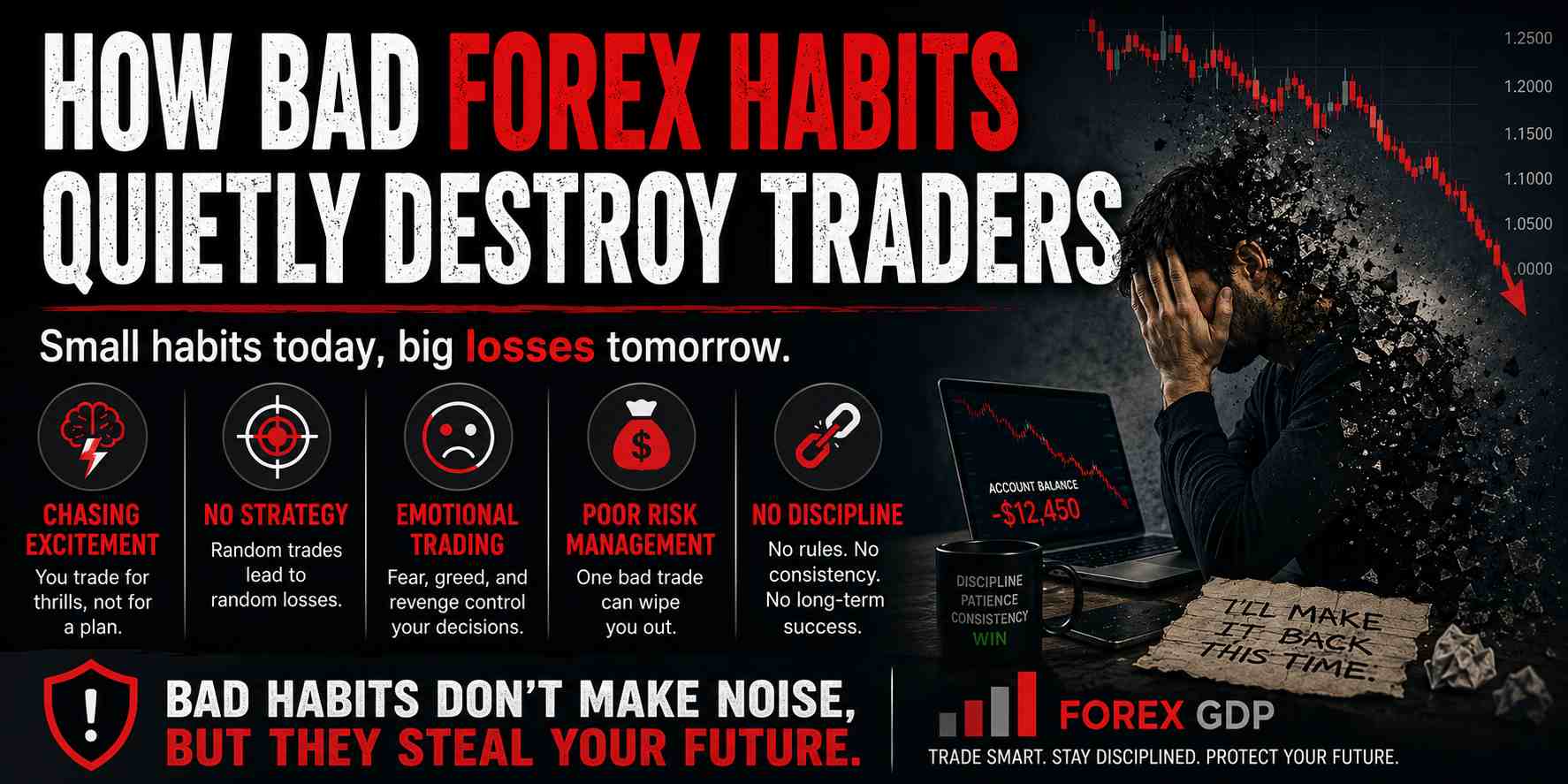
Bad habits in forex rarely arrive loudly. They develop slowly and quietly, almost like rust spreading beneath a shiny surface. At first, everything appears fine. The account survives. Some trades even generate profits. But unhealthy patterns continue growing underneath.
A trader may begin ignoring stop losses occasionally. Then that behavior becomes normal. Another trader may risk too much during emotional moments. After repeating the behavior enough times, it starts feeling acceptable.
The scary part is how invisible these habits can become. Traders often believe their biggest problem is strategy, but the real issue is usually behavior. Poor habits destroy good systems far more often than weak strategies destroy disciplined traders.
Overtrading Slowly Drains the Mind
Overtrading is one of the most common bad habits in forex. Many traders believe more trades mean more opportunities. In reality, excessive trading usually reflects emotional instability.
Every trade requires focus, energy, and emotional control. Constantly entering positions creates mental exhaustion. A tired mind makes poor decisions, especially in volatile markets.
The Fear of Missing Out Creates Chaos
The fear of missing out pushes traders into terrible situations. They see price moving quickly and panic because they feel left behind. Instead of waiting for confirmation, they jump into trades emotionally.
This behavior often leads to buying near tops or selling near bottoms. The trader becomes reactive instead of strategic. Markets move fast, but emotional decisions move even faster toward disaster.
More Trades Do Not Mean More Success
Many beginners think successful traders spend all day clicking buy and sell buttons. The reality is often the opposite. Experienced traders know when not to trade.
Sometimes the best decision is doing absolutely nothing. That idea sounds boring, especially to emotional traders. But patience is often more profitable than constant activity.
Ignoring Risk Management Feels Exciting Until It Hurts
Risk management rarely feels thrilling. It feels slow, cautious, and sometimes frustrating. Yet it is the foundation of long-term survival.
Traders chasing excitement often ignore risk because they crave larger rewards. Small gains feel insignificant to them. They want dramatic wins that create emotional satisfaction.
Large Risks Create Emotional Pressure
When too much money is placed on a single trade, emotions become overwhelming. Every candle movement suddenly feels personal. Fear and greed take control.
Under emotional pressure, logical thinking disappears. Traders close positions too early, move stop losses irrationally, or hold losing trades for far too long. High risk magnifies emotional instability.
One Reckless Trade Can Erase Months of Progress
The forex market does not care about previous success. One impulsive trade can destroy weeks or even months of disciplined growth.
This reality feels cruel, but it teaches an important lesson. Consistency matters more than excitement. A trader who protects capital survives long enough to grow. A reckless trader eventually disappears.
Social Media Makes Bad Habits Worse


Modern trading culture often glorifies excitement. Social media platforms are full of screenshots showing massive profits, luxury lifestyles, and unrealistic promises.
Many traders begin comparing themselves to these images. They feel pressure to make fast money instead of building sustainable habits. The result is emotional decision-making fueled by insecurity.
Unrealistic Expectations Destroy Patience
A trader expecting instant wealth becomes frustrated very quickly. Small, steady profits suddenly feel disappointing because social media creates distorted expectations.
That frustration pushes traders toward riskier behavior. They abandon patience because they believe slow growth means failure. In reality, slow growth is often the healthiest path.
Trading Influencers Often Sell Excitement
Many online personalities market trading like a high-speed adventure. Fast cars, expensive watches, and dramatic wins dominate the conversation.
Very few people show the quiet side of trading. They rarely talk about emotional control, waiting patiently, or accepting losses calmly. Yet those boring skills are often what separate survivors from failures.
Building Discipline Instead of Emotional Dependency
Discipline is not glamorous. It does not create viral screenshots or dramatic stories. Yet disciplined traders usually outlast emotional traders by a huge margin.
Building discipline in forex feels similar to building physical fitness. Results rarely appear overnight. It requires repetition, patience, and uncomfortable honesty. The process can feel slow, but the long-term rewards are powerful.
The strongest traders are not necessarily the smartest. They are often the most emotionally stable. They understand that survival matters more than excitement.
Patience Changes Everything
Patience feels painfully difficult in modern trading culture. Most people want immediate results. Waiting calmly for the right opportunity feels almost unnatural.
But patience creates clarity. A trader who waits carefully sees the market differently. Decisions become calmer and more intentional.
Quality Trades Matter More Than Quantity
One high-quality trade can outperform ten emotional trades. Disciplined traders understand this deeply.
They focus on probability instead of constant action. They accept that not every market condition deserves participation. That mindset protects both capital and mental energy.
Waiting Reduces Emotional Mistakes
Many trading mistakes happen because people react too quickly. Fear pushes traders into exits. Greed pushes them into reckless entries.
Patience interrupts emotional reactions. It creates space for logical thinking. A calm trader sees opportunities more clearly than a frantic one.
Healthy Routines Build Stronger Traders


Trading performance is heavily connected to lifestyle habits. A chaotic daily routine often creates chaotic trading behavior.
Sleep deprivation, stress, and emotional instability affect decision-making more than many traders realize. The market magnifies weaknesses quickly.
Journaling Reveals Hidden Patterns
Keeping a trading journal may sound simple, but it can completely change a trader’s self-awareness.
A journal exposes emotional habits that often go unnoticed. Patterns become visible over time. A trader may realize that impulsive trades happen mostly during stress, frustration, or boredom.
Breaks Protect Mental Clarity
Many traders stare at charts for endless hours believing more screen time guarantees better results. In reality, exhaustion usually damages performance.
Taking breaks refreshes the mind. Clear thinking becomes easier when the brain is not overloaded with stress and noise. Sometimes stepping away from the screen is the smartest trading decision possible.
Accepting Boredom Is Part of Success
This idea frustrates many beginners. They expect trading to feel exciting every day. But profitable trading is often repetitive and quiet.
Boredom is not always a bad sign. Sometimes it means a trader is finally operating with discipline instead of emotional chaos.
Professional Trading Often Looks Simple
Experienced traders usually follow structured routines. They wait for setups, execute calmly, and manage risk carefully.
From the outside, this process can appear almost dull. There are no dramatic emotional swings or desperate decisions. Yet that calm approach is often what produces consistent results.
Emotional Calm Creates Better Decisions
A trader constantly searching for excitement usually experiences emotional exhaustion. Anxiety, frustration, and impulsive thinking become normal.
Calm traders think more clearly under pressure. They do not need constant stimulation to feel productive. Their confidence comes from discipline rather than emotional highs.
The Emotional Cost of Chasing Constant Excitement
Forex trading affects more than just money. Emotional instability inside the market often spills into daily life. Stress follows traders home. Anxiety interrupts sleep. Relationships can even suffer.
Many traders underestimate the emotional weight of bad habits. They think the biggest risk is financial loss, but mental exhaustion can become equally damaging.
A trader trapped in emotional cycles often feels drained and frustrated. The market becomes emotionally consuming instead of intellectually challenging.
Stress Builds Quietly Over Time
Stress rarely arrives all at once. It accumulates slowly through repeated emotional decisions.
A trader who constantly chases excitement lives in a state of emotional tension. Every trade feels urgent. Every loss feels catastrophic.
Anxiety Makes Decision-Making Worse

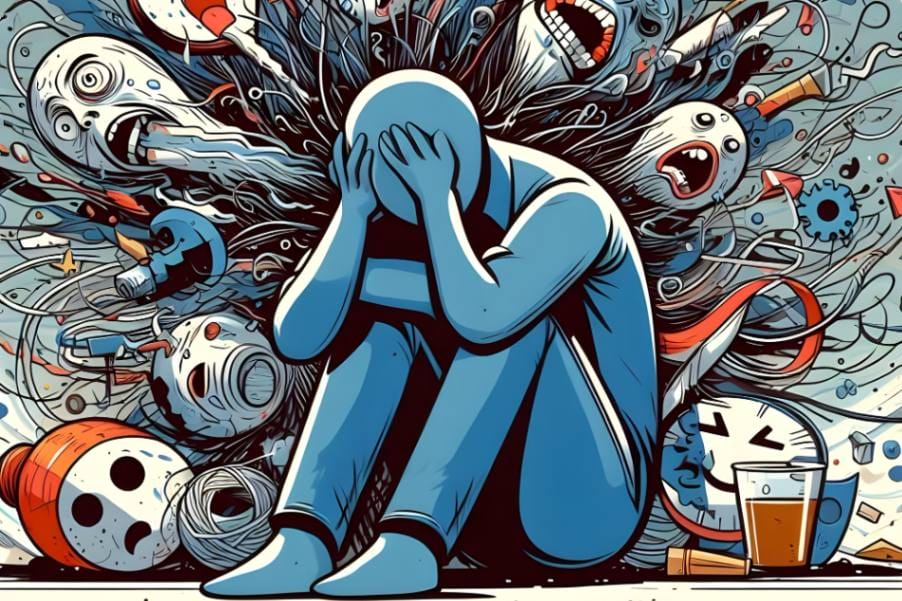
An anxious trader struggles to think objectively. Fear distorts perception.
Small market movements suddenly feel enormous. The trader begins reacting emotionally instead of following a clear plan. Anxiety creates confusion, and confusion creates mistakes.
Emotional Burnout Can Destroy Motivation
Many traders eventually experience burnout after months of emotional trading. The excitement that once felt addictive becomes exhausting.
Charts start creating frustration instead of curiosity. Motivation disappears because the mind becomes overwhelmed by stress and disappointment.
Trading Should Support Life, Not Control It
A healthy trader understands balance. Forex should not consume every thought or emotion.
When excitement becomes an addiction, the market starts controlling emotional well-being. That relationship becomes unhealthy very quickly.
Obsession Creates Isolation
Some traders become so emotionally attached to the market that they isolate themselves from friends, hobbies, and normal life experiences.
The irony is painful. They entered trading searching for freedom, but emotional dependency trapped them instead.
Emotional Stability Matters More Than Ego
Many reckless decisions come from ego rather than logic. Traders want to prove themselves right. They want validation.
But the market does not reward ego consistently. Emotional stability matters far more than pride. Humility keeps traders adaptable and realistic.
Choosing Consistency Over Adrenaline
The forex market will always tempt traders with excitement. Fast profits, dramatic price swings, and emotional highs will never disappear completely.
But successful traders eventually realize something important. Sustainable growth rarely feels thrilling every day. Real progress often looks quiet, patient, and disciplined.
A trader chasing adrenaline behaves like someone sprinting through a marathon. The energy feels powerful at first, but exhaustion eventually arrives.
Long-Term Traders Think Differently
Long-term survival requires a completely different mindset from emotional gambling.
Experienced traders care less about individual trades and more about consistent execution. They understand that losses are part of the process rather than personal failures.
Discipline Creates Freedom
Ironically, structure creates more freedom than emotional trading ever could.
A disciplined trader experiences less stress, less panic, and fewer emotional breakdowns. Confidence grows naturally because decisions are based on logic instead of impulse.
Small Improvements Matter Tremendously
Many traders search for massive breakthroughs while ignoring small behavioral improvements.
But consistent growth often comes from tiny adjustments repeated daily. Better patience, calmer reactions, and healthier routines eventually create dramatic long-term change.
Success in Forex Is Usually Quiet


Movies and social media often portray success as loud and dramatic. Real trading success usually looks much quieter.
Profitable traders often appear calm because they are not emotionally fighting the market every day. They trust their process.
Confidence Comes From Preparation
True confidence is not reckless. It does not need constant excitement.
Prepared traders understand their strategy, risk limits, and emotional tendencies. That preparation creates stability during uncertain market conditions.
The Market Rewards Emotional Control
At its core, forex trading is not only about charts and indicators. It is deeply connected to psychology.
The market consistently exposes emotional weakness. Traders who chase excitement often sabotage themselves. Traders who master emotional control give themselves a far stronger chance of surviving and growing.
Final Thoughts
The quote in the image carries a harsh but valuable reminder. “Don’t build bad habits chasing excitement” applies perfectly to forex trading because the market constantly tests emotional discipline.
Excitement can feel seductive. Quick wins create adrenaline, and emotional trading may even work temporarily. But temporary thrills often create long-term damage. Reckless habits slowly erode discipline, patience, and emotional stability.
The traders who survive are usually not the loudest or most dramatic. They are the ones willing to embrace patience, structure, and emotional control. They understand that consistency matters more than excitement.
Forex trading should never become an emotional roller coaster. It should become a process built on clarity, discipline, and healthy habits. The market will always offer temptation, but real success belongs to traders who refuse to let excitement control their decisions.
FAQs
1.Why do traders become addicted to excitement in forex?
Forex trading creates fast emotional reactions because money is involved and prices move constantly. Winning quick trades can trigger feelings of excitement that become psychologically addictive over time.
2.Can emotional trading ever be profitable?
Emotional trading may produce short-term wins, but it usually becomes inconsistent over time. Without discipline and risk management, emotional decisions eventually create serious losses.
3.Why is patience so important in forex trading?
Patience helps traders wait for high-quality opportunities instead of forcing random trades. It also reduces emotional mistakes caused by fear, greed, and impulsive thinking.
4.How can traders avoid building bad habits?
Healthy routines, risk management, journaling, and emotional awareness all help prevent destructive trading behavior. Consistency and self-control are more important than constant action.
5.Is forex trading supposed to feel exciting every day?
Not really. Professional trading is often calm and repetitive. Many successful traders accept boredom because disciplined execution usually matters more than emotional excitement.