

Forex trading often gets labeled as a modern-day phenomenon — something that popped up recently thanks to social media, mobile apps, and flashy influencers promising overnight riches. But that’s one of the biggest misconceptions about the market. The truth? Forex trading has deep historical roots that stretch back more than a century. What we see today is simply an evolved version of a financial system that’s been around for decades.

Let’s dig into why so many people still believe this myth, how the forex market actually began, and what makes it one of the oldest yet most dynamic markets in the world today.
Understanding the Myth: Why People Think Forex Is New
Many newcomers to trading stumble upon forex through online ads, YouTube tutorials, or Telegram groups. It feels new because of how modern technology packages it — instant access, user-friendly apps, and global participation. But this shiny surface hides a market that’s been running long before the internet was even imagined.
Forex might look trendy now, but its essence — exchanging one currency for another — is as old as civilization itself. The difference is that back then, it wasn’t called forex trading; it was simply international trade.
The Influence of the Digital Era
When brokers introduced mobile trading platforms, forex suddenly became accessible to anyone with a smartphone. People started equating accessibility with novelty. It’s easy to think, “Oh, this must be something new!” when, in reality, technology only made it more convenient — not more recent.
Social media hype also played a role. Influencers turned forex into a buzzword, making it look like a futuristic trend instead of a time-tested financial system.
The Historical Roots of Forex Trading
The forex market as we know it today started forming after World War II, but its foundation was laid long before that. Currencies have always been exchanged — from ancient merchants bartering across borders to governments establishing fixed exchange systems.
The Birth of Modern Forex: Bretton Woods Agreement
Let’s go back to 1944. The world was recovering from the devastation of war, and nations needed a stable financial structure. The Bretton Woods Agreement was created, pegging major currencies to the U.S. dollar, which was backed by gold. This system gave birth to modern currency exchange — the foundation of forex.
Once the gold standard collapsed in the early 1970s, currencies started to “float,” meaning their value was determined by market supply and demand. That’s when forex trading became the free-flowing, decentralized market we know today.
How the Market Evolved Over Time
Before digital trading platforms, forex was the playground of banks, corporations, and governments. Transactions were executed via phone calls, telex, and early computer systems. Retail traders didn’t have access until the late 1990s, when the internet democratized finance. That’s when forex shifted from closed rooms to open screens.
Forex Trading Before the Internet Era
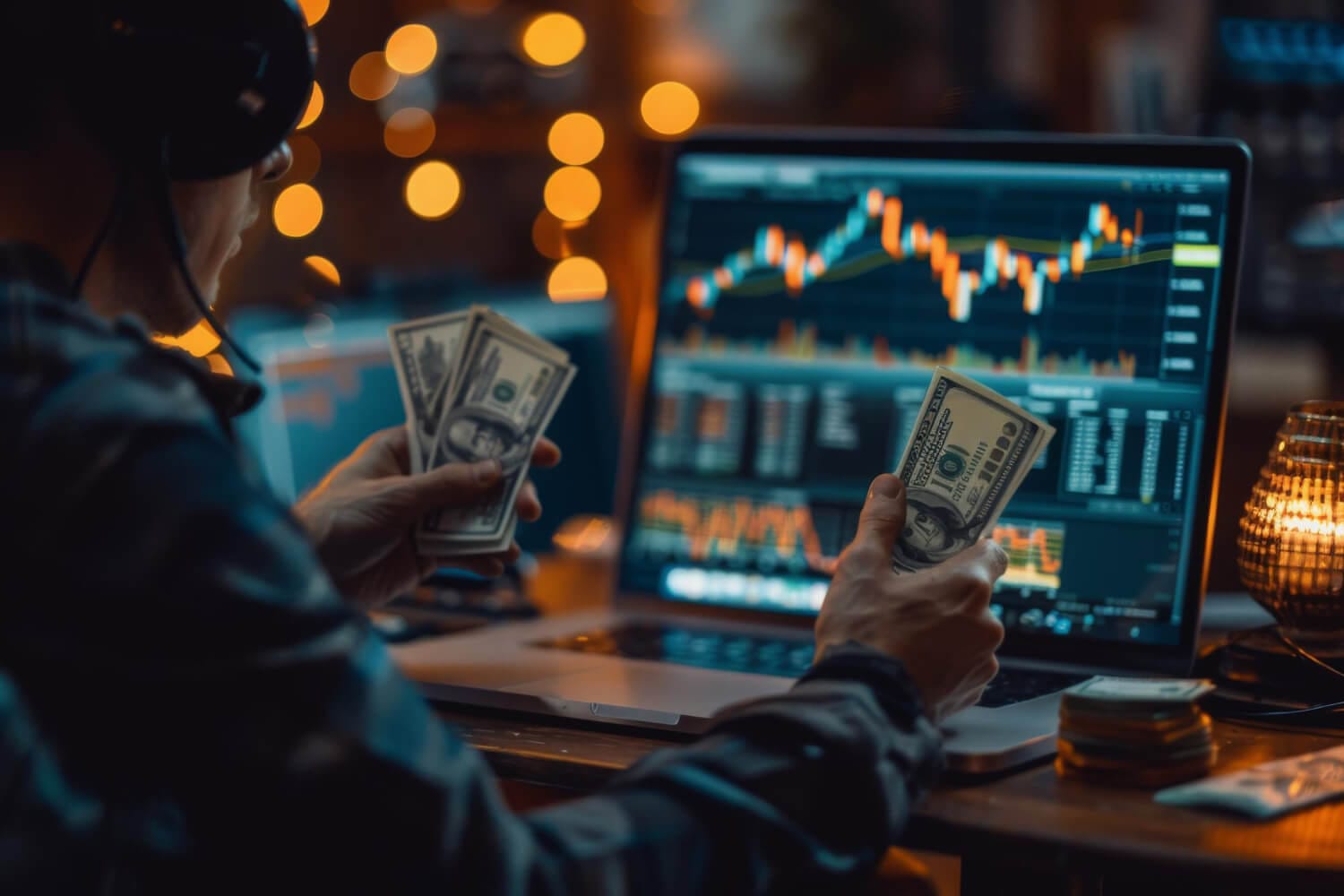
It’s easy to think of forex as an internet-born phenomenon, but let’s not forget — massive currency trades existed even when computers filled entire rooms.
The Role of Banks and Institutions
In the 1970s and 80s, major banks like Citibank, Barclays, and Deutsche Bank dominated currency trading. They facilitated global trade settlements and handled currency conversions for corporations and governments. Forex was alive and thriving; it just wasn’t in the public eye yet.
The Pre-Digital Trading Scene
Trading wasn’t glamorous back then. Traders relied on landline phones, price tickers, and manual charts. Yet, the profit potential was the same — if not greater — due to less competition and fewer retail participants. The market was less noisy but equally active.
Technology: The Catalyst That Changed Everything
When technology entered the scene, forex transitioned from being a professional-only market to an open battlefield where anyone could participate. That’s where the myth of “newness” truly began.
Online Platforms and Global Participation
In the 1990s, online trading platforms allowed individuals to buy and sell currencies from home. By the 2000s, retail brokers began offering leverage, small deposit accounts, and real-time charting — suddenly, forex became mainstream.
Platforms like MetaTrader revolutionized the way people viewed trading. What used to require millions in capital and institutional backing now needed just a few hundred dollars and a laptop. This accessibility made forex feel like a modern invention, but it was merely a reinvention of an existing system.
Mobile Apps and the Rise of the “Trader Lifestyle”
Once mobile apps entered the scene, trading became portable. People could trade anywhere, anytime — even during lunch breaks. This freedom rebranded forex as something youthful and trendy. Unfortunately, it also gave birth to unrealistic expectations and social media-fueled myths about instant wealth.
Why People Believe Forex Is a “Trend”
If something looks exciting, flashy, and profitable, people assume it must be new. The rise of forex gurus and lifestyle marketers pushed this idea further.
Social Media’s Role in Spreading the Myth
Instagram and TikTok are flooded with “forex traders” showing luxury cars, vacations, and fake profits. These posts often tag forex as a trend, lumping it in with temporary internet fads. But while those influencers come and go, the forex market remains — steady and global.
The myth thrives because social media sells an illusion of quick success, not the actual depth of financial markets.
Lack of Historical Awareness
Most beginners don’t research the history behind forex. They see it as an extension of cryptocurrency trading or stock trading apps. The truth is, forex existed long before crypto — in fact, crypto relies on forex principles when converting tokens into fiat currencies.
The Global Nature of Forex Makes It Timeless
Forex isn’t just a marketplace; it’s the backbone of international finance. Every cross-border business deal, every tourist exchanging currency, and every central bank decision contributes to forex activity.
The World’s Largest Market
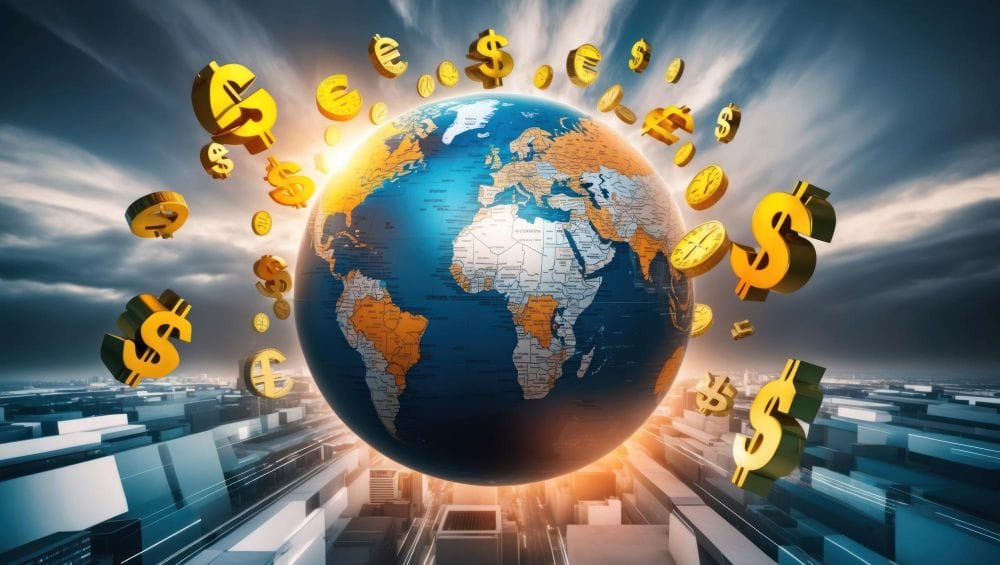
The daily forex trading volume exceeds $7 trillion — larger than all stock markets combined. It’s not a passing trend; it’s the lifeblood of the global economy. Every major financial institution participates, making it the most liquid and essential financial system in existence.
A System That Never Sleeps
Unlike stock markets that close after business hours, forex runs 24 hours a day, five days a week. It moves with the sun — from Sydney to Tokyo, London to New York — making it a true global phenomenon that connects economies nonstop.
From Gold to Digital: The Evolution of Currencies
To truly understand forex, we have to understand how currencies themselves evolved. What started as metal coins turned into paper, then into digital entries, and now into purely electronic transactions.
Gold Standard to Fiat Currency
For centuries, currencies were backed by gold. Once nations moved to fiat systems (where value is based on government backing rather than gold), forex trading exploded. Floating exchange rates created volatility — and traders love volatility.
The Rise of Electronic Money
With credit cards, PayPal, and crypto wallets, money became virtual. Forex adapted seamlessly to this transition, proving its resilience. It’s not a trend chasing technology — it’s a market that evolves with technology.
Why Forex Will Never Be Just a Trend
Trends come and go — think meme stocks, NFTs, or get-rich-quick schemes. Forex, on the other hand, has been here for over a century, weathering wars, recessions, and technological revolutions.
Sustainability and Longevity
The reason forex endures is simple: as long as countries have currencies, forex will exist. There’s no expiration date. Even when new forms of digital money emerge, they’ll still need to be exchanged, which means forex isn’t disappearing — it’s adapting.
Dependence on Global Trade
Every nation that imports or exports goods depends on forex. Governments, corporations, and individuals alike need currency conversions to operate. This interdependence makes forex essential, not optional.
The Misleading Promise of “Modern Forex Gurus”
Walk through social media, and you’ll find countless so-called “mentors” who make forex sound like a get-rich trend. Their flashy cars and fake screenshots do more harm than good.
The Real Picture Behind the Glamour
These gurus exploit the illusion of newness to attract attention. They sell courses, mentorships, and “secret” strategies, often targeting beginners who believe forex just appeared yesterday. In reality, true forex mastery requires patience, discipline, and years of study — not overnight luck.
How To Avoid Falling for the Myth
Always question anyone who markets forex as a “new opportunity.” Research its history. Understand its mechanics. Real traders focus on consistency, not trends. Remember, if it sounds too good to be true, it probably is.
Forex and Technology: Partners, Not Rivals
Some believe forex became “new” because of automation, AI, and algorithms. But these tools didn’t create forex — they enhanced it.
Algorithmic and AI Trading

AI-driven systems now handle massive portions of daily forex volume, analyzing market patterns faster than humans ever could. Yet, they still trade within the same fundamental market structure that’s existed for decades.
Human Intuition Still Matters
Despite technology’s progress, human traders remain irreplaceable. Emotions, instincts, and geopolitical insights can’t be fully automated. Forex remains a blend of human psychology and digital precision — a timeless dance between logic and emotion.
The Future of Forex: Evolution, Not Revolution
What’s ahead for forex isn’t a brand-new chapter — it’s an upgrade of an ongoing story. Blockchain, AI, and decentralized finance are reshaping the edges, but the core remains the same: trading one currency for another.
The Integration of Digital Assets
Crypto and forex are slowly merging, giving rise to hybrid trading platforms. This doesn’t erase forex’s past — it strengthens its future. It’s proof that an old system can evolve without losing its identity.
A Market Built for the Long Run
Forex will continue to thrive as long as people, companies, and governments use money. The market may change its face, but its purpose stays constant — global economic exchange.
Debunking the “New Trend” Myth Once and for All
Forex trading isn’t some passing fancy born out of the internet age. It’s the modern representation of one of the world’s oldest financial activities — currency exchange. What’s new is not the market itself, but how easily we can access it.
If you think forex is a trend, remember: it existed before social media, before online brokers, and before most people even had home computers. What you see today is just a continuation of an age-old system that powers the global economy.
Conclusion
Forex trading isn’t new — it’s merely evolved. From ancient merchants swapping gold coins to AI bots executing trades in milliseconds, the essence remains unchanged: exchanging one currency for another. The myth that forex is a new trend only exists because of how visible it has become in the digital age. But the truth is, it’s a seasoned market that has shaped economies and will continue to do so for generations.
So next time someone says, “Forex is the next big thing,” remind them — it’s not the next big thing. It’s the original big thing.
FAQs
What makes people think forex is new?
Mostly the rise of online trading platforms, social media marketing, and mobile apps make forex look like a modern invention when it’s actually decades old.
When did forex trading officially start?
The formal forex market began after the Bretton Woods Agreement in 1944, though currency exchange has existed for centuries before that.
Was forex trading possible before the internet?
Yes. Before digital platforms, forex trades were handled manually by banks and corporations via telephones and early computer systems.
Is forex trading still relevant in the modern economy?
Absolutely. Forex is the world’s largest financial market, supporting global trade, investments, and monetary policy — it’s more relevant than ever.
Will forex ever disappear?
No. As long as there are currencies and international trade, forex will continue to exist — it’s not a trend, it’s a necessity.