

We live in a time where information is everywhere, yet real knowledge feels rare. You can scroll for hours and still learn nothing meaningful. So how do you actually grow your mind? How do you move from random facts to deep understanding?
The truth is, the best ways to gain knowledge haven’t changed much. The tools may look different, but the core idea remains the same: immerse yourself, learn from people who’ve walked ahead of you, and stay curious enough to keep going when it gets uncomfortable.
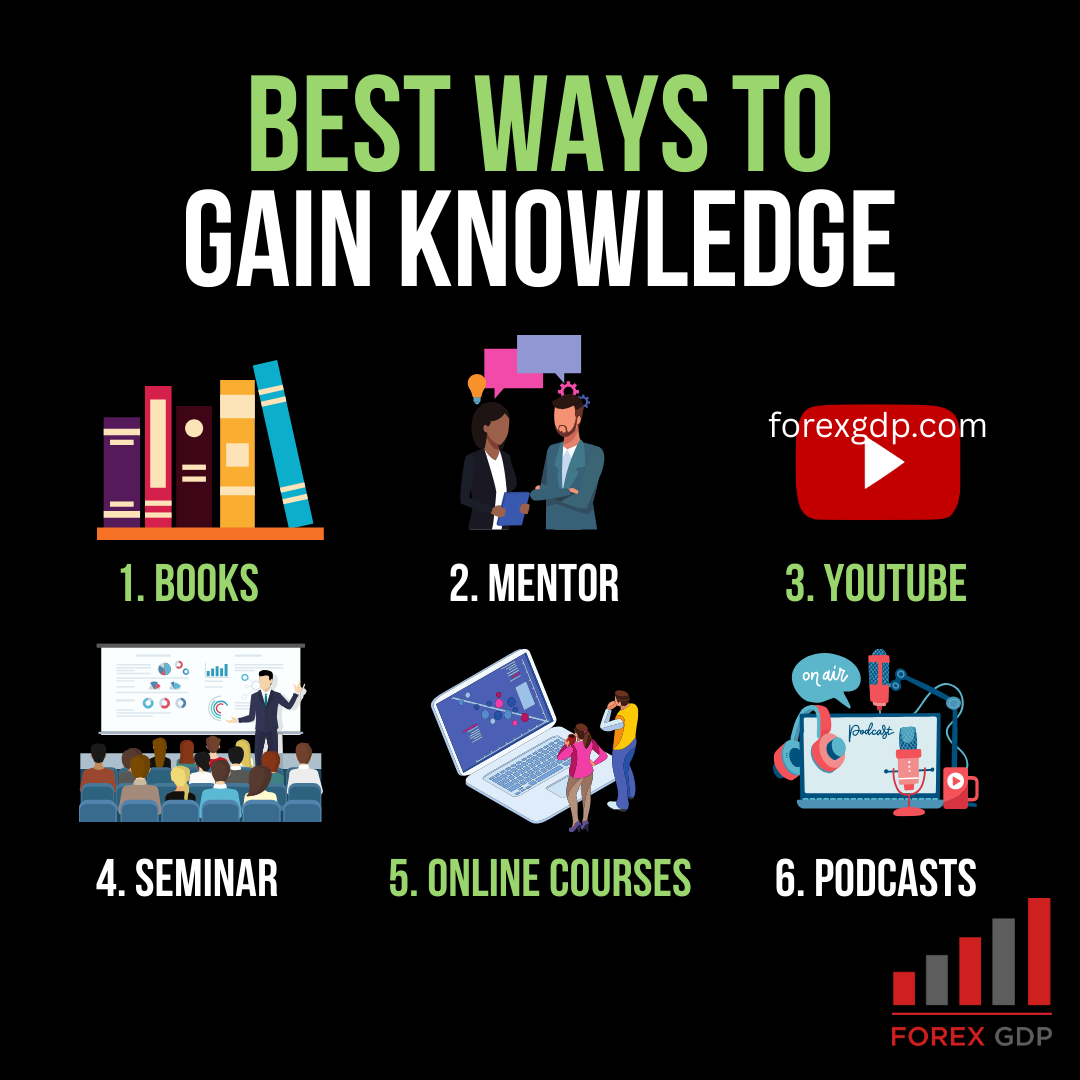
Let’s explore the most powerful ways to gain knowledge and how you can make them work for you.
The Timeless Foundations of Knowledge
Books
Books have always been a quiet revolution. They don’t shout for your attention like notifications do. They sit patiently on shelves, waiting for you to open them and step into someone else’s mind. If you’re serious about gaining knowledge, books are still one of the strongest foundations you can build on.
When you read a book, you aren’t just absorbing information. You’re learning how someone thinks. You’re following their logic, understanding their mistakes, and seeing the world through their lens. That kind of mental stretching is hard to find in quick online snippets.
Why Books Still Matter
In a world obsessed with speed, books force you to slow down. That’s not a weakness. It’s their greatest strength. Real learning takes time, and books give you space to reflect. They don’t rush you. They don’t distract you. They invite you to think.
Books also offer depth that’s difficult to match elsewhere. A well-written book is the result of years of research, experience, and refinement. When you read it, you’re standing on the shoulders of someone who has already done the heavy lifting. That’s an advantage you shouldn’t ignore.
How to Read for Maximum Growth
Reading passively won’t transform you. If you want books to help you gain knowledge, you have to engage with them. Ask questions while you read. Highlight ideas that challenge you. Argue with the author in your head if you disagree.
It also helps to read with intention. Don’t just pick up random titles because they’re popular. Choose books that align with your goals. Whether it’s business, psychology, finance, or personal development, focus your reading so it builds on itself like bricks forming a wall.
Mentors
A mentor can compress years of trial and error into a few powerful conversations. That’s not an exaggeration. Learning from someone who has already walked your path is one of the fastest ways to gain knowledge and avoid unnecessary mistakes.
There’s something different about learning face-to-face. You can ask questions. You can share your struggles. You can get feedback tailored to your situation. That level of personalization is hard to find in books or videos.
Finding the Right Mentor
Not every successful person is a good mentor. The right mentor is someone who not only has experience but is also willing to share it honestly. You want someone who challenges you, not just someone who praises you.

Look for people whose values align with yours. Knowledge isn’t just about skills; it’s also about judgment. A mentor shapes how you think and decide. Choose someone whose character you respect, not just their achievements.
Making the Most of Mentorship
Having a mentor is not about asking endless questions and expecting free solutions. It’s about showing initiative. When you come prepared, with thoughtful questions and updates on your progress, you earn their time and attention.
Be open to criticism. That’s where real growth happens. It might sting when someone points out your blind spots, but that discomfort is often the doorway to deeper knowledge. If you only want encouragement, you’re not ready for mentorship.
Learning from Real-World Experiences
Seminars
Seminars bring knowledge to life. There’s a unique energy in a room filled with people who are eager to learn. You can feel it in the air. The speaker’s passion, the audience’s curiosity, the shared excitement—it all creates an environment where ideas stick.
Unlike reading alone, seminars immerse you in an experience. You’re not just consuming information; you’re part of something dynamic. That interaction can make lessons more memorable and impactful.
The Energy of Live Learning
There’s a reason people travel long distances to attend live events. When you’re physically present, distractions fade. You’re focused. You’re engaged. You’re surrounded by others who want to grow just as much as you do.
That collective energy pushes you. It challenges you to think bigger and act bolder. Sometimes, the biggest breakthroughs don’t come from the slides on the screen but from conversations during breaks or spontaneous insights sparked by the atmosphere.
Turning Inspiration into Action
The downside of seminars is that inspiration can fade quickly. You leave feeling motivated, but a week later, you’re back to your old habits. Knowledge without action is just entertainment.
To truly gain knowledge from seminars, you need to implement what you learn. Take notes, yes, but also decide what you’ll apply immediately. Even small actions can turn inspiration into lasting change.
Online Courses

Online courses have changed the learning landscape. You no longer need to sit in a classroom to access high-quality education. With the right course, you can learn from experts across the globe without leaving your home.
This flexibility makes online learning one of the best ways to gain knowledge in today’s fast-paced world. You can learn at your own speed, revisit lessons, and fit education into your schedule.
Flexibility and Depth
One of the greatest strengths of online courses is structure. Unlike random videos, a good course follows a logical path. Each lesson builds on the previous one, guiding you from basics to advanced concepts.
This structured approach prevents overwhelm. Instead of jumping between unrelated topics, you move step by step. That clarity helps your brain connect ideas and retain information more effectively.
Avoiding the Course Hoarding Trap
There’s a dark side to online courses. It’s easy to buy more than you complete. You sign up, feel excited, watch a few lessons, and then move on to the next shiny thing.
If you want to truly gain knowledge, commit to finishing what you start. Choose carefully. Focus deeply. Master one skill before chasing another. Otherwise, you’ll end up with a library of unfinished courses and very little real growth.
The Digital Age Learning Revolution
YouTube
YouTube has become one of the most powerful educational platforms in the world. Whatever you want to learn, chances are someone has made a video about it. From coding to cooking to investing, knowledge is just a search away.
But convenience can be deceptive. The same platform that offers valuable insights also tempts you with endless distractions. The key is learning how to use it wisely.
Learning Smart on YouTube
If you approach YouTube intentionally, it can be an incredible tool for gaining knowledge. Search for specific topics. Follow credible creators. Create playlists dedicated to your learning goals.
Treat it like a library, not a playground. When you watch with purpose, take notes and pause to reflect. Don’t let autoplay decide what you learn next. Take control of your education.
Separating Noise from Value


Not all content is created equal. Some videos are built for clicks, not clarity. Flashy thumbnails and bold claims don’t guarantee depth or accuracy.
Develop a critical eye. Check the creator’s background. Cross-reference information. If something sounds too simple or too dramatic, question it. Knowledge requires discernment, especially in a world flooded with opinions.
Podcasts
Podcasts have quietly become a favorite learning tool for busy people. You can listen while commuting, exercising, or doing chores. It feels effortless, but over time, those hours add up to meaningful learning.
There’s something intimate about podcasts. Hearing someone speak at length about their experiences can feel like a private conversation. That depth often reveals insights you won’t find in shorter formats.
Learning on the Move
One of the biggest advantages of podcasts is flexibility. You can turn dead time into learning time. Instead of mindlessly scrolling, you’re feeding your brain with ideas and stories.
This consistency can compound over months and years. Imagine listening to thoughtful discussions every day. Even small insights, repeated often, shape how you think and act.
Choosing Podcasts That Challenge You
It’s tempting to listen only to voices that confirm what you already believe. That feels comfortable. But growth rarely comes from comfort.
Choose podcasts that stretch your perspective. Listen to experts in fields outside your own. Expose yourself to new ways of thinking. The best way to gain knowledge is to stay curious, even when it feels unsettling.
Bringing It All Together
Gaining knowledge isn’t about chasing every new trend. It’s about building a system that works for you. Books give you depth. Mentors give you guidance. Seminars give you energy. Online courses provide structure. YouTube offers accessibility. Podcasts bring flexibility.
The magic happens when you combine them. Read regularly. Seek wise mentors. Attend events that inspire you. Complete focused courses. Use digital platforms with intention. Over time, your mind becomes sharper, your decisions wiser, and your confidence stronger.
Knowledge is not a destination. It’s a lifelong journey. And the more seriously you take it, the more it transforms not just what you know, but who you become.
Frequently Asked Questions
1.What is the fastest way to gain knowledge?
The fastest way is often learning from someone experienced, such as a mentor, combined with focused study through books or structured courses. Speed increases when you apply what you learn instead of just consuming information.
2.Are books better than online courses for learning?
Books often provide deeper insight and thoughtful analysis, while online courses offer structured guidance and practical examples. The best approach depends on your learning style and goals.
3.How can I stay consistent with learning?
Create a routine that fits your lifestyle. Even setting aside a small amount of time daily for reading, listening to podcasts, or taking a course can lead to significant growth over time.
4.Is YouTube a reliable source of knowledge?
It can be, but you must choose content carefully. Follow credible creators, verify information, and avoid getting distracted by entertainment-focused material.
5.Can podcasts really help me gain knowledge?
Yes, especially if you select high-quality shows that dive deep into topics. Listening consistently and reflecting on what you hear can significantly expand your understanding.