

Why Boring Trading Is Often the Most Profitable
Most people enter trading expecting excitement. They imagine fast-moving charts, quick profits, and the thrill of predicting market moves. But here’s the uncomfortable truth: the traders who survive and thrive in the long run often describe trading as boring.
That might sound disappointing, but it’s actually one of the biggest secrets to consistent success. If every trade feels like a roller coaster ride, something is probably wrong. Good trading is built on discipline, patience, and routine—not adrenaline.
The Excitement Trap
Many beginners treat trading like entertainment. They constantly look for action, jump into random setups, and feel the need to be in the market all the time. The problem is that excitement often comes from uncertainty and excessive risk.
Think about it. Why does a trade make your heart race? Usually because you’ve risked too much money or you’re emotionally attached to the outcome. That’s not a sign of confidence—it’s a warning sign.
Professional Traders Think Differently
Professional traders don’t wake up searching for excitement. They focus on execution. They follow tested strategies, manage risk carefully, and wait for high-probability opportunities.
In many cases, the best trade is no trade at all. While beginners chase every market movement, experienced traders sit back and wait for conditions that match their trading plan. That patience may seem boring, but it protects capital and improves consistency.
Trading Is a Business, Not a Casino
Imagine running a successful business. You wouldn’t make random decisions based on emotions every day. You’d follow systems, processes, and data.
Trading works the same way. Successful traders approach the market like business owners. They have rules for entering trades, managing risk, and exiting positions. They don’t gamble on feelings or social media predictions.
The more structured your approach becomes, the less emotional trading feels.
Why Consistency Beats Excitement
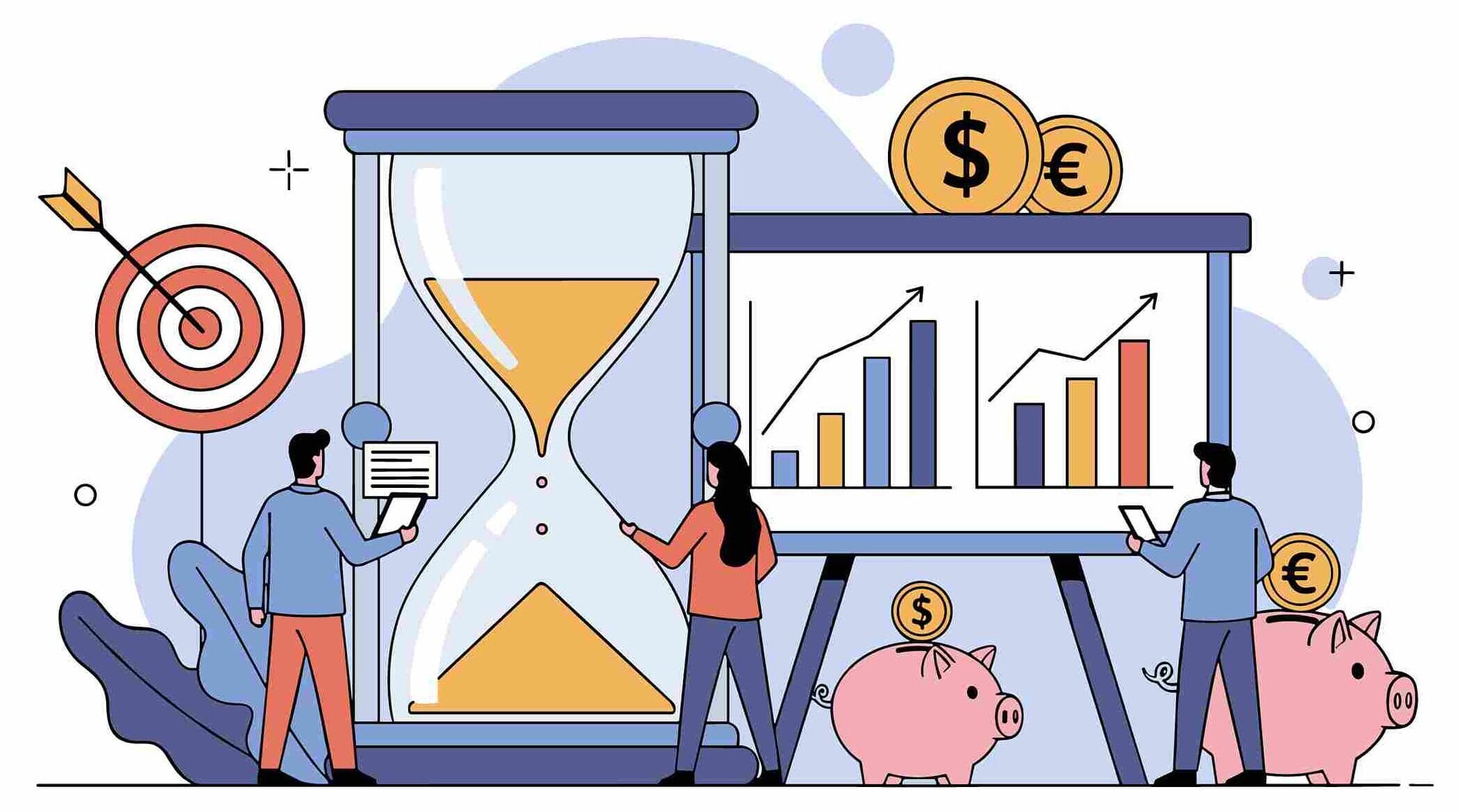
Consistency is the foundation of long-term profitability. Traders who constantly switch strategies, chase trends, or overtrade usually struggle to achieve stable results.
Profitable traders repeat the same process over and over. They trust their edge and understand that success comes from executing a proven strategy hundreds of times, not from finding one magical trade.
Like a professional athlete practicing fundamentals, they focus on repetition rather than excitement.
The Hidden Danger of Emotional Trading
Fear and greed are responsible for countless trading mistakes. Fear causes traders to exit winning positions too early, while greed encourages them to risk too much or hold losing trades longer than necessary.
When emotions control decisions, consistency disappears. One day you’re confident, the next you’re panicking. That’s not a trading strategy—it’s an emotional cycle.
Boring trading reduces emotional influence because decisions are based on rules rather than feelings.
Risk Management Makes Trading Feel Dull
Let’s be honest: risk management isn’t exciting. Nobody posts screenshots showing how well they limited losses. Yet it’s one of the most important skills in trading.
Professional traders understand that protecting capital comes first. They risk only a small percentage of their account on each trade and accept losses as part of the business.
Because the risk is controlled, they don’t experience extreme emotional highs and lows. Their trading feels calm, predictable, and yes—boring.

Patience Is a Competitive Advantage
One of the biggest reasons traders fail is overtrading. They feel uncomfortable sitting on the sidelines and convince themselves that every market movement is an opportunity.
In reality, markets reward patience. Waiting for quality setups is far more effective than forcing trades out of boredom.
Think of a hunter waiting quietly for the right moment. Randomly firing in every direction doesn’t increase the chances of success—it wastes resources. Trading is no different.
The Importance of a Trading Plan
A well-defined trading plan removes guesswork. It tells you when to enter, when to exit, how much to risk, and what conditions must be present before taking a trade.
Without a plan, every decision becomes emotional. With a plan, trading becomes a routine process.
That routine may not provide excitement, but it creates consistency—and consistency is what leads to profitability.
Confidence Comes From Preparation
Many traders constantly seek validation. They watch endless videos, follow multiple analysts, and change strategies after a few losses.
Experienced traders do the opposite. They build confidence through preparation, backtesting, journaling, and experience. Because they trust their process, they don’t need constant reassurance.
As confidence grows, emotional reactions shrink. Trading becomes calmer and less dramatic.
Focus on the Process, Not Individual Trades
A common mistake is judging success by a single trade. Even the best strategies experience losses. What matters is the overall performance across dozens or hundreds of trades.
Professional traders focus on whether they followed their plan, not whether they won or lost a particular trade. This mindset reduces stress and encourages discipline.
The goal is not perfection. The goal is consistent execution.

Conclusion
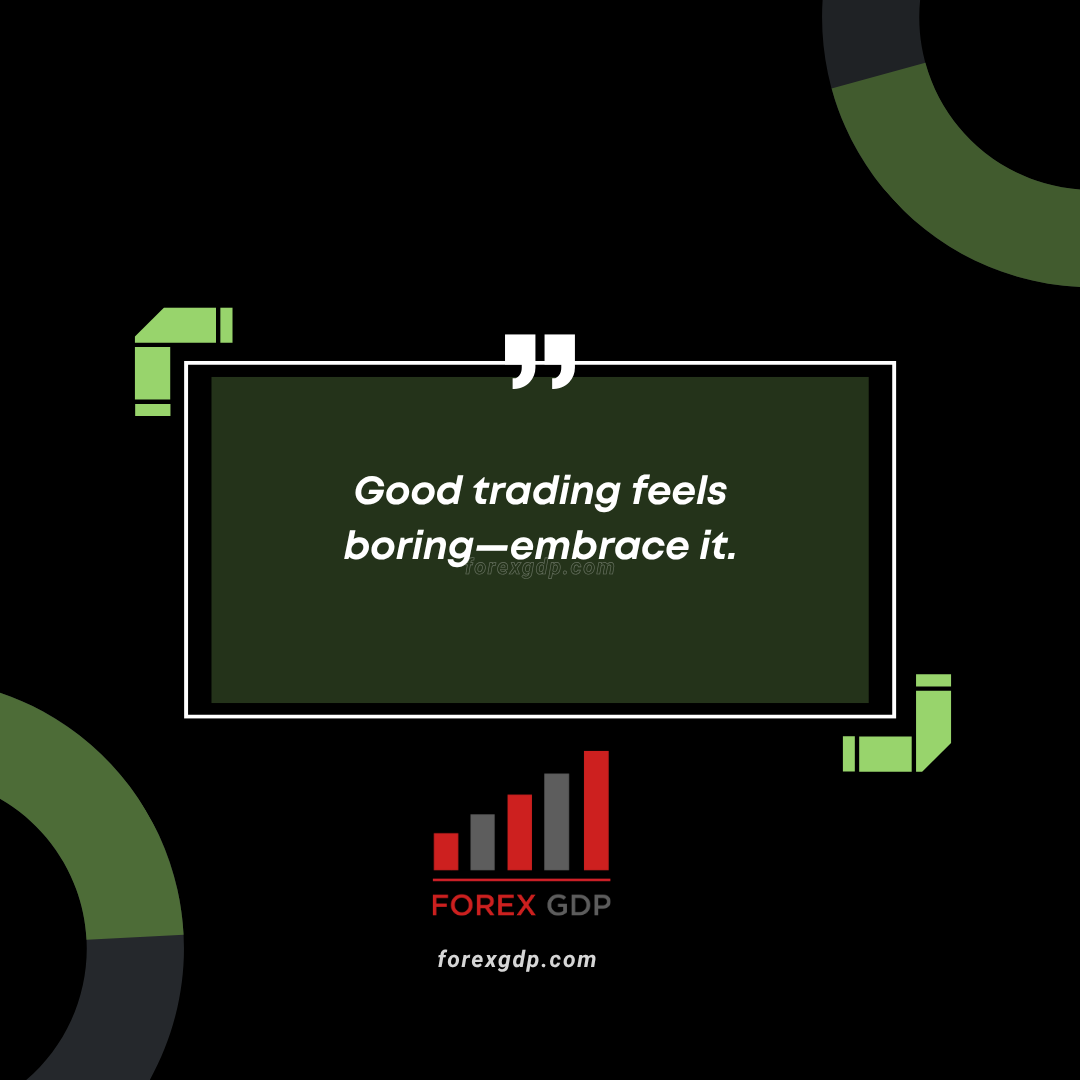
The phrase “Good trading feels boring—embrace it” contains one of the most valuable lessons in trading. Excitement often signals emotional involvement, excessive risk, and poor decision-making. Boredom, on the other hand, usually reflects discipline, patience, and confidence in a proven system.
Successful traders aren’t chasing thrills. They’re following routines, managing risk, and waiting for quality opportunities. While that approach may seem dull compared to the flashy trading lifestyle often promoted online, it’s the path that leads to long-term success.
If your trading starts to feel boring, that’s not a problem. It may be a sign that you’re finally trading like a professional.
FAQs
1. Why does profitable trading feel boring?
Because successful trading relies on discipline, consistency, and risk management rather than emotional decision-making.
2. Is excitement bad in trading?
Not always, but excessive excitement often indicates that too much money is at risk or emotions are influencing decisions.
3. What causes most traders to fail?
Common reasons include overtrading, poor risk management, emotional decisions, and lack of a structured trading plan.
4. How can I become a more disciplined trader?
Create a trading plan, follow strict risk management rules, keep a journal, and focus on long-term consistency.
5. Can simple trading strategies be profitable?
Yes. Many successful traders use simple, repeatable strategies and focus on execution rather than complexity.