

You’ve probably seen it everywhere — brokers promising to “teach you everything about trading.” They lure you in with free webinars, glossy eBooks, and catchy taglines like “Master Forex in 30 Days!” Sounds tempting, right? But here’s the cold truth: relying solely on a broker for your trading education is like learning to drive from a car salesman. Sure, they can explain how the car works, but would you trust them to teach you defensive driving? Probably not.

Forex brokers are in the business of making money — and their profits often depend on your trades, not your success rate. That’s why it’s important to peel back the layers and see why broker-based education often falls short.
Let’s dig deep into the myth that brokers offer the best trading education — and uncover what really helps traders master the game.
The Illusion of “Free” Forex Education
The Hidden Agenda Behind Free Lessons
Brokers love to market their “free education” as a gift to traders. But what they rarely tell you is that this education often serves a purpose: to get you trading more frequently. The more you trade, the more commissions and spreads they earn. So, their goal isn’t to make you a smart, patient trader — it’s to keep you active and dependent on their platform.
Think about it — would a casino ever teach you how to stop gambling? Of course not. In the same way, brokers won’t teach you how to stay out of overtrading or when to avoid bad setups. Their content usually lacks depth, skipping the complex topics that could actually protect your money.
Why It Feels Trustworthy — But Isn’t
Broker-provided lessons often come wrapped in professional-looking videos and clean graphics. They feel official and trustworthy, especially to beginners. But beneath the surface, you’ll notice generic advice, outdated strategies, and a lack of transparency about real market conditions.
They might explain basic chart patterns, but they rarely teach you about market manipulation, institutional trading behavior, or liquidity traps — the real reasons markets move the way they do.
Understanding the Broker’s Real Motivation
Profit Over Education
Let’s be blunt — brokers make money when you trade. Whether you win or lose, as long as you’re active, they’re earning spreads, commissions, or fees. So, they have zero incentive to turn you into a trader who trades less but smarter. Instead, they push you toward strategies that increase activity — scalping, day trading, or high-leverage tactics.
That’s why most broker education is designed to encourage frequent participation rather than disciplined, well-planned trading. It’s marketing disguised as mentorship.
Conflict of Interest in Broker Training

Would you take dieting advice from a fast-food company? That’s essentially what’s happening when traders depend on brokers for education. The advice is biased. Even if the broker seems “helpful,” their education is built to benefit them first.
They teach what keeps you loyal to their platform — not what helps you grow independently. And that’s a dangerous trap for new traders who believe they’re learning from the experts.
The Dangers of Broker-Dependent Learning
Limited Scope of Knowledge
Broker tutorials often stop at surface-level content: what is a pip, how to read a chart, or how to open a trade. These basics are fine for beginners, but they barely scratch the surface of real trading education.
To become a successful trader, you need to understand risk management, psychology, fundamental analysis, liquidity zones, and how institutions move the market — things brokers rarely teach because they’re not in their best interest.
The Cycle of Dependency
Once you start learning from a broker, it’s easy to get trapped in their ecosystem. Their platform, signals, and courses all reinforce the same trading habits. You become dependent — not skilled. And once dependency forms, you lose objectivity, often making decisions based on loyalty rather than logic.
That’s exactly what brokers want.
Independent Education: The Smarter Choice
Learning Beyond the Broker Bubble
If you’re serious about becoming a consistently profitable trader, you have to break free from the broker bubble. Independent learning lets you explore diverse perspectives — from professional traders, price action experts, and institutional analysts who have no bias in your trading behavior.
These independent resources teach you to think critically, test your own strategies, and trade less emotionally. You gain the ability to question market moves instead of just reacting to them.
Why Real Traders Don’t Rely on Brokers
Ask any experienced trader where they learned the most — it won’t be from a broker’s free course. It’s from a combination of paid mentorships, reading market research, analyzing charts daily, and making mistakes. Real education comes from trial, error, and observation — not spoon-fed tutorials made to keep you trading more.
The Psychological Trap Brokers Create
The Comfort of Authority
When someone seems like an authority — especially a company with a professional image — it’s easy to trust them. That’s exactly what brokers exploit. They appear credible, using industry jargon, technical setups, and webinars to sound knowledgeable.
But here’s the thing: authority doesn’t always equal accuracy. Just because a broker explains Fibonacci retracement doesn’t mean they understand how liquidity hunts work in real-time. Many of these “educators” are just marketers with scripts.
Fear of Missing Out and Broker Traps
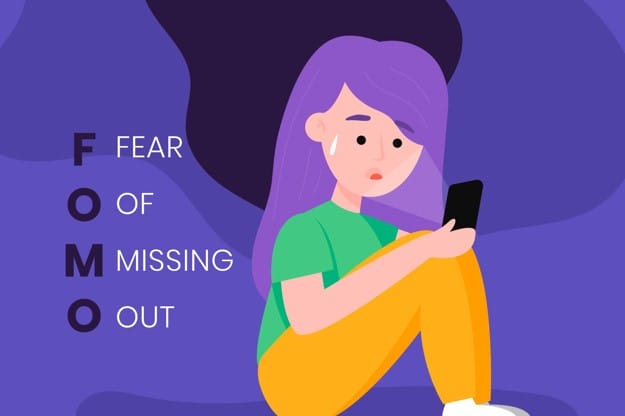
Brokers often use fear-based tactics — limited-time bonuses, exclusive webinars, or “VIP trading insights” — to keep you engaged. They make you feel like you’ll miss the next big opportunity if you don’t act fast. This plays directly into your emotions, the same ones that cause most traders to lose money.
They don’t just sell education — they sell urgency.
Recognizing Red Flags in Broker Education
Promises of Quick Profits
Any broker that tells you trading can make you rich quickly is waving a giant red flag. The truth is, trading mastery takes years of learning and discipline. Quick-profit promises appeal to greed, not growth.
Always question anyone who markets trading as an easy path to financial freedom. Real traders know success comes from strategy, not shortcuts.
One-Size-Fits-All Training Programs
Brokers often teach strategies that are supposed to work for everyone — but every trader’s psychology and risk tolerance are different. What works for one person might destroy another’s account. Quality education should be adaptive, not generic.
If your broker’s education feels too universal or overly simplified, it’s probably designed for mass appeal, not actual progress.
Building Your Own Forex Education Path
Start With Independent Learning Sources
Instead of limiting yourself to what brokers teach, explore reputable trading communities, verified YouTube educators, and books from real market professionals. Look for mentors who show real trading records, explain losses, and don’t sugarcoat the risks.
That’s where real learning begins — outside the comfort of promotional content.
Practical Learning Over Theoretical Hype
Don’t just consume theory. Backtest strategies, review market data, and analyze live trades. Watching price movements and journaling your mistakes will teach you far more than a broker’s polished course ever could.
Trading isn’t about memorizing definitions — it’s about understanding market behavior.
How to Identify Reliable Educational Sources
Transparency Is Everything
Real educators don’t hide behind flashy websites. They show proof of trades, provide detailed explanations, and often warn you about the risks. They encourage independent thinking, not blind loyalty.
Before trusting any source, ask: What’s their motive? If it’s selling you a dream instead of preparing you for reality, walk away.
Community and Peer Learning
Independent communities and forums often provide more authentic insight than brokers. Traders share real stories — the wins, the losses, and the lessons in between. When you learn from peers, you gain perspectives that help you develop your unique trading style.
Education grows stronger when shared — not sold.
Why Independent Education Builds Stronger Traders
You Develop Critical Thinking
Independent learning forces you to think — to question, analyze, and verify. You stop following signals blindly and start recognizing patterns yourself. That’s the turning point between gambling and professional trading.
Critical thinking transforms you from a follower into a strategist.
You Learn to Manage Risk Properly
Brokers rarely emphasize risk management because cautious traders don’t trade as often. Independent education, however, focuses heavily on this aspect. You learn to protect capital, minimize drawdowns, and trade with discipline — the true foundation of long-term success.
The Real Value of Experience Over Broker Education
Experience Is the Ultimate Teacher

No amount of theory beats the lessons learned from live trading. Mistakes, frustration, and losses teach you more than any free video could. Brokers try to sell the idea that you can learn trading safely in theory — but the market is a battlefield. You have to be in it to learn its rhythm.
Experience turns knowledge into intuition — something no broker can give you.
Combining Knowledge From Multiple Sources
The best traders blend insights from books, mentors, and personal observation. They don’t rely on one authority. Instead, they gather bits of wisdom from everywhere and build their own framework. That independence makes them resilient, adaptable, and profitable.
The Future of Forex Education
Rise of Independent Mentorships
The modern trader doesn’t rely on brokers anymore. Independent educators, communities, and analytical tools are taking over. They offer specialized learning paths tailored to different strategies — from swing trading to institutional methods.
This shift is empowering traders to think for themselves, question the system, and trade smarter.
Technology and Transparency Changing the Game
With social platforms, verified results, and blockchain transparency, traders can now hold educators accountable. The days of broker-controlled learning are fading fast. The power is shifting back to individuals — where it always belonged.
Conclusion: The Truth Brokers Don’t Want You to Know
Forex brokers may seem like helpful teachers, but their “education” is often just a sales strategy wrapped in financial jargon. They don’t want you to master the market; they want you to stay in the game — and keep trading.
The real path to trading success comes from independent learning, critical thinking, and experience. Seek mentors who tell you the truth, not just what you want to hear. Educate yourself beyond the broker’s classroom, and you’ll realize something powerful — the market rewards knowledge, not dependence.
FAQs
Why do brokers offer free trading education?
A: Brokers use free education as a marketing strategy to attract and retain traders. The goal is to encourage frequent trading, which increases their profit from spreads and commissions.
Can I still learn something useful from broker education?
A: Yes, but only the basics. It’s good for understanding simple concepts like charts and order types. For real expertise, you’ll need to go beyond and study independent resources.
How can I find trustworthy trading education?
A: Look for educators who show transparency, verifiable trading history, and a balanced view of risks and rewards. Avoid anyone promising instant wealth.
What’s the best way to start learning Forex trading independently?
A: Begin with credible trading books, reputable YouTube channels, and communities where experienced traders discuss real strategies and mistakes openly.
Are all brokers biased in their education?
A: Most are, but some regulated brokers do provide neutral educational materials. Still, relying solely on them limits your growth — always diversify your learning sources.