

The forex market is loud. Charts flash. Candles jump. Social media screams about “the next big move” every five minutes. Somewhere in that chaos, traders sit glued to their screens, convinced that more analysis means more profit. But funny enough, the traders who often win the most are usually the calmest people in the room.
That quote — “A calm mind spots the cleanest setups” — hits harder than most trading advice floating around online. It sounds simple, almost too simple. Yet behind those few words sits one of the biggest truths about trading psychology, discipline, and long-term consistency.
A cluttered mind creates cluttered trades. An anxious trader sees opportunities where none exist. Fear stretches candles bigger than they are. Greed paints fake signals across the screen like graffiti on a clean wall. The market hasn’t changed — the trader’s emotions have.
And that’s where everything begins.
Why Emotional Trading Destroys Good Decisions
Most traders do not lose because they lack strategy. They lose because emotions quietly hijack every decision they make. The market becomes less about logic and more about survival. That’s dangerous territory.
A calm trader behaves differently. They wait. They observe. They don’t chase every candle like a dog chasing passing cars. They understand that patience is part of the strategy, not a punishment.
The Brain Reacts Faster Than Logic
The human brain is wired for protection. When price suddenly spikes or crashes, your mind treats it almost like danger. Adrenaline kicks in. Heart rate rises. Suddenly, rational thinking packs its bags and disappears.
That’s why traders revenge trade after losses. They feel attacked. The market bruises the ego, and emotions start demanding immediate payback. Unfortunately, the market doesn’t care about pride.
A calm mind interrupts that emotional spiral. Instead of reacting instantly, disciplined traders pause long enough to think clearly. That tiny pause changes everything.
Fear Creates Imaginary Signals
Fear is sneaky. It can make a perfectly normal pullback look like the start of a market collapse. Traders begin seeing patterns that don’t exist. Every red candle suddenly feels catastrophic.
The strange part is that fear often sounds logical in your head. It whispers convincing stories. “What if price keeps falling?” “What if you miss the move?” “What if this is your last chance?”
Most bad trades begin with those “what if” thoughts.
Greed Makes Traders Blind
Greed is fear wearing expensive clothes. It convinces traders they deserve more, even when the setup no longer makes sense.
A calm trader knows when enough is enough. They understand that trying to squeeze every pip from the market usually ends badly. The market has a cruel habit of humbling greedy traders at the worst possible moment.
Sometimes the smartest trade is simply walking away.
Overtrading Comes From Inner Chaos
People rarely talk about the emotional exhaustion caused by overtrading. Sitting for hours, forcing setups, clicking in and out of trades endlessly — it drains the mind.
Overtrading usually happens when traders feel emotionally unsettled. Maybe they lost money earlier. Maybe they feel pressure to prove something. Maybe boredom itself becomes dangerous.
The problem is simple: a tired mind makes reckless choices.
The Need to Always Be Right
Many traders secretly treat the market like an argument they must win. Every losing trade feels personal. Instead of accepting losses gracefully, they double down emotionally.
That mindset creates disaster.
The market rewards flexibility, not stubbornness. A calm trader understands that being wrong is normal. Losses are not enemies. They are simply part of the business.
Silence Often Beats Action
There’s an uncomfortable truth about trading: sometimes doing nothing is the best move. But silence feels strange in a world addicted to constant action.
Many traders open weak positions simply because waiting feels unproductive. Yet patience often protects accounts better than aggressive trading ever could.
A sniper does not fire at every shadow. Neither should a trader.
The Power of Mental Clarity in Forex Trading


A clear mind sees structure. It notices clean trends, obvious support zones, and high-probability setups. Emotional noise disappears, leaving only what truly matters.
Trading becomes simpler when the mind becomes quieter.
Clean Setups Stand Out Naturally
When traders stop forcing opportunities, strong setups become surprisingly obvious. It’s almost strange how clear the market looks when emotions calm down.
Messy trades usually come from messy thinking. Traders jump into uncertain zones because they feel impatient, fearful, or desperate.
A calm trader doesn’t need constant confirmation from twenty indicators blinking on the chart. They trust structure over noise.
Simplicity Often Wins
Many beginners believe complicated strategies are superior. They stack indicators like someone piling toppings onto a pizza until nothing makes sense anymore.
But clean trading often looks boring.
Simple price action. Clear risk management. Obvious entries. Controlled exits.
That simplicity is powerful because it reduces emotional confusion.
Less Noise Means Better Timing
The more noise surrounding a trader, the harder it becomes to think independently. News alerts, social media opinions, and chatroom hype can poison judgment quickly.
A calm trader filters information carefully. They understand that not every voice deserves attention.
Too many opinions create paralysis.
Discipline Becomes Easier With Calmness
Discipline is not just about rules. It’s about emotional control. Traders who constantly feel stressed eventually break their own systems.
That’s why calmness matters so much.
A relaxed mind follows plans more naturally because it isn’t operating from panic.
Impulsive Trading Shrinks
Impulsive trading usually happens during emotional spikes. Traders feel urgency, excitement, or fear, and suddenly the setup “looks good enough.”
But “good enough” is expensive.
A calm trader can step back and ask important questions before entering. Is the setup truly valid? Does it match the plan? Is the risk acceptable?
Those small moments of reflection save accounts.
Patience Creates Better Entries
Good trading often involves waiting longer than feels comfortable. The market rewards timing, not desperation.
Patience feels boring because modern culture trains people to crave instant results. But trading punishes impatience brutally.
The trader who waits for clean setups usually survives longer than the trader chasing constant excitement.
Why Stress Clouds Market Vision


Stress changes perception. It narrows focus, increases emotional sensitivity, and weakens decision-making. In trading, that combination becomes toxic fast.
A stressed trader sees the market through cracked glass.
Anxiety Distorts Risk Perception
When traders feel anxious, risk suddenly feels larger or smaller than reality. Some become overly cautious and miss obvious opportunities. Others become reckless because stress numbs their judgment.
Neither extreme works well.
A calm trader evaluates risk with balance. They understand that losses happen, but they also know fear should not control decisions.
The Market Feeds on Emotional Weakness
The forex market has a brutal way of exposing emotional instability. Traders who panic easily often get shaken out before moves actually develop.
It’s almost like the market senses insecurity.
That’s why emotional resilience matters just as much as technical analysis. Charts alone are not enough.
Sleep and Stress Matter More Than Traders Admit
Exhausted traders make terrible decisions. Lack of sleep increases impulsiveness, emotional reactions, and mental fatigue.
Yet many traders brag about staying awake all night watching charts. That’s not discipline. That’s burnout disguised as dedication.
A tired mind rarely spots clean setups.
Mental Burnout Leads to Bad Habits
Burnout creeps in slowly. Traders begin feeling emotionally numb, frustrated, or detached from their strategies.
Eventually, shortcuts appear. Rules get ignored. Risk increases.
That’s when accounts start bleeding.
The Addiction to Constant Stimulation
Trading can become addictive because it constantly triggers emotional highs and lows. Winning creates excitement. Losing creates obsession.
Some traders stop trading the market and start trading emotions instead.
A calm trader avoids becoming emotionally dependent on the rush itself.
Stepping Away Can Improve Performance
Sometimes the best trading decision is taking a break. Walking away resets perspective.
Fresh eyes often notice things exhausted minds completely miss.
Professional athletes rest between performances for a reason. Mental performance also requires recovery.
How Professional Traders Stay Mentally Balanced


Professional traders are not emotionless robots. They feel stress, disappointment, and excitement just like everyone else. The difference is that they manage emotions instead of obeying them.
That separation changes everything.
Routine Creates Stability
Many successful traders follow routines because routines reduce emotional randomness. A stable process creates mental consistency.
Chaos outside the charts often creates chaos inside trading decisions.
Simple habits matter more than people think.
Preparation Builds Confidence
Confident traders usually prepare thoroughly before entering positions. They study levels, define risk, and plan exits beforehand.
Preparation reduces emotional panic because fewer surprises exist during the trade.
Unprepared traders react emotionally because they never created a roadmap.
Journaling Reveals Emotional Patterns
Trading journals are powerful because they expose recurring emotional mistakes. Traders begin noticing patterns they previously ignored.
Maybe fear causes early exits. Maybe greed encourages oversized positions.
Awareness is uncomfortable, but it’s necessary.
Risk Management Protects Mental Health
Good risk management does more than protect money. It protects peace of mind.
Traders risking too much experience constant emotional pressure. Every candle feels personal because too much money sits on the line.
That emotional weight damages decision-making.
Smaller Risk Brings Clearer Thinking
When risk remains controlled, traders think more rationally. Losses become manageable instead of devastating.
A calm trader understands survival matters more than ego.
There is no trophy for blowing an account quickly.
Confidence Comes From Consistency
True confidence does not come from one lucky trade. It comes from repeated disciplined execution over time.
Calm traders trust their systems because they focus on long-term consistency rather than emotional short-term wins.
That mindset creates durability.
The Relationship Between Patience and Profitability

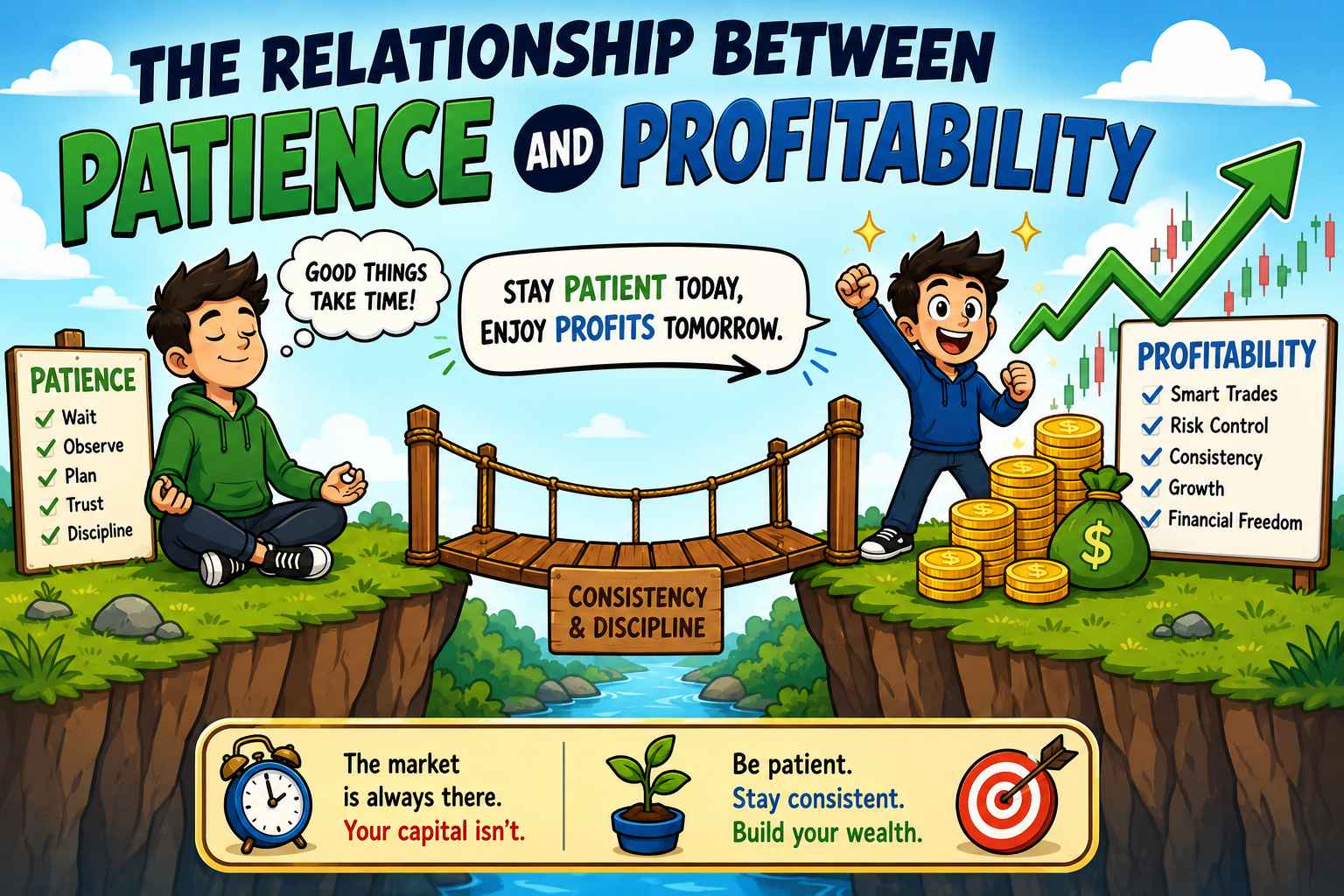
Patience sounds soft, but in trading, it’s a weapon. Most traders fail because they cannot wait long enough for quality opportunities.
They confuse movement with progress.
The Market Rewards Selective Traders
Selective traders avoid unnecessary battles. They wait for moments where probability aligns clearly.
That patience protects emotional energy.
A trader taking random setups all day eventually loses focus and discipline.
Every Candle Does Not Matter
New traders often stare at every tiny market movement as if decoding secret messages. But most candles are meaningless noise.
Calm traders zoom out mentally. They focus on structure instead of emotional fluctuations.
That perspective reduces panic dramatically.
Fewer Trades Can Mean Better Results
Strangely enough, trading less often frequently improves profitability. More trades do not automatically mean more success.
Sometimes excessive activity simply creates more opportunities for mistakes.
Quality almost always beats quantity.
Waiting Requires Emotional Strength
Patience sounds easy until real money and emotions get involved. Waiting while the market moves can feel uncomfortable.
Fear of missing out becomes loud.
But calm traders accept that opportunities never truly disappear. The market opens again tomorrow.
Desperation Is Expensive
Desperate traders force setups because they feel pressure to make money immediately. That emotional urgency destroys objectivity.
The market punishes desperation harshly.
A calm mind understands that consistency grows slowly, like planting seeds rather than hunting treasure.
Confidence Eliminates Chasing
Confident traders don’t chase the market because they trust opportunities will return. Insecure traders chase because they fear scarcity.
That difference shapes behavior dramatically.
Calmness creates patience. Patience creates clarity. Clarity improves decision-making.
Everything connects.
Trading Psychology Is the Real Edge

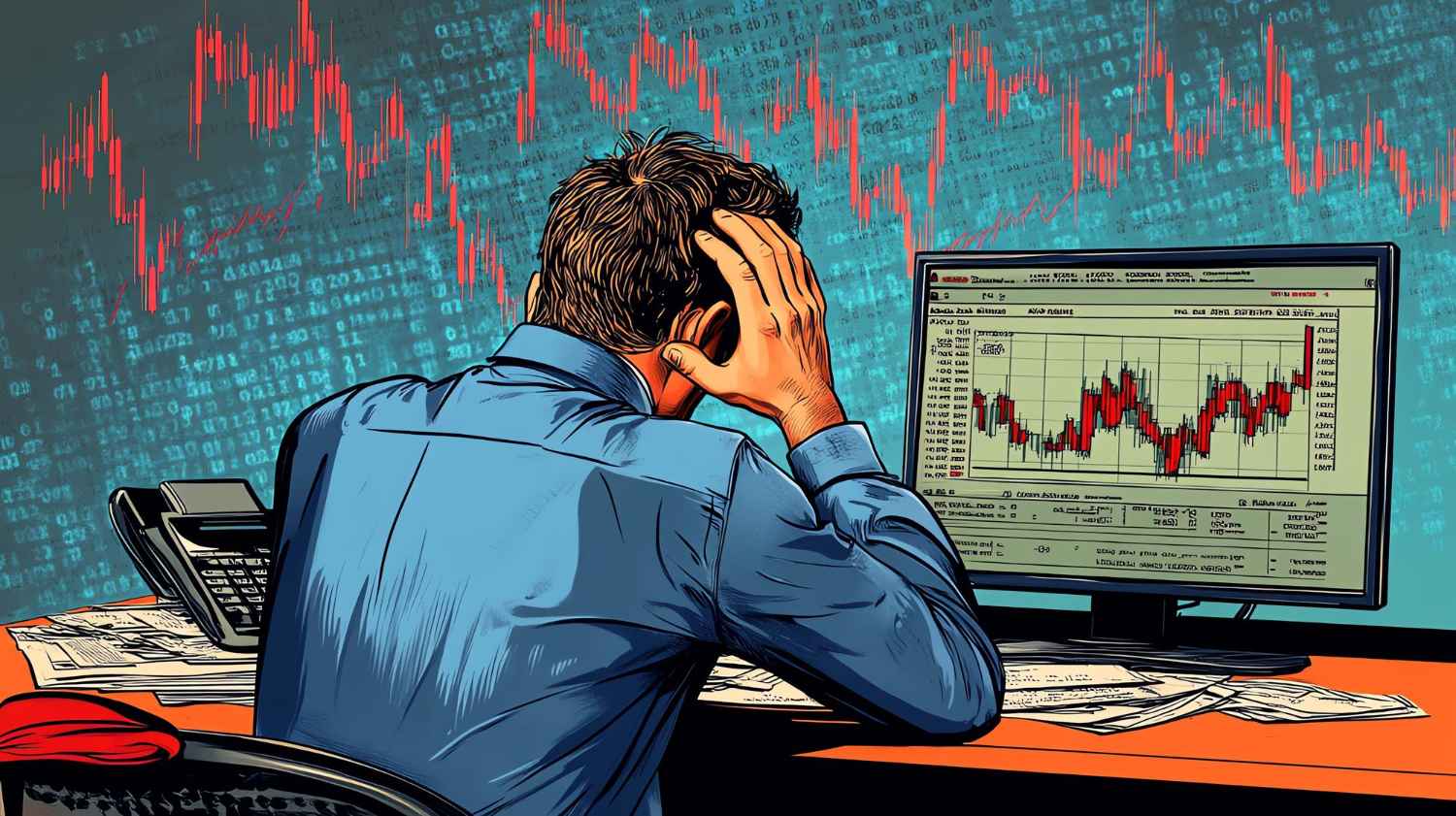
People spend years hunting for magical indicators while ignoring the mind controlling every trade. That’s like polishing a race car while ignoring the driver.
Psychology matters more than most traders admit.
The Market Reflects Human Emotion
Charts are not just lines and candles. They are emotional fingerprints left behind by millions of traders reacting to fear and greed.
Understanding psychology helps traders interpret market behavior more clearly.
The market itself is emotional because people are emotional.
Self-Control Beats Intelligence
Highly intelligent traders still fail when emotions dominate decisions. Knowledge alone cannot overcome emotional instability.
A calm average trader often outperforms an emotional genius.
That truth frustrates many people.
Consistency Beats Excitement
Exciting trading usually ends badly. The constant adrenaline rush might feel thrilling, but sustainable success tends to look surprisingly boring.
Calm traders embrace boredom because consistency matters more than entertainment.
The market is not a casino for professionals.
A Calm Mind Sees Opportunity Clearly
The quote from Forex GDP captures something deeper than strategy. Calmness sharpens perception.
When emotional fog disappears, clean setups become easier to identify.
Still Water Reflects Better
A stormy lake cannot reflect clearly. The same thing happens with the mind.
When thoughts become chaotic, judgment weakens. But when the mind settles, clarity returns naturally.
Trading becomes less emotional and more intentional.
Peace Creates Precision
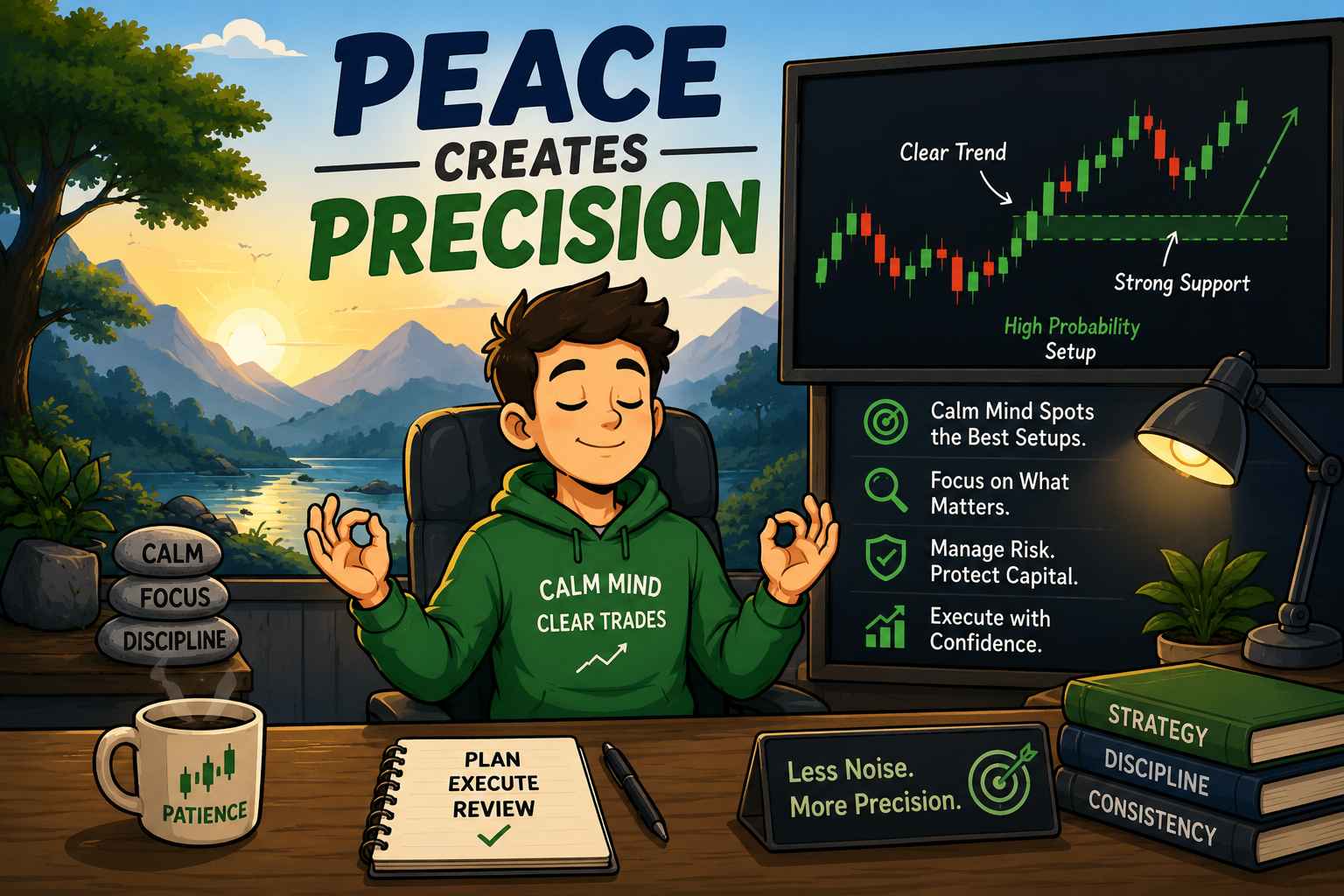
Precision matters in forex trading. Entry timing, risk control, and emotional discipline all improve when the mind stays balanced.
Calmness is not weakness. It’s controlled strength.
And in the long run, controlled strength almost always wins.
Final Thoughts
Forex trading is often portrayed as a battle of strategies, indicators, and market predictions. But beneath all the charts and technical jargon sits something far more important: the trader’s state of mind.
A calm mind spots clean setups because calmness filters out emotional noise. It prevents impulsive decisions, reduces fear-driven mistakes, and allows traders to see opportunities with greater clarity. Stress, greed, and desperation distort judgment like fog covering a windshield.
The market will always move unpredictably. Losses will happen. Emotional pressure will never fully disappear. But traders who learn to remain steady during chaos gain a powerful advantage most people overlook.
Patience becomes easier. Discipline becomes natural. Risk feels manageable instead of terrifying.
And slowly, trading stops feeling like emotional warfare and starts becoming a process built on clarity, confidence, and control.
FAQs
1.Why is calmness important in forex trading?
Calmness helps traders make rational decisions instead of emotional reactions. A relaxed mind sees market structure more clearly and avoids impulsive mistakes caused by fear or greed.
2.Can emotional trading ruin profitability?
Yes, emotional trading often leads to overtrading, revenge trading, poor risk management, and inconsistent decision-making. These habits can damage both confidence and trading accounts.
3.How can traders stay mentally calm during volatility?
Good sleep, proper risk management, journaling, taking breaks, and following a consistent routine all help traders remain emotionally balanced during stressful market conditions.
4.Do professional traders experience emotions too?
Absolutely. Professional traders still feel fear, excitement, and frustration. The difference is that they manage emotions effectively instead of letting emotions control their actions.
5.Why do simple trading setups often work better?
Simple setups reduce confusion and emotional overthinking. Clean price action and clear structure allow traders to make faster, more confident decisions without relying on excessive indicators.