

Let’s be honest — everyone gets into trading with dreams of massive profits. You imagine yourself catching that perfect entry, riding the wave, and doubling your account in a week. But here’s the uncomfortable truth — most traders blow their accounts not because they can’t make money, but because they can’t keep it. Capital preservation is the real game-changer. It’s the skill that separates survivors from quitters.
Think of it like this: if trading is a battle, then your capital is your ammunition. Once it’s gone, the war is over.
What Does Capital Preservation Really Mean?
Capital preservation simply means protecting your trading funds from unnecessary losses. It’s not about avoiding all risk — that’s impossible in trading — but it’s about minimizing damage when things go wrong.
You’re not just trying to make profits; you’re trying to stay alive long enough to make them consistently.
The Harsh Reality of Trading
Here’s something most beginners don’t want to hear: trading isn’t about being right all the time. Even the best traders lose trades. The difference? They lose small and win big.
They understand that protecting capital during bad times is more valuable than chasing big wins during good times.
The First Rule: Don’t Lose Big
Every successful trader has one mantra — don’t lose big.
You can recover from a 10% loss.
You can recover from a 20% loss.
But try coming back from a 70% drawdown — that’s nearly impossible.
Mathematically, if you lose 50% of your account, you need a 100% gain just to break even. Ouch.
The Psychology Behind Preservation
Capital preservation isn’t just a technical thing — it’s deeply psychological.
When you lose a chunk of your account, fear takes over. You start trading emotionally, over-leveraging, and making desperate moves. It’s a spiral that ends with your account balance at zero.
Discipline, patience, and self-control are your best friends here.
Why Most Traders Fail at Capital Preservation
Let’s face it — greed kills. Most traders can’t preserve capital because they’re addicted to quick results. They want instant profits, high leverage, and the thrill of big wins.
But what they don’t realize is that one reckless trade can destroy months of progress.
Capital preservation demands maturity, not excitement.
Risk Management: The Heart of Capital Preservation
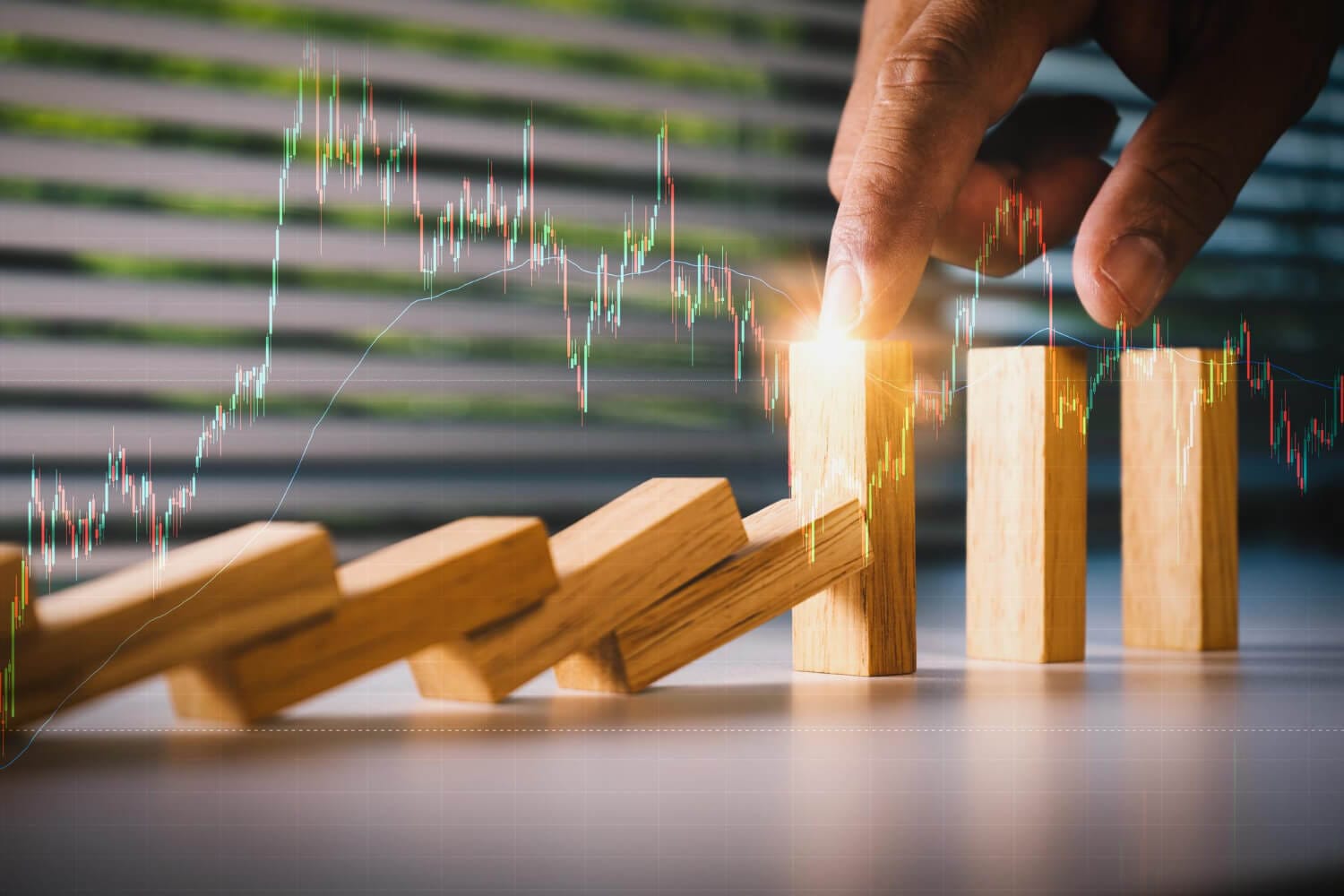
If capital preservation is the body, risk management is the heart.
That means:
-
Never risking more than 1–2% of your capital on a single trade.
-
Using stop-loss orders like a seatbelt.
-
Knowing when to walk away from the screen.
Smart traders don’t pray for the market to move in their favor — they plan for when it doesn’t.
The Power of Position Sizing
Position sizing is one of the most underrated skills in trading.
Think of it as your throttle. Even if you find the perfect setup, going all-in can wreck your account if it goes south. By adjusting your lot size based on your account balance and risk tolerance, you can survive the worst storms.
Diversification: Don’t Put All Your Eggs in One Basket
Ever heard of traders losing everything because they bet the farm on one trade?
That’s the opposite of preservation.
Diversify across pairs, timeframes, and strategies. It’s like wearing a helmet — it won’t prevent a crash, but it will reduce the damage.
The Role of Emotions in Capital Preservation
Trading isn’t just numbers and charts — it’s a mental game.
Fear makes you exit too early.
Greed makes you hold too long.
Ego makes you double down when you should cut losses.
Learning to control emotions is as vital as understanding price action. Preserve your mindset, and your capital will follow.
Understanding Market Conditions
Sometimes the best trade is no trade at all.
Not every day is meant for trading. Markets go through phases — trending, ranging, or volatile chaos. Recognizing when to stay out is a major part of capital preservation.
As they say, “Cash is also a position.”
The Compound Effect of Preservation
Here’s the beauty of preserving capital — it compounds.
If you protect your account from big drawdowns, even small consistent gains can snowball into huge profits over time.
Trading is a marathon, not a sprint. The slow and steady traders always outlast the reckless ones.
Building a Preservation-First Mindset
Want to master capital preservation? Start by changing your mindset.
Stop asking, “How much can I make from this trade?”
Start asking, “How much can I afford to lose?”

This simple shift in thinking will transform the way you trade. Preservation isn’t passive — it’s strategic patience.
Real-Life Example: The Trader Who Survived
Imagine two traders, Alex and Ben.
-
Alex risks 10% per trade, chasing big wins.
-
Ben risks 1% per trade, focusing on staying consistent.
After a month of ups and downs, Alex blows up his account, while Ben grows slowly but steadily.
Ben isn’t luckier — he’s smarter. He understands that capital preservation keeps him in the game.
The Connection Between Capital Preservation and Long-Term Success
Every professional trader, hedge fund manager, or successful investor shares one philosophy — protect the downside.
Because once you lose your capital, you lose your opportunity.
You can always find another trade, but you can’t trade without money.
Tools That Help Preserve Capital
If you’re serious about preservation, start using:
-
Stop-loss orders (non-negotiable)
-
Trailing stops to protect profits
-
Trading journals to learn from mistakes
-
Alerts and risk calculators to stay disciplined
Technology can help you be emotionally detached — use it wisely.
The Art of Knowing When to Quit
Capital preservation also means knowing when to stop trading.
If you’ve had three losing trades in a row, take a break. Your goal isn’t to win every battle; it’s to win the war.
Professional traders don’t chase losses — they protect what’s left and prepare for the next setup.

Final Thoughts: The True Skill of a Trader
In the end, capital preservation isn’t boring — it’s brilliance.
It’s what allows traders to survive, adapt, and thrive.
Anyone can make a profit once in a while, but only skilled traders can keep their capital safe through the chaos of the markets.
Remember: the best traders aren’t gamblers; they’re guardians of their capital.
Conclusion
“Capital preservation is a skill” — simple words, yet profound in meaning.
It’s not just about money management; it’s about emotional intelligence, patience, and strategy. If you want to be a long-term player in this game, stop chasing quick wins. Focus on protecting your base. Because in trading, the first step to making money is not losing it.
FAQs
1. What’s the best way to preserve capital in forex trading?
The best way is through strict risk management — risk only 1–2% per trade, use stop-loss orders, and avoid over-leveraging.
2. Can I still make profits if I focus on capital preservation?
Absolutely! Preservation helps you stay consistent, allowing profits to grow steadily without catastrophic drawdowns.
3. How do emotions affect capital preservation?
Emotions like fear and greed cause traders to take impulsive risks. Controlling them is key to preserving capital.
4. What’s worse — missing a trade or losing capital?
Losing capital. Missed trades come every day, but lost capital takes time to recover.
5. How long does it take to master capital preservation?
It depends on your discipline and mindset. The more you focus on risk control and emotional balance, the faster you’ll master it.