

Forex trading has always carried a bit of a reputation. Many people think it’s a wild roller coaster reserved only for thrill-seekers who thrive on risk. The myth says: “Only risk-takers succeed in forex trading.” But let’s be honest—that couldn’t be further from the truth. In reality, successful traders aren’t daredevils—they’re planners, strategists, and disciplined decision-makers.
In this article, we’ll break down this myth, explore why people believe it, and uncover the actual truth about forex trading. Get ready—we’re diving deep into the psychology, strategies, and realities of forex to prove why success isn’t about reckless risk-taking but about calculated decisions.
1. The Origins of the Risk-Taker Myth
So, where did this myth even come from?
Forex has always been portrayed as a high-stakes game. Movies and TV shows show traders shouting in front of charts, sweating bullets while placing huge bets. Social media doesn’t help either—flashy influencers flaunt risky trades and overnight profits, making it look like gambling with a bigger screen.
This exaggerated image of traders taking insane risks paints the picture that only adrenaline junkies make it. But in reality, successful forex traders don’t live like Hollywood characters—they live like disciplined professionals.
2. Why People Associate Forex With Gambling
Let’s face it: forex does look like gambling if you don’t know what’s happening. Both involve money, chance, and the possibility of a big win or a crushing loss. But here’s the difference: gamblers rely on luck, while traders rely on strategy.
When traders skip planning, ignore analysis, or bet everything on one trade, it becomes gambling. That’s why outsiders often confuse the two. The truth? Successful traders treat forex like a business, not a slot machine.
3. The Harsh Reality of Reckless Risk-Taking
If forex were truly only for risk-takers, then 90% of traders wouldn’t fail. But statistics show most beginners lose money, not because forex is rigged, but because they chase risk without a plan.
Reckless risk-taking leads to:
-
Blown accounts
-
Emotional trading spirals
-
Stress and burnout
-
Overconfidence crashes
It’s like driving at 200 mph without brakes. Sure, it’s thrilling—but you won’t last long on the road.
4. The Real Secret: Risk Management

Successful forex trading is less about taking risks and more about managing them. Traders who survive long-term don’t risk their entire account on one trade. Instead, they follow strict rules:
-
Never risk more than 1–2% per trade
-
Always use stop-losses
-
Balance risk-to-reward ratios
Think of it like wearing a seatbelt. You still drive, but you protect yourself from crashes. Risk management is the seatbelt of trading.
5. The Discipline Factor
Discipline is the silent superpower in forex. Without it, even the best strategies fail. A disciplined trader:
-
Waits for the right setup instead of chasing trades
-
Avoids revenge trading after a loss
-
Sticks to their plan no matter what
It’s boring, yes. But boring is profitable. Trading isn’t about excitement; it’s about consistency.
6. Psychology: The Hidden Battlefield
If trading were only about charts, everyone would win. But the real battle happens in your mind. Fear, greed, and impatience destroy more accounts than market volatility ever could.
Risk-takers often fall victim to emotions. They see trading as a way to feel alive. But professional traders know emotions are poison. They stay calm, detached, and rational—even when the market looks like chaos.
7. Why Caution Beats Recklessness
Think of forex like fishing. You don’t throw dynamite in the water and hope for a catch (that’s risk-taking). You sit patiently, study the waters, and cast your net carefully (that’s strategy).
Cautious traders might look slow, but they build wealth steadily. Reckless traders may strike gold once, but most end up broke. Long-term success belongs to those who play the slow game.
8. The Role of Strategy in Forex Success
A well-planned strategy turns forex into a calculated business, not a gamble. Strategies combine technical analysis, market patterns, and money management to guide decisions.
Without strategy, you’re guessing. And guesswork in forex is a shortcut to losing. Risk-takers often ignore strategies because they crave quick wins—but seasoned traders know strategy is survival.
9. Risk vs. Reward: The Balancing Act
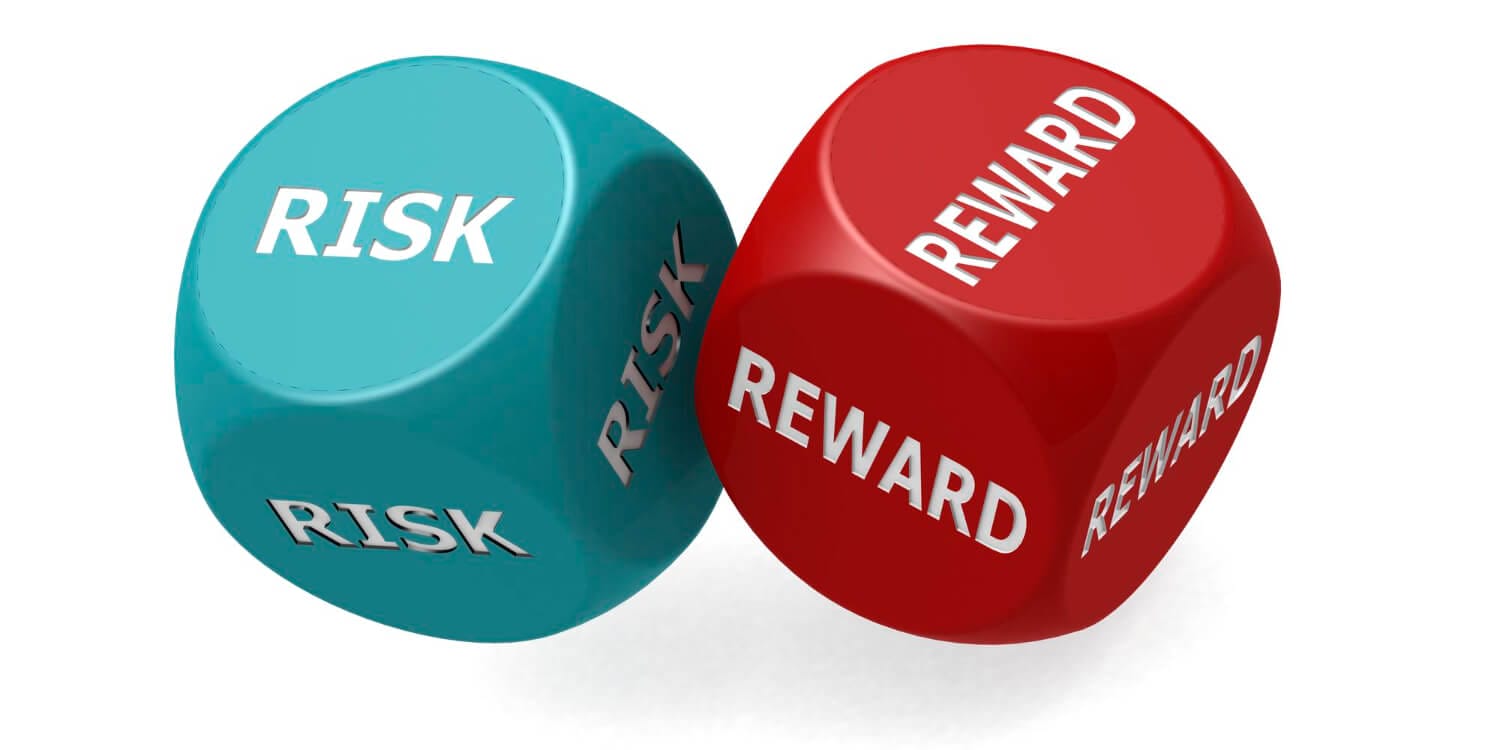
Risk itself isn’t bad—it’s necessary. But unmanaged risk? That’s dangerous. Every trade involves risk, but the goal is to balance it with potential reward.
Example: risking $100 to potentially make $300 (1:3 ratio) is smart. Risking $1,000 to make $100 is financial suicide. Risk-takers often flip this ratio, chasing small wins with huge risks—and eventually, it backfires.
10. Stories That Prove the Myth Wrong
History gives us countless examples of traders who thrived not because they were daredevils, but because they were cautious planners:
-
George Soros, who broke the Bank of England, didn’t risk recklessly. He studied, waited, and struck with precision.
-
Paul Tudor Jones is famous for his risk management discipline, not gambling instincts.
-
Countless everyday traders succeed quietly, not by swinging for the fences, but by hitting singles consistently.
The flashy gamblers get attention, but the disciplined ones build empires.
11. The Problem With the “High-Risk, High-Reward” Mentality
We’ve all heard it: “High risk equals high reward.” Sounds motivational, right? But in trading, it’s misleading. Yes, sometimes higher risks pay off—but often, they lead to higher losses.
The smarter mindset is: “Calculated risk equals sustainable reward.” It’s not about how big the win is; it’s about how consistent the wins are. A trader who makes small, steady gains will outlast a trader chasing jackpots.
12. Building a Trader’s Mindset

If forex isn’t about being a risk-taker, what kind of mindset do you need?
-
Patience: Wait for the right setups.
-
Resilience: Losses are part of the game.
-
Adaptability: Markets change; so should you.
-
Focus on the long-term: One bad day doesn’t define you.
Risk-takers think short-term. Professionals think in years. And that’s the real difference.
13. The Safer Path: Cautious, Strategic Trading
So, what does successful forex trading really look like? It’s not flashy. It’s not reckless. It’s about:
-
Protecting your capital
-
Making small, consistent gains
-
Using strategies that fit your lifestyle
-
Treating trading like a marathon, not a sprint
In short, forex trading isn’t a casino for risk-takers—it’s a business for disciplined minds.
14. Busting the Myth Once and for All
Let’s circle back. The myth says: “Only risk-takers succeed in forex trading.” Reality says: Successful traders succeed because they balance risk and reward, manage their emotions, and follow disciplined strategies.
So, if you think you need to be a wild risk-taker to win in forex, think again. The truth is boring—and boring works.
Conclusion
Forex trading isn’t about adrenaline or reckless bets. It’s about discipline, strategy, and smart risk management. The myth that only risk-takers succeed in forex trading is not just wrong—it’s dangerous. It encourages reckless behavior that destroys accounts and dreams.
If you want to succeed, forget the gambler’s mindset. Embrace caution. Build discipline. Treat forex like a business, not a lottery. Because in the long run, the cautious and strategic traders are the ones still standing when the dust settles.
FAQs
1. Do you need to take risks in forex trading?
Yes, but they must be calculated risks. Every trade involves some risk, but success comes from managing and minimizing it, not chasing it.
2. Is forex trading the same as gambling?
No. Gambling relies on chance, while trading relies on analysis, discipline, and strategy. Without these, trading can feel like gambling.
3. Can cautious traders really make money in forex?
Absolutely. Many successful traders are conservative, relying on steady gains rather than risky bets.
4. Why do most beginners fail in forex?
Because they chase quick wins, ignore risk management, and let emotions control their trades. Discipline and patience separate winners from losers.
5. What’s the best way to avoid reckless trading?
Follow a strict trading plan, use stop-loss orders, and never risk more than you can afford to lose. Treat forex like a business, not a thrill ride.