

The Chaos Behind a “Perfect” Trading Routine
Day trading sounds glamorous, doesn’t it? You wake up early, sip your coffee, read some news, and then dive into the markets ready to make your fortune. The problem? Most people think following a “perfect routine” guarantees success. Spoiler alert—it doesn’t. Routines help, yes, but if you think sticking to a schedule will magically make you rich, you’re already setting yourself up for failure.

The truth is, trading is brutal. Markets don’t care if you’ve had your morning coffee or if you’ve created a fancy watchlist. Without discipline, patience, and real risk management, even the best routine crumbles. Let’s tear apart the day trading routine step by step, and you’ll see why traders keep messing up despite doing “everything right.”
6:00 AM – Wake Up: Already Behind Before You Start
Everyone loves to brag about waking up early, like it’s some kind of secret weapon. “I wake up at 6:00 sharp,” they say, as if the market cares. The reality? Waking up early doesn’t matter if your brain is foggy from lack of sleep. Too many traders sacrifice rest just to feel “disciplined.” What happens next? They make dumb decisions because they’re running on fumes.
Think about it: would you drive a car at high speed after sleeping only four hours? Probably not. But traders do this daily, gambling their money while half-asleep. A 6:00 AM wake-up is great—if you actually went to bed on time. Otherwise, you’re not a disciplined trader, you’re just a sleep-deprived gambler.
6:15 AM – Have Coffee: Trading on Caffeine and Hope
Coffee is the holy grail for day traders. They cling to it like it’s a magic potion that will help them “outsmart the market.” Sure, caffeine wakes you up, but here’s the catch—too much and your heart’s racing faster than the price chart during a news release. Anxiety skyrockets, and guess what? That anxiety translates into reckless trading.
Let’s be honest: if your “trading edge” depends on a cup of coffee, you don’t have an edge at all. Coffee doesn’t make you a better trader; it just makes you a more alert loser when you blow up your account. Maybe try discipline over espresso shots next time.
6:30 AM – Exercise: Sweating Out Stress or Just Pretending?
Every trading guide tells you to exercise. “Clear your mind, get energized, prepare for the day.” Sounds great, right? Except most traders rush through it or skip it entirely. And the ones who actually do it often pat themselves on the back like they’ve already won the day. Newsflash: doing 20 pushups won’t save you from overleveraging on EUR/USD.
Exercise is helpful, but only if you actually commit to it daily. Think of it like stretching before a marathon. If you half-heartedly stretch and then sprint full speed, you’re begging for an injury. Trading is the same. If your mind isn’t prepared, all the jogging in the world won’t stop you from making impulsive trades.
6:50 AM – Shower: Washing Away Doubts? Not Really
Showering before trading might make you feel refreshed, but let’s not kid ourselves—it doesn’t wash away bad habits. A hot shower won’t rinse off greed, fear, or the urge to revenge trade. Too many traders think being “ready” physically means they’re ready mentally. Big mistake.
Think of it this way: you can polish a rusty car, but underneath, it’s still falling apart. The shower routine is fine, but unless you’ve trained your brain, the market will expose every weakness you’ve got. And trust me, it will do it faster than your shower heats up.
7:00 AM – Read News/Press Releases: The Trap of Information Overload


Here’s where most traders destroy themselves. They load up five news websites, Twitter feeds, and press releases thinking they’ll “get ahead.” But instead of clarity, they drown in noise. One analyst says buy, another says sell, and suddenly you’re second-guessing every move.
It’s like trying to drink from a firehose—you end up choking. The market doesn’t reward who reads the most headlines; it rewards who knows how to filter the noise. Sadly, most traders confuse being “informed” with being overwhelmed. And when you’re overwhelmed, you make emotional decisions. That’s a shortcut to disaster.
7:30 AM – Check Top % Gainers/Losers: The Illusion of Opportunity
Traders love this part. They check the biggest movers and think, “That’s where the money is today!” Wrong. Just because a stock or currency pair is moving doesn’t mean it’s worth trading. In fact, chasing gainers and losers is like chasing a dog that’s already out the door—you’re late, and you’re going to trip.
Here’s the painful truth: by the time you notice those big movers, the smart money already took their profits. You’re left holding the bag. The market doesn’t care that you spotted the “top gainer”—all it cares about is that you’re late to the party. And in trading, being late means losing.
8:00 AM – Create Watchlist: A List of False Hope
Ah yes, the watchlist—the holy grail of organization. Traders spend hours building their perfect list of assets to watch. But what happens? When the market opens, they panic and ignore it. The watchlist becomes nothing more than a decorative piece of paper, like a New Year’s resolution that never gets followed.
Creating a watchlist is only useful if you actually stick to it. But most traders treat it like a wish list, not a plan. They jump to random trades outside their list because “it looked good.” That’s not trading, that’s gambling. A watchlist without discipline is just another excuse for failure.
8:30 AM – Create Plan: The Biggest Lie Traders Tell Themselves
This is the part where traders pretend to be professionals. They jot down entry points, stop losses, targets, and pat themselves on the back. “Look at me, I have a trading plan!” Except when the market opens, all that planning flies out the window the second they see a red candle.
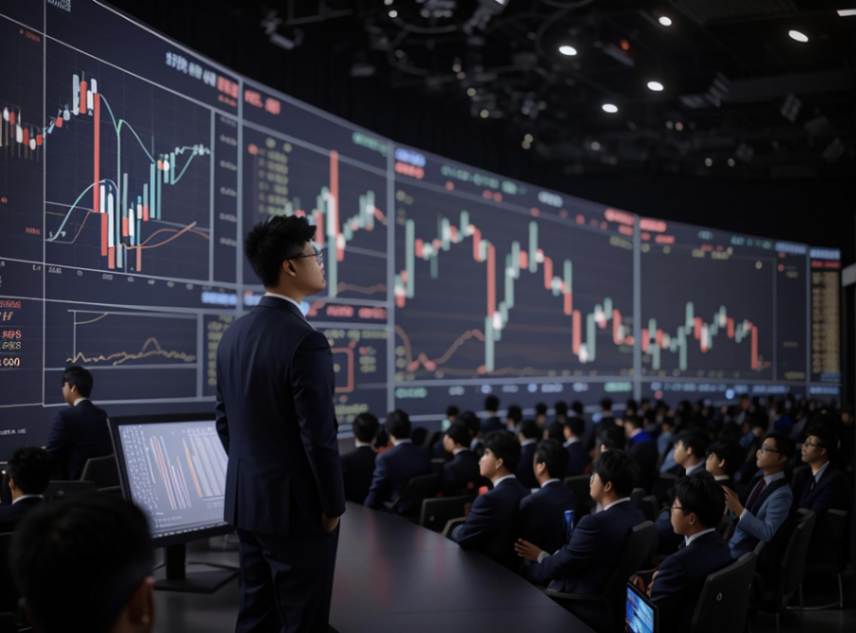
A plan is worthless if you don’t follow it. It’s like writing a diet plan and then binging on junk food. Traders constantly betray their own plans because emotions override logic. You know what that means? The plan was never the problem—you were.
9:00 AM – Wait for Market Open: The Longest Hour of Self-Doubt
Waiting for the market to open is brutal. Every minute feels like an eternity, and traders start second-guessing everything. Did I pick the right stocks? Should I adjust my plan? Maybe I should look at Twitter one more time. By the time the market opens, they’re already mentally exhausted.
This waiting game exposes one of the biggest weaknesses of day traders: impatience. If you can’t handle waiting an hour, how are you going to handle waiting days, weeks, or months for the right trade setup? The market punishes impatience, and sadly, that’s what most day traders specialize in.
The Market Opens: Where Discipline Dies
This is where all the routines crash and burn. The bell rings, prices move fast, and traders panic. Suddenly, all that planning and discipline vanishes. They chase moves, they overtrade, they ignore stop losses. The market becomes a battlefield, and most traders walk in unarmed.
Why? Because routines don’t matter if your psychology is weak. You can follow every step perfectly, but if you crumble under pressure, the market will eat you alive. It’s like preparing for a boxing match by practicing yoga—you’re calm, but you’re still going to get knocked out.
The Ugly Truth: Why Routines Alone Don’t Work
Here’s the harsh reality: a routine won’t save you. You can wake up early, exercise, drink green tea instead of coffee, meditate, journal, and still lose money. Why? Because trading isn’t about routines—it’s about discipline, risk management, and controlling your emotions.
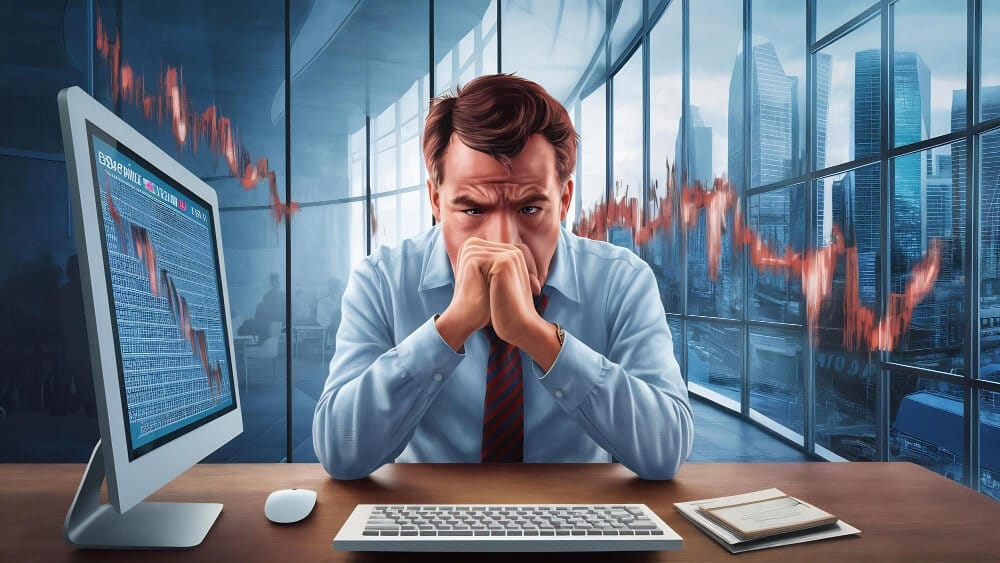
Too many traders obsess over their daily schedule while ignoring the real work: developing patience, sticking to stop losses, and not overleveraging. A flawless routine without mental toughness is like building a mansion on quicksand—it looks great, but it won’t last.
Conclusion: Fix the Trader, Not the Routine
Day trading routines look good on paper, but they don’t magically make you successful. The problem isn’t the schedule—it’s the trader following it. Without emotional control, patience, and discipline, no amount of coffee, exercise, or watchlists will help.
If you really want to succeed, stop obsessing over your morning checklist and start working on yourself. Learn to accept losses, manage your risk, and follow your plan even when your emotions scream otherwise. Because at the end of the day, it’s not your routine that makes or breaks you—it’s your mindset.
FAQs
1. Do I really need to wake up early to be a successful day trader?
Not necessarily. Sleep and mental sharpness matter more than waking up at 6:00 AM. A tired trader is a losing trader.
2. Is coffee bad for trading focus?
Too much caffeine can increase anxiety, which often leads to impulsive trades. Moderation is key.
3. Should I trade only from my watchlist?
Yes. Jumping into trades outside your list usually leads to emotional and unplanned decisions.
4. Why do most traders ignore their own plans?
Because emotions override logic. Fear and greed often make traders abandon their strategy.
5. Can routines alone make me profitable?
No. Routines help build structure, but discipline, risk management, and psychology matter more.