

When people find themselves drowning in debt, they often look for fast ways to dig themselves out. And it’s no surprise that forex trading pops up as a tempting option. With flashy ads showing traders driving luxury cars or sipping cocktails on the beach, it’s easy to believe that a few trades could wipe away years of financial struggles.

But here’s the truth—forex trading is not a quick fix for debt. In fact, believing this myth can make your financial situation even worse. Let’s break it down step by step and uncover why this mindset is dangerous, what really goes into successful trading, and healthier alternatives if you’re trying to get out of debt.
1. The Myth vs. The Reality
-
The Myth: Forex trading is a quick solution to financial problems.
-
The Reality: Forex trading requires years of practice, discipline, and capital. Using it as a “get out of debt fast” scheme usually backfires, leaving people in even deeper financial holes.
Think of it this way: would you gamble your last paycheck at a casino hoping to pay off your mortgage? That’s essentially what many people do when they jump into forex trading without experience, hoping for a miracle.
2. Why People Believe Forex Can Solve Debt Problems
There’s a psychological trap here. Debt creates desperation. And desperation makes people more vulnerable to promises of quick fixes. Marketing around forex often highlights:
-
“Earn thousands daily!”
-
“Quit your job and trade full-time!”
-
“Turn $100 into $10,000 in weeks!”
When you’re under financial stress, these messages feel like lifelines. Unfortunately, they are illusions.
3. The Harsh Reality of Forex Losses
Here’s the uncomfortable truth: most retail forex traders lose money. Statistics from brokers and regulators consistently show that more than 70–80% of traders fail. Why?
-
High volatility: Currency markets move unpredictably.
-
Leverage risk: Brokers offer leverage like 1:500, which can magnify both gains and losses.
-
Emotional decisions: Fear and greed often take over rational trading.
So instead of solving debt, many people end up piling on more.
4. Trading Under Financial Pressure – A Recipe for Disaster

Trading while in debt is like running a marathon with a broken leg. Your judgment is clouded by pressure, and you’ll likely make reckless decisions. Some common mistakes include:
-
Overtrading: Taking too many trades, hoping one big win will save you.
-
Ignoring risk management: Skipping stop-loss orders to chase “just one more pip.”
-
Doubling down on losses: Borrowing more money to “recover” from losing trades.
This spiral is the exact opposite of financial freedom—it’s financial ruin.
5. The Time Investment Nobody Talks About
Successful forex trading isn’t about pressing a button and watching money flow in. It requires:
-
Years of learning: Technical analysis, fundamental news, risk management.
-
Testing strategies: Backtesting, demo accounts, trial and error.
-
Discipline and patience: Waiting for the right setups instead of chasing the market.
Ask yourself: if it really were a quick fix, why do professional traders spend decades mastering their craft?
6. The Illusion of Leverage
Leverage is one of the most dangerous tools in forex. Imagine you borrow 100x more money than you have to place a trade. If it works, you could multiply your profits. If it fails, you’re wiped out instantly.
It’s like trying to balance on a skyscraper ledge—you might get an amazing view, but one wrong step and it’s over.
7. The Mental Stress of Trading While in Debt
Being in debt is already mentally exhausting. Adding forex trading into the mix makes it worse. Here’s why:
-
Sleep deprivation: Markets move 24/5, and you may stay up all night watching charts.
-
Constant anxiety: Every pip feels like a life-or-death moment.
-
Emotional crashes: One loss could undo days of “progress.”
Instead of providing relief, forex often deepens stress and depression when used as a debt solution.
8. Case Studies – From Debt to Deeper Debt

Real-life stories show the danger. Many traders borrow money, hoping forex will be their salvation. Some even take out loans or max out credit cards. Most end up worse off.
For example:
-
A man invests his $5,000 emergency fund, hoping to double it and pay off debt. Within weeks, it’s gone.
-
Another trader takes out a $10,000 loan, thinking forex will cover monthly repayments. Instead, losses mount, and now he owes both the loan and the broker.
These are not rare cases—they are the norm.
9. The False “Quick Money” Mentality
The idea of quick money is what traps most beginners. They see forex as a shortcut, but shortcuts in finance rarely exist. It’s the same reason lottery winners often go broke—they didn’t build sustainable financial habits.
Forex trading is not a lottery ticket. It’s a skill. And skills take time to build.
10. Healthy Alternatives to Pay Off Debt
If you’re serious about getting rid of debt, there are healthier and more reliable options:
-
Debt snowball method: Pay off the smallest debt first, then roll payments into larger debts.
-
Debt avalanche method: Tackle the highest interest debt first to save money long-term.
-
Side hustles: Freelancing, tutoring, gig work—all more predictable than forex.
-
Financial counseling: Professionals can negotiate with creditors on your behalf.
These options may not be glamorous, but they actually work.
11. Can Forex Ever Be Part of a Long-Term Plan?
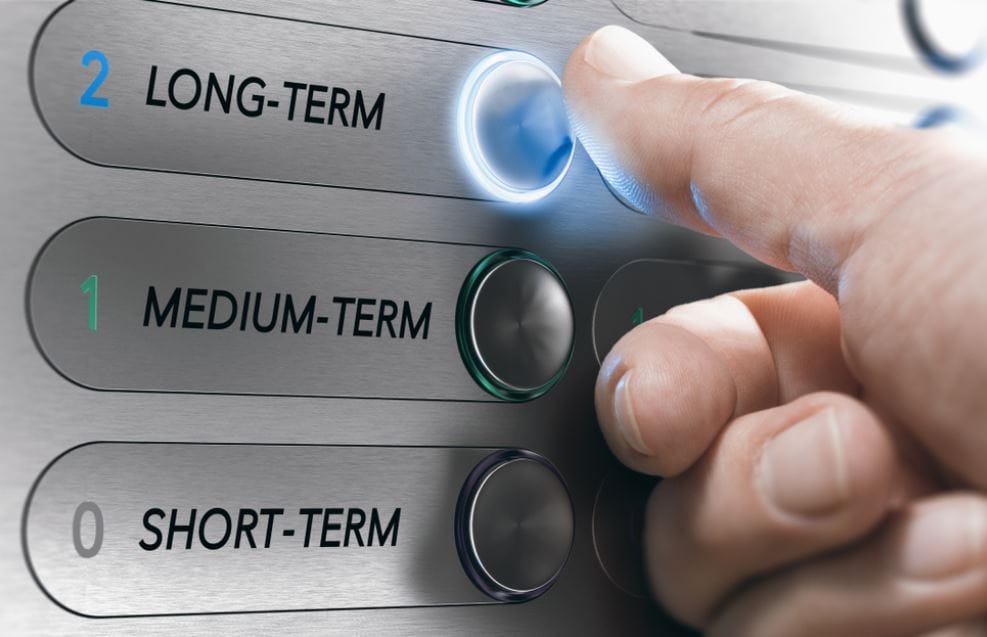
Now, to be fair, forex trading isn’t completely evil. With proper education, capital, and time, some traders do succeed. But here’s the catch—it’s not a debt solution. It’s a career path or investment tool. If you want to get into forex, do it from a position of stability, not desperation.
12. Final Thoughts – Stop Looking for Magic Solutions
Debt creates urgency, and urgency makes people reckless. Forex trading, when approached as a quick fix, is nothing more than gambling with higher stakes. The markets don’t care about your bills or your deadlines—they move on their own terms.
If you’re struggling with debt, avoid the siren song of quick profits. Focus on proven debt-reduction strategies and only consider forex once you’re financially stable, emotionally balanced, and willing to treat it like the demanding profession it truly is.
Conclusion
Forex trading is not a quick way to pay off debt—it’s one of the riskiest paths you could take when you’re already financially vulnerable. The myth sells a dream, but the reality often delivers a nightmare. True debt relief comes from structured repayment strategies, better money management, and patience—not risky shortcuts. If you’re serious about building financial freedom, start with the basics, not with chasing high-stakes trades.
FAQs
1. Can I use forex trading to pay off my student loans quickly?
No. Forex trading is too risky and unpredictable to rely on for paying off debt. You could easily lose your money instead of clearing your loans.
2. What’s the biggest danger of trading forex while in debt?
The pressure to make fast money leads to reckless decisions, overtrading, and bigger financial losses.
3. Is forex trading completely bad?
Not at all. Forex can be profitable for disciplined, educated traders with capital they can afford to risk. It’s just not a debt solution.
4. How long does it take to become a successful forex trader?
Usually several years of practice, education, and discipline. It’s not something you can master overnight.
5. What should I do instead of forex to get out of debt?
Focus on debt repayment methods like the snowball or avalanche strategy, increase income with side hustles, and seek financial advice if needed. These approaches are far safer and more reliable.