

Let’s get brutally honest — the biggest enemy in trading isn’t the market, the brokers, or even bad luck. It’s your ego.
That little voice that says, “I can’t be wrong,” or “I’ll double down and show them,” is the same voice that empties accounts and breaks dreams. Trading is not a place for pride, it’s a battlefield where humility wins and arrogance kills.
In this article, we’ll dive deep into how ego-driven trading destroys profits, confidence, and long-term growth — and how to strip that ego away before it ruins your financial future.
What Exactly Is Trading Ego?
Your trading ego is that internal need to be right rather than to make money.
It’s the mindset that values being “the smartest in the room” over being profitable.
When you start believing you’ve mastered the market, you stop listening to it. That’s when the downfall begins.
Think of your ego like a fog — it blinds you from seeing the road ahead clearly. You might think you’re steering straight, but in reality, you’re driving right off a cliff.
Why Ego Is So Dangerous in Trading
Trading requires adaptability. The market changes, trends shift, and new data floods in daily.
An ego, however, resists change. It says, “I know better.”
That mindset leads to:
-
Overtrading just to prove a point.
-
Ignoring stop-loss levels.
-
Taking revenge trades after a loss.
-
Refusing to learn from mistakes.
Each of these behaviors compounds losses — not just financially but emotionally too. And once your emotions spiral, your account balance follows.
The “I Can’t Be Wrong” Syndrome
If you’ve ever held onto a losing trade hoping it’ll turn around, you’ve felt this syndrome firsthand.
That stubborn belief — “it’ll come back” — isn’t strategy; it’s ego in disguise. The truth?
Markets don’t care about your feelings or your need to be right. They reward those who can admit they’re wrong quickly and cut losses early.
Every second you refuse to close a bad trade is your ego dragging you deeper into the hole.
Arrogance After a Winning Streak
Ironically, success often births arrogance. After a few good trades, some traders start feeling untouchable.
They increase position sizes, take unnecessary risks, and stop analyzing properly because they believe they’ve “figured it out.”
That’s when the market humbles them — hard.
The market is the great equalizer. It doesn’t care how well you did last week. One wrong move with inflated confidence, and it’ll remind you who’s boss.

Revenge Trading: Ego’s Favorite Game
Nothing screams ego louder than revenge trading.
It’s the impulsive decision to “get back” at the market after a loss.
Here’s the truth: the market isn’t your enemy. It didn’t “do” anything to you. It’s just reacting to global conditions, not your emotions.
But traders with big egos take it personally. They chase losses, double down, and usually end up losing twice as much.
Trading angry is like trying to put out a fire with gasoline — it only gets worse.
How Ego Distorts Your Decision-Making
Ego clouds judgment. It makes traders overlook warning signs and twist data to fit their narrative.
Instead of analyzing objectively, they only see what supports their opinion.
For example:
-
Ignoring bad news because “the trend will reverse soon.”
-
Holding onto trades long past reason.
-
Dismissing other traders’ insights as “inexperienced.”
A rational trader listens to the market.
An ego-driven trader argues with it. Guess who ends up broke?
Learning to Admit When You’re Wrong
The strongest traders aren’t those who never make mistakes — they’re the ones who admit mistakes fast.
Accepting you were wrong doesn’t mean you’re weak; it means you’re smart enough to protect your capital.
Remember: every loss you take early is a victory against your ego.
Cutting losses is an act of strength, not defeat.
The Psychological Trap of Overconfidence
Overconfidence is like trading with blinders on. You only see the upside and ignore every risk.
You start thinking, “I can’t lose,” which often leads to:
-
Trading too frequently.
-
Ignoring risk-to-reward ratios.
-
Removing stop losses “just this once.”
Before you know it, that “invincible” feeling becomes your downfall. Confidence is good — but in trading, overconfidence is poison.
How Ego Prevents Growth
Every great trader evolves. But ego stops evolution in its tracks.
Why? Because you can’t learn when you think you already know everything.
Ego-driven traders:
-
Avoid backtesting.
-
Ignore constructive criticism.
-
Blame brokers, news, or others for their losses.
The truth? The market is the greatest teacher. But if your ego’s doing all the talking, you’ll never hear the lesson.
Humility: The Secret Weapon of Successful Traders
Humility is the antidote to ego.
It keeps you grounded, realistic, and adaptable.
A humble trader:
-
Accepts uncertainty.
-
Respects the market’s power.
-
Reviews mistakes without shame.
Humility doesn’t mean lack of confidence — it means confidence with discipline.
Think of it like surfing. You can’t control the wave, but you can control how you ride it.

Practical Steps to Eliminate Ego from Trading
Let’s get practical. How do you actually silence your ego?
1. Journal Every Trade – Write down your reasoning, emotions, and outcome. When you see patterns of overconfidence or stubbornness, fix them.
2. Use Stop-Losses Religiously – Never move them “just because you feel lucky.”
3. Set Risk Limits – Decide how much you can lose per day or week — and stick to it.
4. Review Losers, Not Just Winners – You learn more from pain than pleasure.
5. Step Away When Emotional – Trading angry or desperate is your ego begging for control. Don’t let it.
The market rewards calm, rational thinkers — not impulsive gamblers.
Real-Life Example: The Fall of the Overconfident Trader
Let’s picture “John.”
John started with $10,000 and turned it into $20,000 in a few weeks. He thought he was a genius — “The next Warren Buffett,” he told his friends.
Then he decided to “go big” with no stop-loss, convinced his analysis was perfect.
One unexpected news event later, and his $20,000 account was down to $2,000.
Did the market betray him? No.
John betrayed himself — by letting his ego take the wheel.
The Role of Emotional Discipline in Long-Term Success
Trading isn’t just about charts and indicators — it’s about emotional control.
Discipline is what separates amateurs from professionals.
An ego-free trader knows that survival comes before success.
They’d rather take a small loss today than risk total destruction tomorrow.
Trading is a marathon, not a sprint. Ego wants quick glory. Discipline builds longevity.
The Market Has No Mercy — But It Rewards Respect
The market doesn’t care about your background, your theories, or your feelings.
It doesn’t owe you profits. It only respects those who respect it.
When you approach the market with humility, patience, and discipline, you align with its rhythm.
When you approach it with ego and arrogance, it will crush you without hesitation.
Turning Failure into a Teacher, Not a Wound
Losing trades hurt. But what makes them worse is when ego turns that pain into bitterness.
Instead of thinking, “I learned something,” you think, “The market is unfair.”
That mindset ensures you never grow.
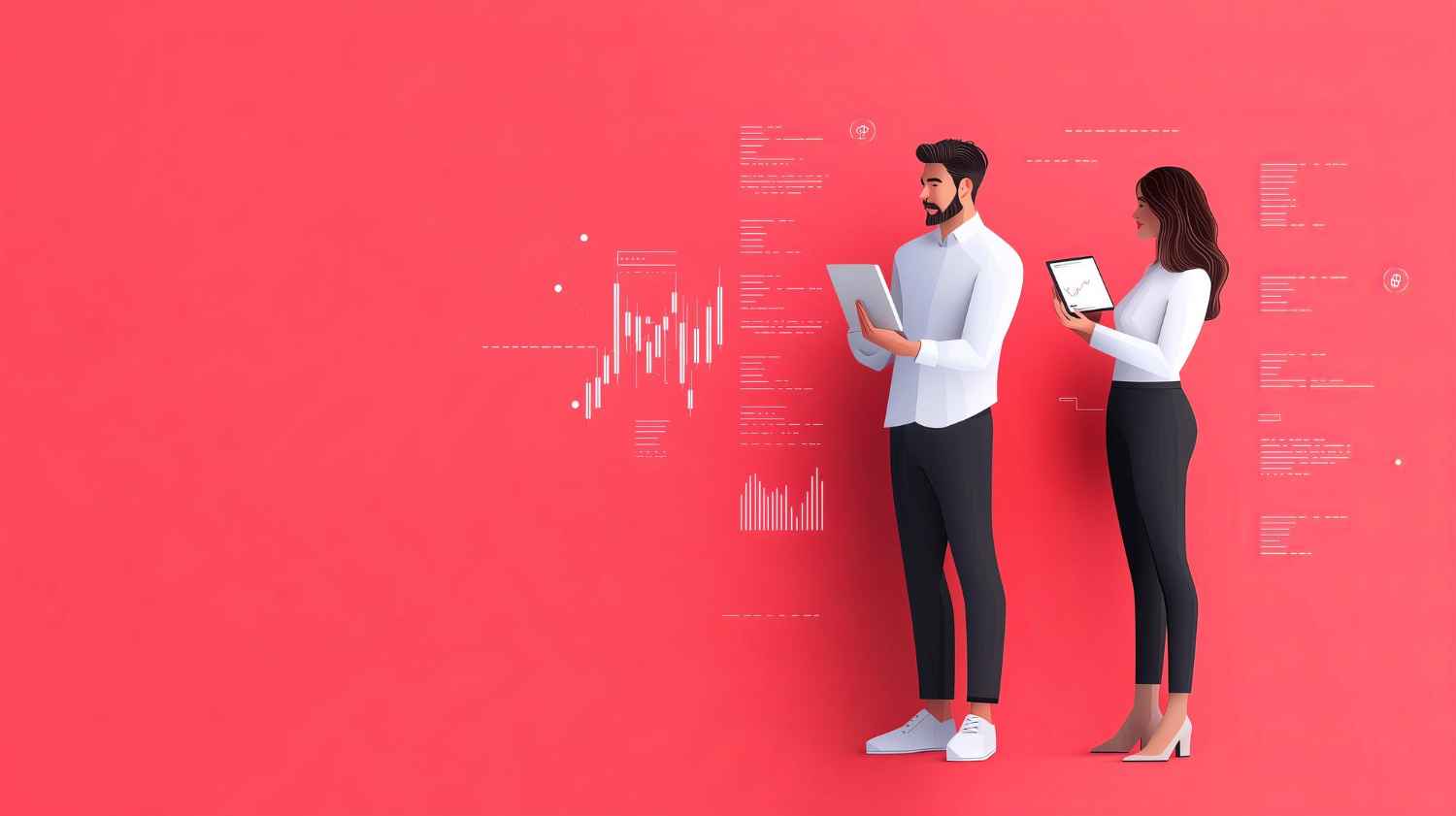
Shift your perspective: every loss is a tuition fee in the school of trading. The sooner you pay attention, the sooner you graduate.
Surround Yourself with Realists, Not Cheerleaders
If everyone around you praises your every move, your ego grows unchecked.
You need people who’ll challenge your ideas and question your assumptions.
Join trading communities that value honesty, not hype.
Constructive criticism stings at first — but it’s the best weapon against arrogance.
Building a System That Outrules Emotion
The best traders don’t “feel” their way through trades — they follow systems.
Build a trading plan that defines:
-
Entry and exit points.
-
Stop-loss and take-profit levels.
-
Daily trading limits.
Then follow it religiously.
The moment you start saying, “I’ll just break the rule this once,” you’ve already lost control.
Detach Your Identity from Your Trades
Here’s the harsh truth: You are not your trades.
Losing doesn’t make you a loser. Winning doesn’t make you invincible.
Ego merges identity with results — which is toxic.
When your self-worth depends on your profits, you’ll chase validation instead of logic.
Detach your emotions. You’re a trader — not a fortune teller.
The Long-Term Trader’s Mindset
Long-term success isn’t about predicting the market perfectly. It’s about managing yourself perfectly.
Traders who survive decades don’t do it because they always win — they do it because they never let ego cloud their decisions.
Patience, humility, and discipline — these are the real indicators of a professional.

Conclusion
Ego is the invisible enemy that destroys more trading accounts than bad strategies ever will. It thrives on overconfidence, stubbornness, and emotional attachment. But once you recognize it, you can control it.
The traders who last — who truly master the game — are those who accept they’ll be wrong often, learn fast, and move on without pride.
So the next time your ego whispers, “You can’t lose,” remember: that’s the exact moment you’re most at risk of losing it all.
FAQs
1. How do I know if ego is affecting my trading?
If you’re ignoring stop-losses, overtrading, or refusing to admit mistakes, ego has already taken the wheel.
2. Can confidence and ego coexist in trading?
Yes, but balance is key. Confidence comes from skill and discipline; ego comes from pride and emotion.
3. What’s the fastest way to eliminate ego from trading?
Start journaling every trade and review your mistakes objectively. Self-awareness kills ego faster than anything else.
4. Why does success often inflate traders’ egos?
Because small wins create an illusion of control. The more wins you have, the more you think you can’t lose — until the market proves otherwise.
5. Is humility really that important in trading?
Absolutely. Humility keeps you flexible, rational, and calm — all traits of consistently profitable traders.