

Ever found yourself staring at a perfect trading setup today, only to lose confidence in it tomorrow? You’re not alone. This emotional rollercoaster is one of the biggest traps in trading. The truth is simple — a good setup today will still be valid tomorrow. What changes isn’t the setup; it’s you. Your emotions, impatience, and the urge to “do something” distort your judgment.
In this article, we’ll dig deep into the mindset and discipline that every trader needs to master to stay consistent. We’ll explore why good setups remain valid over time, how to avoid sabotaging yourself, and what true trading discipline looks like.
The Myth of the Perfect Entry
Let’s get one thing straight — there’s no such thing as a perfect entry. Many traders waste hours waiting for a candle to close at the “perfect” point or the RSI to align exactly as planned. But here’s the harsh truth: markets don’t care about perfection.
A setup’s validity doesn’t depend on pixel-perfect conditions; it depends on whether the logic behind it still holds. Traders who constantly chase the perfect entry usually end up missing the move entirely or entering out of frustration.
Why a Good Setup Doesn’t Expire Overnight
If your analysis was solid yesterday — strong support, resistance, confluence, or structure — what changed overnight? Probably nothing significant. Markets move in waves, not in one straight line.
A valid setup remains valid until market structure breaks — not until your patience runs out. This is where most traders fail. They confuse time with invalidity. Just because it hasn’t played out yet doesn’t mean it’s wrong.
The Psychological Battle: Patience vs. Impulse
Patience is boring. Impulse is exciting. And that’s why traders struggle. You can spot a great setup, but if it doesn’t move immediately, your brain starts whispering doubts.
You start thinking, “Maybe I’m wrong,” or “What if I miss another opportunity?” — and boom, you close early or jump into a random trade. True discipline means sitting through the silence, trusting your plan, and accepting that waiting is also a trading skill.
Emotional Traps That Kill Good Setups
Emotions are like termites — small but destructive. They eat away at good setups before they can mature. Here are the top emotional traps traders fall into:

-
Fear of Missing Out (FOMO): You see another pair moving and abandon your setup.
-
Greed: You add more positions without confirmation.
-
Doubt: You overanalyze and convince yourself the setup “expired.”
-
Impatience: You exit before the move even starts.
The real damage happens not because the setup failed, but because you did.
The Power of Waiting for Confirmation
A disciplined trader doesn’t rush. They let the market come to them. Confirmation is the bridge between a good idea and a profitable trade.
Waiting for confirmation — like a retest, candle closure, or rejection — ensures you’re trading what’s happening, not what you hope will happen.
Think of it like fishing. You don’t yank the line the second the fish nibbles. You wait for that firm pull before you strike.
The Illusion of Activity in Trading
Many traders mistake activity for progress. They believe that the more they trade, the faster they’ll succeed. But trading is not a 9-to-5 job; it’s a waiting game.
Every click, every open order, every unnecessary trade chips away at your discipline. The market rewards patience, not panic. Sometimes, the best trade is no trade at all.
Trusting Your Analysis: The Backbone of Consistency
A setup is only as strong as the confidence behind it. If you did your analysis based on structure, confluence, and risk management — trust it.
The moment you start changing your plan mid-trade, you destroy your consistency. Discipline means following through with your analysis even when doubt creeps in. A good trader knows when to stick and when to fold — and that comes from confidence, not luck.
Risk Management: The Silent Discipline
Risk management isn’t sexy, but it’s what keeps traders alive. A solid setup can still fail. That’s reality. But if your risk is under control, you live to trade another day.
Set your stop-loss. Define your lot size. Accept the loss before entering the trade. That’s real discipline. Without risk control, you’re not trading — you’re gambling.
The Difference Between a Setup and a Signal
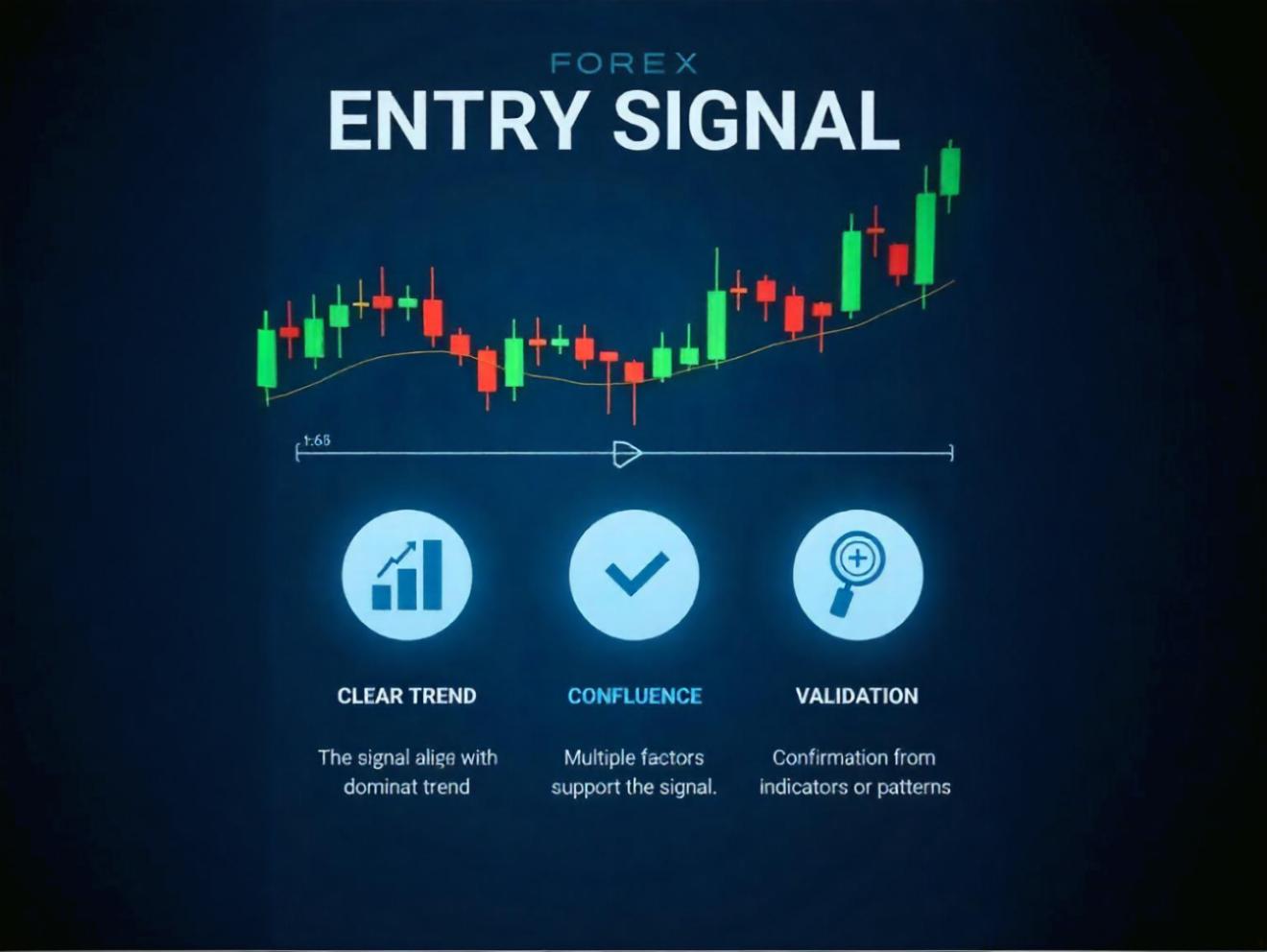
A setup is a potential — a situation that aligns with your strategy. A signal is confirmation that it’s time to act. Many traders confuse the two.
A good setup may stay valid for days or even weeks until a signal appears. But most traders get restless and enter before that happens. The result? Premature losses.
Remember: the market doesn’t care about your impatience. A signal that comes tomorrow is still part of today’s setup.
How Professional Traders Handle Time
Professional traders aren’t in a hurry. They know that the market repeats itself. If they miss one move, another will come.
They operate with a long-term mindset — protecting capital, building consistency, and focusing on probabilities.
Amateur traders, on the other hand, act like every setup is their last chance. That desperation kills their edge. The pros understand something vital: the setup you ignore today will reappear tomorrow in another form.
Journaling: The Forgotten Tool of Discipline
If you’re serious about improving, start journaling. Write down every setup, the reason you entered or skipped it, and the result.
Over time, you’ll notice patterns — emotional reactions, repeated mistakes, and setups that consistently work. Journaling forces accountability. It’s your mirror, reflecting your real habits, not the excuses you tell yourself.
Learning to Detach from the Outcome
This is the hardest lesson of all. Once you’ve entered a trade, your control ends. What happens next is up to the market.
Detaching from the outcome doesn’t mean you don’t care; it means you’ve accepted uncertainty. You’ve done your analysis, managed your risk, and followed your plan. Whether it hits take profit or stop loss — you did your job.
That’s trading discipline in its purest form.
The Setup That Teaches Patience
Imagine this: you’ve spotted a perfect setup on EUR/USD. Structure aligns, price is at key support, and momentum hints at reversal. You wait for confirmation.
Day 1 — nothing.
Day 2 — still ranging.
Day 3 — doubt creeps in.
Day 4 — it finally breaks and hits your target.
That’s the kind of setup that trains your patience. Every day you waited built your mental muscle. A good setup doesn’t reward impatience — it tests it.
When to Invalidate a Setup
Now, let’s be clear — not every setup lasts forever. If market structure breaks (like a strong close beyond key levels, invalidating your bias), the setup’s over.
The difference between a patient trader and a stubborn one is the ability to know when the market proves them wrong. Discipline is not just about waiting — it’s about knowing what you’re waiting for.

Discipline Is a Skill, Not a Trait
People often say, “I’m just not patient.” That’s nonsense. Patience and discipline are skills, not personality traits. You can train them.
Start by reducing screen time, setting alerts, and walking away once your analysis is done. Discipline grows with repetition. Every time you resist the urge to overtrade, you strengthen your mental edge.
Conclusion
A good setup today doesn’t lose its value tomorrow. What changes is your mindset. Trading discipline isn’t about predicting the market — it’s about controlling yourself when it doesn’t move your way.
The traders who succeed are not the smartest or fastest. They’re the ones who can sit on their hands when everyone else is panicking.
Remember: a good setup will wait for you — but your emotions won’t. Master them, and you’ll master the market.
FAQs
1. How do I know if a setup is still valid the next day?
If the market structure remains intact and no key levels are broken, your setup is still valid. Only invalidate it when the technical foundation fails, not when time passes.
2. Why do I lose patience waiting for trades?
Because trading triggers emotional discomfort. Your brain craves action, but trading rewards patience. Train yourself to wait by setting alerts instead of watching every tick.
3. What’s the biggest difference between a beginner and a disciplined trader?
Beginners chase every move. Disciplined traders wait for high-probability setups and manage risk like professionals. They focus on survival, not thrill.
4. Can journaling really improve discipline?
Absolutely. Journaling exposes emotional patterns and impulsive decisions. It helps you see mistakes objectively instead of repeating them.
5. Is it okay to miss trades while waiting for confirmation?
Yes — missing trades is part of trading. There’s always another opportunity around the corner. It’s better to miss a winning trade than to enter a losing one out of impatience.