

Trading often feels like a game of patience, discipline, and timing. The quote in the image — “High probability setups are worth the wait” — sums up one of the most critical truths in trading. Many traders, especially beginners, get stuck in the trap of overtrading. They jump into the market without a proper setup, hoping to catch every single move. But here’s the reality: the market rewards patience, not desperation.
In this article, we’ll break down why waiting for high probability setups is the foundation of successful trading. You’ll discover how to identify such setups, why impulsive trading leads to losses, and how you can develop the patience and mindset needed to wait for the right opportunities. Let’s dig deep into this vital concept.

What Does “High Probability Setup” Mean in Trading?
A high probability setup is a trading opportunity that aligns with multiple technical, fundamental, and psychological factors, giving you a greater chance of success. It’s not about certainty — no trade is 100% guaranteed. Instead, it’s about stacking the odds in your favor.
Think of it like poker. Professional players don’t play every hand. They wait for the right cards and the right moment. Similarly, in trading, a high probability setup is that “perfect hand” you’ve been waiting for.
Why Most Traders Fail: The Impulse Trap
Many traders lose money because they trade out of boredom, fear of missing out (FOMO), or greed. They jump into the market without proper analysis, thinking every little move is an opportunity. But here’s the problem:
-
Low-quality trades drain your account.
-
Overtrading clouds your judgment.
-
Chasing every signal increases emotional stress.
It’s like fishing in a pond. If you throw your net blindly, you’ll end up catching junk instead of the prize fish. High probability setups ensure you only cast your net when you’re confident there’s something valuable there.
The Psychology Behind Patience in Trading
Patience isn’t just a skill — it’s a weapon. Most traders can analyze charts, but very few can sit still and wait for the perfect setup. The market constantly tempts you with noise and fake moves.
Waiting for the right setup requires:
-
Discipline: Sticking to your plan and avoiding impulsive trades.
-
Confidence: Believing that missing a trade is better than losing money.
-
Emotional control: Accepting that sometimes the market doesn’t give you what you want.
In other words, patience separates gamblers from professionals.
Characteristics of a High Probability Setup
So, what makes a trade worth the wait? A high probability setup often includes:
-
Confluence of signals: Multiple technical indicators align (e.g., trendlines, support/resistance, Fibonacci retracement).
-
Strong market context: The trade fits within the broader trend rather than going against it.
-
Clear entry and exit points: No guessing. You know your stop-loss and take-profit levels.
-
Risk-to-reward ratio: Ideally, at least 1:2 or higher.
-
Low emotional interference: You’re not trading because you’re bored — you’re trading because it makes sense.
When all these factors come together, the odds are in your favor.
Examples of High Probability Trading Scenarios
Here are some classic setups worth waiting for:
-
Breakout of a key resistance level after multiple failed attempts.
-
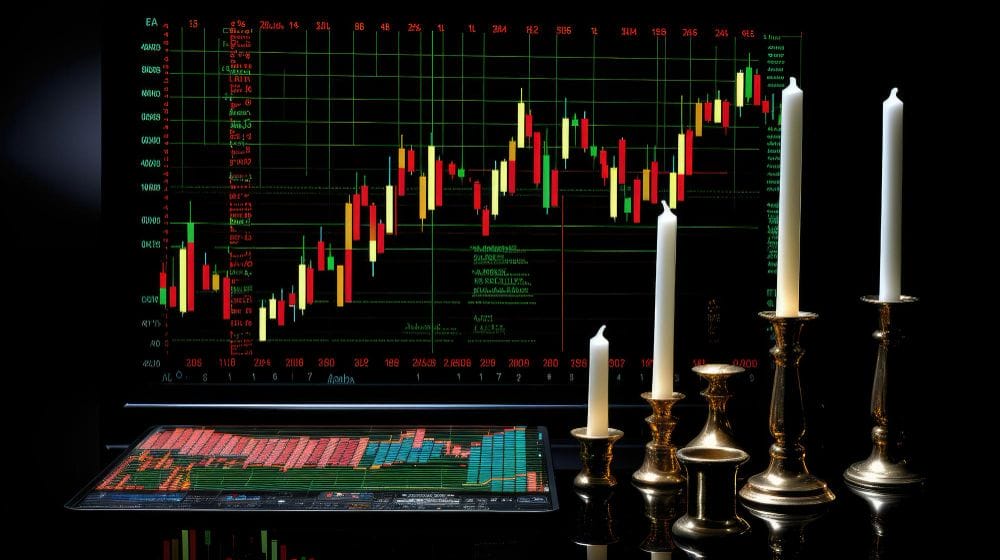
Reversal candlestick patterns (e.g., hammer, engulfing) at strong support zones.
-
Pullback to the moving average in a trending market.
-
Consolidation followed by a breakout with high volume.
Each of these setups has one thing in common: they show clear evidence that the market is likely to move in your favor.
Why Waiting Feels Hard (But Pays Off)
The hardest part of trading is often doing nothing. Your mind tells you: “What if I miss out? What if the market runs without me?”
But here’s the reality: trading is like hunting. A lion doesn’t chase every zebra it sees. It waits for the weak, isolated one — the high probability kill. Similarly, you don’t need to take every trade. You only need the right ones.
The Cost of Trading Low Probability Setups
Let’s flip the coin. What happens when you take low-quality trades?
-
Higher drawdowns: You lose more often, draining your capital.
-
Emotional exhaustion: Losses trigger frustration, anger, or revenge trading.
-
Missed real opportunities: You’re so busy chasing bad trades that you’re not ready for good ones.
In short, low probability setups eat your account alive.
Building a Strategy Around High Probability Setups
To maximize your success, you need a strategy that filters out noise and highlights only the best trades. Here’s how:
-
Define your setup criteria (trend confirmation, candlestick patterns, indicators).
-
Backtest your strategy on historical data.
-
Stick to your trading plan no matter what.
-
Keep a trading journal to review your mistakes and improve.
Remember: the goal is not to trade more but to trade better.
The Role of Risk Management
Even high probability setups can fail. That’s why risk management is critical. A good trader always knows:
-
How much they’re willing to lose per trade.
-
How to size their positions correctly.
-
Where to place stop-loss orders to protect their account.
Think of risk management as your seatbelt. You hope you’ll never need it, but you’ll be glad it’s there when things go wrong.

Patience vs. Overtrading: A Daily Battle
Every trading day tests your patience. The market moves constantly, and it’s tempting to act. But ask yourself:
-
Does this setup fit my trading plan?
-
Am I trading because I see a real opportunity, or just because I’m bored?
-
What’s the risk-to-reward ratio?
If the answer doesn’t scream “high probability,” it’s better to wait. Overtrading is the silent killer of trading accounts.
Lessons from Professional Traders
Professional traders don’t trade every day. Some may take just a few trades a month, but those trades are carefully chosen.
-
Warren Buffett often says: “The stock market is designed to transfer money from the active to the patient.”
-
Forex and stock pros wait for the market to “come to them” rather than chasing it.
That’s the difference between amateurs and pros: pros understand that waiting is part of the job.
How to Develop Patience in Trading
If waiting is so important, how do you train yourself to do it?
-
Practice mindfulness: Don’t let emotions dictate your trades.
-
Limit screen time: The more you stare at charts, the more tempted you’ll be to act.
-
Use alerts: Let technology notify you when your setup forms.
-
Review past trades: Notice how many losses came from impatience.
Over time, you’ll realize that trading less often actually makes you more profitable.
High Probability Setups in Different Markets
Whether you’re trading Forex, stocks, or crypto, the principle remains the same: wait for strong setups.
-
In Forex: Look for confluence between technical levels and economic news.
-
In stocks: Earnings reports or major technical breakouts can create high probability moves.
-
In crypto: Volatility makes patience even more critical, as fake breakouts are common.
Each market has noise, but patience cuts through it.
The Long-Term Benefits of Patience
By consistently waiting for high probability setups, you gain:
-
Consistency: Fewer but better trades lead to steady growth.
-
Lower stress: You don’t panic over every market tick.
-
Confidence: You trust your process instead of gambling.
-
Longevity: You stay in the game longer, which increases your chances of success.
Remember: trading is a marathon, not a sprint.
Conclusion
The phrase “High probability setups are worth the wait” isn’t just a catchy trading quote — it’s a survival strategy. The market will always tempt you with noise, but your job is to filter it out and wait for the best opportunities. Trading isn’t about being busy; it’s about being effective.
Think of it this way: would you rather take 50 random trades with tiny odds of success, or 5 carefully chosen trades with strong probabilities? The answer is obvious. Patience isn’t just a virtue in trading — it’s profit.
So, the next time you feel the urge to jump into a mediocre setup, remember: the best trades are like buses. If you miss one, another will come along. But only if you’re patient enough to wait.
FAQs
1. What makes a setup high probability in trading?
A high probability setup combines multiple factors such as trend confirmation, support/resistance levels, candlestick patterns, and a favorable risk-to-reward ratio.
2. How do I avoid overtrading?
Stick to a written trading plan, set alerts for your preferred setups, and remind yourself that missing a trade is better than losing money on a bad one.
3. Can high probability setups fail?
Yes, even the best setups can fail. That’s why proper risk management and stop-loss placement are essential.
4. How many trades should I take per month?
It depends on your strategy, but quality matters more than quantity. Some professional traders only take 5–10 trades a month.
5. Why is patience more important than analysis in trading?
Because even if you can analyze charts perfectly, without patience you’ll still enter trades too early or too often. Patience ensures you only act when the odds are in your favor.