

Forex traders love opinions. They follow influencers, news headlines, Telegram groups, and random predictions hoping to catch the “next big move.” But the market doesn’t reward opinions. It rewards discipline. That’s why experienced traders follow one simple rule: don’t trade opinions — trade setups.
Most beginners lose money because they trade emotionally. They buy because someone said gold will rise or sell because fear spreads across social media. That’s not strategy. That’s gambling with extra steps.
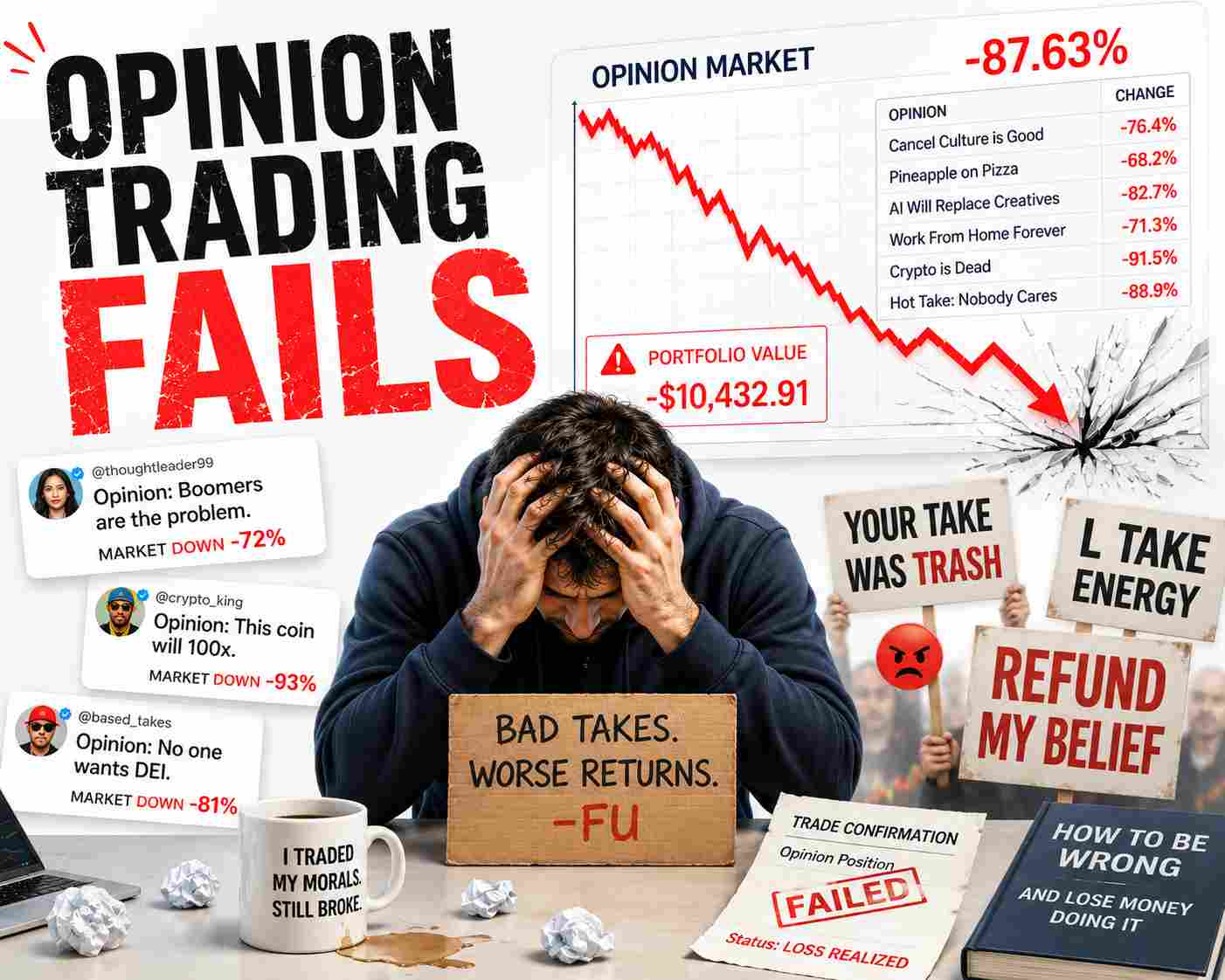
Why Opinion Trading Fails
Opinion trading creates emotional attachment. Once traders believe they’re right, they stop thinking logically. They ignore warning signs, move stop losses, and hold losing trades too long hoping the market will “come back.”
The market doesn’t care about your opinion. It moves based on liquidity, momentum, and institutional activity. Trading based on feelings is like driving through fog without headlights — eventually, you crash.
What Is a Trading Setup?
A setup is a structured trading opportunity based on rules and confirmations. Instead of guessing, setup traders wait for conditions to align before entering a trade.
A proper setup usually includes:
- Trend direction
- Entry confirmation
- Stop-loss placement
- Risk-to-reward ratio
- Market structure
Professional traders don’t say, “I think EUR/USD will rise.” They say, “If price breaks resistance and confirms momentum, I’ll enter.” That mindset changes everything.
Forex Is About Probabilities
One painful truth beginners hate hearing is this: nobody knows what the market will do next. Not influencers, not analysts, not even banks. The best traders focus on probability, not certainty.
Think of trading like poker. A poker player doesn’t win every hand, but over time the odds work in their favor. Trading works the same way. A strong setup may lose today, but consistently following quality setups creates long-term profitability.
The Problem With Social Media Traders
Social media has made forex trading look glamorous. Everyone posts luxury cars, winning screenshots, and bold predictions. But most of it is marketing, not reality.
What you don’t see are the blown accounts, emotional breakdowns, and hidden losses. Social media encourages emotional trading because dramatic opinions attract attention. Disciplined setup trading looks boring — but boring is what makes money.
The Anatomy of a Good Setup
A good trading setup is simple and clear. First, traders identify market structure. Is the market trending up, down, or moving sideways? Trading against the trend usually ends badly.
Next comes confirmation. This could be a breakout, retest, candlestick pattern, or momentum signal. Finally, traders define risk before entering. Without risk management, even a great setup becomes dangerous.
Risk Management Is Everything
Many traders focus only on entries while ignoring risk. That’s a huge mistake. A trader without risk management is like a soldier entering battle without armor.
Professional traders risk small amounts per trade, often just 1% of their account. Beginners do the opposite. They overleverage, chase losses, and blow accounts quickly. Survival matters more than excitement in forex trading.
Why Stop Losses Matter
Opinion traders hate stop losses because they hate admitting they’re wrong. But refusing to use a stop loss is financial suicide.
A stop loss protects your account from catastrophic damage. It keeps emotions under control and prevents one bad trade from destroying weeks of progress. Smart traders accept small losses because they understand losses are part of the business.
The Emotional Cost of Trading Opinions
Opinion trading damages more than your account. It destroys your mental peace. Traders become stressed, anxious, and addicted to charts. One win makes them euphoric, while one loss ruins their entire day.
Setup trading removes much of that emotional chaos. Rules create structure. Instead of reacting emotionally, traders execute logically. That emotional stability is one of the biggest advantages of disciplined trading.

Patience Separates Winners From Losers
Most traders lose because they force trades. They feel the need to always be active in the market. But professional traders understand something important: sometimes the best trade is no trade at all.
Good setups take time to appear. Patience protects traders from unnecessary losses and impulsive decisions. The market will always provide new opportunities, but only disciplined traders survive long enough to benefit from them.
Why Simplicity Wins
Beginners often overcomplicate trading. They use too many indicators, strategies, and confirmations trying to create a “perfect” system. But complexity usually creates confusion.
The best setups are often simple:
- Clear trend
- Strong breakout
- Proper retest
- Controlled risk
Trading isn’t about proving intelligence. It’s about executing consistently.
Trading Is a Business, Not Entertainment
Successful traders treat forex like a business. They follow rules, review performance, and manage risk carefully. Emotional traders treat forex like a casino, constantly chasing adrenaline and excitement.
Businesses survive because of systems and discipline. Trading works the same way. The moment you stop treating trading like entertainment, your mindset begins to change.
The Power of Trading Journals
Keeping a trading journal is one of the fastest ways to improve. A journal helps traders identify emotional mistakes, bad habits, and weak setups.

By reviewing entries, traders begin noticing patterns. Most discover that emotional trades cause the biggest losses, while disciplined setups create better consistency. Growth starts with honesty.
Conclusion
The quote “Don’t trade opinions — trade setups” contains one of the most important lessons in forex trading. Opinions create emotional attachment, impulsive decisions, and unnecessary losses. Setups create structure, discipline, and consistency.
The market doesn’t reward predictions. It rewards execution. Traders who focus on probability, risk management, and patience survive longer and perform better over time. So before entering your next trade, ask yourself one question:
Are you trading an opinion… or a setup? That answer could decide the future of your trading account.
FAQs
1. What does “trade setups” mean in forex?
It means trading based on predefined rules and confirmations instead of emotions or predictions.
2. Why do traders fail in forex?
Most traders fail because of emotional decisions, poor risk management, and lack of discipline.
3. Are losses normal in setup trading?
Yes. Even the best setups lose sometimes because trading is based on probability, not certainty.
4. Why is risk management important?
Risk management protects your account and prevents large losses during losing streaks.
5. Can beginners become profitable traders?
Yes, but only if they focus on discipline, patience, and consistent execution instead of emotional trading.