

Most traders spend countless hours searching for the perfect strategy, indicator, or entry signal. Yet many still lose money. The reason is simple: they don’t know when their trade idea is no longer valid.
The quote “Always know where your trade is wrong” is one of the most important lessons in trading. It reminds traders to define risk before chasing rewards. If you don’t know where you’re wrong, the market will teach you—and usually at a high cost.

What Does the Quote Mean?
Knowing where your trade is wrong means identifying the exact price level that proves your analysis is invalid. This point should be determined before entering the trade.
For example, if you’re buying because a support level is holding, your trade becomes wrong when that support breaks. Once the reason for entering disappears, staying in the trade no longer makes sense.
Why Most Traders Ignore This Rule
Many traders become emotionally attached to their positions. Instead of accepting that the market has changed, they convince themselves the trade will eventually recover.
This mindset turns small losses into large ones. The market doesn’t reward hope. It rewards discipline and risk management.
The Importance of Stop Losses
A stop loss is the practical application of knowing where your trade is wrong. It automatically closes a position when the market reaches your invalidation point.
Think of it like a seatbelt in a car. You don’t expect an accident every time you drive, but you prepare for one anyway. A stop loss serves the same purpose in trading.
Why Ego Destroys Traders
One of the biggest enemies of trading success is ego. Many traders refuse to admit they’re wrong because they see losses as personal failures.
Professional traders think differently. They understand that losses are simply part of the business. Their goal is not to be right all the time—it is to protect capital and stay profitable over the long run.
Risk Management Is More Important Than Prediction
Successful trading is not about predicting every market move correctly. Even the best traders experience losing trades regularly.
The difference is that they control their losses. They know exactly how much they’re willing to risk before entering a position. This transforms trading from gambling into a professional process.
Small Losses Keep You Alive
A trader who loses 1% on ten trades is down only about 10%. A trader who refuses to cut a losing position could lose 50% or more from a single mistake.
Recovering from large losses is extremely difficult. A 50% loss requires a 100% gain just to return to breakeven. That’s why protecting capital must always come first.
The Danger of Emotional Trading
When traders don’t define where they’re wrong, emotions take control. Fear, greed, and hope begin influencing decisions.
This often leads to moving stop losses, holding losing trades too long, or adding more money to bad positions. These actions usually increase losses instead of solving the problem.
Accepting Losses Is a Strength
Many beginners believe successful traders rarely lose. The reality is very different. Every professional trader experiences losses.
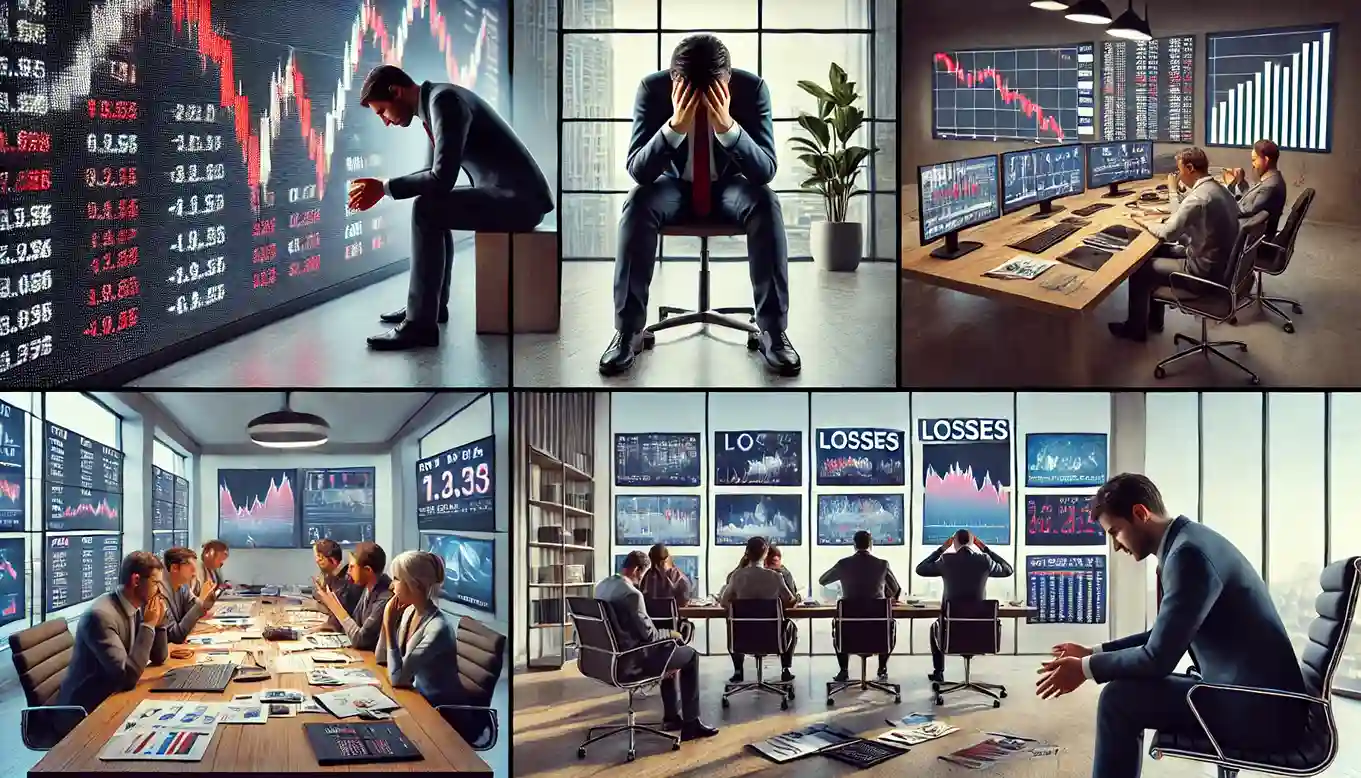
The key difference is that successful traders accept losses quickly. They understand that a small controlled loss is simply a business expense, not a disaster.
How to Define Your Invalidation Point
Before entering any trade, ask yourself one question:
“What would prove my analysis wrong?”
The answer could be a broken support level, a trend reversal, or a key resistance breakout. Once identified, place your stop loss accordingly and stick to the plan.
Hope vs Strategy
Hope tells traders to stay in a losing position because the market might reverse. Strategy tells traders to exit when the setup is no longer valid.
One approach is based on emotions, while the other is based on logic. Over time, strategy consistently outperforms hope.
The Professional Trader’s Mindset
Professional traders think in probabilities rather than certainties. They know every setup can fail, regardless of how good it looks.

Instead of asking, “How much can I make?” they first ask, “How much can I lose?” This simple shift in thinking helps them survive and succeed in the long run.
Conclusion
The quote “Always know where your trade is wrong” is more than a trading tip—it is a survival rule. Markets are unpredictable, and no trader is right all the time. What separates successful traders from struggling ones is their ability to identify when a trade has failed and exit without hesitation.
By defining invalidation levels, using stop losses, and managing risk properly, traders can protect their capital and avoid devastating losses. Remember, trading is not about being right every time. It’s about staying disciplined, controlling risk, and remaining in the game long enough to let probabilities work in your favor.
FAQs
1. Why is knowing where a trade is wrong important?
It helps traders limit losses, protect capital, and avoid emotional decision-making.
2. Should every trade have a stop loss?
Yes. A stop loss is a critical risk management tool that prevents excessive losses.
3. Can successful traders have losing trades?
Absolutely. Even professional traders lose regularly. They simply manage losses effectively.
4. What happens if I ignore my stop loss?
Ignoring a stop loss can turn a small manageable loss into a major account-damaging loss.
5. Is risk management more important than strategy?
In many cases, yes. A strong strategy without risk management often fails, while disciplined risk management can keep traders profitable over time.