

In the world of trading, one phrase constantly haunts both beginners and experienced traders alike: FOMO (Fear of Missing Out). You’ve seen a chart suddenly spike, you weren’t in the trade, and now your heart pounds as you think, “I should have entered!” That single thought pushes many traders into reckless decisions. But here’s the ugly truth: FOMO is a trader’s worst enemy.
In this article, we’ll break down the dangers of FOMO, how it creeps into your trading psychology, and most importantly, how you can break free from it. Let’s dig deep and uncover why letting go of FOMO might be the best trading decision you’ll ever make.
What is FOMO in Trading?
FOMO in trading is the nagging fear that you’ll miss a big profitable move if you don’t act immediately. It’s that adrenaline rush when you see a candle shooting up and you want to jump in—without analysis, without confirmation, just pure emotion.
Think of FOMO as the trading equivalent of chasing a bus you missed—except here, you end up jumping onto the wrong bus headed straight for losses.
Why FOMO is So Dangerous
FOMO doesn’t just make you enter bad trades—it destroys your discipline, wipes out your strategy, and leaves you second-guessing every decision. It’s like giving the steering wheel of your trading car to a panicked passenger.
Once FOMO kicks in:
-
You ignore your stop-loss rules.
-
You risk more than your plan allows.
-
You chase the market instead of letting the market come to you.
And we all know how that ends—red screens and blown accounts.
The Psychology Behind FOMO
Why does FOMO grip traders so tightly? It comes down to three things:
-
Greed – You see others making money and don’t want to be left behind.
-
Insecurity – You don’t trust your system enough, so you hop on anything that looks promising.
-
Comparison – You watch traders flaunt profits on social media, and suddenly your patience feels like failure.
FOMO thrives on these emotions, turning calm decision-making into reckless gambling.
Spotting the Signs of FOMO
You might think, “I don’t trade with FOMO.” But let’s be real—if you’ve ever done the following, FOMO already got you:
-
Entered a trade after a big move had already happened.
-
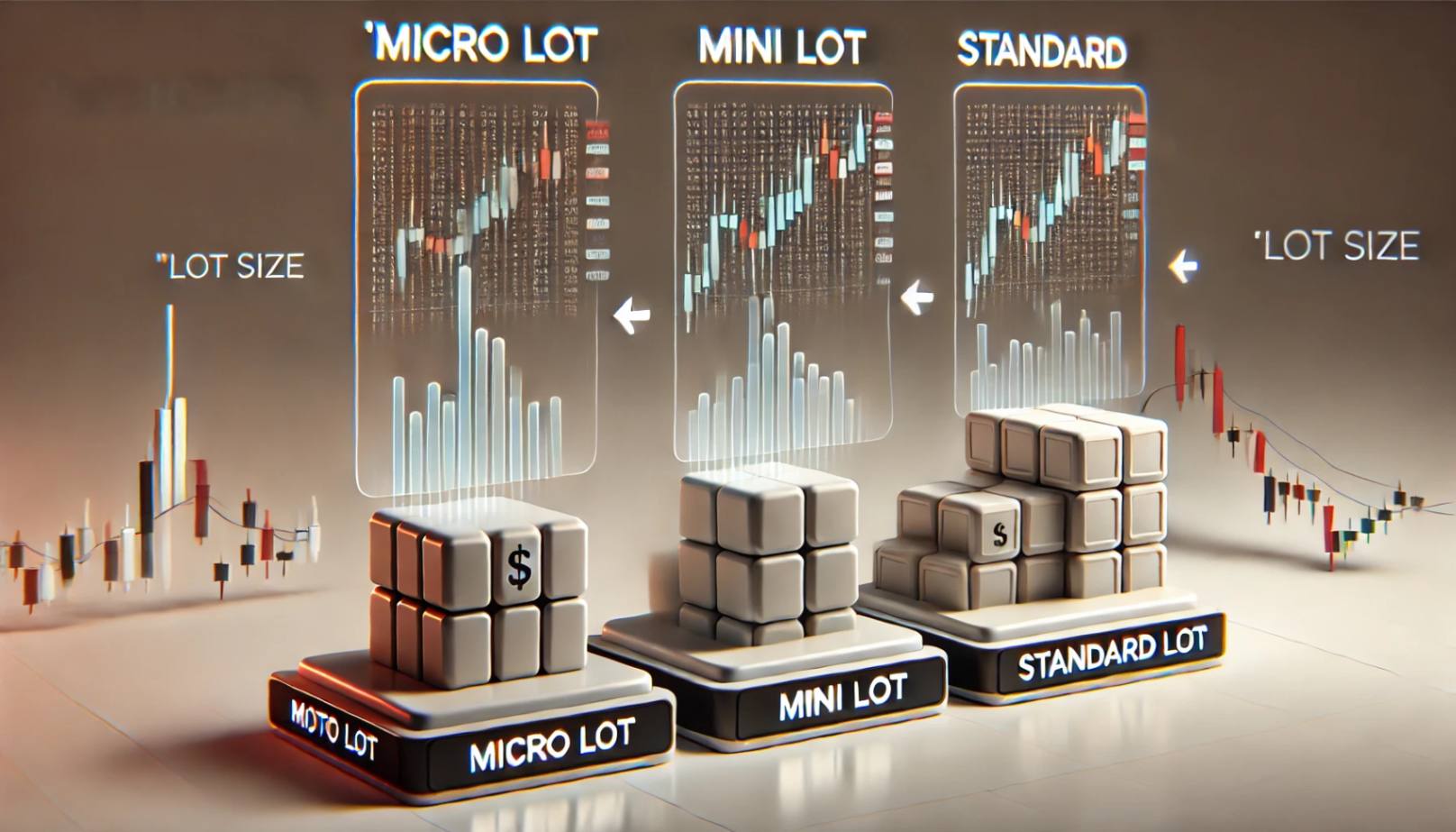
Doubled your lot size without reason, just to “catch up.”
-
Scrolled through charts desperately looking for a trade because you were bored.
-
Felt regret seeing a missed move and tried forcing another entry.
Sound familiar? That’s FOMO speaking.
The Cost of FOMO in Real Numbers
Here’s the harsh reality: traders who act on FOMO lose more than 70% of the time. Why? Because they’re buying at tops and selling at bottoms.
Imagine risking $500 per trade. One FOMO-driven mistake could easily cost you $500–$1,000. Do that five times in a month, and you’ve wiped out your account faster than you can say “margin call.”
FOMO vs Patience
Trading is a waiting game. The market doesn’t reward the one who trades the most; it rewards the one who trades the best setups.
Here’s the difference:
-
FOMO trader: Enters because the market “looks like it’s moving.”
-
Disciplined trader: Enters only when the analysis aligns with their strategy.
The disciplined trader may make fewer trades, but each one is backed by logic—not panic.
How to Let Go of FOMO
So, how do you kick FOMO out of your trading journey? Here are practical steps:
-
Stick to a Trading Plan – Write down entry, exit, and risk rules, and follow them like law.
-
Set Alerts, Not Emotions – Let your platform notify you when conditions are right, instead of staring at charts all day.
-
Limit Screen Time – Over-watching charts is like staring at cookies when you’re on a diet—you’ll eventually break.
-
Accept Missed Trades – No trader catches every move. Missing a setup is not failure, it’s part of the game.
-
Risk Small – The smaller the risk, the less your emotions will hijack your decisions.
Why Patience Pays More Than Chasing
Think about fishing. If you keep throwing your line into the water without bait, hoping to catch something, you’ll end up with nothing. But if you patiently prepare, wait, and cast at the right time—you get the big catch.
Trading is the same. Waiting for the right entry feels boring, but it’s what separates consistent winners from emotional losers.
The Social Media Trap
Let’s be blunt—Instagram, Telegram groups, and Twitter are breeding grounds for FOMO. You see traders posting screenshots of massive profits, and suddenly your calm mindset cracks.

But remember:
-
Most people only show wins, not losses.
-
Many fake results entirely.
-
Your journey is unique; copying others only leads to disaster.
If social media triggers your FOMO, step back and mute those “gurus.”
Building Confidence Against FOMO
The strongest weapon against FOMO is confidence in your system. When you’ve backtested your strategy, journaled your trades, and proven to yourself that waiting works—you stop caring about missed moves.
Confidence isn’t built overnight. It comes from discipline, learning, and taking control of your emotions every single day.
A Trader’s Mantra: “No Setup, No Trade”
Burn this into your brain: “No setup, no trade.”
If the market isn’t giving you a signal that matches your plan, you don’t trade. Period.
Yes, it feels hard. Yes, you’ll watch moves happen without you. But skipping bad trades is as powerful as winning good ones.
Think of it as saving ammo. Would you fire bullets randomly into the dark, or wait until your target is clear?
Turning Missed Trades into Motivation
Here’s a mindset shift: instead of beating yourself up over missed trades, learn from them.
-
Did you miss it because you weren’t ready? Prepare better next time.
-
Did you miss it because your rules said not to enter? Good—that means your discipline worked.
Each missed move is either a lesson or a sign your patience is paying off. Flip the frustration into fuel.
Real-Life Example of FOMO Gone Wrong
Imagine this: EUR/USD shoots up 100 pips in 10 minutes after news. You panic and enter late. Five minutes later, it retraces back down—hard. You’re stopped out, staring at a -$600 loss.
Now, compare that to the trader who waited for confirmation, entered at a proper level, and rode the continuation move safely. Same chart, different results. The only difference? One let FOMO control them, the other stayed disciplined.

The Long-Term Game
FOMO traders look for fast profits. Disciplined traders look for consistent profits. Which one survives?
Trading isn’t about winning today—it’s about building an account that lasts years. And the truth is, FOMO has no place in long-term success.
Conclusion
FOMO might feel like an unavoidable part of trading, but it doesn’t have to control you. Every trader faces it, but only those who master their emotions survive the long run.
Remember: missing a trade is never as bad as blowing your account. Patience, discipline, and trust in your plan will always pay more than chasing candles.
Let go of FOMO, and you’ll find freedom—not just in trading, but in your mindset.
FAQs
1. What triggers FOMO in trading?
FOMO is usually triggered by sudden price moves, social media posts, or seeing others profit while you’re not in a trade.
2. Can FOMO completely ruin my trading career?
Yes. Constantly trading on emotion instead of logic leads to repeated losses and often blows up trading accounts.
3. How do I know if I’m trading out of FOMO?
If you’re entering trades without a clear setup, increasing risk without reason, or chasing after price spikes, you’re trading out of FOMO.
4. How do I stop comparing myself to other traders?
Mute social media accounts that trigger insecurity, focus on your journal, and measure progress only against your past self.
5. Is missing trades always bad?
Not at all. Missing trades is natural. The goal isn’t to catch every move—it’s to catch the right ones with discipline.