

The Hidden Power Behind Patience in Trading
In the fast-paced world of Forex trading, everyone wants to make profits—fast. The lure of quick money pulls many traders into impulsive decisions, thinking that constant trading equals constant winning. But here’s the harsh truth: the market rewards patience, not haste.
Successful traders know this well—pips come not to those who chase them but to those who wait for them. It’s like fishing; the more still and patient you are, the higher your chances of catching something big.

Trading is more psychological than mechanical. While charts, indicators, and technical tools play their part, patience is what separates the amateurs from the professionals. Let’s dive deep into understanding why patient traders make more consistent profits and how you can train your mind to become one of them.
What Are Pips and Why Do They Matter So Much?
Pips are the smallest price movement in the Forex market—a unit that measures changes in currency pairs. Think of them as the heartbeat of every trade. When you make 20, 50, or even 200 pips, that’s your market movement profit.
But here’s the tricky part: pips don’t come instantly.
Many traders open a position expecting instant movement in their favor, but the market doesn’t care about your expectations. It moves when it’s ready. That’s where patience becomes your most powerful weapon.
A patient trader waits for a setup that aligns with their analysis, confirms the market direction, and only then enters. The impatient trader? They jump in at every minor signal—and end up losing both money and confidence.
The Psychology of a Patient Trader
Forex isn’t a battle of currencies—it’s a battle of emotions.
When the market fluctuates, emotions like greed and fear start to rule decision-making. Patience acts as a shield that helps traders stay rational even in chaos.
A patient trader:
-
Waits for confirmation before entering trades.
-
Accepts missed opportunities gracefully.
-
Doesn’t chase losses.
It’s easy to say “stay patient,” but practicing it daily requires mental discipline. Think of patience as a muscle—it strengthens only with consistent effort.
When you wait for the perfect trade setup instead of jumping into random ones, you give yourself the advantage of precision, not luck.
Why Impulsive Trading Is a Silent Account Killer
Many traders don’t realize that impatience is more dangerous than a bad strategy. Impulsive trading often comes from emotional reactions—revenge trading after a loss, fear of missing out (FOMO), or overconfidence after a win.

Each of these behaviors eats away your capital slowly.
An impulsive trader might enter 10 trades in a day hoping one will hit big, while a patient trader might take just one—but with high conviction and precision. Guess who ends the week in profit?
Impatience creates chaos. You start overtrading, violating your stop-loss rules, and making irrational decisions—all because you can’t wait.
The Market Rewards Those Who Wait
It’s ironic but true—the less you trade, the more you might earn.
Patience allows you to wait for high-probability setups, where risk is minimal and potential reward is significant. The market is like a wild animal; the more you chase it, the more it runs away. But when you wait calmly, it eventually comes to you.
Top traders often say:
“You don’t make money by trading more. You make money by trading right.”
Every pip you gain from a well-timed trade is worth ten from random scalping. Waiting for market confirmation, aligning with major trends, and respecting technical signals are the marks of a patient trader.
How Patience Improves Your Technical Analysis
Patience isn’t just a mindset—it’s a trading strategy.
When you take time to analyze the market properly, you avoid false breakouts and fake signals. For example, waiting for a candle close confirmation can save you from entering a trade too early.
A patient trader:
-
Studies the market structure deeply.
-
Waits for multiple confirmations (support, resistance, price action).
-
Avoids emotional trading traps.
In short, patience enhances your technical clarity. It turns guesswork into precision work.
The Role of Emotional Control in Patience
Trading without emotional control is like driving blindfolded.
You may think you know where you’re going, but you’ll crash sooner or later. Emotions are natural, but letting them dictate your trades is disastrous.
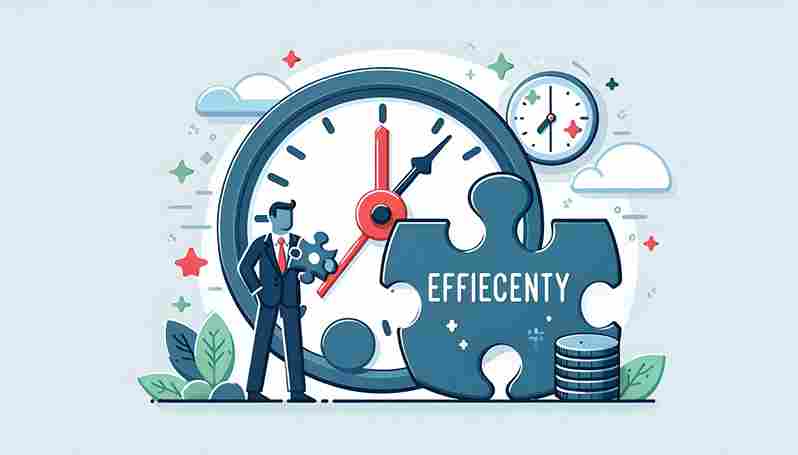
When a trade goes against you, patience helps you avoid revenge trading. When a trade wins, patience prevents overconfidence from pushing you into unnecessary risks.
Think of your emotions as waves—patience allows you to surf them instead of drowning in them.
How to Develop Patience as a Trader
Developing patience takes time, but it’s absolutely achievable. Here’s how you can train your mind:
-
Plan Before You Trade:
Have a clear trading plan—entry, stop loss, take profit, and risk percentage. When everything is predefined, emotions lose their grip. -
Trade Less, Analyze More:
Spend 80% of your time analyzing and only 20% trading. The more you understand the market, the easier it is to wait for the right setup. -
Keep a Trading Journal:
Record every trade—why you took it, what you felt, and how it ended. Over time, you’ll spot patterns of impatience and fix them.
Remember, patience isn’t about waiting endlessly—it’s about waiting wisely.
The Power of “No Trade” Days
Sometimes, the best trade is no trade at all.
The market doesn’t owe you an opportunity every day. If setups aren’t clear, staying out is a sign of strength, not weakness. Impatient traders view inactivity as boredom; patient traders see it as preservation.
Every time you force a trade on a bad setup, you’re increasing your chances of loss. Instead, take that time to review your past trades, study charts, or refine your strategy.
Think of it like a hunter waiting for the perfect moment to strike. The patient one gets the catch; the restless one goes home empty-handed.
Long-Term Success Comes from Short-Term Patience
Many traders focus only on today’s trades. But successful trading is a marathon, not a sprint. Consistency beats intensity every single time.
Short-term patience—waiting for a setup, controlling emotions, and respecting stop-loss—creates long-term stability.
If you can stay disciplined through a few losing weeks, your long-term results will surprise you. The best traders understand that losing days are part of winning months.
Patience builds longevity. Without it, even the best strategies fail.
How Overtrading Destroys Your Patience


Overtrading is a symptom of impatience. It’s when you open too many trades just because you feel the need to be active in the market. But remember, activity isn’t productivity.
Each trade you take consumes emotional energy and focus. The more you trade unnecessarily, the faster you burn out.
Instead of chasing multiple trades, focus on quality over quantity. A single well-planned trade can outperform 10 random ones. Overtrading clouds judgment and drains your ability to wait—it’s like trying to sprint through a marathon.
Case Study: The Patient Trader vs. The Impulsive Trader
Let’s imagine two traders—John and Mike.
John trades only when all his conditions align. He waits for the market to come to his entry level and sticks to his plan. Mike, on the other hand, trades whenever he feels “something is about to happen.”
After one month, John might have taken 5 trades and won 4. Mike took 30 trades and won 12—but lost most of his profits in bad trades.
John ends the month with steady growth, while Mike ends frustrated and exhausted.
This comparison shows how patience multiplies results, while impulsiveness magnifies losses.
Turning Patience into Profit: A Trader’s Routine
Want to make patience part of your trading DNA? Here’s a simple routine that works:
-
Morning Review:
Analyze the previous day’s market moves and note important levels. -
Set Alerts, Not Emotions:
Use alerts on your trading platform instead of staring at the screen all day. -
Trade During Optimal Hours:
Wait for high-volume sessions (like London or New York). -
Review Before You Sleep:
Check what worked and what didn’t. Reflect on your patience levels.
Following this routine daily keeps you grounded, focused, and emotionally balanced.
Common Myths About Patience in Trading
Myth 1: Patience Means Doing Nothing
Wrong. Patience means doing the right thing at the right time. It’s active waiting—observing, analyzing, and preparing.
Myth 2: Patient Traders Miss Opportunities
Not true. They miss bad opportunities and catch the profitable ones. Missing a losing trade is a win in itself.
Patience isn’t laziness—it’s strategic control.
The Connection Between Patience and Consistency

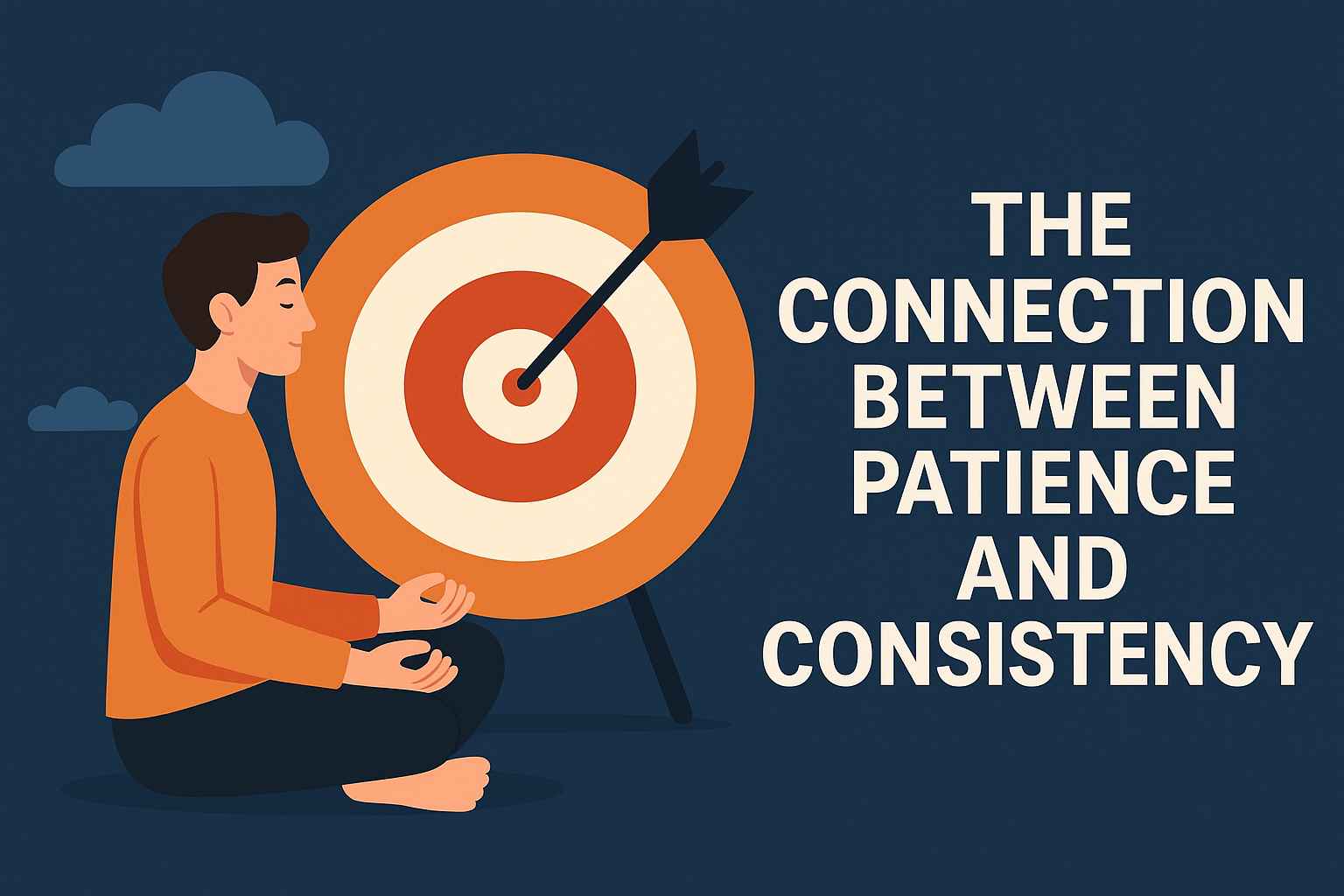
Consistency is the holy grail of trading. And patience is the key that unlocks it.
Without patience, you’ll always jump strategies, change systems, and chase trends. With patience, you give your system time to prove itself.
Every professional trader has one thing in common—they wait.
They don’t panic during drawdowns, they don’t get greedy during profits. Their calmness builds consistency, and that’s what makes them last longer in this game.
How to Stay Patient During Losing Streaks
Losing streaks test your mental toughness more than anything else. When you’re down, patience feels impossible—but that’s exactly when you need it most.
Instead of panicking, zoom out. Look at your performance over months, not days. Every trader faces losses—it’s part of the journey. The key is to control damage, not emotions.
Take breaks, avoid revenge trading, and remind yourself why you started. Sometimes, the best recovery plan is simply waiting for the storm to pass.
Using Patience to Master Market Timing
Market timing isn’t about predicting—it’s about reacting wisely. A patient trader waits for confirmation from multiple indicators before entering.
For example, if you spot a bullish reversal but the volume doesn’t confirm it, patience tells you to wait. Most traders jump in early and get trapped. But if you wait, you enter at the right time and ride the trend smoothly.
The market gives clues—it whispers before it roars. Patience helps you hear those whispers.
Real-Life Examples of Patience Paying Off
Some of the world’s best traders built their fortune on patience.
Take Warren Buffett, for instance. Though not a Forex trader, his philosophy of waiting for the right opportunity applies perfectly to trading. He once said, “The stock market is a device for transferring money from the impatient to the patient.”
In Forex, traders like George Soros didn’t trade every setup—they waited for macroeconomic conditions to align perfectly before executing their moves. That’s how patience turns into millions.
How Technology Can Support Patient Trading
Modern tools can help reinforce patience.
You can use:
-
Trading alerts to wait for ideal price levels.
-
Automated strategies to reduce emotional decisions.
-
Economic calendars to plan trades around major news events.
By using technology to handle monitoring, you focus more on strategy and less on impulsive reactions.
The Role of Mindset in Maintaining Patience


Mindset is everything. If you approach trading like gambling, you’ll never be patient. But if you see it as a business, you’ll respect the process.
Developing a calm mindset takes time—through meditation, journaling, or simply stepping away from screens when emotions rise.
The goal is to make patience a habit, not an effort. A disciplined mind leads to disciplined trades.
The Final Lesson: Slow Is Smooth, Smooth Is Fast
In trading, slow isn’t weak—it’s smart.
When you take your time to analyze, plan, and wait, your decisions become sharper. Every pip gained through patience feels more satisfying because it’s earned, not gambled.
Remember, Forex isn’t about speed—it’s about survival. The longer you last, the more you’ll win. So, let pips come to patient traders, because they always do.
Conclusion
Patience is the invisible edge that most traders ignore. It’s not flashy, it doesn’t promise overnight profits, but it delivers what truly matters—consistency, confidence, and control.
Trading is like planting seeds; you don’t dig them up every hour to see if they’ve grown. You water them, wait, and let time do its work. The same goes for Forex—give your trades the space to develop.
If you master patience, the market stops being your enemy and becomes your partner.
So next time you’re tempted to rush in—pause, breathe, and remember: Let pips come to patient traders.
FAQs
1. Why is patience so important in Forex trading?
Patience prevents emotional decisions and allows traders to wait for high-quality setups. It helps in avoiding overtrading and increases long-term profitability.
2. How can I become a more patient trader?
Develop a solid trading plan, use alerts instead of watching charts all day, and keep a trading journal to identify impatience patterns.
3. Does patience mean I should trade less?
Not necessarily. It means you should trade smarter—only when all your trading conditions align perfectly.
4. How does impatience affect trading results?
Impatience leads to impulsive decisions, overtrading, and emotional burnout, which ultimately destroy profitability.
5. Can patience be learned or is it natural?
Patience is absolutely learnable. Like a muscle, it strengthens with consistent practice, discipline, and self-awareness.