

Forex trading looks exciting from the outside. Fast profits, flashing charts, and endless opportunities make it feel like a gold rush. But behind the scenes, it’s mentally exhausting. One bad decision can wipe out weeks of progress. That’s why successful trading is less about predicting the market and more about controlling yourself.
Markets constantly move up and down. Trends shift overnight, news changes everything instantly, and volatility appears without warning. But while markets are supposed to change, your mindset shouldn’t collapse every time they do. Emotional trading is where most people fail.
Forex Trading Is Mostly Psychological
Many beginners believe forex success comes from indicators and strategies alone. They spend hours searching for the “perfect system.” But even the best strategy fails if emotions take control.
Fear makes traders hesitate. Greed makes them hold trades too long. Anger causes revenge trading. These emotions quietly destroy accounts every single day. Trading is like driving a car during heavy rain—you need calm focus, not panic.
The truth is simple: the market tests your emotions more than your intelligence.
The Problem With Emotional Trading
Emotional trading feels harmless at first. A trader loses one trade and suddenly wants to recover losses immediately. That’s where problems begin.
Instead of following a plan, traders start gambling emotionally. They increase lot sizes, ignore stop losses, and take random entries. It’s like trying to fix a leaking boat by drilling more holes into it.
Fear and greed are the biggest enemies in forex. Fear stops traders from taking good setups, while greed convinces them to risk too much. Both lead to poor decisions.
Markets Always Change
The forex market never stays the same. One week may trend smoothly, while the next week becomes chaotic and unpredictable. Economic news, inflation, interest rates, and global events constantly influence price movement.
This is why no trading strategy works forever. A system that performs well in trending conditions may fail during sideways markets. Traders who refuse to adapt eventually struggle.
But adapting your strategy is different from changing your mindset emotionally. Your discipline should remain stable even when the market becomes unpredictable.
Why Mindset Matters More Than Strategy
A weak mindset turns small losses into disasters. A strong mindset treats losses as part of the process. Professional traders understand that losing trades are unavoidable.
Think about casinos. They don’t panic when someone wins money. They focus on long-term probability. Forex works the same way. One trade doesn’t define success or failure.
The traders who survive long-term are the ones who stay emotionally balanced during both wins and losses.

The Dangerous Habit of Revenge Trading
Revenge trading destroys countless accounts. After losing money, traders often become desperate to recover quickly. Instead of thinking logically, they trade emotionally.
This usually creates even bigger losses. It becomes a cycle of frustration, anger, and poor decisions. The market punishes emotional behavior brutally.
Sometimes the smartest thing a trader can do after a loss is walk away from the screen. A calm mind makes better decisions than an emotional one.
Discipline Beats Intelligence
Surprisingly, highly intelligent people often struggle in trading because they overcomplicate everything. They constantly change strategies, overanalyze setups, and try to outsmart the market.
Meanwhile, disciplined traders quietly follow simple rules consistently. And consistency wins.
Trading success is similar to fitness. You don’t build strength from one workout. You improve through discipline over time. Forex rewards patience and routine, not emotional excitement.
Risk Management Is Everything
Without risk management, failure is almost guaranteed. Many traders focus only on profits while ignoring protection. That’s a dangerous mistake.
Professional traders risk small portions of their accounts on each trade. Beginners often risk huge amounts hoping for fast riches. But one emotional trade can destroy an account instantly.
Risk management acts like a seatbelt. You hope you never need it, but when things go wrong, it saves you from disaster.
Patience Is a Superpower in Forex
Most traders lose money because they feel the need to trade constantly. They become bored and force unnecessary entries.
Professional traders understand that waiting is part of the game. They don’t chase every market move. They wait patiently for high-probability opportunities.

A lion doesn’t run after every animal in the jungle. It waits for the right moment. Traders should think the same way.
Social Media Creates Unrealistic Expectations
Social media has filled forex trading with fake lifestyles and unrealistic promises. People post luxury cars and massive profits but rarely show losses.
This creates dangerous pressure for beginners. They start believing successful traders never lose money. That mindset leads to frustration and emotional trading.
Real trading is often boring. It requires patience, discipline, and emotional control. The flashy lifestyle online usually hides the harsh reality behind trading struggles.
Why Most Traders Fail
Most traders don’t fail because the market is impossible. They fail because they can’t control themselves.
They overtrade, ignore risk management, chase losses, and panic during volatility. Emotional decisions slowly destroy consistency.
Successful traders are not emotionless robots. They simply manage emotions better than others. That emotional control becomes their biggest advantage over time.
Building a Strong Trading Mindset
A strong mindset doesn’t appear overnight. It develops through discipline and self-awareness.
Creating a trading plan helps reduce impulsive decisions. Keeping a journal helps traders identify emotional mistakes. Accepting losses calmly reduces stress and frustration.
Most importantly, traders need to think long-term. Forex is not a sprint. It’s a marathon where patience and consistency matter far more than quick profits.
How Forex GDP Promotes Smart Trading
The message “Markets Change—Your Mindset Shouldn’t” reflects the reality of trading perfectly. Markets will always remain unpredictable, but emotional reactions can be controlled.
Forex GDP encourages traders to focus on discipline, patience, and emotional stability instead of hype and unrealistic expectations. A calm trader survives market chaos better than an emotional one.
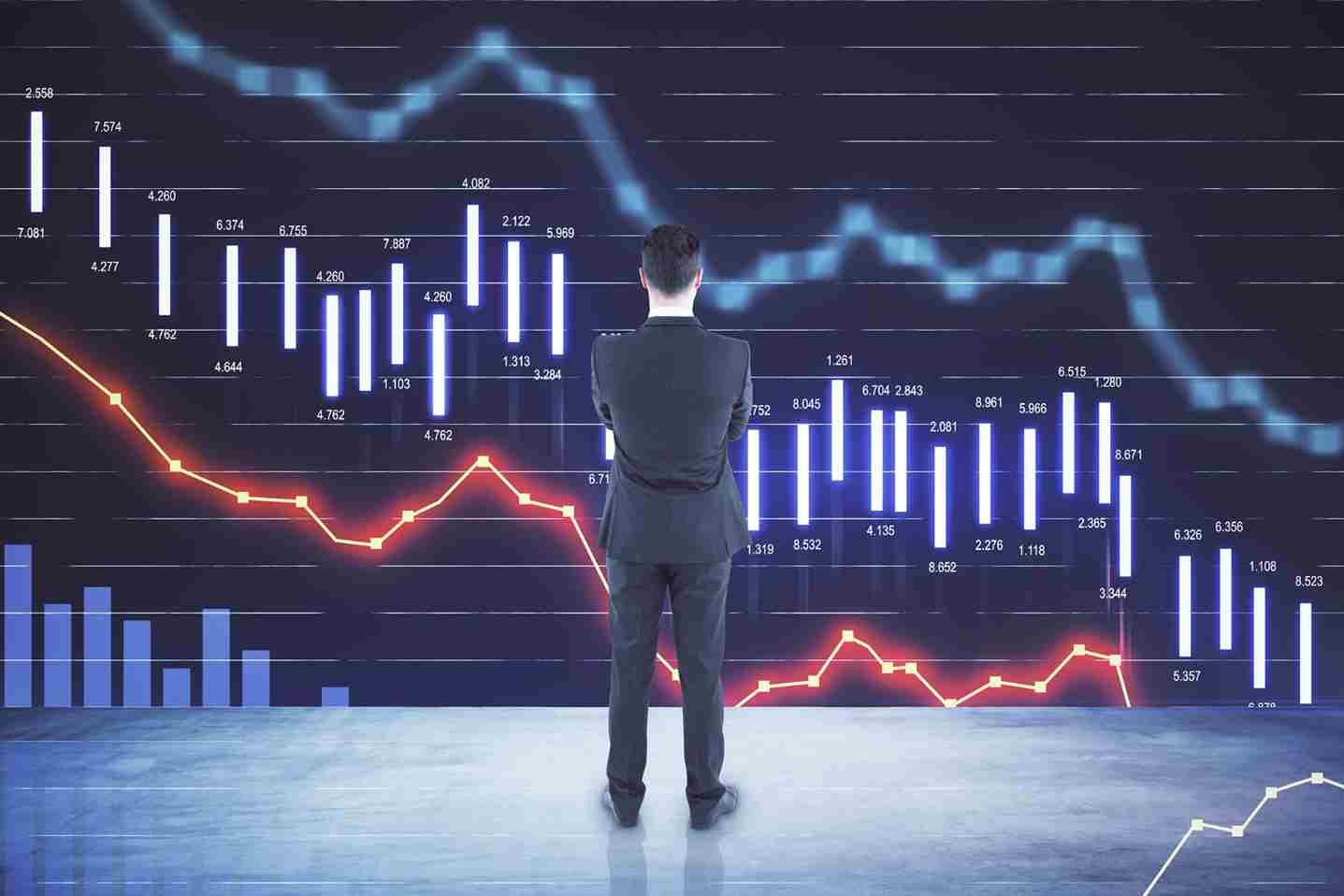
In the long run, mindset becomes the foundation of trading success.
Conclusion
Forex trading is more psychological than technical. Strategies matter, but emotional discipline matters even more. Fear, greed, impatience, and revenge trading destroy countless traders every day.
Markets will continue changing endlessly. Volatility will rise, trends will reverse, and unexpected events will shake prices. That’s normal. But if your emotions constantly change with the market, long-term success becomes difficult.
The traders who survive are not always the smartest. They are the most disciplined. They stay calm during losses, patient during uncertainty, and consistent during chaos.
Because in forex trading, markets change—but your mindset shouldn’t.
FAQs
1. Why is mindset important in forex trading?
Mindset controls decision-making. Emotional reactions like fear and greed often lead to poor trading choices and unnecessary losses.
2. What is revenge trading?
Revenge trading happens when traders try to recover losses emotionally by taking impulsive trades, usually leading to even bigger losses.
3. Can a trading strategy work forever?
No. Market conditions constantly change, so strategies must adapt over time. Emotional discipline, however, should remain stable.
4. Why do beginners lose money in forex?
Most beginners lose because of emotional trading, poor risk management, overleveraging, and unrealistic expectations.
5. How can traders improve discipline?
Traders can improve discipline by following a trading plan, using proper risk management, keeping journals, and focusing on long-term consistency.