

Forex trading looks easy from the outside. Open a chart, add a few indicators, place a trade, and wait for profits. That’s what many beginners believe. But reality hits hard. Most traders lose money not because their indicators fail, but because their mindset fails.
The quote “Keep your mind sharper than your indicators” carries a deep message. Indicators can guide you, but they cannot think for you. They cannot control your emotions, stop your greed, or protect you from impulsive decisions. Your brain is your real trading weapon.
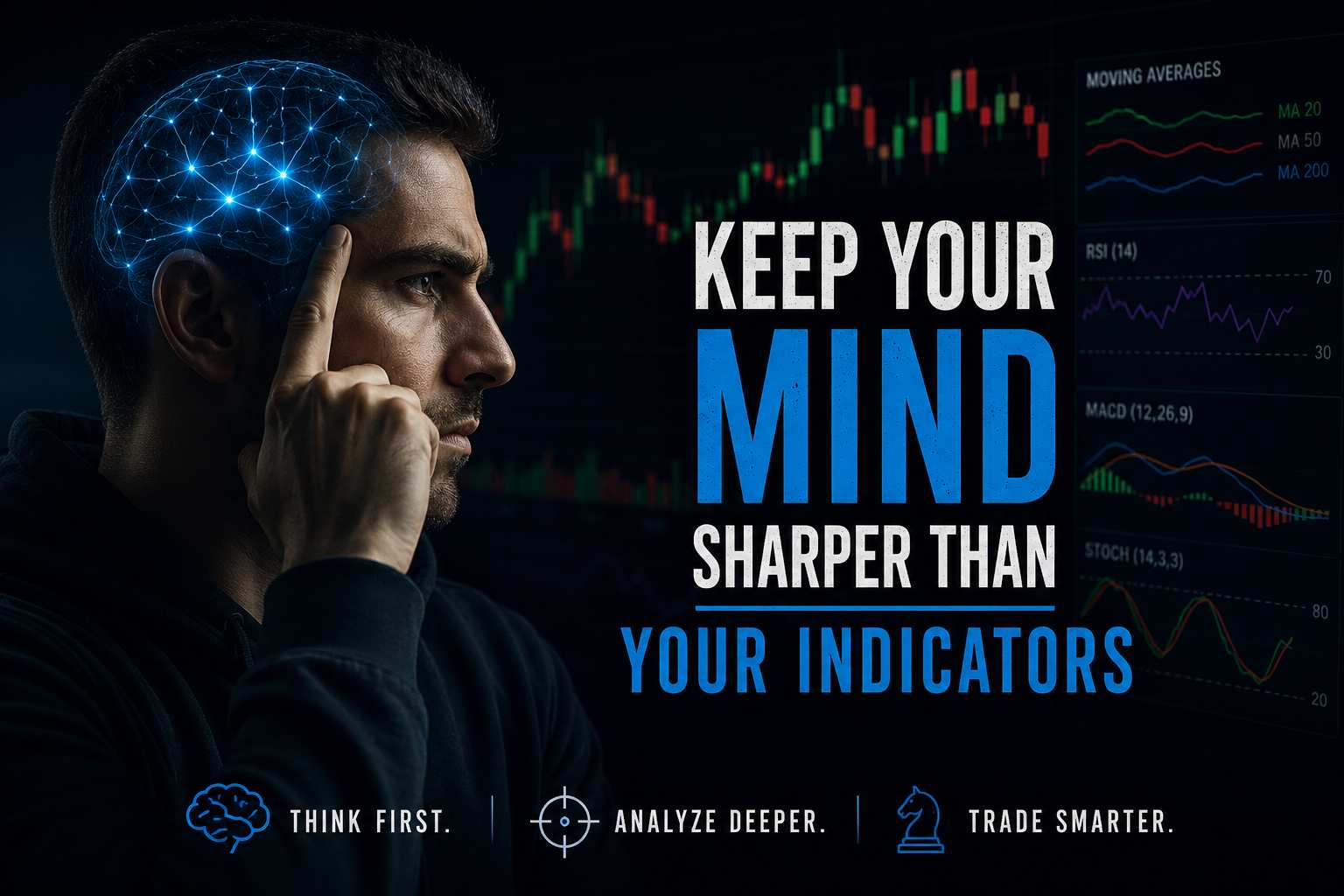
In forex, success is not just about charts and technical tools. It’s about discipline, patience, emotional control, and smart decision-making. Traders who ignore this truth usually blow their accounts sooner or later.
Why Traders Depend Too Much on Indicators
Many traders become obsessed with indicators because they want certainty in an uncertain market. They keep searching for the “perfect” setup, hoping one magical indicator will predict every market move. Sadly, that fantasy destroys accounts.
Indicators are based on past price movements. They react after price moves. This means they often lag behind the market. A moving average crossover may look powerful, but by the time it signals, the biggest move may already be over.
That’s why blindly trusting indicators is dangerous. Smart traders understand indicators are only tools, not crystal balls.
Trading Psychology Matters More Than Strategy
A trader can have the best strategy in the world and still fail because of emotions. Fear and greed are stronger than most technical systems. Fear makes traders close winning trades too early, while greed pushes them into risky trades.
The market constantly tests emotions. One losing trade can create frustration. Then revenge trading begins. Suddenly, discipline disappears and losses multiply. This cycle destroys many beginners.
Professional traders know something important: psychology matters more than strategy. A calm trader with a simple system often beats an emotional trader using advanced indicators.
Discipline Is the Real Superpower
Forex trading is not about being a genius. It’s about following rules consistently. Discipline means waiting for quality setups instead of trading every small market movement. It means respecting stop losses even when emotions scream otherwise.
Most traders fail because they chase excitement. They overtrade, increase lot sizes emotionally, and ignore risk management. That behavior turns trading into gambling.
Successful traders act differently. They think long-term. They protect their capital carefully because they know survival is the first step toward profitability.
The Dangerous Habit of Overtrading
Overtrading is one of the fastest ways to destroy an account. Many traders feel they must always be in the market. They sit in front of charts for hours, forcing trades even when conditions are terrible.
This usually happens because of greed or fear of missing out. Social media makes it worse. Traders see flashy profit screenshots online and feel pressure to trade constantly.
But the truth is simple: more trades do not mean more profits. Often, the best decision is doing nothing. Patience is a powerful skill in forex trading.
Why Simplicity Wins in Forex
Many traders overload charts with indicators. RSI, MACD, Bollinger Bands, Stochastic Oscillators—all fighting for attention at once. The chart becomes messy and confusing.
Simple trading often works better. Price action, support and resistance, and market structure can provide clearer signals than ten indicators combined. A clean chart allows traders to think logically instead of emotionally.
Indicators should support your analysis, not replace your thinking process.
Risk Management Is Everything
Most traders focus only on profits. That’s a huge mistake. Professional traders focus more on protecting capital than making money quickly.
Without proper risk management, even a good strategy can fail. One emotional trade with excessive risk can wipe out weeks of profits. That’s why successful traders risk small amounts on each trade and accept losses calmly.
Losses are normal in forex. No strategy wins all the time. The goal is not perfection—it’s consistency over time.
The Role of Emotional Control
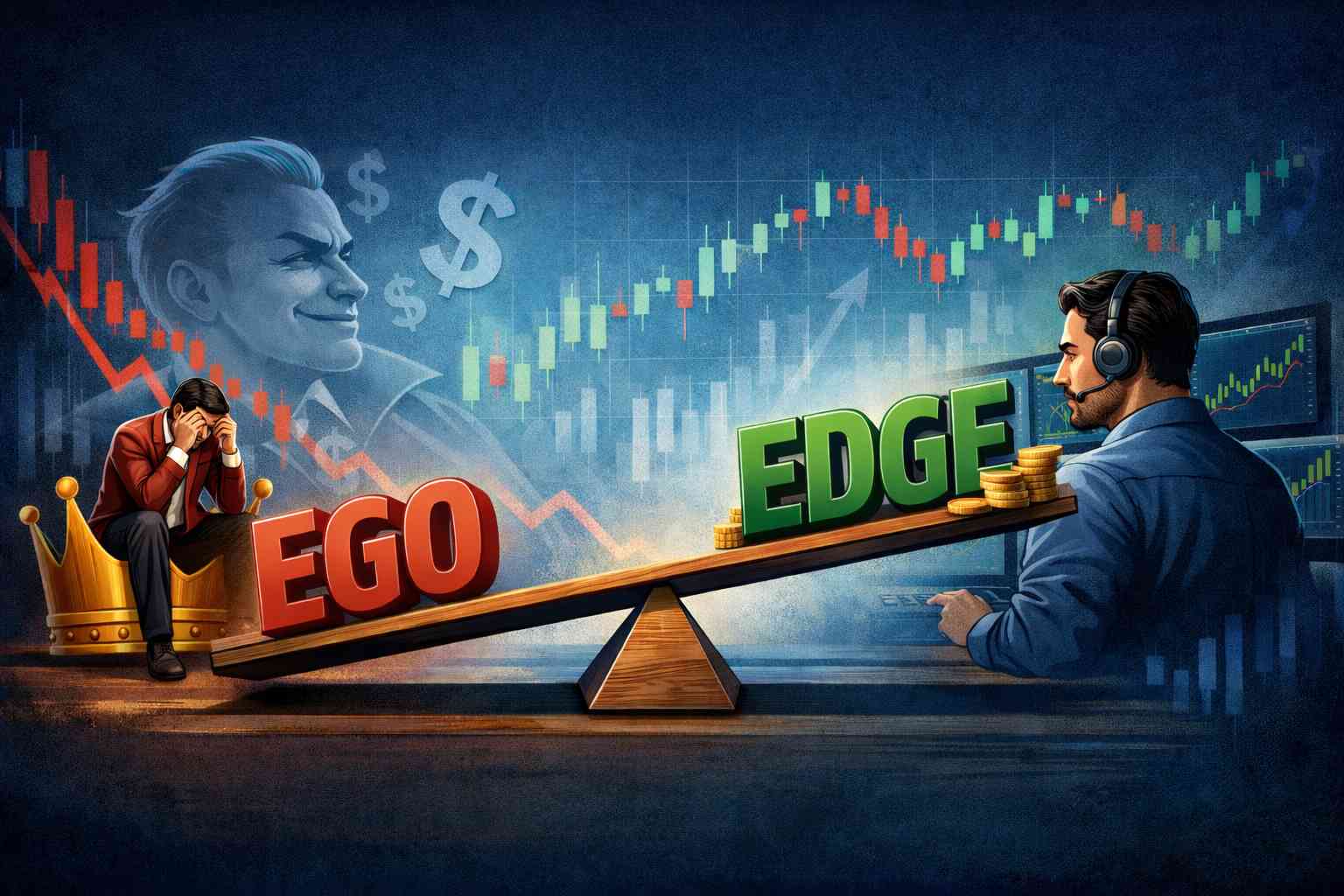
Forex trading exposes human weaknesses. It reveals impatience, ego, fear, and greed. The market acts like a mirror, showing traders their emotional flaws clearly.
Emotionally weak traders panic during losses and become overconfident during winning streaks. Both situations are dangerous. Emotional balance is critical for long-term success.
A sharp trading mind stays calm during uncertainty. It follows logic instead of emotions.
Social Media Creates False Expectations
Social media has damaged forex trading culture badly. Everywhere online, people show luxury lifestyles, huge profits, and unrealistic success stories. Beginners start believing trading should make them rich overnight.
But real trading is not glamorous every day. It involves patience, routine, analysis, and emotional discipline. Many profitable traders have boring routines because consistency matters more than excitement.
The market punishes traders who chase unrealistic expectations.
Why Patience Creates Better Results
Patience is one of the most underrated skills in trading. Many traders enter bad trades simply because they are bored. They confuse activity with productivity.
Professional traders wait for high-quality opportunities. They understand that forcing trades usually leads to unnecessary losses. Like a sniper waiting for the perfect shot, experienced traders stay selective.
Patience protects both capital and mental energy.
Mindset Separates Traders From Gamblers
Gamblers chase quick money and emotional excitement. Traders focus on long-term consistency. That difference changes everything.
A gambler increases risk after losses, hoping to recover quickly. A disciplined trader sticks to the plan and manages risk carefully. One mindset leads to destruction, while the other builds stability.
Trading should be treated like a business, not a casino.
How To Build a Strong Trading Mindset
Improving mindset takes time, but it’s possible. Traders should keep a journal to track mistakes, emotions, and trading behavior. This helps identify bad habits and emotional patterns.
Reducing screen time also helps. Watching charts nonstop often increases stress and impulsive trading. A healthy lifestyle matters too. Sleep, exercise, and mental clarity directly affect decision-making.
Most importantly, traders must stop searching for perfect indicators. No tool can replace discipline and emotional control.
Conclusion
Indicators are useful, but they are not the true key to forex success. Your mindset matters far more than any technical tool. Discipline, patience, emotional control, and risk management are what separate profitable traders from losing traders.
The forex market rewards traders who stay calm under pressure and think clearly during uncertainty. A trader with a strong mindset can survive bad market conditions. A trader with weak emotions will fail even with the best indicators.
So before adding another indicator to your chart, ask yourself one important question:
Is your mind sharp enough to handle the market?
FAQs
1. Are indicators important in forex trading?
Yes, indicators can help analyze trends and momentum, but they should never replace critical thinking and proper risk management.
2. Why do most forex traders fail?
Most traders fail because of emotional decisions, poor discipline, overtrading, and lack of risk management.
3. Is trading psychology really that important?
Absolutely. Emotional control often matters more than technical knowledge because emotions heavily influence trading decisions.
4. How can beginners improve their mindset?
Beginners can improve by practicing discipline, using risk management, journaling trades, and avoiding emotional trading.
5. What is the biggest mistake forex traders make?
One of the biggest mistakes is relying too heavily on indicators while ignoring mindset and emotional discipline.