

Money doesn’t chase emotions. It chases discipline.
That’s a truth most people learn the hard way. Whether you’re trading Forex, investing in stocks, or running a business, success isn’t just about intelligence or luck — it’s about how consistently you can control yourself when money is on the line. Discipline is the invisible bridge between dreams and results.
Let’s break down why money follows discipline — not greed, not fear, not even talent — and how you can apply this mindset to build lasting financial success.
Understanding What Discipline Really Means
Most people think discipline means restriction — like saying “no” to fun or freedom. But in reality, discipline is the freedom to choose what matters most over what feels good right now. It’s doing what you should, even when you don’t want to.
In the financial world, discipline means sticking to your plan. It’s about saving when it’s tempting to splurge, holding your position when emotions run high, and walking away when greed whispers “just one more trade.” Discipline doesn’t sound exciting, but it’s the quiet force behind every success story.
Think of discipline like the steering wheel in your car. No matter how powerful your engine (your potential) is, without control, you’ll crash before reaching your destination.
The Harsh Reality: Why Most People Fail Financially
Let’s face it — most people fail not because they lack opportunities, but because they lack self-control. They jump from one “get-rich-quick” idea to another, fueled by excitement and impatience.
In trading, for instance, the undisciplined trader keeps changing strategies after every loss. They over-leverage their account, chase trends without research, and let fear dictate decisions. The disciplined trader, on the other hand, follows a plan. They take small, consistent steps — and that’s how they grow.
Money doesn’t vanish mysteriously; it simply flows away from the undisciplined to the disciplined.
Emotional Control: The Core of Financial Discipline
You can have the best strategy in the world, but if you can’t control your emotions, you’re doomed. Emotional discipline is what separates winners from losers in any financial field.
Fear makes you close trades too early. Greed makes you hold too long. Impatience makes you overtrade. The disciplined person knows this cycle and refuses to play that game.
Think of your emotions as waves in the ocean. You can’t stop them, but with discipline, you can learn to surf instead of drown.
Discipline vs. Motivation: The Hidden Truth


Motivation is a spark; discipline is the fire that keeps burning when motivation dies.
Everyone feels motivated at first — when the market looks promising, when profits are new, when success feels close. But that feeling fades.
Discipline takes over when motivation leaves the room.
It’s the voice that says, “Stick to your plan,” when every part of you wants to give up. Motivation gets you started; discipline keeps you consistent.
This is why the rich stay rich — they don’t rely on moods; they rely on systems.
How Discipline Builds Consistency
You don’t need to do extraordinary things to succeed financially. You just need to do ordinary things consistently. That’s where discipline plays its biggest role.
A disciplined trader doesn’t win every day. They win over time because they show up, stick to risk management, and refine their process. They let compounding — both in money and in habits — work its magic.
Success isn’t a single big leap. It’s a thousand small steps taken with discipline.
Each disciplined decision — saving, investing, trading smart — builds momentum until results become inevitable.
The Role of Patience in Financial Growth
Here’s the thing: money grows slowly, and discipline grows it faster.
In today’s world of instant gratification, patience feels outdated — but it’s the secret ingredient behind every wealth empire.
Discipline teaches you to wait. It helps you resist the temptation to cash out early or revenge trade after a loss. It keeps your focus on the long game, not the daily noise.
Imagine planting a tree. You water it, nurture it, and wait. You don’t dig it up every day to check its roots. That’s what patience looks like in trading and investing.
The Psychological Game: Winning Against Yourself
Discipline isn’t about beating the market. It’s about beating yourself — your impulses, your doubts, and your ego.
Every trader has two versions of themselves: the emotional one and the disciplined one. The emotional one wants excitement. The disciplined one wants results.

The real battle happens in your mind, not on the chart.
When you master discipline, you stop reacting to the market — and start responding strategically. You think before you act. You let logic lead, not emotion.
The moment you gain control over your mind, money starts following you instead of running away.
Financial Discipline in Everyday Life
Discipline isn’t limited to trading. It’s a lifestyle.
From budgeting to investing, every aspect of your financial health depends on your ability to make smart, consistent choices.
A disciplined spender lives below their means, saves regularly, and invests wisely. They track expenses, avoid unnecessary debt, and plan for emergencies. These habits might seem boring, but they’re what keep financial stress away.
Remember, discipline is doing what others won’t today — so you can live how others can’t tomorrow.
The Ripple Effect of Discipline: Confidence and Clarity
When you’re disciplined, you gain confidence. You stop second-guessing every move because you know you’re following a plan. This clarity eliminates stress and allows you to focus on growth.
Discipline gives you peace of mind — something money alone can’t buy.
It removes chaos from your decision-making and gives structure to your life. You no longer act out of desperation; you act with intention.
Confidence isn’t built by winning; it’s built by consistency. Every disciplined action reinforces your belief in yourself — and that belief attracts money like a magnet.
Discipline in Forex Trading: The Deciding Factor
Let’s bring this directly into the Forex world — where emotions are tested like nowhere else.
Every trader enters the market with dreams, but only the disciplined survive. Why? Because the market rewards strategy, not impulse.
A disciplined trader:
-
Follows a strict trading plan.
-
Risks only a small portion per trade.
-
Keeps a trading journal.
-
Accepts losses as part of the process.
They don’t chase the market; they let the market come to them.
They don’t react to every candle; they wait for confirmation. That’s discipline in action.
The undisciplined trader, however, trades like a gambler — emotional, erratic, and impulsive. Over time, the market takes from them what it gives to the disciplined.
How to Build Discipline Step-by-Step


You’re not born disciplined. It’s built through habits and consistency.
Here’s how to start:
a. Create a Plan
Whether it’s a trading plan or financial roadmap, have clear rules. Know when to enter, when to exit, and when to stop.
b. Track Everything
Keep a journal. Record every trade, decision, and result. Reflection turns mistakes into lessons.
c. Set Realistic Goals
Don’t aim to double your account overnight. Aim for small, steady progress. Discipline thrives on achievable targets.
d. Accept Boredom
Success is repetitive. Discipline is doing the right thing even when it’s not exciting. Learn to love the process.
e. Build Routines
Your daily habits shape your financial results. Set time blocks for analysis, execution, and review — and stick to them.
Discipline is a muscle. The more you train it, the stronger it gets.
The Pain of Discipline vs. The Pain of Regret
Here’s a harsh truth: you will feel pain either way.
The pain of discipline is temporary — the pain of regret lasts forever.
Skipping trades that don’t fit your strategy might hurt today, but losing your capital because of greed hurts much more. The disciplined path is tougher upfront, but it rewards you later. Regret, on the other hand, pays first in pleasure and later in pain.
Every successful trader has stories of the trades they didn’t take. Every failed one has stories of the trades they shouldn’t have taken. Choose your pain wisely.
How Discipline Attracts Money Naturally
Money is like energy — it flows toward order and away from chaos.
When your actions are disciplined, you create structure. You manage risk, protect capital, and allow profits to grow. This consistency attracts more opportunities, investors, and confidence.
People trust disciplined individuals.
Brokers, partners, and clients prefer working with someone predictable and reliable. That’s why discipline doesn’t just grow your wealth — it grows your reputation.
When you show discipline, you signal responsibility — and money follows responsibility every single time.
Common Myths About Discipline
Let’s clear a few misconceptions that often stop people from developing discipline:
Myth 1: Discipline kills creativity.
Wrong. Discipline gives structure to creativity. It’s the reason successful traders can innovate safely within their systems.
Myth 2: Discipline means perfection.
No, it means consistency. You’ll still make mistakes — but you’ll learn, adjust, and improve without chaos.
Myth 3: Discipline is innate.
No one is born disciplined. It’s trained through repetition and self-awareness.
Once you realize discipline is a skill, not a trait, you stop making excuses and start practicing control.
The Long-Term Power of Discipline

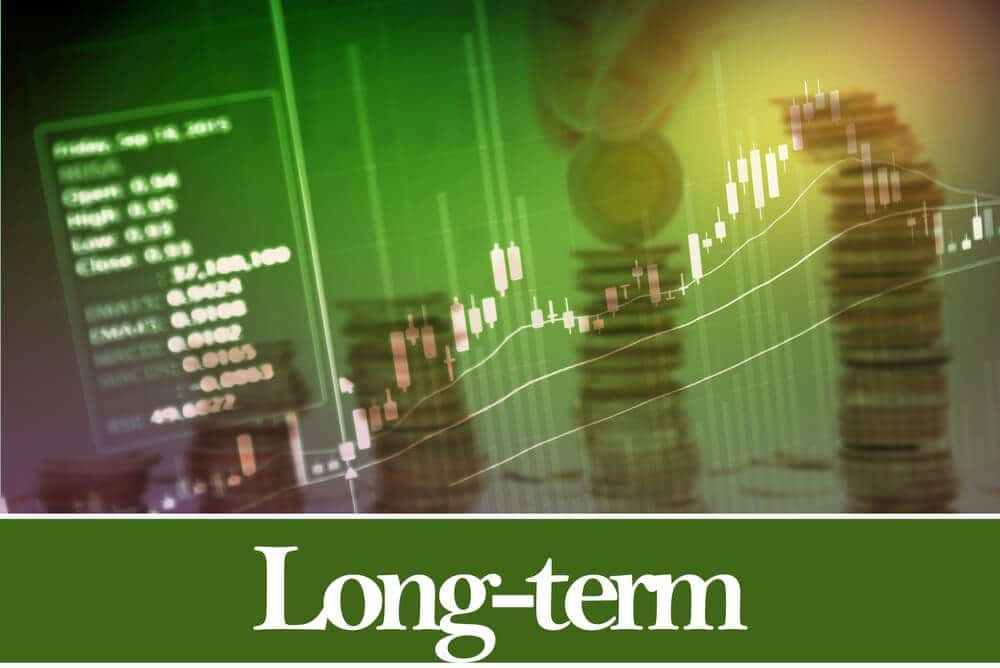
Discipline compounds just like money. Every day you make a controlled decision, you strengthen your financial foundation.
Over time, small actions — saving, reinvesting, managing risk — lead to exponential growth. The results might not show up immediately, but they’re quietly stacking in your favor.
When you stay disciplined for years, your mindset transforms. You stop chasing profits and start managing them. You stop reacting to losses and start preventing them. That’s when you’ve mastered the game.
The Downfall of the Undisciplined
Let’s talk about the flip side.
The undisciplined trader lives in a loop of emotional highs and lows. They win big once and think they’ve cracked the code — only to lose it all the next week.
Their problem isn’t skill — it’s impulse.
They can’t stick to rules, can’t handle boredom, and can’t wait for the right setup. The market punishes this behavior brutally. In the end, undisciplined traders don’t lose to others — they lose to themselves.
If you’re not controlling your habits, your habits are controlling you.
Turning Discipline Into a Lifestyle
Discipline shouldn’t end at your trading desk or bank account.
When it becomes part of who you are, success becomes automatic.
Wake up early. Stay organized. Keep your promises. Stick to healthy routines. The way you do one thing is the way you do everything. If you’re disciplined in life, you’ll be disciplined in money — and vice versa.
Financial discipline is just one reflection of personal discipline. Build it, and success will start showing up everywhere.
Why Money Respects the Disciplined
At its core, money respects order.
That’s why it always gravitates toward those who manage it wisely. It avoids chaos, impatience, and emotional decision-making. You don’t need to chase money; you need to become the kind of person money is drawn to.
Discipline creates trust — both within yourself and in how others perceive you. And trust, in any financial system, is currency.
Conclusion: Discipline Is the Real Shortcut to Wealth
Here’s the ultimate truth: there are no shortcuts. Discipline is the shortcut.
The market rewards patience, consistency, and control — not emotion or luck. Whether you’re trading Forex or building a business, the principle remains the same: The money follows discipline.
When you master discipline, you don’t just grow wealth — you grow wisdom, confidence, and peace.
So, next time you feel tempted to break your rules, remember: money doesn’t follow feelings. It follows discipline.
FAQs
1. Why does discipline matter more than strategy in trading?
Because even the best strategy fails without consistency. Discipline ensures you stick to your plan and manage risks correctly, which is what ultimately brings profits.
2. How can I become more disciplined with money?
Start small. Create a budget, automate your savings, and stick to a routine. Over time, these small acts of control become second nature.
3. What’s the biggest challenge in maintaining discipline?
Emotions. Greed, fear, and impatience can easily derail your decisions. Awareness and practice are key to mastering them.
4. Can discipline really make me rich?
Yes — not overnight, but over time. Wealth grows when you manage money with patience, consistency, and control. Discipline makes that possible.
5. How do I stay disciplined during losses?
Remind yourself that losses are part of the process. Review your plan, learn from mistakes, and focus on execution rather than outcome. Discipline is strongest when tested.