

If you’ve ever dipped your toes into trading, you already know this truth — the market doesn’t care about your emotions, your plans, or your expectations. It has one ultimate goal: to test your patience. You can have the perfect strategy, flawless technical analysis, and top-notch risk management, but without patience, you’re destined to fail.
Trading isn’t about making quick profits; it’s about waiting for the right moment, even when everything inside you screams to act. It’s about discipline, timing, and knowing when not to trade. Let’s dive deep into why patience isn’t just a virtue in trading — it’s a survival skill.
The Harsh Reality of Trading Psychology
Why Impatience Is Every Trader’s Downfall
Impatience is the silent killer of trading accounts. It starts small — maybe you close a trade too early because you’re afraid of losing your profit. Or perhaps you jump into a setup without confirmation because you can’t stand the waiting. Before you know it, your account is bleeding, not because of your strategy, but because of your emotions.
The market rewards those who wait for clarity. Acting on impulse is like trying to chase waves in the ocean — the harder you try, the more you get swallowed. The calm trader who waits for the tide to align, on the other hand, rides it effortlessly.
The Psychological Tug-of-War
Every trader fights an internal battle — fear versus greed. Fear makes you exit trades too soon, and greed makes you stay too long. Patience, however, is the rope that keeps both forces in check. It’s what allows you to sit tight when nothing’s happening and strike only when the odds are in your favor.
The best traders know that their biggest opponent isn’t the market — it’s themselves. Your emotions will tempt you to deviate from your plan. Patience helps you resist that temptation.
The Market’s Trick: The Waiting Game
Why The Best Trades Often Start With Boredom
Here’s an uncomfortable truth — great trades don’t happen every day. The market spends most of its time moving sideways, consolidating, and confusing everyone. This is where most traders lose money — not because of bad analysis, but because they can’t sit still.
If you can learn to embrace the boredom, you’re already ahead of the crowd. Those who jump from one setup to another, chasing action, end up draining their capital. Real trading mastery begins when you realize that doing nothing is a strategy.
Patience Is Not Inaction — It’s Strategic Waiting
There’s a big difference between being inactive and being patient. Inactivity is laziness; patience is precision. When you’re patient, you’re actively observing — watching key levels, studying patterns, and waiting for confirmation.
Think of it like a sniper waiting for the perfect shot. You don’t fire at every movement — you wait for the precise moment when everything aligns. That’s what separates a professional trader from a gambler.
The Emotional Rollercoaster of Waiting
The Pain of Watching and Not Acting
Let’s be honest — watching the market move without you is torture. You see a candle shoot up and think, “I should’ve entered.” Then you jump in late, and the market reverses. Sound familiar? It’s the emotional trap of impatience.
The truth is, missing a trade is always better than taking a bad one. There will always be another setup, another opportunity. But one impulsive trade can wipe out weeks of progress. Patience protects you from that destruction.
FOMO: The Enemy of Discipline

The fear of missing out — FOMO — is every trader’s worst enemy. It makes you enter trades without signals, copy others blindly, and forget your strategy. The market loves traders with FOMO because they provide liquidity for those who are patient.
When you see others celebrating profits on social media, remember — no one posts their losses. Stay in your lane, stick to your plan, and remind yourself that trading isn’t a race. It’s a marathon where consistency beats speed every single time.
The Market’s Silent Message
Why The Market Tests Your Mind, Not Just Your Strategy
The market isn’t just a place where you trade currency pairs or stocks; it’s a psychological battlefield. Every candle represents collective human emotion — greed, fear, panic, and hope. If you can’t control your own emotions, you’ll get swept away by the crowd.
That’s why the market tests your patience. It’s not trying to make you fail — it’s trying to see if you deserve success. Those who pass the test emerge wiser, calmer, and more profitable.
Patience Is the Core of Every Strategy
No matter what strategy you use — scalping, swing trading, or long-term investing — patience is the common denominator. Even scalpers wait for perfect setups. Swing traders need to endure pullbacks. Investors hold through volatility.
Patience is the glue that keeps your trading plan intact. Without it, your strategy crumbles under pressure.
The Art of Doing Nothing
Why Waiting Is a Skill, Not a Weakness
In trading, the ability to do nothing when conditions aren’t right is a superpower. It’s counterintuitive, but sometimes, the best move is no move at all. The market often tricks traders into thinking that constant action equals productivity, but in reality, overtrading kills accounts faster than losses.
When you wait, you conserve your emotional energy and protect your capital. Think of your trading account like ammunition — every trade is a bullet. Would you fire blindly or wait until you have a clear target?
Timing Is Everything
Every trader dreams of entering at the bottom and exiting at the top. But perfect timing isn’t luck; it’s patience. Waiting for confirmation, trend reversals, and volume alignment separates the professionals from the amateurs.
The market will always give you signals — the question is, will you wait long enough to see them?
Building the Trader’s Mindset
Embrace the Process, Not the Profits
When you focus only on profits, you miss the bigger picture. Trading isn’t about getting rich overnight; it’s about mastering the process. The market doesn’t reward greed; it rewards consistency.
Learn to enjoy the process — the analysis, the charting, the waiting. When you shift your mindset from “I need to make money” to “I need to trade well,” your results naturally improve.
Accept That Losses Are Part of the Game
Even the most patient traders lose. The difference is how they respond. Impatient traders chase revenge trades, trying to make up for losses. Patient traders, however, analyze what went wrong, wait for the next opportunity, and move forward with clarity.
Losses are the market’s way of teaching humility. The sooner you accept them as part of the journey, the faster you’ll grow.
Lessons From Seasoned Traders

Every Expert Was Once Impatient
Ask any professional trader, and they’ll admit — they were once impulsive too. The difference is, they learned from it. They realized that the market rewards patience, not aggression. Each mistake taught them to slow down, analyze, and wait.
Behind every calm, confident trader is a history of emotional chaos. They’ve learned the hard way that patience isn’t optional — it’s essential.
Patience Turns Experience Into Wisdom
Experience alone doesn’t make you a good trader. Reflection does. When you review your trades, note where impatience cost you profits. Over time, you’ll notice patterns — you’ll see that most of your losses came from acting too soon.
Patience turns those painful lessons into valuable insights. It transforms frustration into focus and mistakes into mastery.
How To Cultivate Patience in Trading
Create a Trading Plan and Stick to It
Having a trading plan gives you structure. It tells you when to enter, when to exit, and when to sit out. Without it, you’re just gambling. The market will tempt you to deviate, but your plan is your compass — it keeps you grounded when emotions flare.
Stick to your plan even when it feels uncomfortable. The discipline to follow through builds patience over time.
Use Time to Your Advantage
Most traders stare at charts all day, hoping for something to happen. That’s not trading — that’s torture. Step away from your screen. Set alerts, automate where possible, and let the market come to you.
Remember, patience isn’t about waiting passively — it’s about trusting the process and knowing that good setups take time to form.
Emotional Control: The Trader’s Secret Weapon
Detach Yourself From Every Trade
The more emotionally attached you are to a trade, the harder it is to be patient. When your happiness depends on whether a trade wins or loses, you’ve already lost control.
Treat every trade as just one of many. When you detach emotionally, you think rationally. You wait for logic, not feelings, to guide your actions.
Meditation, Journaling, and Mindset Training
Successful traders often talk about mindset more than strategy. Why? Because 80% of trading is psychological. Meditation helps calm your mind. Journaling helps you spot emotional triggers. Over time, you start recognizing your impulses before they control you.
Patience isn’t something you’re born with — it’s something you train daily.
The Rewards of Patience
Better Entries, Fewer Regrets
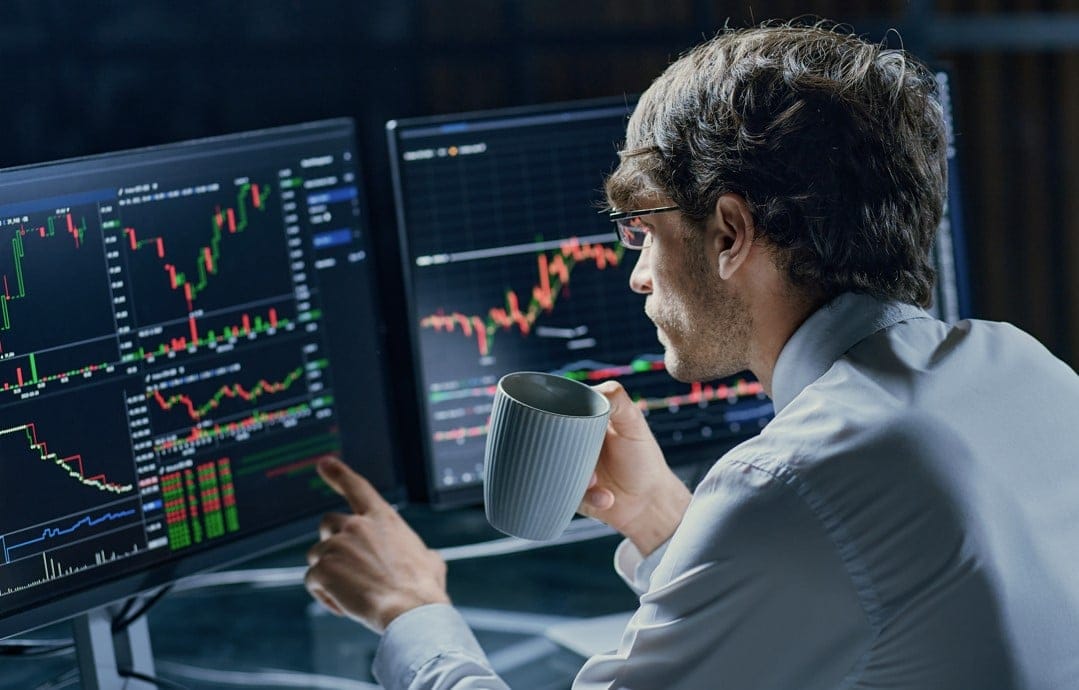
When you’re patient, your trades become cleaner, more confident, and less emotional. You start catching better entries, setting stronger stop losses, and enjoying fewer regrets. The market becomes less of a battlefield and more of a game of precision.
Patience also saves you from unnecessary stress. You stop chasing trades and start letting opportunities come to you.
Consistency Over Perfection
Perfect trades don’t exist, but consistent behavior does. The traders who last are the ones who stay patient through uncertainty. They don’t panic when the market stalls or overreact when volatility spikes.
Patience builds consistency, and consistency builds success. That’s the formula no one tells you about.
Conclusion: The Market Isn’t Your Enemy — Your Impatience Is
The market isn’t out to get you. It’s simply there — neutral, unpredictable, and ever-changing. What makes it feel hostile is your own impatience. When you stop fighting it and start respecting its rhythm, everything changes.
The market will always test your patience, but that test is a gift. It’s the market’s way of filtering out the impulsive and rewarding the disciplined. In trading, patience isn’t just power — it’s profit.
FAQs
What does “the market will test your patience” really mean?
It means trading success takes time. The market moves unpredictably, and rushing trades leads to losses. Only those who can wait for proper setups thrive in the long run.
Why is patience more important than strategy?
Even the best strategy fails without patience. If you can’t wait for confirmations or manage emotions, your plan becomes useless.
How can I develop patience as a beginner trader?
Start by creating a clear trading plan and following it strictly. Avoid overtrading, keep a trading journal, and remind yourself that missing a trade is better than losing one.
What’s the biggest sign of impatience in trading?
Constantly checking charts, jumping into unconfirmed trades, and chasing profits are clear signs you’re letting impatience control you.
Can patience really increase profitability?
Absolutely. Patience helps you enter high-probability trades, avoid emotional decisions, and maintain discipline — all of which directly improve long-term profitability.