

Most people spend their lives trying to control everything around them. They control schedules, relationships, emotions, and future plans like life is some giant machine that can be perfectly managed. But here’s the problem — life doesn’t work that way. The harder you try to force everything into place, the more frustrated and exhausted you become.
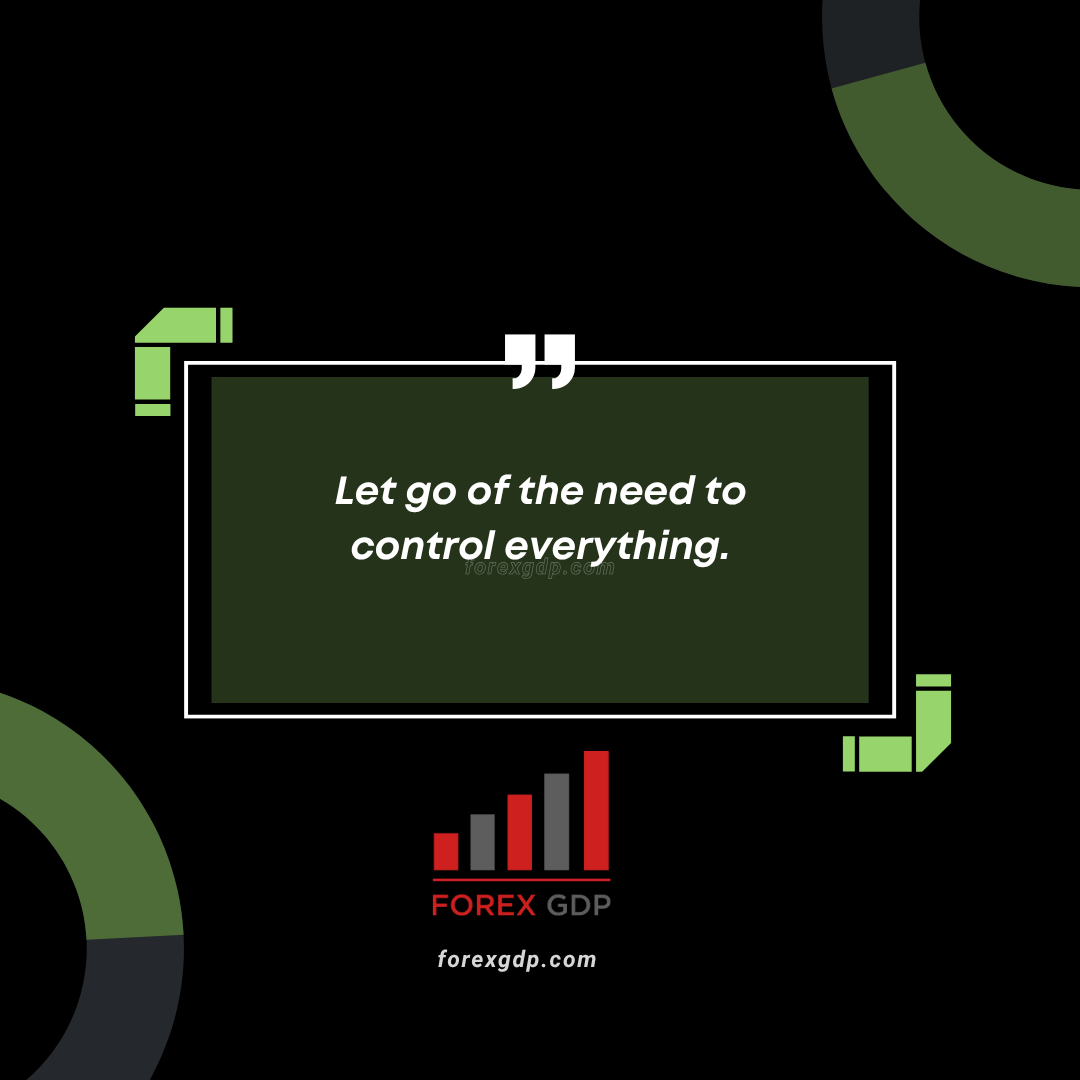
The quote “Let go of the need to control everything” carries a powerful truth. Control may feel safe, but it often creates stress, fear, and disappointment. Sometimes, the more tightly you hold onto something, the faster it slips away. Real peace begins when you stop fighting every uncertainty life throws at you.
Why People Are Obsessed With Control
Control Feels Like Protection
Humans naturally crave certainty. Nobody likes surprises when it comes to money, relationships, careers, or health. So people create plans, routines, and expectations to feel secure. It’s like building walls around your life hoping nothing bad gets in.
But life is unpredictable. No matter how carefully you plan, things still go wrong. Flights get canceled, relationships end, opportunities disappear, and people change. Trying to control every outcome only creates anxiety because deep down, you know you can’t fully control life.
Fear Is Usually the Real Reason
Most controlling behavior is driven by fear. Fear of failure. Fear of rejection. Fear of losing people. Fear of uncertainty. Instead of facing these fears directly, people try to manage every detail around them.
It’s like holding the steering wheel so tightly your hands hurt because you’re terrified of crashing. The problem is, excessive control doesn’t remove fear — it feeds it.
The Hidden Damage of Trying to Control Everything
Control Creates Constant Stress
When you try to control every outcome, your mind never rests. You overthink conversations, analyze situations, and worry endlessly about the future. Even small problems feel massive because you’re trying to predict and prevent every possible mistake.
Eventually, this creates emotional exhaustion. Your brain becomes like a phone running too many apps at once — overheated and drained.
You Can’t Control Other People
This is where many people suffer the most. They try to control:
- Their partner’s feelings
- Their children’s choices
- Friends’ loyalty
- Other people’s opinions
But people are not puppets. Everyone has free will. No amount of pressure, manipulation, or worrying can force someone to behave exactly how you want.
Trying to control people is like trying to hold water in your hands. The tighter you squeeze, the faster it escapes.
Perfectionism: Control in Disguise
The Dangerous Need to Be Perfect
Perfectionism often looks positive from the outside, but underneath it’s usually about fear and control. People think if they do everything perfectly, nothing bad will happen.
But perfection doesn’t exist. There will always be flaws, mistakes, and unexpected problems. Chasing perfection is like running on a treadmill — lots of effort, but you never actually arrive anywhere.
Perfectionism creates stress, self-criticism, and constant dissatisfaction because nothing ever feels “good enough.”
How Control Damages Relationships
People Feel Suffocated
Nobody enjoys feeling controlled. Relationships become toxic when one person constantly tries to manage everything — emotions, decisions, conversations, or behavior.

Love needs freedom to survive. Think of it like a plant. Too much control is like giving it no air or sunlight. Eventually, it dies.
Ironically, people often become controlling because they’re afraid of losing someone. But that controlling behavior becomes the exact reason relationships fall apart.
Trust Cannot Exist Without Freedom
Healthy relationships are built on trust, not control. If you constantly monitor someone, question them, or try to manage their actions, trust slowly disappears.
Real connection happens when people feel accepted, not controlled. Sometimes you have to let people show you who they truly are instead of forcing them to fit your expectations.
Why Letting Go Feels So Hard
People Confuse Letting Go With Giving Up
Many people think letting go means weakness or laziness. But that’s not true. Letting go simply means accepting what you cannot control while focusing on what you can control.
You can’t control everything that happens to you, but you can control:
- Your attitude
- Your effort
- Your reactions
- Your decisions
That’s where your energy should go.
The Fear of Uncertainty
Uncertainty scares people because it feels unsafe. Humans want guarantees. They want to know relationships will last forever, careers will succeed, and life will go according to plan.
But life offers no guarantees. And honestly, trying to force certainty into an uncertain world only creates more suffering.
The Freedom That Comes From Letting Go
Peace Begins With Acceptance
Acceptance is powerful. It doesn’t mean you like every situation or stop trying to improve your life. It simply means you stop fighting reality.
Imagine floating in water instead of struggling against strong waves. The moment you stop resisting, you save energy and find calm.
That’s what letting go feels like emotionally.

You Become More Resilient
People who let go of excessive control adapt better to challenges. They don’t collapse every time life changes unexpectedly because they understand change is part of life.
Rigid things break easily. Flexible things survive. A tree bends during a storm while stiff branches snap.
Practical Ways to Stop Controlling Everything
1. Focus on the Present Moment
Most anxiety comes from obsessing over the future. Instead of imagining worst-case scenarios, focus on what’s happening right now.
Ask yourself:
“Is this problem real in this moment?”
Usually, the answer is no.
2. Accept Imperfection
Life is messy. People make mistakes. Plans fail. That’s normal.
Stop expecting perfection from yourself and others. Peace is far more valuable than perfection.
3. Let People Be Themselves
You cannot force honesty, loyalty, love, or respect. People will reveal who they truly are through their actions.
Instead of trying to control them, pay attention and accept reality for what it is.
4. Stop Overthinking Every Outcome
Overthinking feels productive, but most of the time it’s just fear spinning in circles. Thinking about every possible disaster doesn’t prevent pain — it only steals your peace today.
Sometimes you need to trust yourself enough to handle whatever happens.
The Beauty of Uncertainty
Life Would Be Boring Without Surprises
Imagine if everything in life was completely predictable. No surprises. No risks. No unexpected opportunities.
Sounds safe, right? But it also sounds painfully boring.
Some of the best moments in life happen unexpectedly:
- Meeting the right person
- Discovering a new passion
- A surprise opportunity
- Personal growth after failure
Uncertainty is not always the enemy. Sometimes it becomes the reason life feels meaningful.
Conclusion
The need to control everything is exhausting. It creates stress, anxiety, broken relationships, and constant fear of uncertainty. The truth is, life was never designed to be fully controlled.
Letting go doesn’t mean giving up on your goals or becoming careless. It means understanding that some things are beyond your power — and that’s okay.
Real strength comes from adaptability, trust, and acceptance. The moment you stop gripping life so tightly, you finally create room for peace, growth, and freedom.
Sometimes the happiest people are not the ones controlling everything. They are the ones who learned when to let go.
FAQs
1. Why do people try to control everything?
People usually seek control because uncertainty creates fear and anxiety. Control gives a temporary sense of safety.
2. Is letting go a sign of weakness?
No. Letting go is a sign of emotional maturity and wisdom. It means accepting reality instead of fighting it constantly.
3. How can I stop being controlling?
Focus on what you can control, practice mindfulness, stop overthinking, and accept that uncertainty is part of life.
4. Can control issues ruin relationships?
Yes. Excessive control often creates tension, mistrust, and emotional distance in relationships.
5. What happens when you let go of control?
You experience less stress, better emotional balance, healthier relationships, and greater inner peace.