

The Real Power of Consistency
Consistency is not glamorous. It does not trend. It rarely makes noise. Yet it quietly builds everything that lasts. The idea is simple: the more you put into something, the more it grows. But simple does not mean easy. Showing up again and again, especially when results are slow, can feel frustrating. Still, consistency remains the hidden engine behind every meaningful success story.
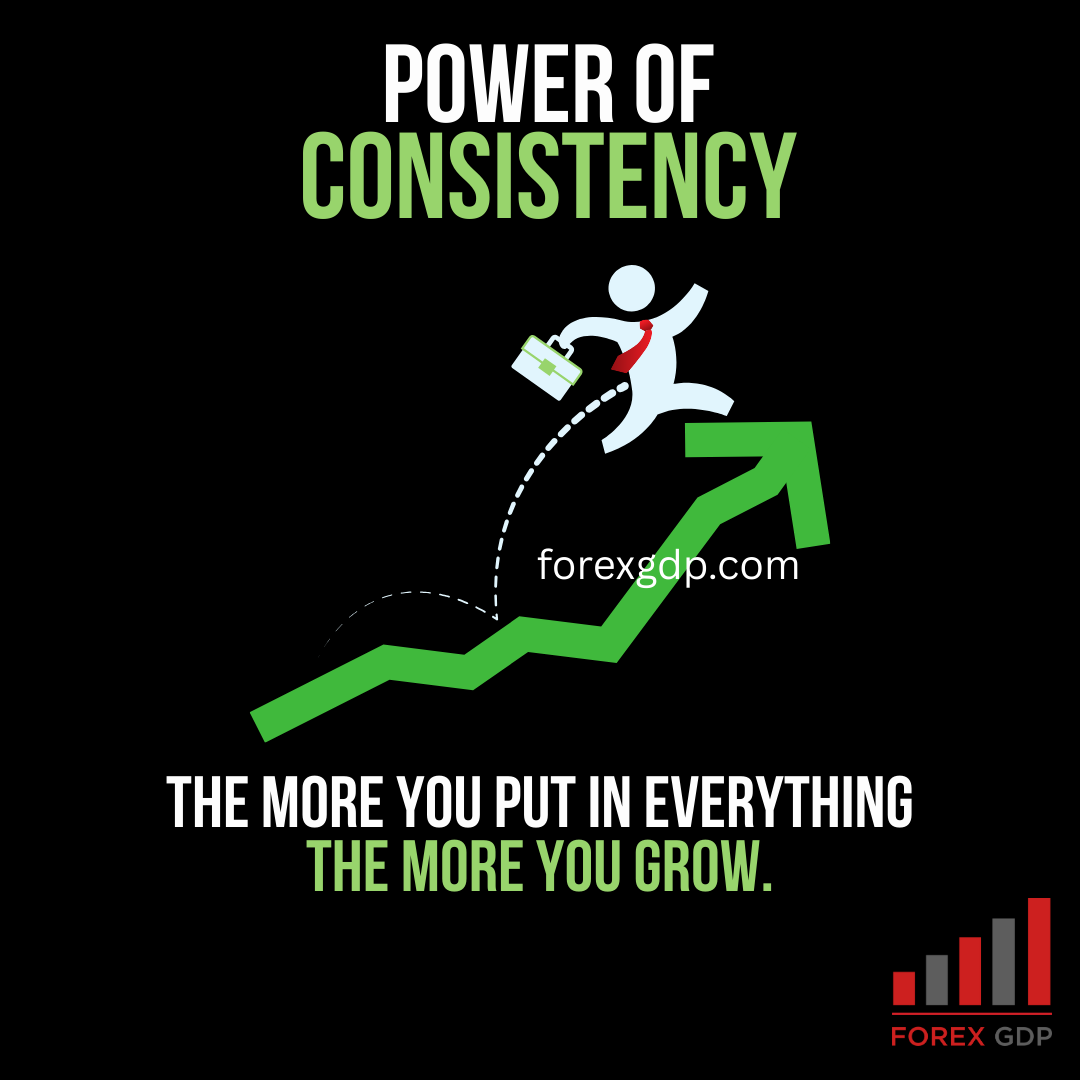
Think of growth like a green arrow climbing upward. It doesn’t jump straight to the sky. It moves in waves, dips, and gradual rises. What pushes it upward isn’t one massive effort but repeated, focused action. The truth is slightly uncomfortable. Most people want dramatic breakthroughs. Real growth, however, is usually quiet, steady, and built on daily commitment.
Why Consistency Beats Talent
Talent is exciting at first glance. It looks effortless. But talent without consistency is like a powerful car without fuel. It may look impressive, but it won’t go far. Meanwhile, someone with average ability but relentless consistency will often outperform the naturally gifted individual who relies on bursts of motivation.
We have all seen it. The person who starts strong, makes noise, and then disappears. And then there’s the quiet one who just keeps going. Month after month. Year after year. Guess who builds lasting results? Consistency compounds. Talent fades when not used. Effort, repeated daily, becomes unstoppable.
Small Actions Compound
Tiny actions feel insignificant in the moment. One workout doesn’t transform your body. One focused trading session doesn’t change your financial life. One productive day doesn’t define your career. But stack those days together and something powerful begins to happen.
It’s like planting seeds. You water them daily, even when the soil looks empty. For a while, nothing happens. Then suddenly, green shoots appear. That is the magic of compounding effort. Small actions repeated consistently grow roots beneath the surface before they become visible above it.
Momentum Changes Identity
Consistency does more than improve results; it reshapes who you are. When you show up repeatedly, you stop saying, “I’m trying,” and start saying, “This is who I am.” That shift is powerful. Identity drives behavior more than motivation ever could.
Momentum builds confidence. Each small win reinforces the belief that you are capable. Over time, consistency transforms from something you do into something you embody. You don’t chase growth anymore. Growth becomes your natural direction.
The Psychology Behind Showing Up

There are days when you feel inspired. Then there are days when you would rather do anything else. The difference between average and exceptional often comes down to who shows up on the hard days. Consistency is deeply psychological. It’s a battle between comfort and commitment.
The mind loves shortcuts. It whispers excuses. “Skip today.” “You deserve a break.” And sometimes rest is necessary. But too often, inconsistency disguises itself as self-care. The real challenge is learning to recognize when you’re protecting your future and when you’re sabotaging it.
Discipline Over Motivation
Motivation is unreliable. It comes and goes like the weather. If you depend on feeling inspired, your progress will be unpredictable. Discipline, on the other hand, is steady. It doesn’t ask how you feel. It asks what needs to be done.
Imagine brushing your teeth. You don’t wait for motivation. You simply do it because it’s part of your routine. That’s how consistency should feel. When your actions become non-negotiable habits, progress becomes automatic. Discipline quietly wins where motivation fails.
Trusting the Process
Consistency requires faith in delayed rewards. That’s uncomfortable. We live in a world obsessed with instant results. Social media celebrates overnight success, but it hides the years of quiet effort behind it.
Trusting the process means believing that today’s effort matters even if you can’t see immediate proof. It means understanding that growth often feels slow until it suddenly feels unstoppable. When you commit to the process instead of obsessing over short-term results, you protect your long-term success.
Consistency in Growth and Trading
Growth applies everywhere: health, business, relationships, and even financial markets. In trading, especially, consistency separates disciplined professionals from emotional gamblers. A single lucky trade doesn’t define success. Sustainable growth comes from a structured, repeatable approach.
Imagine a steadily rising green arrow. It doesn’t move in a straight line. There are dips. There are corrections. But the overall direction is upward. That’s what consistent effort looks like. You focus on process, manage risk, and keep improving. Over time, the upward movement becomes undeniable.
Building Sustainable Success
Sustainable success isn’t flashy. It doesn’t depend on risky moves or dramatic swings. It’s built on repeated, calculated actions. In trading and in life, steady progress beats unpredictable spikes every time.
Consistency builds stability. When you approach your goals with patience and structure, you reduce chaos. Instead of reacting emotionally, you respond strategically. That calm approach compounds into long-term growth.
Managing Risk Daily


One of the most overlooked aspects of consistency is risk management. It’s not about how much you can gain in one moment. It’s about how much you can protect over time. Consistent growth demands respect for risk.
When you manage risk daily, you avoid catastrophic losses that wipe out months of effort. You think long-term. You accept small losses as part of the journey. That mindset preserves capital and protects your ability to keep playing the game.
Avoiding Emotional Decisions
Emotions are expensive. Fear and greed can sabotage even the most promising opportunities. Inconsistent decisions often come from emotional reactions rather than strategic thinking.
Consistency creates emotional control. When you follow a plan, you reduce impulsive behavior. Instead of chasing quick wins, you focus on steady execution. Over time, that discipline turns volatility into opportunity rather than chaos.
The Hidden Cost of Inconsistency
Inconsistency doesn’t just slow growth. It damages confidence. Each time you start and stop, you weaken your trust in yourself. You begin to doubt your ability to commit. That doubt spreads into other areas of life.
There’s also a financial and emotional cost. Time wasted restarting is time you never get back. Energy spent recovering from setbacks could have been invested in steady progress. Inconsistency isn’t harmless. It quietly drains momentum.
Stop-Start Cycles
The stop-start cycle is exhausting. You feel inspired, push hard, then burn out. After a break, guilt sets in. You restart with enthusiasm, only to repeat the pattern. It feels productive, but it isn’t sustainable.
Real growth avoids extremes. It favors steady effort over dramatic bursts. When you eliminate the cycle of overcommitment and withdrawal, you create a rhythm you can maintain for years, not weeks.
Confidence Erosion
Confidence grows from evidence. When you consistently follow through, you prove to yourself that you are reliable. But when you frequently quit or delay, your self-belief weakens.
It’s a subtle erosion. You start questioning your plans. You hesitate. Over time, that hesitation becomes a habit. Consistency protects your confidence by reinforcing your identity as someone who finishes what they start.
How to Cultivate Unbreakable Consistency


Consistency doesn’t happen by accident. It’s built intentionally. It requires structure, clarity, and patience. The good news is that anyone can develop it. You don’t need extraordinary talent. You need commitment.
Start by simplifying your approach. Overcomplicating goals often leads to overwhelm. When actions are clear and manageable, you remove excuses. Consistency thrives in simplicity.
Creating Simple Systems
Systems remove decision fatigue. Instead of wondering what to do each day, you follow a pre-defined structure. That structure becomes your safety net when motivation fades.
Think of systems as rails guiding a train. They keep you moving forward even when distractions appear. By focusing on repeatable processes rather than unpredictable outcomes, you strengthen your ability to stay consistent.
Habits That Anchor Progress
Habits anchor progress in daily life. They remove the need for constant willpower. When your actions become routine, consistency stops feeling like effort and starts feeling like identity.
Start small. A manageable habit repeated daily builds trust with yourself. Over time, those small anchors create a stable foundation. Growth becomes less about forcing yourself and more about maintaining momentum.
Tracking Without Obsession
Tracking progress is useful, but obsession can backfire. Watching every fluctuation may create anxiety. The key is balance. Measure enough to stay aware, but not so much that you lose perspective.
Consistency focuses on trends, not daily noise. A single bad day doesn’t define your journey. What matters is the overall direction. When you zoom out, you see the steady upward movement created by persistent effort.
Becoming the Person Who Grows
Growth isn’t just about results. It’s about transformation. When you commit to consistency, you reshape your character. You develop patience, resilience, and self-control.

Over time, you stop chasing external validation. You begin valuing internal progress. The process itself becomes rewarding. You realize that the real power lies not in the outcome but in who you become along the way.
Identity Before Results
Results fluctuate. Identity remains. When you define yourself as someone who shows up consistently, you remove negotiation. You don’t debate whether to act. You act because it aligns with who you are.
This identity-first mindset reduces internal conflict. Instead of waiting for proof to feel confident, you act confidently first. The results eventually catch up with your behavior.
Long-Term Vision
Consistency requires a long-term lens. Short-term thinking breeds impatience. When you only focus on immediate outcomes, slow progress feels like failure.
A long-term vision changes everything. You understand that meaningful growth takes time. You become less reactive to temporary setbacks. Instead, you stay focused on the steady upward path, trusting that consistent effort will eventually lead to remarkable results.
Final Thoughts on Consistency and Growth
The power of consistency lies in its simplicity. Show up. Do the work. Repeat. It sounds almost too basic, yet it transforms ordinary efforts into extraordinary outcomes. The more you put into everything, the more you grow. That principle applies across careers, trading, health, and personal development.
Growth is rarely explosive. It is gradual, steady, and built on repeated actions. If you commit to consistent effort, manage your risks, control your emotions, and trust the process, the green arrow of progress will keep pointing upward. The journey may test your patience, but the reward is lasting success built on unshakable foundations.
FAQs
1.What makes consistency more powerful than motivation?
Motivation is temporary and unpredictable. Consistency relies on habits and discipline, which function regardless of mood. When actions become routine, progress continues even on difficult days.
2.How can I stay consistent when results are slow?
Focus on the process rather than immediate outcomes. Track long-term trends instead of daily fluctuations. Remind yourself that meaningful growth often happens beneath the surface before it becomes visible.
3.Does consistency guarantee success in trading?
Consistency doesn’t eliminate risk, but it significantly improves long-term outcomes. A structured approach, disciplined risk management, and emotional control create sustainable performance over time.
4.What is the biggest obstacle to being consistent?
Emotional decision-making is often the biggest barrier. Fear, impatience, and overconfidence can disrupt steady progress. Building systems and habits helps reduce these emotional swings.
5.Can small daily actions really create significant growth?
Absolutely. Small actions compound over time. Just like interest in a savings account, repeated effort builds momentum. What feels insignificant today can lead to remarkable results in the future.