

Forex trading looks exciting from the outside. Charts move fast, profits flash everywhere on social media, and everyone seems to be “making money.” But behind the flashy screenshots and motivational posts lies a dangerous reality most traders ignore: many people trade simply to feel productive.
That’s exactly why the quote, “Don’t trade to feel productive,” hits so hard. In forex, being busy does not mean being profitable. In fact, the traders constantly entering positions are often the ones losing money the fastest.
Trading is not a factory job where more hours automatically create better results. Sometimes the smartest move is doing absolutely nothing. That sounds boring, right? But boring is often profitable in trading.
Why Traders Mistake Activity for Progress
Most people grow up believing hard work always pays off. In regular jobs, more effort usually produces better outcomes. Forex trading works differently. The market doesn’t reward effort — it rewards precision.
Many traders spend hours staring at charts, switching indicators, and forcing entries just to feel like they’re working. But the market doesn’t care how long you sat at your desk. One high-quality trade can outperform twenty emotional trades.
Think of trading like hunting. A skilled hunter waits patiently for the perfect shot. They don’t fire randomly into the woods hoping something works.
The Dangerous Habit of Overtrading
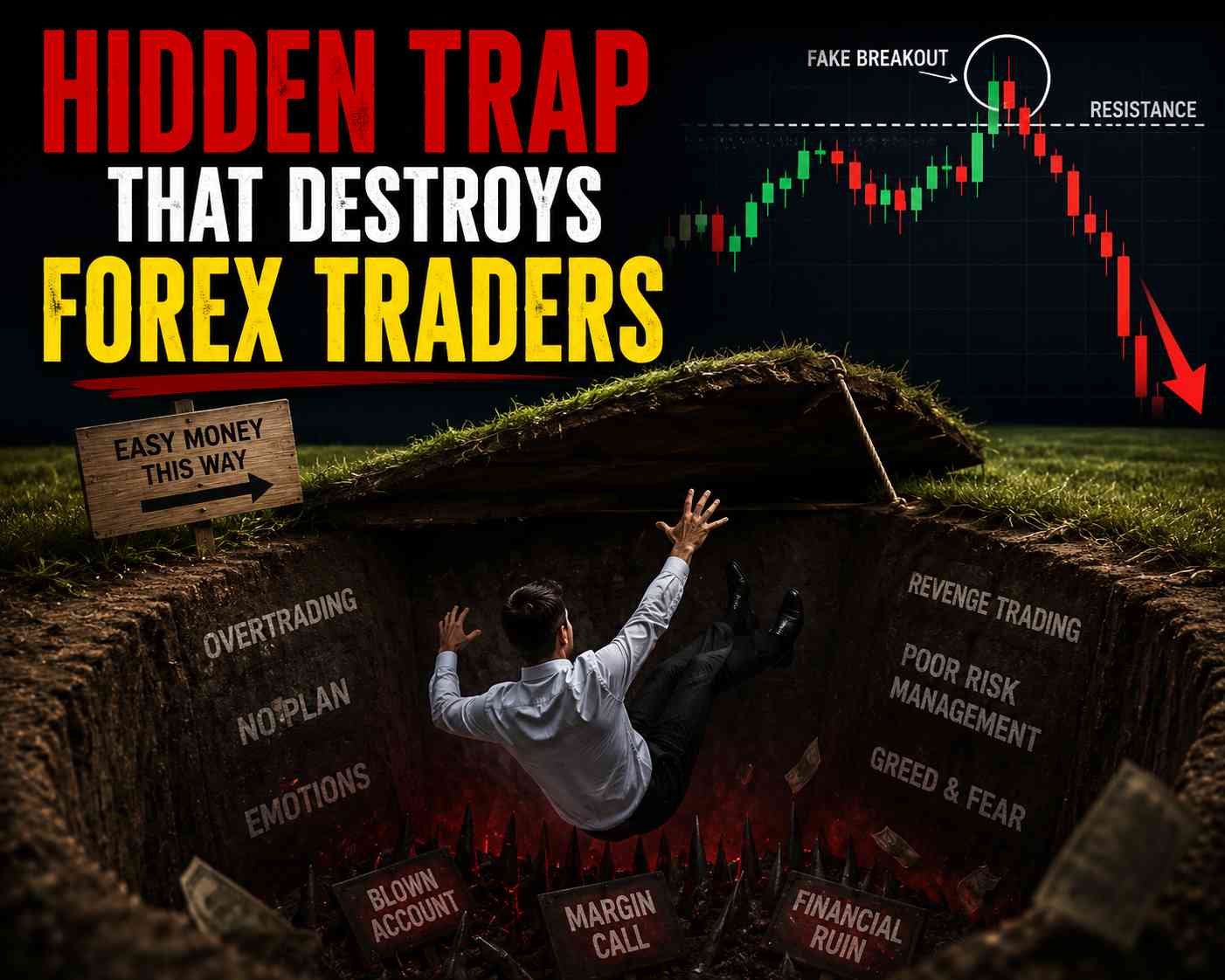
Overtrading is one of the biggest reasons traders fail. It happens when traders enter too many positions, chase setups that aren’t there, or trade emotionally out of boredom and frustration.
The problem is that overtrading feels productive. Clicking buttons creates excitement. Your brain gets addicted to the emotional rush of wins and losses. That’s why many traders continue trading even when they know they should stop.
It becomes less about strategy and more about emotional stimulation. At that point, trading turns into gambling wearing a professional suit.
The Market Rewards Patience, Not Busyness
Professional traders don’t sit in trades all day. Most of their time is spent waiting. They wait for confirmation, proper market structure, and strong setups before risking money.
Beginners hate waiting because silence feels uncomfortable. They think if they aren’t trading, they’re missing opportunities. But forcing trades in bad market conditions usually leads to unnecessary losses.
The market will always provide another opportunity tomorrow. The trader who survives long enough to wait for it wins.
How Emotions Destroy Trading Decisions
Emotions are deadly in forex trading. Fear, greed, frustration, and excitement cloud judgment quickly. A trader who loses one trade emotionally may immediately jump into another trade trying to recover losses.
That’s called revenge trading, and it destroys accounts every single day.
The market doesn’t care about your emotions. It doesn’t know you need to recover money. Emotional traders take impulsive decisions, increase lot sizes recklessly, and ignore risk management rules.
Calm traders think logically. Emotional traders react emotionally. The results are usually predictable.
Social Media Creates Fake Trading Pressure
Social media has made forex trading worse for many people. Everywhere you look, traders post luxury lifestyles, giant profits, and “easy” market wins. It creates unrealistic expectations.
New traders begin believing they must constantly trade to succeed. They fear missing out whenever they see someone else catching a big move online.
But social media rarely shows losses, blown accounts, or emotional breakdowns. Most of it is marketing, not reality.
Real professional trading is often quiet, slow, and even boring.
Why No Trade Is Sometimes the Best Trade
Many traders forget something important: staying out of the market is also a decision.
If the market conditions are messy, sitting on the sidelines can protect your account. If your emotions are unstable, avoiding trades may save you from costly mistakes.
Cash is a position too. Preserving your capital gives you future opportunities. Wasting money on random trades leaves you emotionally and financially drained.
A disciplined trader understands that not every day needs action.
The Psychology Behind Forced Trading
Humans naturally feel uncomfortable doing nothing. We associate movement with progress. That’s why many traders open trades just to feel useful.

But successful trading requires emotional control. The market rewards discipline, not desperation.
Ironically, healthy trading often feels boring. There’s less excitement, fewer trades, and more patience involved. If your trading constantly feels thrilling and emotional, there’s a good chance you’re gambling instead of trading professionally.
How Professional Traders Think Differently
Professional traders focus on protecting capital first. They understand survival matters more than chasing quick profits.
Beginners often think:
“How much money can I make today?”
Professionals think:
“How much risk should I avoid today?”
That mindset changes everything. Experienced traders accept losses calmly because they know losses are part of the business. They don’t treat every losing trade like a personal attack.
Trading becomes easier once ego leaves the room.
The Importance of a Trading Plan
Without a trading plan, emotions take control quickly. A proper trading plan creates structure and removes impulsive decisions.
Your plan should clearly define:
- entry conditions,
- stop-loss placement,
- risk percentage,
- profit targets,
- and maximum daily losses.
Rules create discipline. Discipline creates consistency.
A trader without a plan is like a pilot flying through a storm without instruments. Eventually, things fall apart.
How to Stop Trading Just to Feel Productive
One of the best ways to reduce emotional trading is limiting screen time. You don’t need to watch charts all day. Set specific trading hours and walk away when your session ends.
Focus only on high-quality setups. Ask yourself:
“Would I still take this trade if I could only trade once today?”
Keeping a trading journal also helps. Writing down emotions, mistakes, and decisions exposes bad habits quickly. Over time, patterns become obvious.
Most importantly, accept that missing trades is normal. Every professional trader misses opportunities. That’s part of the game.

Conclusion
The quote “Don’t trade to feel productive” contains a lesson most traders learn too late. Forex trading is not about constant activity. It’s about smart decision-making, patience, and emotional control.
The market doesn’t reward traders for being busy. It rewards those who stay disciplined when others become emotional.
Sometimes the best trade is no trade at all. Sometimes waiting protects your account more than action ever could. And sometimes doing less is exactly what makes a trader more profitable.
Stop chasing movement. Stop forcing trades. Because in forex, the trader constantly clicking buttons usually isn’t working harder — they’re simply losing faster.
FAQs
1. What does “Don’t trade to feel productive” mean?
It means traders should avoid entering trades just to feel busy or active. Trading should only happen when high-quality opportunities appear.
2. Why is overtrading dangerous?
Overtrading increases emotional mistakes, unnecessary risks, and account losses. It often leads to revenge trading and poor discipline.
3. Do professional traders trade every day?
No. Many professional traders wait patiently for strong setups and may avoid trading for days if market conditions are poor.
4. How can I avoid emotional trading?
Use a trading plan, reduce screen time, manage risk properly, and avoid trading when emotional or frustrated.
5. Is patience really important in forex trading?
Absolutely. Patience helps traders wait for better setups, avoid impulsive decisions, and protect capital long term.