

In the world of trading, investing, and personal finance, people often spend countless hours searching for the next big opportunity. They chase market trends, follow expert predictions, and dream about life-changing profits. Yet many overlook the most important asset they already possess—their capital.
The phrase “Your capital is your weapon—protect it” carries a powerful truth. Whether you are trading currencies, investing in stocks, building a business, or managing personal savings, capital is the fuel that keeps you moving forward. Without it, opportunities become meaningless. With it, even after setbacks, you can always fight another day.
Think of capital as a soldier’s shield and sword combined. It gives you the ability to participate, compete, and grow. Lose it recklessly, and your journey may end before it truly begins. Protect it wisely, and you create the foundation for long-term success.
The financial world rewards patience, discipline, and risk awareness far more than it rewards impulsive behavior. Understanding this simple reality can mean the difference between sustainable growth and devastating losses.
Why Capital Matters More Than Profit
Many newcomers enter financial markets with a single goal: making money as quickly as possible. While profits are important, focusing solely on gains often leads to poor decisions.
Capital represents possibility. Every dollar saved, invested, or allocated wisely gives you another chance to take advantage of future opportunities. Once capital disappears, those opportunities often disappear with it.
Imagine a farmer who eats all his seeds instead of planting them. He may enjoy a short-term reward, but he sacrifices future harvests. The same principle applies to capital. Spending it carelessly or risking too much can eliminate future growth potential.
The Foundation of Every Financial Journey
Every successful investor, trader, and entrepreneur starts with some form of capital. It may be a large amount or a small one, but it serves as the starting point for growth.
Without capital, even the best strategy becomes useless. A brilliant trader with an empty account cannot participate in the market. An entrepreneur with no resources may struggle to bring great ideas to life.
Capital creates flexibility. It allows you to wait for better opportunities rather than acting out of desperation. That flexibility often becomes one of the greatest advantages in financial decision-making.
Survival Comes Before Growth
One of the harsh truths of financial markets is that survival always comes first. You cannot grow wealth if you are no longer in the game.
Many traders focus on how much they can make. Professionals often focus on how much they can afford to lose. This difference in mindset separates long-term participants from those who quickly disappear.
Protecting capital means ensuring that temporary losses do not become permanent disasters. Small setbacks are manageable. Catastrophic losses can take years to recover from.
The Cost of Ignoring Risk
Risk may seem invisible when markets move in your favor. During winning streaks, confidence grows, and caution often fades.
Unfortunately, financial history is filled with examples of individuals who underestimated risk. They believed success would continue indefinitely, only to face sudden reversals that erased years of gains.
Ignoring risk is like driving at high speed without wearing a seatbelt. Everything feels fine until something unexpected happens.
Why Preservation Creates Opportunity
Keeping your capital intact gives you options. When markets present attractive opportunities, you have the resources to act.
Investors who preserve capital during difficult periods often emerge stronger when conditions improve. While others struggle to recover losses, disciplined participants are ready to move forward.
Protection is not weakness. It is preparation.
The Psychology Behind Capital Protection
Money is emotional. No matter how logical people believe themselves to be, emotions often influence financial decisions.
Fear, greed, excitement, and frustration can all cloud judgment. Learning to manage these emotions becomes essential for protecting capital.
The greatest financial battles often occur not in the market but in the mind.
Greed Can Be More Dangerous Than Fear


Most people view fear as the primary obstacle to success. Surprisingly, greed often causes more damage.
Fear may prevent action, but greed encourages excessive risk-taking. It convinces people that bigger risks will automatically lead to bigger rewards.
When greed takes control, discipline disappears. Individuals begin ignoring warning signs and taking positions that exceed their comfort levels.
The desire for quick wealth has destroyed countless accounts and businesses throughout history.
The Trap of Chasing Losses
Losses are part of every financial journey. Unfortunately, many people react poorly when they experience them.
Instead of accepting a setback and moving forward, they attempt to recover losses immediately. This often leads to larger risks and even greater losses.
Chasing losses resembles digging a deeper hole while trying to escape. The harder you rush, the more difficult recovery becomes.
Patience and emotional control are often the most valuable tools an investor can possess.
Emotional Decisions Are Expensive
When emotions drive decisions, logic tends to disappear. A person may abandon a well-planned strategy simply because of temporary market fluctuations.
These emotional reactions frequently result in buying at high prices and selling at low prices. Ironically, the opposite approach is usually more effective.
Capital protection requires calm thinking, especially during periods of uncertainty.
Confidence Must Be Balanced
Confidence is valuable, but overconfidence can be dangerous.
Successful individuals sometimes begin believing they cannot fail. This mindset often encourages larger risks and weaker discipline.
The market has a way of humbling everyone eventually. Protecting capital means respecting uncertainty, regardless of past successes.
Building a Defensive Mindset
Many people associate financial success with aggressive action. However, defense often plays an equally important role.
In sports, championship teams are rarely successful because of offense alone. Strong defense prevents devastating mistakes and creates stability.
The same principle applies to financial management.
Thinking Like a Long-Term Player
Short-term thinking often encourages risky behavior. Long-term thinking promotes patience and discipline.
A person focused on immediate gains may take unnecessary risks for quick rewards. Someone focused on long-term success understands the importance of consistency.
Capital protection becomes easier when viewed through a long-term lens. Every decision is evaluated not only for potential rewards but also for potential consequences.
Success is rarely built overnight. It is usually constructed through years of steady progress.
Patience Is a Competitive Advantage
In today’s fast-paced world, patience has become increasingly rare. Many individuals feel pressured to act constantly.
Yet some of the best opportunities come to those who wait.
Patience prevents impulsive decisions. It allows investors and traders to evaluate situations carefully rather than reacting emotionally.
Capital remains safer when actions are deliberate rather than rushed.
Avoiding Unnecessary Battles
Not every opportunity deserves your attention. Some situations simply carry too much uncertainty.
Successful individuals understand that saying no can be just as important as saying yes.
Protecting capital sometimes means staying on the sidelines until conditions become more favorable.
Knowing When to Walk Away
There are moments when stepping back becomes the smartest decision available.
Whether facing a losing streak, emotional stress, or unfavorable market conditions, temporary withdrawal can protect both capital and confidence.
Walking away is not surrender. It is strategic preservation.
Common Threats to Your Capital


Capital faces threats from many directions. Some are obvious, while others appear harmless until significant damage occurs.
Recognizing these threats is the first step toward managing them effectively.
Overconfidence After Success
Success can create dangerous illusions. A series of wins may convince people that future success is guaranteed.
This false sense of security often leads to larger risks and reduced caution.
The reality is that every opportunity carries uncertainty, regardless of previous outcomes.
Protecting capital requires maintaining discipline even during periods of strong performance.
Lack of Preparation
Many financial mistakes occur because individuals act without sufficient preparation.
They enter markets they do not understand, follow advice without verification, or commit resources without proper research.
Preparation cannot eliminate risk entirely, but it significantly reduces unnecessary exposure.
Knowledge serves as one of the strongest defenses against avoidable losses.
Following the Crowd Blindly
Crowds can create powerful emotional pressure. When everyone appears excited about an opportunity, it becomes tempting to join.
However, popular decisions are not always wise decisions.
History repeatedly shows that crowd behavior often peaks near market extremes. Protecting capital means thinking independently rather than blindly following trends.
Ignoring Warning Signs
Financial disasters rarely occur without warning. In many cases, signals appear long before major losses develop.
The problem is that people often ignore these warnings because they conflict with their hopes or expectations.
Paying attention to risk indicators can prevent significant damage and preserve valuable capital.
The Relationship Between Discipline and Wealth
Discipline may not sound exciting, but it remains one of the strongest predictors of financial success.
Many people search endlessly for secret formulas while overlooking the importance of consistent behavior.
Wealth creation is often less about extraordinary brilliance and more about avoiding costly mistakes.
Small Decisions Create Big Results
Major financial outcomes are often shaped by small daily choices.
Consistent saving, thoughtful investing, and controlled spending may seem insignificant at first. Over time, however, these habits produce remarkable results.
Protecting capital is not a one-time action. It is an ongoing process that requires attention and commitment.
Every decision either strengthens or weakens your financial position.
Common Threats to Your Capital

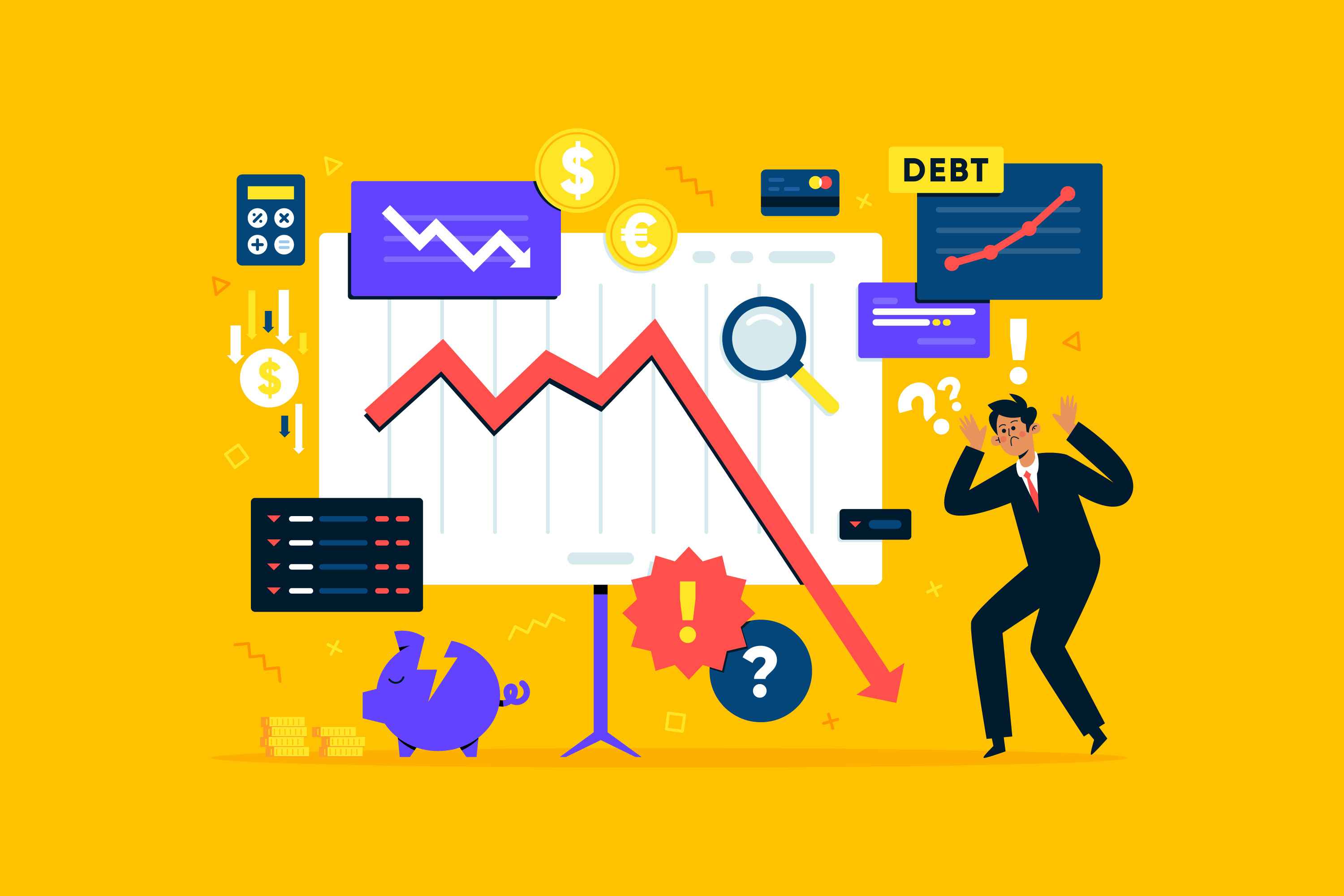
Some individuals achieve spectacular short-term gains through aggressive risk-taking. Yet many struggle to sustain their success.
Consistency creates a more reliable path forward. Steady progress may appear slower, but it often leads to stronger long-term outcomes.
Protecting capital allows consistency to work its magic. Without preservation, growth becomes difficult to maintain.
Creating Financial Resilience
Resilience refers to the ability to recover from challenges and continue moving forward.
Financial resilience depends heavily on capital protection. The more resources you preserve, the easier it becomes to withstand unexpected setbacks.
Life and markets are unpredictable. Resilience helps you navigate uncertainty without losing momentum.
Learning From Mistakes Without Paying Too Much
Mistakes are inevitable. The goal is not avoiding every error but ensuring that errors remain manageable.
Small mistakes provide valuable lessons. Large mistakes can end a financial journey entirely.
Protecting capital ensures that learning experiences remain educational rather than devastating.
Capital Protection Beyond Trading
While the phrase often appears in trading circles, its message extends far beyond financial markets.
The principle applies to nearly every area of life involving resources, opportunities, and decision-making.
Business Owners Need Capital Protection Too
Entrepreneurs face constant decisions about spending, investing, and expansion.
Growth is important, but reckless growth can create significant problems. Businesses that expand too quickly without adequate financial protection often struggle during economic downturns.
Strong companies balance ambition with caution. They pursue opportunities while maintaining enough resources to handle challenges.
Personal Finance Requires the Same Discipline
Every household manages capital in some form. Savings accounts, emergency funds, investments, and income all represent financial resources.
Protecting these resources provides security and peace of mind.
Unexpected expenses can arise at any time. Individuals who prioritize capital preservation are often better prepared to handle life’s surprises.
Preparing for Uncertain Times
Economic conditions change. Employment situations evolve. Emergencies occur without warning.
Financial preparation helps reduce vulnerability during difficult periods.
Capital acts like an umbrella before a storm. Its value becomes most obvious when conditions worsen.
Creating Freedom Through Protection


Many people associate freedom with spending. In reality, financial freedom often begins with preservation.
Protected capital creates choices. It allows individuals to pursue opportunities, manage emergencies, and make decisions from a position of strength.
The more effectively you protect your resources, the more control you gain over your future.
Summary
The statement “Your capital is your weapon—protect it” captures one of the most important principles in finance and life. Capital is more than money; it represents opportunity, flexibility, resilience, and future potential.
While profits attract attention, preservation creates sustainability. Markets, businesses, and personal finances all reward those who respect risk and value discipline. Emotional decisions, overconfidence, impatience, and poor preparation can threaten even the strongest financial positions.
Protecting capital does not mean avoiding opportunities. It means approaching them wisely. Like a skilled warrior who protects their weapon before entering battle, successful individuals safeguard their resources before pursuing growth.
In a world filled with uncertainty, capital remains one of the most powerful tools available. Protect it carefully, and it can continue working for you long after temporary trends and short-lived opportunities have faded.
FAQs
1.Why is capital considered a weapon in finance?
Capital provides the ability to participate in opportunities, recover from setbacks, and build wealth over time. Like a weapon in battle, it serves as a critical tool for achieving objectives.
2.Is protecting capital more important than making profits?
Both matter, but protecting capital often comes first. Without preserved capital, future opportunities to generate profits may disappear.
3.How does emotional decision-making affect capital?
Emotions such as fear and greed can lead to poor choices, excessive risk-taking, and unnecessary losses that damage financial resources.
4.Can small investors benefit from capital protection strategies?
Absolutely. Capital protection is important regardless of account size because preserving resources supports long-term growth and financial stability.
5.Does capital protection apply outside of trading?
Yes. The principle applies to business management, investing, personal finance, and any situation where financial resources need to be preserved for future use.