

The Illusion of Job Security
Why the Paycheck Feels Safe but Isn’t
A steady paycheck has a strange way of calming the nerves. It shows up on schedule, lands quietly in your bank account, and pretends to be loyal. Month after month, it whispers that everything is under control. But deep down, many people sense the truth they don’t want to face. That paycheck doesn’t belong to you. It belongs to circumstances you don’t control.
Companies change direction. Managers change their minds. Entire industries disappear faster than anyone expects. Job security often feels like a locked door, but it’s really just a curtain. One strong gust, and it’s gone. The comfort it provides is emotional, not structural, and emotions don’t pay bills when reality hits.
The Fragile Promise of Employment
Employment is built on permission. As long as you’re needed, you’re welcome. The moment the numbers stop making sense, loyalty vanishes. It’s not personal, but it’s brutal. Many hardworking people learn this lesson the hard way, after years of dedication.
That fragility is rarely discussed openly. We’re taught to work harder, be grateful, and stay quiet. Yet no matter how skilled or committed you are, you’re still exposed to decisions made in rooms you’ll never enter. That’s not security. That’s borrowed stability.
Why Comfort Zones Are Financial Traps
Comfort zones feel warm, familiar, and safe. They’re also where ambition goes to sleep. When income feels predictable, urgency fades. Savings stall. Growth slows. Before you know it, years have passed, and nothing has changed except your age.
The trap is subtle. You don’t notice it closing because life feels manageable. But when inflation rises or unexpected expenses hit, that comfort zone tightens fast. What once felt safe starts to feel suffocating, and escape becomes harder the longer you wait.
The Cost of Believing the Lie
Believing in job security comes with a hidden price. It steals your curiosity. It dulls your hunger to learn new skills or explore alternative income streams. You stop asking uncomfortable questions because things seem “good enough.”
Over time, this belief shapes decisions that limit your future. You delay investing. You ignore opportunities. You trade long-term independence for short-term peace of mind. The lie doesn’t shout. It hums softly, right up until the moment it breaks.
The Meaning of Financial Security
What Financial Security Really Looks Like

Financial security isn’t about luxury cars or flashy lifestyles. It’s quieter than that. It’s waking up without panic. It’s knowing you can handle surprises without your world collapsing. It’s having options, not obligations.
Unlike job security, financial security is personal. It grows from decisions you make, habits you build, and risks you manage. No one can fire you from your own discipline. No board meeting can erase smart planning and consistent action.
Ownership Versus Dependence
There’s a powerful difference between earning money and owning your income. When you depend solely on a job, you’re renting stability. When you build financial security, you’re buying freedom. Ownership changes how you think and how you move.
Dependence keeps you reactive. Ownership makes you proactive. One waits for instructions; the other sets direction. Financial security shifts you from surviving to steering, and that shift changes everything.
Control Is the Real Currency
Money matters, but control matters more. Control over your time. Control over your choices. Control over how you respond to change. Financial security gives you that control, even when the world feels chaotic.
Without control, even high income can feel stressful. With control, modest income can feel empowering. It’s not about how much comes in, but how much power you have over it.
Why Financial Security Is Under Your Control
No one can guarantee outcomes, but you can control effort, education, and consistency. Financial security grows from these controllable actions. You decide how much you learn, save, invest, and adapt.
This doesn’t mean the path is easy. It means it’s yours. You’re no longer waiting for approval or hoping for stability from outside forces. You’re building something that responds to your decisions, not someone else’s agenda.
Taking Control of Your Wealth Journey
The Shift From Employee Thinking to Investor Thinking

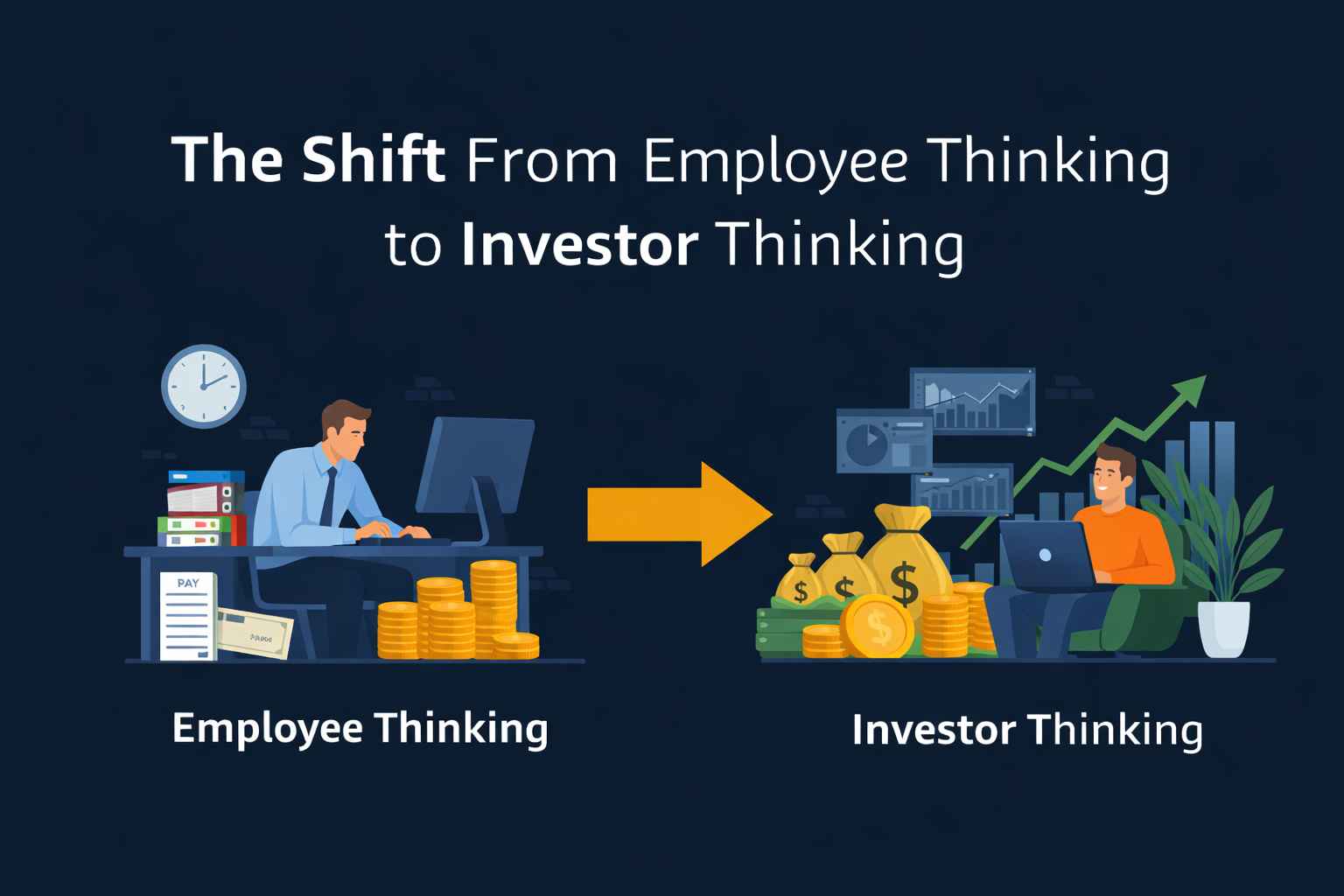
Employee thinking focuses on time traded for money. Investor thinking focuses on money working over time. That mental shift is uncomfortable at first because it challenges everything you’ve been taught.
Once the shift happens, priorities change. You start valuing knowledge, patience, and strategy. You stop asking how much you earn per hour and start asking how your money can grow while you sleep.
Why Waiting Is the Most Expensive Habit
Waiting feels harmless. You tell yourself you’ll start tomorrow, next year, or when things feel more stable. But time is the one asset you can’t replenish. Every delay quietly increases the cost of action.
The market doesn’t wait for confidence. Opportunities don’t pause until you feel ready. By the time most people move, the best moments have already passed. Waiting isn’t neutral. It’s expensive.
Small Decisions Create Massive Outcomes
Financial security isn’t built on one dramatic move. It’s built on small, repeated decisions that compound over time. Choosing to learn instead of scroll. Choosing to invest instead of spend. Choosing consistency over excitement.
These choices don’t feel heroic in the moment. They feel boring, sometimes even pointless. But over years, they stack up into something powerful, something resilient.
Why Markets Reward Responsibility, Not Hope
Hope is emotional. Markets are not. They reward preparation, discipline, and patience. Those who rely on luck often blame the system when things go wrong. Those who plan accept responsibility and adapt.
This is where many people struggle. Responsibility feels heavy. But it’s also liberating. When you stop blaming external forces, you regain control. And control is the foundation of lasting wealth.
Mindset Shifts That Protect Your Wealth
Replacing Fear With Understanding
Fear thrives in ignorance. The less you understand money, the more intimidating it feels. Learning doesn’t eliminate risk, but it transforms fear into calculated caution.
Understanding builds confidence. Confidence leads to action. Action leads to experience. Over time, fear loses its grip because it no longer controls the narrative in your head.
Why Emotional Decisions Drain Wealth


Emotions are expensive in financial matters. Panic leads to selling too soon. Greed leads to overexposure. Both end the same way, with regret.
Stable wealth is built by calm decisions made repeatedly. Emotional discipline doesn’t mean ignoring feelings. It means not letting them drive the wheel when stakes are high.
The Power of Long-Term Thinking
Short-term thinking feels exciting, but it’s exhausting. Long-term thinking feels slow, but it’s sustainable. Wealth favors those who can zoom out and stay patient.
When you think long term, setbacks lose their sting. Volatility becomes noise. You stop chasing quick wins and start building something that lasts beyond trends and headlines.
Why Financial Security Is a Personal Responsibility
No government policy or employer benefit can replace personal responsibility. Outsourcing your future to external systems is risky, no matter how stable they seem.
Taking responsibility doesn’t mean doing everything alone. It means staying engaged, informed, and proactive. Your future deserves that level of attention.
The Quiet Confidence of Financial Independence
Freedom That Doesn’t Need Permission
Financial independence doesn’t announce itself loudly. It shows up quietly in choices. Saying no without fear. Taking breaks without guilt. Changing direction without panic.
This kind of freedom doesn’t come from luck. It comes from preparation. It’s earned slowly and protected carefully, which is why it lasts.
Why Wealth Is About Peace, Not Flash
Flashy wealth attracts attention. Quiet wealth attracts peace. One seeks validation. The other seeks stability. The difference becomes clear during hard times.
Peace of mind doesn’t depreciate. It doesn’t crash or disappear overnight. It grows stronger with every smart decision you make.
Building Something That Outlasts Uncertainty
Uncertainty is unavoidable. Markets shift. Economies cycle. Life surprises. Financial security doesn’t eliminate uncertainty, but it cushions its impact.
When you’ve built something resilient, uncertainty becomes manageable. You stop reacting and start responding, and that difference defines stability.
Choosing Financial Security Over Illusions


At some point, everyone faces a choice. Cling to comforting illusions or build real security. The illusion of job security is tempting, but it’s fragile. Financial security is demanding, but it’s durable.
The choice isn’t about rejecting work. It’s about refusing to rely on a single source of stability. Diversifying effort, income, and knowledge is no longer optional. It’s survival with dignity.
Final Thoughts on Securing What Matters
Securing your wealth isn’t about chasing money. It’s about protecting your future self from unnecessary stress and limitation. Job security promises comfort but delivers vulnerability. Financial security demands effort but offers control.
When you aim for financial security, you stop waiting for permission to feel safe. You build safety with intention. And in a world that changes without warning, that may be the most powerful decision you ever make.
Frequently Asked Questions
1.Is job security completely useless today?
Job security isn’t useless, but it’s unreliable on its own. It works best as a starting point, not a long-term plan.
2.Can financial security be built with an average income?
Yes, because financial security depends more on habits and decisions than on income size.
3.Why do so many people avoid thinking about financial independence?
Because it challenges comfort zones and forces uncomfortable responsibility.
4.Is financial security only about investing?
Investing matters, but mindset, discipline, and consistency matter just as much.
5.How long does it take to feel financially secure?
There’s no fixed timeline, but clarity and control often arrive long before wealth does.