

Slow markets frustrate almost every forex trader. Nothing moves, candles crawl slowly, and traders begin forcing trades out of boredom. That’s where most losses begin.
The quote “Stay patient in slow markets” sounds simple, but it carries a powerful lesson. In forex trading, patience is not optional. It protects your capital, emotions, and long-term survival.
Many traders lose because they cannot handle waiting. They treat trading like entertainment instead of strategy. But professional traders understand something important — sometimes doing nothing is the smartest move.
What Is a Slow Market in Forex Trading?
A slow market is a period where price movement becomes weak and directionless. Volatility drops, momentum disappears, and the market often moves sideways.
These conditions usually appear during holidays, before major economic news, or during low-volume trading sessions. Traders may notice smaller candles, fake breakouts, and unclear trends.
Slow markets are dangerous because they expose impatience. Traders begin chasing setups that are not really there.
Why Traders Lose Patience Quickly
Humans naturally crave action. In forex trading, that craving becomes even stronger because traders constantly watch charts looking for opportunities.
When the market slows down, many traders feel uncomfortable. They start thinking:
- “What if I miss the move?”
- “Maybe this breakout is real?”
- “Should I just enter now?”
This fear of missing out leads to emotional decisions. Instead of waiting for quality setups, traders begin gambling with weak trades.
The Hidden Danger of Overtrading
Overtrading destroys more forex accounts than bad strategies.
In slow markets, traders often force entries simply because they are bored. One unnecessary trade becomes another, and soon emotions take over completely.
A typical cycle looks like this:
- Trader gets bored.
- They force a trade.
- The trade loses.
- They revenge trade.
- Losses grow bigger.
It becomes a trap. The market stays calm, but the trader creates chaos alone.
Patience Is a Trading Superpower
Many beginners think patience means weakness. Actually, patience is one of the strongest skills a trader can develop. Professional traders behave like snipers. They wait carefully for one clean opportunity instead of firing trades everywhere.
Patience protects capital. And protecting capital matters more than chasing profits. If your account survives, future opportunities will always come.
Why Slow Markets Can Be Helpful
Slow markets are not always bad. In fact, they can improve a trader’s discipline.
These quiet periods reveal emotional weaknesses like greed, fear, and impulsiveness. Traders who cannot stay calm during slow markets usually struggle even more during volatile markets.

Slow conditions teach:
- Emotional control
- Risk management
- Discipline
- Strategic thinking
Like recovery days in the gym, slow markets prepare traders for stronger moves ahead.
The Psychology of Market Boredom
Boredom is dangerous in trading because it tricks traders into creating unnecessary excitement. A bored trader starts seeing opportunities everywhere. Tiny candles suddenly look meaningful. Weak breakouts seem powerful.
But trading is not supposed to feel exciting all the time. Professional trading is often repetitive and calm. If someone constantly needs adrenaline, forex trading will eventually punish them.
How Smart Traders Handle Slow Markets
Experienced traders use slow markets productively instead of emotionally.
1. Reviewing Old Trades
Smart traders analyze previous mistakes and winning setups. They improve their execution instead of forcing new trades.
2. Updating Trading Journals
Tracking emotions, entries, and exits helps traders identify patterns over time.
3. Studying Market Structure
Instead of guessing, experienced traders observe support, resistance, and price behavior carefully.
4. Taking Mental Breaks
Sometimes stepping away from the charts is more profitable than sitting in front of them all day.
Why Beginners Struggle the Most
New traders often believe they must trade daily to succeed.
That mindset is dangerous.
Forex trading does not reward constant activity. It rewards precision. A beginner may take twenty poor trades in a week, while a professional trader takes only two quality trades.
The market does not care how hard you work. It rewards discipline and patience.
The Real Cost of Impatience
Impatience damages traders in multiple ways.
Financial Losses
Forced trades usually lead to poor entries and unnecessary losses.
Emotional Damage
Repeated losses create frustration, fear, and desperation.
Mental Exhaustion
Watching charts constantly drains mental energy and increases stress.
Loss of Discipline
Once discipline disappears, risk management usually collapses too.
Impatience acts like rust — slow, silent, and destructive.
Risk Management During Slow Markets
Some traders become careless during calm market conditions because price movement looks harmless.
That’s a mistake.
Low volatility does not mean low risk. Sudden breakouts can still happen aggressively.
Smart traders protect themselves by:
- Using stop losses
- Reducing position sizes
- Avoiding emotional trades
- Staying selective
The first responsibility of every trader is survival.

The Market Will Always Give Another Opportunity
Many traders panic because they think every setup is their only chance.
It isn’t.
The forex market operates every week. Opportunities never stop appearing. Patient traders understand this. They do not chase every candle because they trust their strategy and know another setup will come. The market is like an ocean. You do not need to catch every wave to succeed.
How to Build Patience as a Trader
Patience is a skill that must be trained.
Create Trading Rules
Rules reduce emotional decisions. If conditions are not met, the trade should not happen.
Trade Less Frequently
Fewer high-quality trades are usually better than many weak trades.
Use Price Alerts
Alerts reduce emotional pressure caused by staring at charts all day.
Accept Waiting as Part of Trading
Professional traders spend more time waiting than trading.
That is reality.
Why Emotional Discipline Matters More Than Strategy
Technical analysis matters, but emotional control matters more.
A trader with average strategy and strong discipline can survive. A trader with great strategy and terrible discipline usually fails. Fear causes hesitation. Greed causes overtrading. Impatience causes bad entries. Slow markets expose these weaknesses clearly.
The Connection Between Patience and Profitability
Many traders think profitability comes from trading more.
Actually, it often comes from trading less.
Patient traders avoid low-quality setups and focus only on clear opportunities. This improves:
- Win rate
- Emotional stability
- Consistency
- Risk-to-reward ratios
Patience filters out market noise and improves decision-making.
Slow Markets Never Last Forever
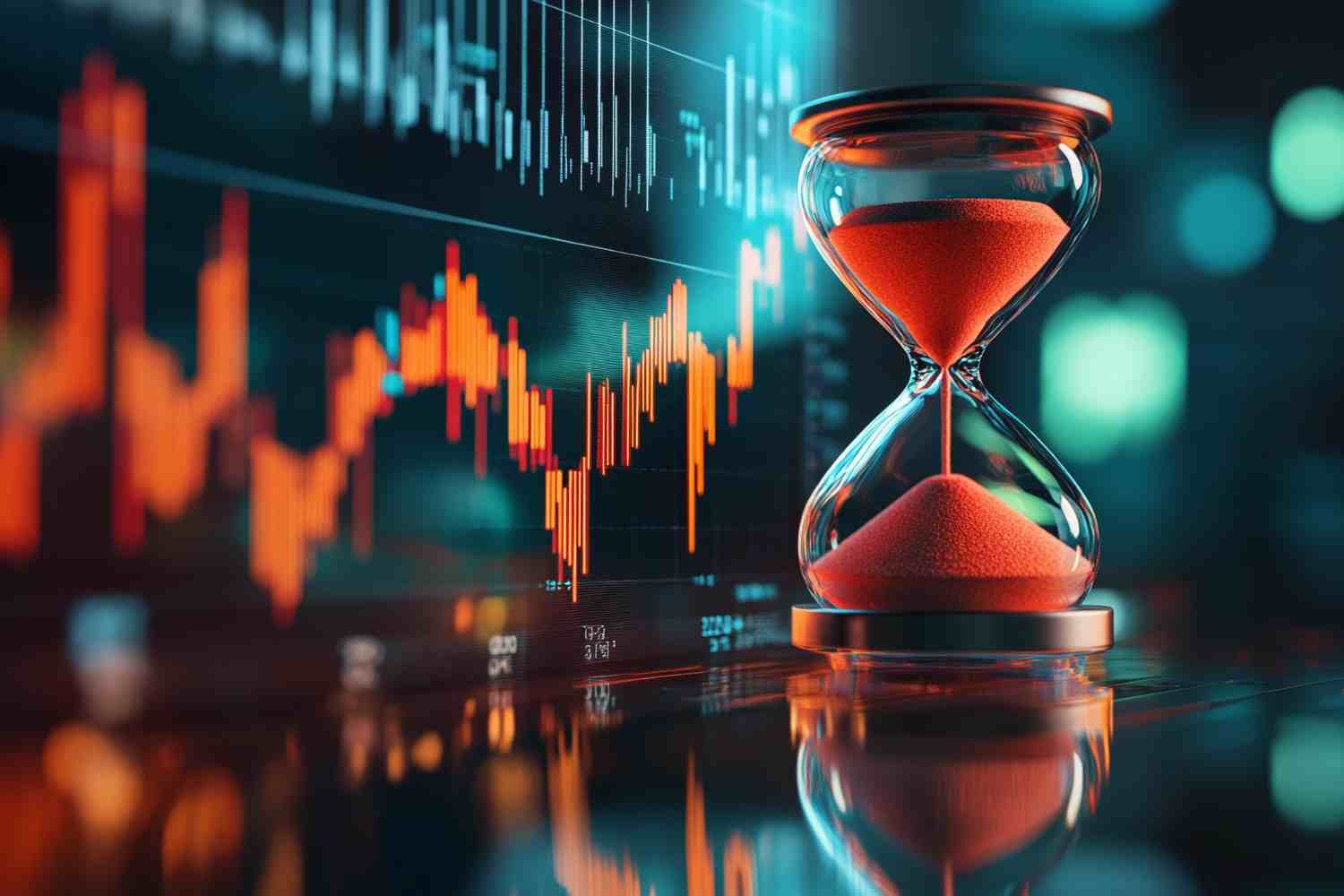
Markets constantly move in cycles. Quiet periods eventually lead to stronger movements. Volatility always returns.
Impatient traders destroy themselves during the waiting period. Patient traders stay prepared and calm. That preparation becomes their advantage when opportunities finally appear.
Conclusion
The message “Stay patient in slow markets” contains one of the most important lessons in forex trading. Slow conditions test traders emotionally more than technically. They expose impatience, greed, fear, and insecurity. Most traders lose money because they force action during periods where waiting would have been smarter.
Patience is not passive. It is strategic discipline. It protects capital, improves emotional control, and helps traders survive long enough to catch real opportunities. The market will always move again. Trends will return. Volatility will come back. But only patient traders will still have the discipline and capital needed to take advantage of those opportunities. So when the market becomes painfully slow, remember this: Sometimes waiting calmly is more profitable than chasing chaos.
FAQs
1. Why are slow markets risky for forex traders?
Slow markets encourage boredom and emotional trading. Many traders force unnecessary trades, which often leads to losses.
2. Is it okay to avoid trading during slow markets?
Yes. Professional traders often stay out of the market when conditions are unclear or low-quality.
3. How can I improve patience in trading?
You can improve patience by following trading rules, using alerts, journaling trades, and avoiding overtrading.
4. Do successful traders trade every day?
No. Many profitable traders wait patiently for high-probability setups instead of trading constantly.
5. Can patience really improve profitability?
Absolutely. Patience helps traders avoid emotional mistakes, protect capital, and focus on better-quality trades.