

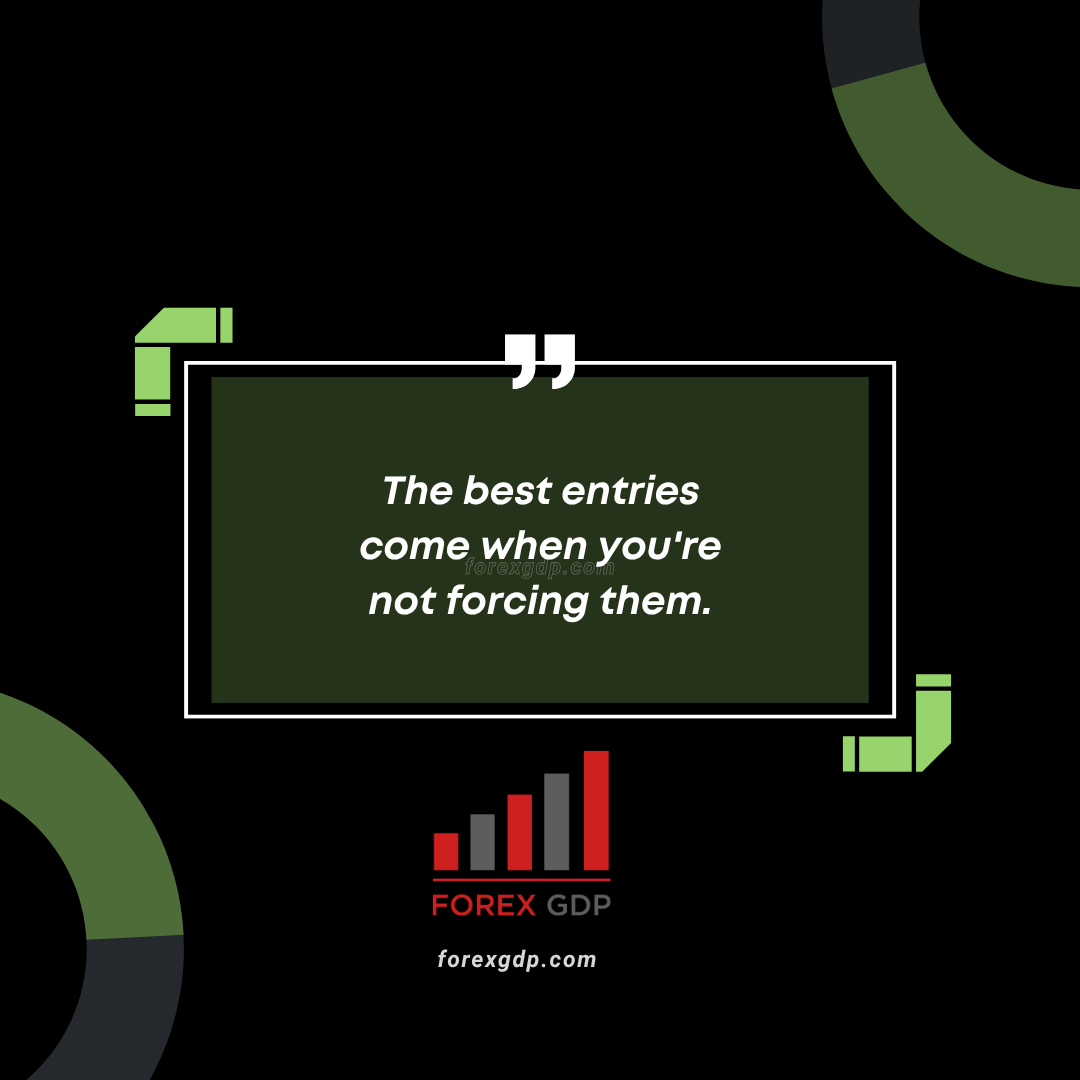
Forex trading looks exciting from the outside. Fast-moving charts, quick profits, and endless opportunities make it feel like money is waiting everywhere. But the truth is ugly. Most traders lose because they force trades instead of waiting for quality setups. The quote, “The best entries come when you’re not forcing them,” perfectly explains why patience matters more than speed in trading.
The market is like fishing in a deep ocean. You cannot force the fish to bite. You wait, observe, and strike only when the moment is right. Traders who constantly chase action usually end up frustrated, emotional, and broke.
What Does Forcing a Trade Mean?
A forced trade happens when you enter the market without a proper setup. Maybe you’re bored, scared of missing out, or trying to recover a previous loss. Instead of following logic, emotions take control. That’s where problems begin.
Most traders don’t even realize they’re forcing entries. They convince themselves that “this trade looks close enough.” But in forex, “close enough” can destroy an account faster than expected.
Why Patience Is So Powerful in Forex
Many beginners believe successful traders place dozens of trades every day. In reality, professionals often wait hours or even days for one clean setup. They understand that quality matters more than quantity.
Patience protects your money. Every unnecessary trade increases risk, stress, and emotional pressure. A trader who waits for strong confirmations usually makes better decisions than someone clicking buttons nonstop like a gambler in a casino.
The Dangerous Addiction to Trading
Forex trading can become addictive. Every candle movement creates excitement, and traders start craving action. Winning feels amazing, while losing creates the urge to immediately “win it back.” This emotional rollercoaster traps many people.
Boredom trading is especially dangerous. Traders stare at charts for too long and begin imagining opportunities that don’t really exist. Weak support levels suddenly look strong, and random price movements start feeling meaningful. That’s when bad entries happen.
Fear of Missing Out Destroys Traders
One of the biggest reasons traders force entries is FOMO — the fear of missing out. A candle suddenly moves fast, and panic kicks in. Traders jump into the market emotionally because they believe the opportunity will disappear forever.
But the market loves trapping impatient people. Many times, price reverses immediately after emotional traders enter. That’s why chasing candles usually ends badly. Missing a trade is painful, but forcing a bad trade is much worse.

How Professional Traders Enter the Market
Professional traders don’t trade emotionally. They wait for confirmation before entering. Instead of predicting blindly, they let the market prove the setup first. This patience helps them avoid unnecessary losses.
Think about the difference between a sniper and someone spraying bullets randomly. The sniper waits calmly for the perfect shot, while the other wastes energy and ammunition. Successful traders behave like snipers. They trade selectively, not emotionally.
Simple Trading Beats Complicated Trading
Many traders overload charts with indicators because they think complexity creates accuracy. But too many signals often create confusion and hesitation. Clean charts with simple strategies usually work better.
Successful trading is surprisingly boring. It involves following rules repeatedly, controlling emotions, and waiting patiently. That’s difficult because humans naturally crave excitement. But excitement and profitability rarely work together in forex trading.
Timing Is Everything
Even a good setup can fail if the timing is wrong. Entering too early often causes unnecessary losses. That’s why waiting for confirmation matters so much. Better timing usually improves risk-to-reward ratios and reduces emotional stress.
Professional traders also understand that not all market hours are equal. The London and New York sessions usually provide stronger movement and better opportunities. Trading during slow market hours often creates messy and unreliable setups.
The Role of Emotions in Bad Entries
Emotions are the hidden enemy in trading. Fear, greed, anger, and impatience quietly influence decisions. After a losing trade, many traders immediately enter another position to recover money quickly. This is called revenge trading, and it destroys discipline.
Trading emotionally is like driving during a storm without headlights. You lose clarity and react impulsively. The market punishes emotional behavior harshly because emotions ignore logic and risk management.
Why Risk Management Matters
Bad entries usually come with bad risk management. Emotional traders enter late, use wide stop losses, and panic when the market moves against them. This creates a dangerous combination.
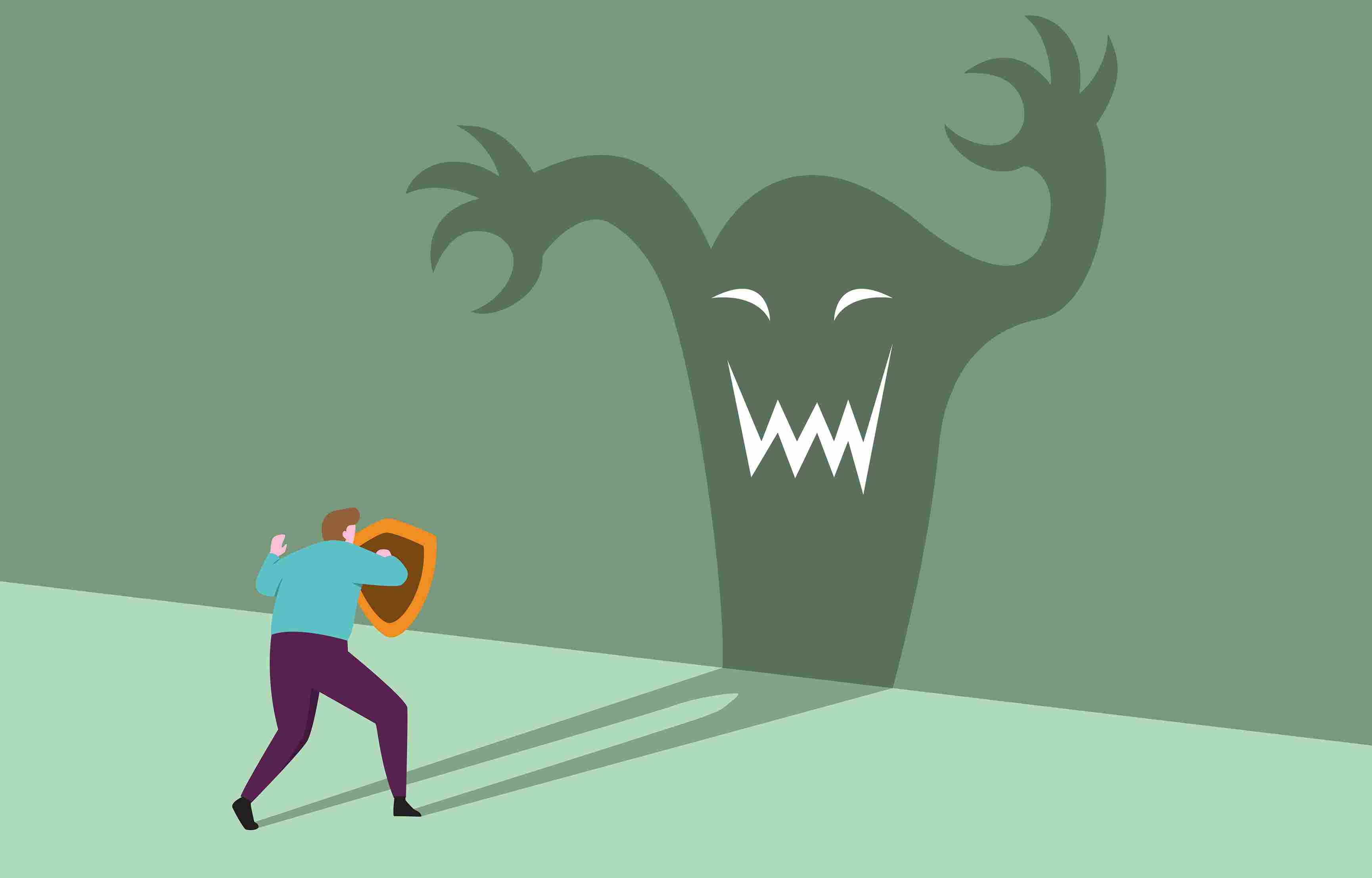
Smart traders focus more on protecting capital than chasing profits. They know survival matters most. A trader with patience and proper risk management can stay in the game long enough to become consistently profitable.
You Don’t Need Every Opportunity
This is one of the hardest lessons in forex trading. You do not need to catch every move. The market will still exist tomorrow, next week, and next month. Opportunities never stop coming.
Desperate traders behave like people trying to grab every dollar flying in the wind. Calm traders wait for the easiest money instead of chasing everything. That patience creates consistency over time.
How to Develop Patience as a Trader
Patience is not natural for most people, but it can be trained. Creating a trading plan helps remove emotional decisions. When entry rules are written clearly, it becomes harder to justify random trades.
A trading journal also helps expose bad habits. After reviewing trades, many traders discover they lose most money during emotional or impulsive entries. Awareness is powerful because you cannot fix problems you refuse to see.
The Harsh Truth About Most Traders
Most retail traders lose not because strategies are terrible, but because they cannot wait. They overtrade, chase setups, and let emotions control decisions. The market transfers money from impatient traders to disciplined ones every single day.
Discipline is rare in trading because modern life trains people to seek instant gratification. But forex rewards patience, calmness, and emotional control far more than excitement and speed.

Conclusion
“The best entries come when you’re not forcing them” is more than just a motivational quote. It’s a survival rule for forex trading. The market rewards patience and punishes emotional behavior brutally.
The harder traders chase opportunities, the worse their decisions usually become. Successful traders understand that sometimes the best trade is no trade at all. Waiting calmly for the right setup often creates better profits, less stress, and stronger consistency.
So next time you feel desperate to enter the market, stop and ask yourself: Am I following my strategy, or am I following my emotions? That single question could protect both your money and your mindset.
FAQs
1. Why do traders force entries in forex trading?
Traders usually force entries because of emotions like fear of missing out, boredom, impatience, or revenge after losses.
2. Is patience really important in forex trading?
Yes. Patience helps traders wait for high-quality setups, reduce emotional decisions, and improve risk management.
3. What is overtrading in forex?
Overtrading happens when traders place too many unnecessary trades, usually because of emotions or addiction to market action.
4. How can beginners avoid emotional trading?
Beginners can avoid emotional trading by following a trading plan, using stop losses, keeping a journal, and limiting daily trades.
5. Why do professional traders trade less often?
Professional traders focus on quality setups instead of constant activity. Fewer high-quality trades often produce better long-term results.