

There’s something almost uncomfortable about the idea that trading less could actually lead to better results. It goes against everything we’re wired to believe. We’re told that effort equals outcome, that more action leads to more success. Yet in the world of trading, that logic often collapses like a house of cards.
The phrase “smart traders trade less” isn’t just a catchy line—it’s a quiet truth that separates those who survive from those who burn out. It hints at discipline, patience, and restraint, all of which are far harder to master than clicking a “buy” or “sell” button. Let’s unpack what this really means, because beneath that simple sentence lies a mindset that can transform how you approach the markets.
The Illusion of Constant Action
Why Doing More Feels Productive
The Addiction to Movement
There’s a strange comfort in activity. Watching charts move, entering trades, closing positions—it creates a sense of control. You feel like you’re doing something meaningful, even when you’re not.
But trading isn’t like a factory job where more hours mean more output. It’s closer to fishing. You can’t force the fish to bite just because you’re impatient. Sitting still often feels like failure, even when it’s the smartest move available.
The Trap of Overconfidence
When traders experience a few wins early on, they often believe they’ve cracked the code. That confidence quickly turns into overtrading. Every setup looks like an opportunity, every signal feels urgent.
The problem? Markets don’t reward enthusiasm—they punish recklessness. Overconfidence creates noise, and noise leads to poor decisions.
The Hidden Cost of Overtrading
Emotional Burnout
Trading frequently isn’t just exhausting financially—it drains you mentally. Every trade carries emotional weight. Wins can inflate your ego, while losses chip away at your confidence.
Over time, this constant emotional rollercoaster leads to fatigue. You stop thinking clearly. Decisions become impulsive instead of calculated.
Death by a Thousand Fees
Even if your strategy is decent, excessive trading can slowly eat away at your profits. Spreads, commissions, slippage—they may seem small individually, but they stack up quickly.
It’s like trying to fill a bucket with tiny holes. You might pour in profits, but they leak out before you even notice.
The Power of Selectivity
Why Fewer Trades Often Mean Better Trades
Clarity Over Chaos
When you trade less, you’re forced to be selective. You stop chasing every movement and start focusing on high-quality setups.
This shift creates clarity. Instead of reacting emotionally, you begin analyzing objectively. You wait for the market to align with your criteria rather than bending your criteria to fit the market.
The Discipline Advantage
Discipline isn’t glamorous, but it’s powerful. Saying “no” to mediocre setups builds a kind of mental muscle. Over time, that restraint becomes second nature.
And here’s the interesting part—discipline compounds. The more you practice it, the easier it becomes to avoid impulsive decisions.
Patience as a Trading Edge


Letting the Market Come to You
Many traders chase the market, jumping in too early or too late. Smart traders do the opposite—they wait.
Patience allows you to enter trades with better timing and stronger conviction. You’re not guessing—you’re responding to clear signals.
Avoiding Forced Decisions
When you feel like you must trade, you’re already at a disadvantage. That urgency often leads to poor entries and unnecessary losses.
By trading less, you remove that pressure. You’re no longer forcing decisions—you’re making them when they actually make sense.
Quality Over Quantity in Trading
Understanding High-Probability Setups
What Makes a Trade Worth Taking
Not all trades are created equal. Some setups have a higher probability of success because they align with multiple factors—trend, support and resistance, momentum, and market context.
Smart traders wait for these moments. They’re not interested in constant action; they’re interested in meaningful action.
Filtering Out Noise
Markets are full of noise—random movements that don’t offer real opportunities. Inexperienced traders often mistake this noise for signals.
Trading less forces you to filter out that noise. You become more focused on patterns that actually matter.
Building Confidence Through Precision
Fewer Trades, Deeper Analysis
When you’re not rushing into trades, you have more time to analyze. You can evaluate risk, consider different scenarios, and plan your exit strategy.
This deeper level of thinking leads to better decisions. And better decisions lead to more consistent results.
Trusting Your Strategy
Confidence doesn’t come from frequent trading—it comes from consistent execution. When you trade less but follow your plan, you start to trust your system.
That trust is crucial. It helps you stay calm during losses and avoid overreacting to short-term results.
The Psychological Edge of Trading Less
Reducing Emotional Noise
Less Stress, More Focus
Trading can be overwhelming, especially when you’re constantly in the market. Every tick feels significant, every fluctuation triggers a reaction.
By stepping back and trading less, you reduce that noise. Your mind becomes clearer, and your decisions become more rational.
Breaking the Addiction Cycle
There’s a fine line between trading and gambling. Overtrading often pushes traders into that dangerous territory.
Trading less helps break that cycle. It shifts your mindset from seeking excitement to seeking consistency.
Developing Long-Term Thinking

Seeing the Bigger Picture
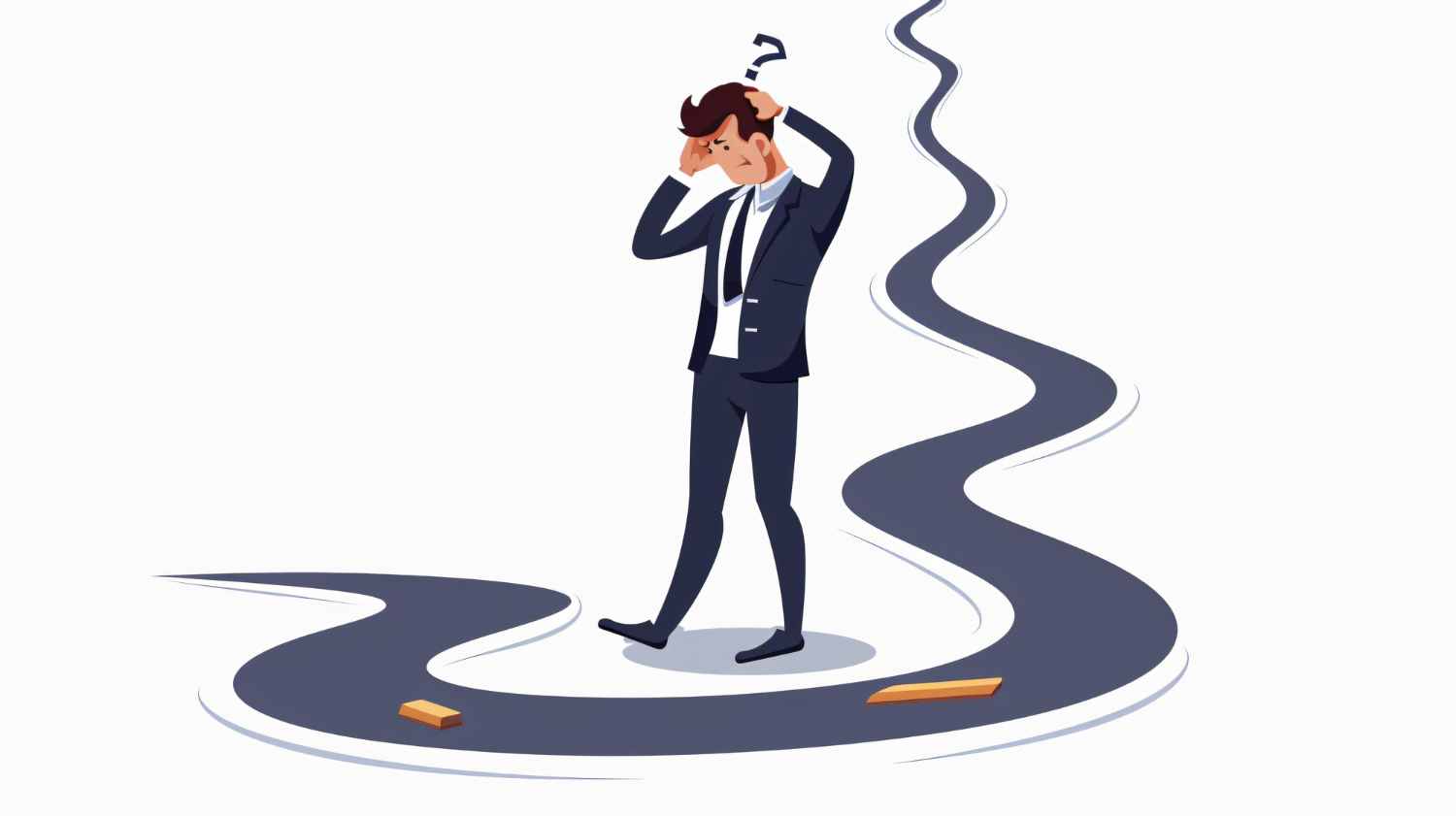
When you’re glued to short-term movements, you lose sight of the bigger picture. Every small loss feels like a disaster, every small win feels like a victory.
Trading less encourages a long-term perspective. You start focusing on overall performance rather than individual trades.
Building Sustainable Habits
Consistency isn’t built through bursts of activity—it’s built through steady habits. Trading less allows you to develop routines that support long-term success.
Over time, these habits become your foundation. They keep you grounded, even when the market gets unpredictable.
Why Most Traders Struggle to Trade Less
Fear of Missing Out
The Illusion of Missed Opportunities
One of the biggest challenges is FOMO—the fear of missing out. When the market moves without you, it feels like you’ve lost something.
But here’s the truth: there will always be another opportunity. Chasing every move only leads to exhaustion and mistakes.
Learning to Let Go
Letting go of missed trades is difficult. It requires a shift in mindset. Instead of focusing on what you didn’t capture, you focus on what you avoided.
Sometimes, not trading is the best decision you can make.
The Pressure to Perform
Expectations vs Reality
Many traders feel pressure to produce results quickly. They believe that more trades will accelerate their progress.
In reality, this pressure often leads to poor decisions. It’s like trying to sprint a marathon—you burn out before you reach the finish line.
Redefining Productivity
Productivity in trading isn’t about how many trades you take. It’s about how well you execute your strategy.
Trading less forces you to redefine what it means to be productive. It shifts your focus from quantity to quality.
Turning Restraint Into Profit
Creating a Trading Plan That Encourages Patience


Setting Clear Criteria
A solid trading plan acts like a filter. It defines what qualifies as a valid trade and what doesn’t.
When your criteria are clear, it becomes easier to say no. You’re not guessing—you’re following a structured approach.
Removing Impulse Decisions
Impulse trading is often the result of unclear rules. Without a plan, every market movement feels like an opportunity.
By defining your rules, you eliminate that uncertainty. You create a system that guides your decisions.
Embracing the Power of Waiting
Understanding That Waiting Is an Action
Waiting often feels passive, but in trading, it’s an active decision. It requires discipline and awareness.
Smart traders understand that doing nothing can be the most strategic move.
Letting Opportunities Mature
Good setups take time to develop. Rushing into a trade often means entering too early.
By waiting, you allow the market to confirm your idea. This increases your chances of success.
Final Thoughts: Less Noise, More Results
Trading isn’t about constant movement—it’s about meaningful decisions. The idea that smart traders trade less isn’t just a clever phrase; it’s a reminder to slow down, think clearly, and act with purpose.
When you reduce unnecessary trades, you gain something far more valuable than activity—you gain control. You become less reactive and more intentional. And in a world where most traders are chasing every flicker of movement, that restraint becomes your edge.
So the next time you feel the urge to jump into the market just to “do something,” pause for a moment. Ask yourself if it’s truly a high-quality opportunity—or just noise disguised as urgency.
Frequently Asked Questions
1.Is trading less suitable for beginners?
Yes, especially for beginners. Trading less allows new traders to focus on learning and understanding the market without being overwhelmed by constant decisions.
2.How do I know if I’m overtrading?
If you’re taking trades without clear setups, feeling emotionally drained, or chasing the market frequently, you’re likely overtrading.
3.Can trading less really increase profits?
It can. By focusing on high-quality setups and reducing unnecessary losses and fees, many traders find their overall performance improves.
4.What’s the biggest challenge in trading less?
The biggest challenge is psychological—dealing with boredom, impatience, and the fear of missing out.
5.How can I train myself to be more patient?
Start by creating strict trading rules and sticking to them. Over time, discipline becomes a habit, making patience easier to maintain.