

Trading isn’t a one-size-fits-all journey. Some people love the thrill of jumping in and out of the market in seconds, while others prefer sitting back and watching their trades grow over weeks, months, or even years. If you’ve ever wondered what kind of trader you are or what type of trading suits you best, you’re in the right place.
In this article, we’ll break down the four main types of traders—Scalpers, Intraday traders, Swing traders, and Position traders—based on the infographic you provided. We’ll dig into their styles, pros, cons, risks, and strategies so you can figure out where you fit.

Why Trader Types Matter
Not all traders are cut from the same cloth. Some thrive on high-adrenaline action, while others prefer patience and long-term planning. Think of trading styles like sports: sprinting and marathon running both involve running, but the training, mindset, and stamina required are worlds apart.
Choosing the wrong style for your personality can feel like trying to force a square peg into a round hole. That’s why it’s essential to understand these trading categories before diving deep into the market.
The Four Types of Traders
According to the infographic, the trading world mainly recognizes Scalpers, Intraday Traders, Swing Traders, and Position Traders. Let’s explore each in detail.
Scalpers: The Speed Demons of the Market
Scalping is the fastest and most intense trading style out there. Scalpers aim to profit from tiny price movements, often holding trades for seconds or minutes.
-
Timeframe: Seconds to minutes
-
Frequency: Dozens or even hundreds of trades per day
-
Goal: Small, consistent profits that add up
Advantages of Scalping
-
Quick profits if done correctly
-
Limited market exposure reduces risk from major moves
-
Plenty of trading opportunities every day
Drawbacks of Scalping
-
Extremely stressful and mentally draining
-
Requires lightning-fast execution and top-tier technology
-
High transaction costs due to frequent trades
Think of scalpers like Formula 1 drivers—fast reflexes, laser focus, and a willingness to take quick decisions without hesitation.
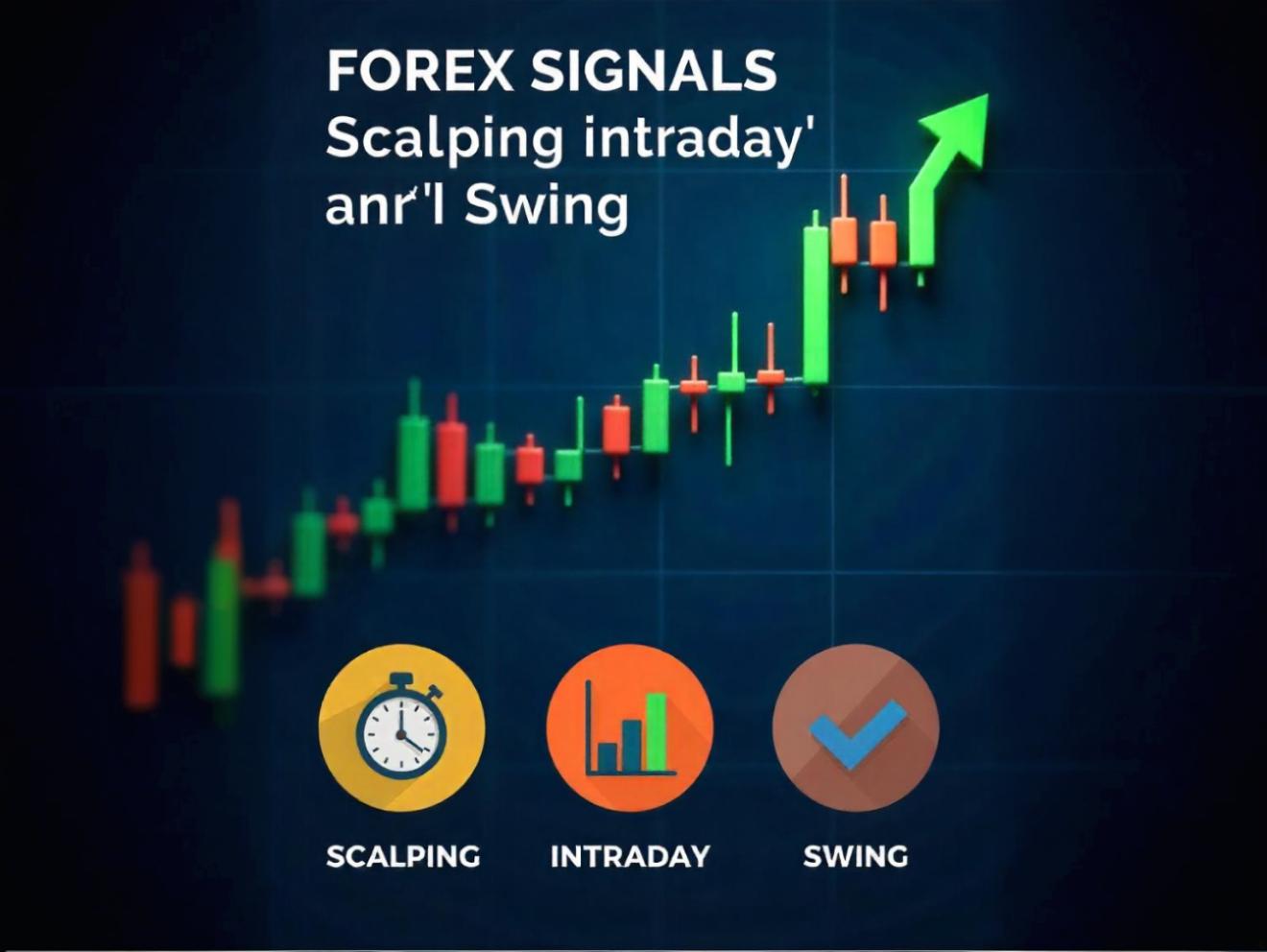
4. Intraday Traders: In and Out Before the Day Ends
Intraday traders, often called day traders, open and close their positions within the same trading day. Unlike scalpers, they don’t hold trades for just seconds but usually for a few minutes to several hours.
-
Timeframe: Within the day
-
Frequency: 5–20 trades a day (average)
-
Goal: Capture short-term market movements
Advantages of Intraday Trading
-
No overnight risks since all trades close the same day
-
Plenty of opportunities without being glued to charts all day
-
Works well with volatility-driven markets
Drawbacks of Intraday Trading
-
Still stressful compared to longer-term trading
-
Requires constant monitoring and discipline
-
Risk of overtrading when emotions take control
Intraday traders are like professional basketball players—fast-paced, strategic, and able to read the game while staying cool under pressure.
5. Swing Traders: The Middle Ground
Swing traders hold positions for days or even weeks, capitalizing on short- to medium-term price trends. This style is often a sweet spot for traders who want a balance between constant action and long-term patience.
-
Timeframe: Days to weeks
-
Frequency: A few trades per week
-
Goal: Capture “swings” in the market’s price trend
Advantages of Swing Trading
-
Less stressful than scalping or intraday
-
Allows time for analysis before making decisions
-
Works well with technical and fundamental analysis
Drawbacks of Swing Trading
-
Exposed to overnight risks
-
Requires holding patience through market fluctuations
-
May miss out on quick daily profits
Swing traders are like chess players—they think several moves ahead, waiting for the right opportunity before making a decisive move.

6. Position Traders: The Long-Term Visionaries
Position traders are the marathon runners of trading. They hold trades for months or even years, relying heavily on fundamental analysis rather than short-term price swings.
-
Timeframe: Months to years
-
Frequency: A handful of trades in a year
-
Goal: Capture long-term market trends
Advantages of Position Trading
-
Minimal stress compared to shorter-term trading
-
Less time commitment; no need to stare at charts all day
-
Profits from massive trends rather than tiny moves
Drawbacks of Position Trading
-
Requires deep patience and capital
-
Exposure to long-term risks like economic shifts
-
Can miss out on short-term opportunities
Position traders are like farmers—they plant seeds (trades) and patiently wait for the harvest (profits) months or years later.
How to Choose the Right Trading Style
Choosing your trading type isn’t just about profits—it’s about matching your personality, risk tolerance, time availability, and mindset.
Ask yourself:
-
Do I enjoy fast-paced decision-making? → Scalping/Intraday
-
Do I prefer a balanced approach? → Swing trading
-
Am I patient enough to wait months for results? → Position trading

Tools and Skills Needed for Each Trader
Every trading style demands a unique set of tools and skills:
-
Scalpers: Ultra-fast internet, ECN brokers, hotkeys, nerves of steel
-
Intraday traders: Strong technical skills, real-time data, strict discipline
-
Swing traders: Combination of technical and fundamental analysis, charting tools
-
Position traders: Deep knowledge of fundamentals, macroeconomic trends, patience
Risk Management Across Trader Types
Regardless of your trading type, risk management is non-negotiable.
-
Scalpers use tight stop losses but risk death by a thousand cuts
-
Intraday traders balance risk with higher trade frequency
-
Swing traders need wider stops but smaller trade sizes
-
Position traders must manage big risks over long horizons
Risk is like gravity—it’s always there, pulling you down. The only way to survive is to respect it.
Psychological Challenges for Each Trader
Trading isn’t just numbers—it’s a mental game.
-
Scalpers: Battle stress and overtrading
-
Intraday traders: Fear of missing out (FOMO) and emotional fatigue
-
Swing traders: Patience and discipline during market fluctuations
-
Position traders: Long-term commitment without giving in to fear
If you can’t master your emotions, no strategy will save you.
Pros and Cons Table for Quick Comparison
| Trader Type | Timeframe | Pros | Cons |
|---|---|---|---|
| Scalper | Seconds/Minutes | Quick profits, many chances | Stressful, high costs |
| Intraday | Within a day | No overnight risks, many setups | Emotionally draining |
| Swing | Days/Weeks | Balanced, less stress | Overnight risks |
| Position | Months/Years | Long-term gains, low effort | Requires patience, big capital |
Mistakes to Avoid in Each Trading Style
No matter what type of trader you become, mistakes are inevitable—but some can be avoided:
-
Scalpers: Overleveraging and chasing every tick
-
Intraday traders: Overtrading and ignoring setups
-
Swing traders: Cutting winners too early
-
Position traders: Ignoring macroeconomic changes

Which Trading Type Makes the Most Money?
This is the million-dollar question, right? The truth is—none of these styles guarantees profits. What matters is consistency, risk management, and sticking to your style.
-
Scalpers may profit daily but often get eaten by costs.
-
Intraday traders can win big but burn out fast.
-
Swing traders often enjoy the best balance.
-
Position traders, while slow, can ride massive trends to life-changing profits.
Conclusion
The trading world is like a buffet—Scalping, Intraday, Swing, and Position trading are just different dishes on the table. There’s no “best” type—only the one that fits your appetite, personality, and lifestyle.
So, before you dive into the markets, ask yourself: Do I want the thrill of a sprint, the strategy of a game, or the patience of a marathon? Once you answer that, you’ll know exactly which trading type suits you.
FAQs
Q1: Can I switch between trading styles?
Yes, but it’s risky. Switching too often means you never master one. Pick a style and stick to it until you’re consistent.
Q2: Is scalping illegal?
No, but some brokers don’t allow it due to high transaction loads. Always check broker policies.
Q3: Which trading type is best for beginners?
Swing trading is often recommended since it balances patience with opportunities, making it easier to learn without constant stress.
Q4: Can I combine swing trading with position trading?
Yes, many traders diversify by keeping some long-term positions while also catching short-term swings.
Q5: Do all trader types need a lot of capital?
Not really. Scalpers and intraday traders can start small, but position traders usually need larger capital to handle wide stop losses.