

Let’s face it — trading isn’t a walk in the park. Many enter the market dreaming of fast profits, only to end up empty-handed and frustrated. Why does this happen? The answer is painfully simple: a lack of discipline. In the world of trading, discipline isn’t just a skill — it’s a survival instinct. The chart doesn’t care about your feelings, and the market doesn’t reward impulsive decisions. Only those who master their emotions and stick to their plan survive.
Discipline separates the amateurs from the professionals. It’s not about how smart you are or how many indicators you use — it’s about consistency. If you can’t control your impulses, you’ll never control your profits. Let’s dive deep into why only the disciplined survive and how you can become one of them.
What Discipline Really Means in Trading
Discipline in trading isn’t just about following rules — it’s about sticking to them even when everything in you screams to do otherwise. It’s that inner voice that says, “Wait for your setup,” while your emotions beg you to “just take the trade.”
Every successful trader has one thing in common: they have a plan and follow it religiously. They don’t chase losses, they don’t over-leverage, and they certainly don’t let greed or fear make decisions for them. Trading discipline is simply the act of doing what needs to be done, even when it feels uncomfortable.
The Psychology Behind Discipline
Your mind is your greatest asset — and your biggest enemy. When you trade, your emotions get involved in every decision. Greed tempts you to hold longer than you should. Fear makes you close too early. Hope makes you ignore reality. Without discipline, these emotions take over and sabotage your success.
Think of discipline as a mental shield. It protects you from impulsive reactions and keeps your focus where it belongs — on the process, not the outcome. Emotional control doesn’t mean you don’t feel fear or greed; it means you don’t let them control your actions.
The Dangerous Trap of Impulsive Trading
Impulsive trading is like jumping into a shark tank because the water looks calm. You might survive once or twice, but eventually, you’ll get bitten. Many traders act on impulse — chasing trades, reacting to sudden moves, or “revenge trading” after a loss.
The result? Blown accounts, emotional breakdowns, and shattered confidence. The disciplined trader, however, understands that every trade must align with a pre-determined strategy. They know when to act and when to wait. In trading, patience isn’t a weakness — it’s your weapon.
Why a Trading Plan is Your Lifeline
A disciplined trader never trades blindly. Every move is part of a well-thought-out plan. A trading plan outlines your strategy, entry and exit points, risk management rules, and goals. It’s like a roadmap — without it, you’re just wandering aimlessly.

A proper plan keeps you grounded. It reminds you that trading is not about predicting the market but reacting to it. When emotions flare, your plan is your anchor. It gives you direction and consistency — two things that keep traders alive in the long run.
The Power of Risk Management
Here’s a brutal truth: even the best traders lose. But what separates winners from losers is how they handle those losses. Risk management is the backbone of trading discipline. It’s about protecting your capital so you can trade another day.
A disciplined trader risks only a small percentage of their account on each trade. They accept losses as part of the game and never let one bad trade destroy their balance. Remember — your goal is not to win every trade, but to survive long enough to win consistently.
Patience: The Silent Strength of Successful Traders
Patience is the hidden engine behind discipline. Most traders fail not because they don’t know what to do, but because they can’t wait for the right opportunity. The market will test your patience again and again — fake signals, false breakouts, and long periods of sideways movement.
Disciplined traders know that trading isn’t about constant action. It’s about waiting for high-probability setups. They’d rather miss a trade than enter one without conviction. As the saying goes, “In trading, doing nothing is sometimes the most profitable move.”
Emotional Detachment: Thinking Like a Robot
The best traders are emotionally detached. That doesn’t mean they’re heartless; it means they’ve trained themselves to think logically, not emotionally. They treat each trade as just one of many — not a make-or-break moment.

If you let one loss ruin your mood or one win inflate your ego, you’re setting yourself up for failure. The market doesn’t reward emotions; it rewards discipline. Detachment allows you to focus on execution, not emotion. It’s the difference between reacting and responding.
The Role of Consistency in Survival
Consistency is the cousin of discipline. Without it, even the best strategy fails. Trading is not about hitting home runs; it’s about steady, controlled progress. A disciplined trader aims for long-term survival, not short-term glory.
Think of it like fitness — you don’t get results by working out once; you get them by showing up every day. Similarly, consistency in following your plan, managing risk, and reviewing performance builds lasting success. Discipline fuels consistency, and consistency fuels survival.
The Myth of Quick Profits
Let’s destroy one of the biggest myths in trading: there are no shortcuts to success. The idea of doubling your account overnight sounds appealing, but it’s a dangerous fantasy. The market punishes greed faster than anything else.
Disciplined traders understand this. They focus on steady growth, not gambling for big wins. They know that survival is the name of the game. While impulsive traders burn out, disciplined ones build empires — one smart trade at a time.
Learning from Mistakes Without Emotional Damage
Every trader makes mistakes — it’s inevitable. The difference lies in how they handle them. Undisciplined traders panic, quit, or start breaking their own rules to recover quickly. Disciplined traders, however, analyze their mistakes and learn from them.
Instead of crying over a loss, they ask, “What can I learn from this?” They treat every loss as tuition in the school of trading. Over time, these lessons shape them into sharper, more resilient traders. The disciplined survive because they evolve.
Building a Disciplined Trading Routine
Discipline doesn’t happen overnight. It’s built through habits — small, consistent actions that shape your mindset. Creating a trading routine is one of the most effective ways to enforce discipline. It helps you develop structure and emotional stability.
Start by setting specific times to analyze the market, execute trades, and review performance. Stick to a fixed risk percentage. Take breaks when needed. The more structured your routine, the less likely you are to act on impulse. Discipline thrives in order, not chaos.
The Dark Side of Undisciplined Trading
Now, let’s talk about the ugly side — what happens when you lack discipline. You start overtrading. You break your risk rules. You chase the market, hoping to recover losses. Soon, your account is in the red, and your confidence is shattered.
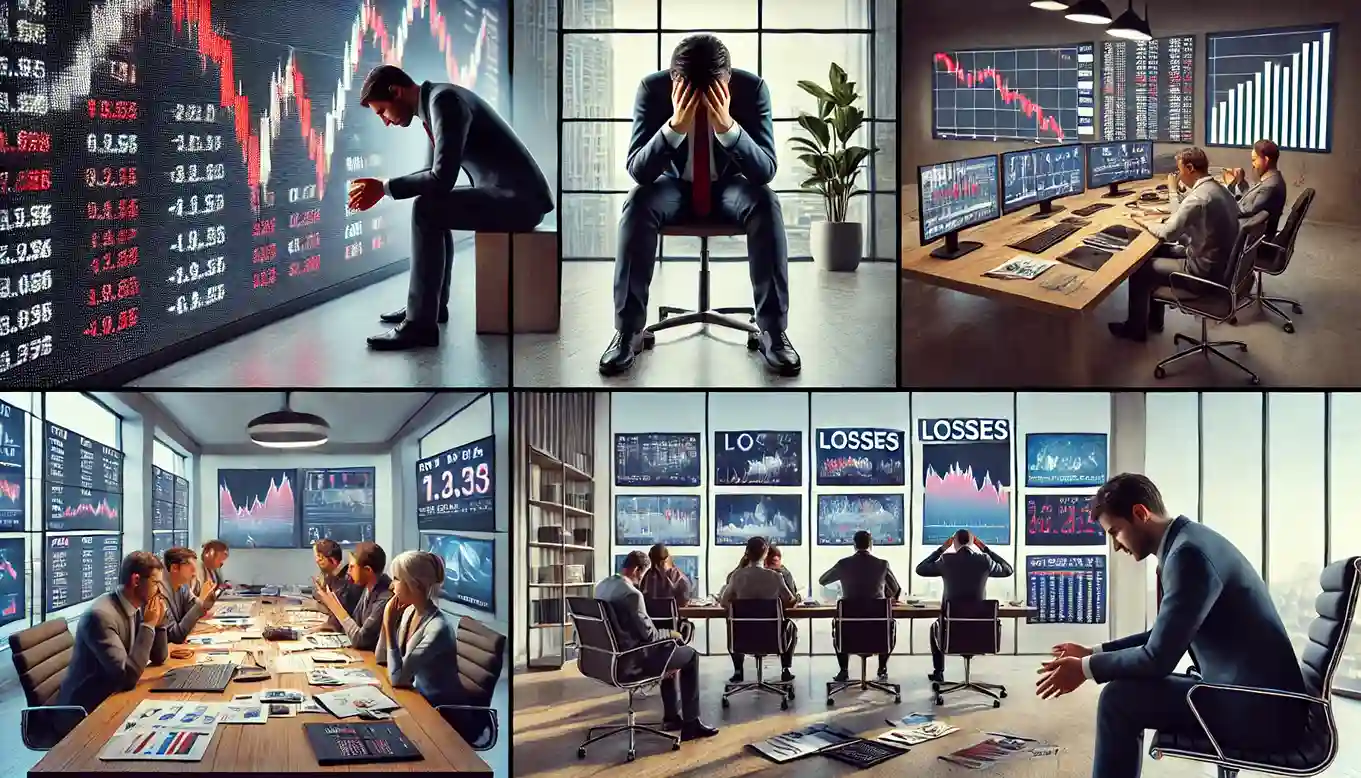
It doesn’t stop there. Undisciplined trading affects your emotions, your relationships, and even your mental health. You become anxious, restless, and obsessed. The market begins to control you, instead of the other way around. Without discipline, trading turns from opportunity to addiction.
How to Cultivate Discipline Over Time
Discipline is like a muscle — the more you train it, the stronger it becomes. Start small. Commit to following your plan for a week, then extend it. Reward yourself for sticking to your rules, not for making profits. Over time, disciplined behavior becomes second nature.
Also, keep a trading journal. Record every trade, including your emotions and reasons for entry or exit. Reviewing this regularly helps identify patterns of impulsive behavior and reinforces discipline. Remember, discipline isn’t about perfection; it’s about progress.
The Connection Between Discipline and Long-Term Profitability
Traders who survive long-term aren’t necessarily those with the best strategies — they’re the ones who stick to their process through ups and downs. Markets change, conditions fluctuate, but discipline keeps you adaptable.
Think of discipline as your trading compass. It helps you stay on course even when storms hit. Without it, every minor setback feels like a disaster. With it, every setback becomes a stepping stone. The disciplined trader may not always win, but they never lose their focus.
Why Discipline is the Ultimate Edge
Many traders search endlessly for the “holy grail” of indicators, robots, or secret strategies. But here’s the truth: discipline is the real edge. No indicator can save you from emotional decisions, and no signal can replace personal control.
Discipline transforms average strategies into profitable ones. It’s the foundation upon which all success is built. Without it, even the best system fails. With it, even a simple strategy can thrive. That’s why, in trading, only the disciplined survive — because discipline never goes out of style.
Discipline in Real-Life Scenarios
Let’s visualize it. Imagine two traders: Trader A and Trader B. Trader A waits patiently for high-quality setups, risks 1% per trade, and sticks to his plan no matter what. Trader B, on the other hand, jumps into every move, increases lot sizes after losses, and trades based on emotions.
Who survives longer? You already know the answer. Trader A’s discipline allows him to stay consistent even during losing streaks. Trader B’s impulsiveness ensures his downfall. Trading isn’t about who makes money faster — it’s about who still has money to trade tomorrow.
The Discipline of Saying “No”


Sometimes, discipline means saying “no.” No to unnecessary trades. No to following the crowd. No to greed. It’s about resisting temptation in a market designed to test your patience. Every time you say “no” to a bad trade, you say “yes” to long-term survival.
Learning to stay out of the market is just as important as knowing when to enter. The disciplined trader understands that missed opportunities are better than lost capital. Remember, restraint is strength in disguise.
The Long Game: Why Discipline Outlasts Luck
Luck might make you rich for a day, but discipline makes you wealthy for a lifetime. Many traders experience lucky wins, but without structure and control, those profits vanish quickly. Discipline ensures that your success isn’t temporary — it’s sustainable.
The long game in trading isn’t about fast money; it’s about growth, experience, and consistency. Discipline turns short-term volatility into long-term prosperity. It’s not glamorous, but it’s powerful — because luck fades, while discipline endures.
Lessons from Professional Traders
Every professional trader preaches one message: discipline first, profits later. Ask any veteran, and they’ll tell you that success isn’t about predicting the market — it’s about managing yourself. Pros treat trading like a business, not a game.
They know that rules exist for a reason. They respect stop losses, stick to position sizing, and maintain emotional balance. Their discipline allows them to thrive where others fail. If you want to trade like a pro, start thinking like one — disciplined, patient, and methodical.
Final Thoughts: Discipline is Freedom
Ironically, discipline doesn’t restrict you — it frees you. When you follow your plan and trust your system, you free yourself from fear, greed, and doubt. You trade with clarity, confidence, and control.

Discipline doesn’t guarantee profit, but it guarantees survival. And in trading, survival is victory. Because in the end, markets will always change — but discipline will always be your compass.
Conclusion
Trading success isn’t about luck, intelligence, or even strategy — it’s about discipline. It’s the invisible force that separates the winners from the losers. While undisciplined traders chase the next big opportunity, disciplined traders quietly build wealth, one smart decision at a time.
So, the next time you feel tempted to break your rules, remember this: Only the disciplined survive. The market rewards patience, control, and consistency — not chaos. Choose discipline, and you’ll choose longevity.
FAQs
1. Why is discipline more important than strategy in trading?
Because even the best strategy fails without proper execution. Discipline ensures you stick to your plan regardless of emotions or market noise.
2. How can I improve my trading discipline?
Start by creating a detailed trading plan, managing risk, keeping a trading journal, and practicing patience. Consistency will strengthen your discipline over time.
3. What happens if I trade without discipline?
You’ll likely overtrade, take unnecessary risks, and experience emotional burnout. Undisciplined trading often leads to financial losses and frustration.
4. Can discipline make an average strategy profitable?
Absolutely. Consistent execution and strict risk control can turn even a simple strategy into a profitable one. Discipline multiplies results.
5. Is trading discipline something you’re born with?
No — it’s developed through habits, experience, and self-awareness. Every trader can become disciplined with the right mindset and daily practice.