

The forex market is full of noise, fake promises, and people pretending to be experts. Every day, traders scroll through social media watching screenshots of profits, luxury lifestyles, and “winning strategies.” It looks easy from the outside. But the truth is ugly — most traders lose money because they trust things they never tested.
The phrase “Trust only what you’ve tested” is not just motivation. It’s survival advice. In forex trading, blind trust destroys accounts faster than bad luck ever will.
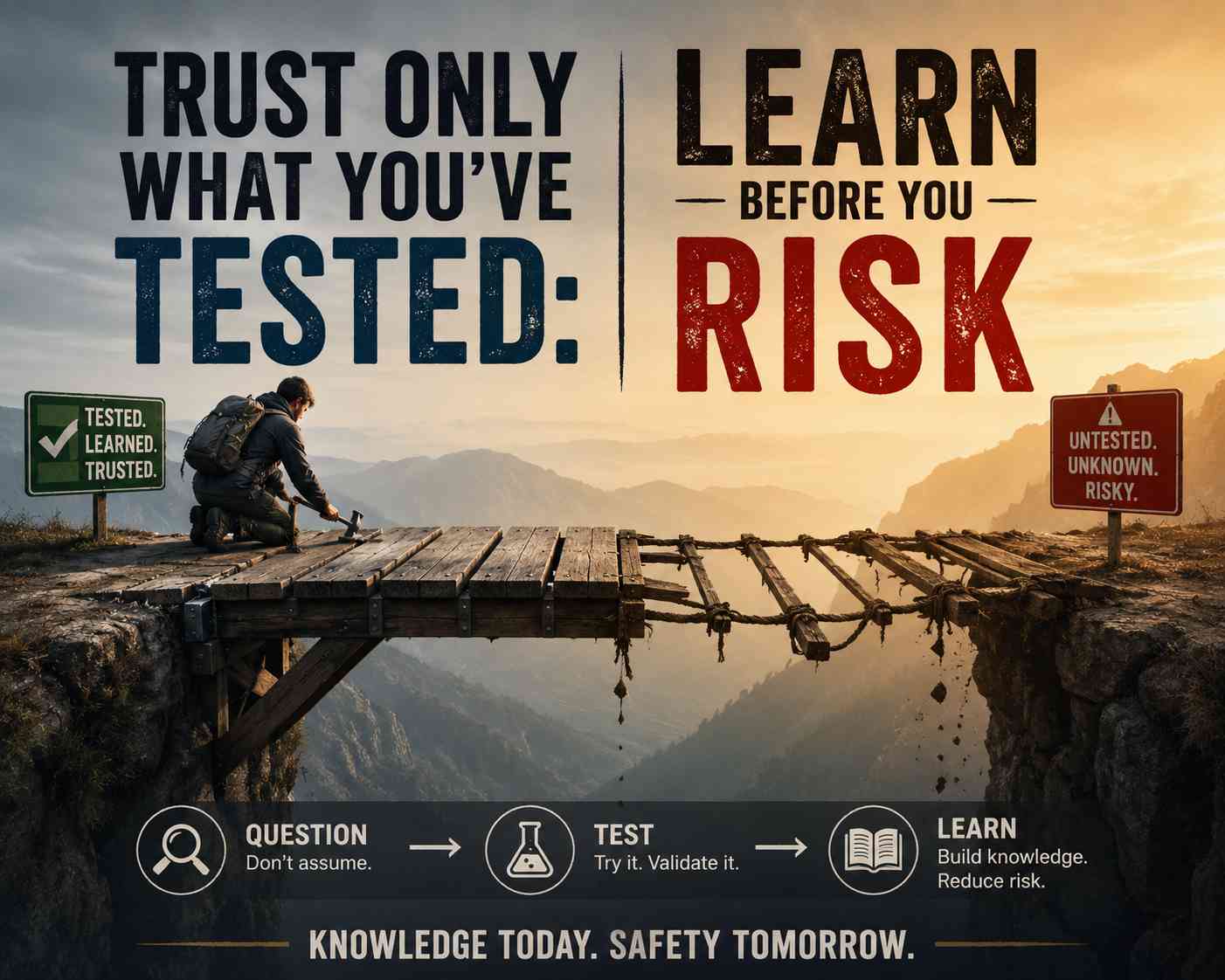
What Does “Trust Only What You’ve Tested” Mean?
This quote simply means you should never risk money on assumptions. Don’t trust a strategy because a YouTuber said it works. Don’t trust an indicator because it looks impressive. And definitely don’t trust flashy screenshots from strangers online.
In trading, evidence matters more than excitement. If you haven’t tested a strategy yourself, you are not trading — you are gambling with confidence.
The Dangerous Culture of Copy-Paste Trading
Most beginner traders jump from one strategy to another like people changing clothes. One day they trade RSI. The next day they follow Smart Money Concepts. A week later they’re chasing Fibonacci levels because some influencer showed profits.
That’s the problem. Traders chase hype instead of building skill.
Social media made this worse. People only post winning trades, luxury cars, and fake success stories. Losses stay hidden. New traders see this illusion and start believing trading is easy money.
But the market punishes shortcuts.
Why Backtesting Matters So Much
Backtesting means testing your strategy using old market data to see how it would have performed in the past. It helps traders understand whether a system actually has an edge.
Without backtesting, every trade becomes emotional. You panic during losses and become greedy during wins because you don’t truly trust your strategy.
Testing changes that. Once you’ve tested hundreds of trades, confidence becomes logical instead of emotional. You stop guessing because you already know the probabilities.
Gamblers Hope — Traders Test
Gamblers rely on luck. Professional traders rely on data.
A gambler enters trades based on feelings and predictions. A trader enters trades based on patterns, statistics, and tested systems. That’s the difference.
The forex market is ruthless toward emotional people. Fear makes traders exit early. Greed makes them hold losing trades too long. Without testing, emotions control everything.
How to Properly Test a Forex Strategy
1. Create Clear Rules
A strategy must have specific rules. “Buy when the market looks bullish” is not a strategy. Clear rules remove confusion.
For example:
- Enter after a resistance breakout
- Risk only 1% per trade
- Trade only in the trend direction
- Use stop losses every time
2. Test Different Market Conditions
Markets constantly change. A strategy that works during trends may fail in sideways conditions. That’s why traders must test bullish, bearish, and volatile markets.
Testing only perfect conditions is like testing an umbrella on a sunny day.
3. Track Results
Good traders track:
- Win rate
- Risk-to-reward ratio
- Drawdowns
- Average profits and losses
Numbers reveal reality. And reality often hurts.
Why Most Trading Strategies Eventually Fail
The market evolves constantly. What worked five years ago may fail today. Many traders become emotionally attached to old systems and refuse to adapt.
That stubbornness becomes expensive.
Another problem is over-optimization. Some traders keep adjusting strategies until they look perfect on historical charts. But live markets are unpredictable. A strategy built only for the past can collapse in real conditions.
Perfection in trading is a myth.
The Psychological Power of Testing
Most trading anxiety comes from uncertainty. If you don’t know whether your strategy works, every trade feels terrifying.
Testing reduces that fear because you’ve already seen the numbers. You know losses are normal. You know winning streaks and losing streaks both happen.
That understanding creates emotional stability. Professional traders aren’t fearless — they’re prepared.
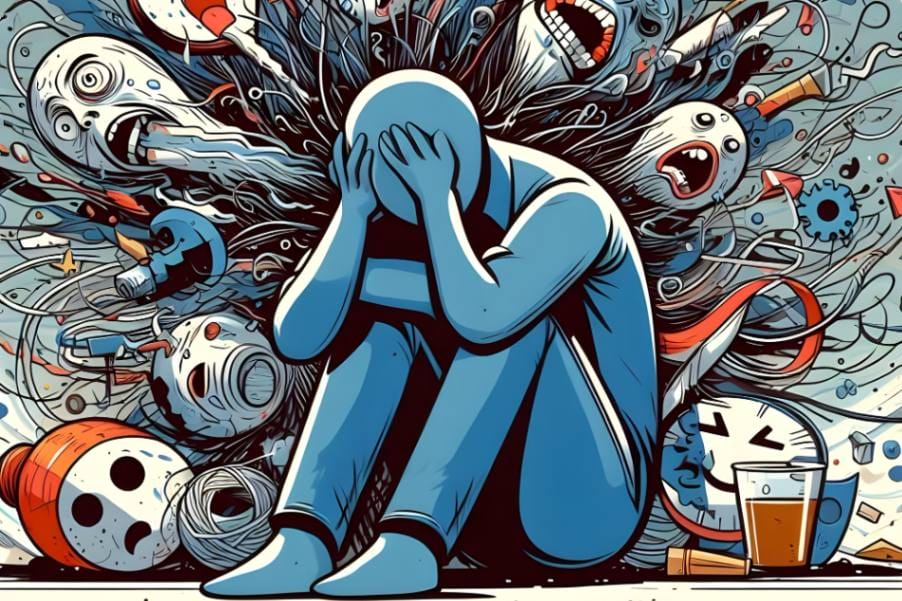
The Ugly Truth About Forex Gurus
Many forex influencers make more money selling courses than actually trading. They market fantasies like:
- “95% win rate systems”
- “Turn $100 into $10,000”
- “Never lose another trade”
It sounds exciting, but it’s unrealistic.
No strategy wins forever. No trader avoids losses. Anyone selling certainty in forex is usually selling dreams, not truth. Blindly following gurus creates dependency. Smart traders learn to think independently and test everything themselves.
Risk Management Is Everything
Even a profitable strategy can fail without risk management. Imagine having a great system but risking 50% of your account on one trade. One mistake wipes everything out.
Professional traders focus on survival first. They protect capital because without money, trading ends immediately.
Simple risk management rules include:
- Risk only 1–2% per trade
- Always use stop losses
- Avoid revenge trading
- Don’t over-leverage
Survival matters more than fast profits.
Demo Trading vs Live Trading
Demo accounts help traders practice strategies without financial risk. They are useful for learning entries, exits, and discipline.
But demo trading has limits. Real money changes emotions completely. Fear becomes stronger, greed appears faster, and patience disappears. That’s why traders should move slowly into live trading with small position sizes.
Why Patience Is a Trader’s Greatest Weapon
Most beginners force trades because they feel pressure to make money every day. But the best opportunities are rare. Patience is difficult because humans crave action. The market takes advantage of impatient traders constantly.
Think of trading like a sniper waiting for the perfect shot. Random actions create random results. Sometimes the smartest trade is no trade at all.
The Importance of a Trading Journal
A trading journal acts like a mirror. It exposes emotional mistakes, impulsive decisions, and repeated bad habits.
Without journaling, traders repeat the same errors endlessly because they never study their own behavior.
Good traders record:
- Entry and exit points
- Emotional state
- Market conditions
- Reasons for taking trades
- Final results
Over time, patterns become obvious.
Why Losing Trades Are Necessary
Many beginners think successful traders never lose. That’s fantasy. Every trader loses. The difference is that professionals manage losses while amateurs panic.
Losses are painful, but they reveal weaknesses faster than wins ever can. Winning often creates arrogance. Losing creates awareness. The market can be a brutal teacher, but the lessons matter.
Forex Trading Is a Marathon, Not a Lottery Ticket
The “get rich quick” mindset destroys traders. It creates desperation, emotional decisions, and reckless risk-taking.
Real trading success looks boring. It’s slow, disciplined, and consistent. Professional traders focus on long-term survival instead of overnight riches. Small consistent gains beat massive risky bets every single time.

Conclusion
“Trust only what you’ve tested” is one of the most important lessons in forex trading. The market is filled with fake promises, emotional traps, and people selling dreams.
Traders who blindly follow hype usually end up frustrated and broke. But traders who test their systems, control risk, study data, and manage emotions build something far more valuable — consistency.
Success in forex trading doesn’t come from luck. It comes from preparation, discipline, and evidence. Before trusting any strategy, mentor, or indicator, ask yourself one simple question:
“Have I actually tested this?” If the answer is no, be careful. In forex trading, assumptions are expensive.
FAQs
1. Why is testing important in forex trading?
Testing helps traders verify whether a strategy truly works before risking real money.
2. How many trades should I backtest?
Most traders recommend testing at least 100–500 trades for accurate results.
3. Can I become profitable by copying other traders?
Copying traders without understanding their strategy is risky and unreliable long term.
4. What is the biggest mistake beginner traders make?
Trading without a tested strategy or proper risk management is the biggest mistake.
5. Is forex trading gambling?
Forex trading becomes gambling when traders rely on emotions instead of tested systems and discipline.