
Ever heard the saying, “Observe more than you act”? It sounds simple, almost too simple, but in reality, it’s one of the most powerful principles you can live by — especially in trading, business, and even personal growth.
In today’s world, everyone seems to be in a rush to do, post, react, and prove. But those who win consistently aren’t the loudest or the fastest — they’re the ones who quietly watch, learn, and strike at the right time.
So let’s dive deep into what this mindset really means, how it can transform your results, and why sometimes, doing less actually achieves more.
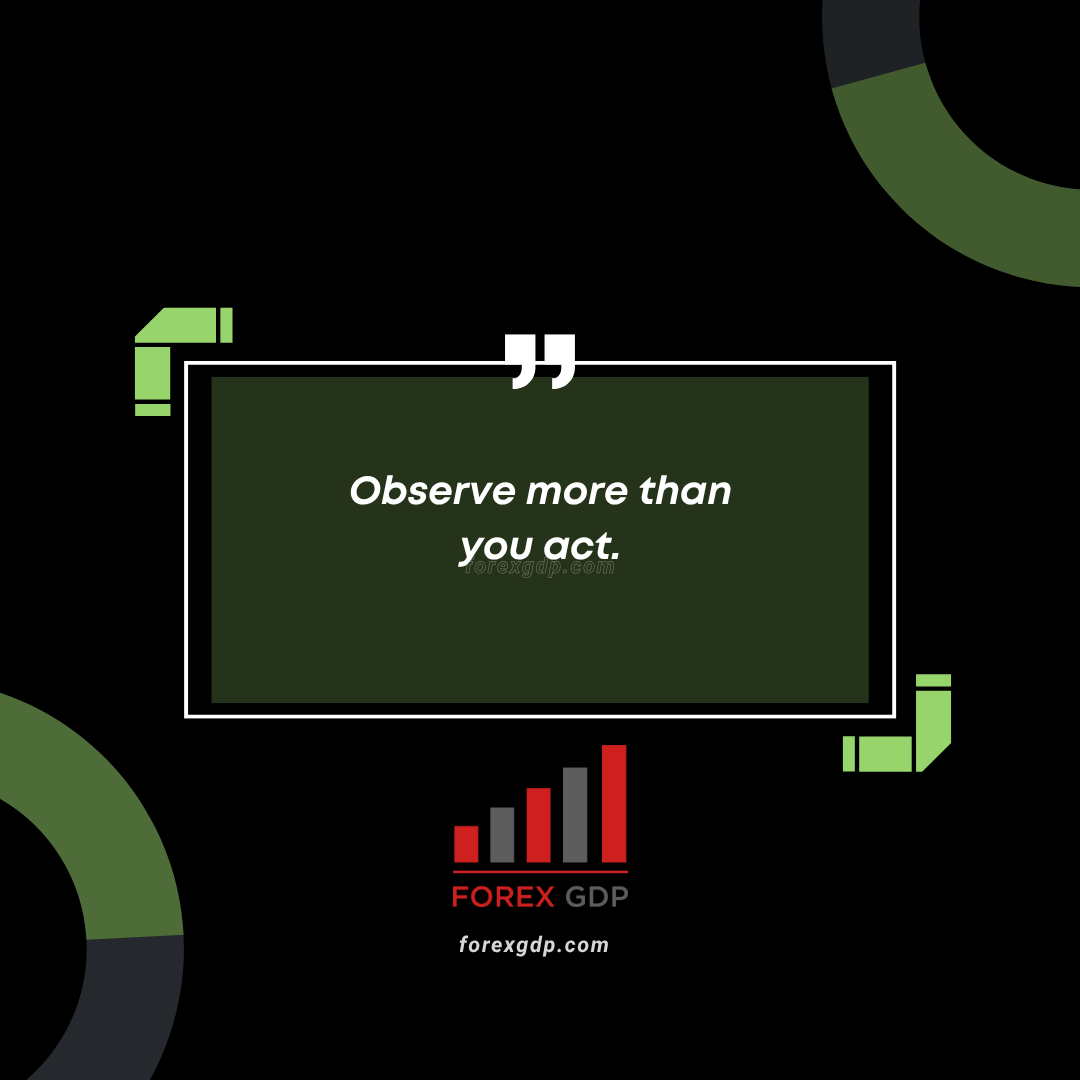
What Does “Observe More Than You Act” Really Mean?
It means taking time to understand situations before jumping into them. It’s about watching trends, studying people, and reading the room before making your move.Think of it like a chess player who doesn’t rush to move a piece. They study the board first — and that’s what observation does for you: it helps you see the whole picture.
The Power of Silence and Stillness
In a noisy world, silence is underrated. Observation requires stillness — mentally and emotionally. When you’re still, you notice patterns others miss. You pick up on subtle cues — a change in market sentiment, a shift in tone, or a recurring behavior that reveals future outcomes.Stillness isn’t weakness. It’s preparation.
Why Overacting Leads to Mistakes
Let’s face it — most people act before they think. They buy impulsively, trade emotionally, and speak carelessly. Acting without observation is like shooting arrows in the dark — you might hit something, but it’s probably not the target.
When you rush, you miss data. You skip analysis. You let emotions steer your decisions instead of logic. And in fields like Forex trading, that’s the difference between profit and loss.
Observation in Trading — The Hidden Edge
Every professional trader knows that patience pays. Markets are unpredictable, but they always leave clues — price action, volume, patterns, or sudden changes in volatility.When you observe more, you start connecting dots others don’t even see. You learn to wait for confirmation instead of reacting to noise. You trade based on signals, not speculation.
In short: observation turns chaos into opportunity.
The 80/20 Rule of Observation
In trading, and in life, the 80/20 rule applies:
-
80% of your time should be spent watching, analyzing, and understanding,
-
and only 20% should be executing.
That’s how professionals operate. They don’t chase every setup or every idea — they wait for the right one.
The Psychological Strength Behind Observation
Observation requires discipline, emotional control, and self-awareness. It means being okay with not acting — and that’s hard.The brain craves action because action feels like progress. But here’s the truth — real progress happens in observation.You gain control over your impulses, learn patterns, and make decisions that aren’t reactive but strategic.
In Forex Trading: Observation Beats Prediction
Prediction is gambling. Observation is strategy.Most traders lose because they try to predict the market instead of understanding it. The market doesn’t care about your prediction — it rewards those who observe and adapt.
By observing price structures, economic events, and trader psychology, you start trading with the market, not against it.
Observation Builds Experience Without Risk
Want to know the best way to learn? Watch.Observing other traders, analyzing past charts, or reviewing old trades helps you gain experience without losing capital.Every chart tells a story — and when you slow down to read it, you start developing intuition.Observation is like training your subconscious — soon, you’ll see patterns instantly.
The Art of Waiting for the Right Moment
The best opportunities don’t come to those who act fast — they come to those who wait smart.
Waiting isn’t wasting time. It’s buying clarity. Every successful trader has learned that doing nothing is sometimes the most profitable move.Think of it as being a hunter: you don’t chase every sound in the forest. You wait for the perfect shot.
Observation in Life and Relationships
This principle isn’t limited to trading.In life, people often talk more than they listen, and act before they understand. But when you observe, you see who’s real, who’s loyal, and who’s pretending.Observation protects you from manipulation, helps you make wiser choices, and gives you emotional intelligence — the ultimate superpower in personal and professional life.
How to Train Yourself to Observe More
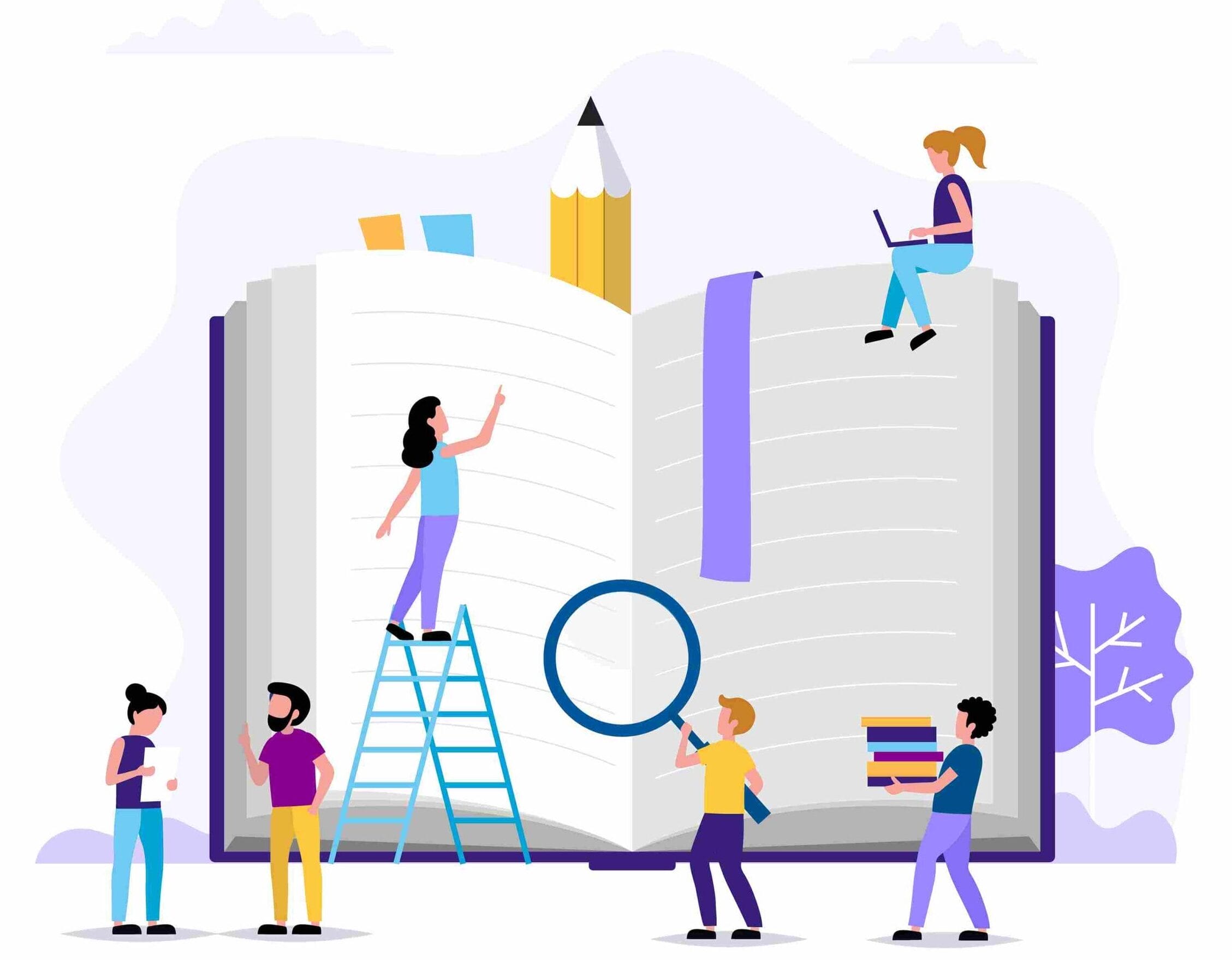
You can actually train your mind to be more observant.
Here’s how:
-
Listen twice, speak once. You have two ears for a reason.
-
Watch without judgment. Don’t jump to conclusions — just collect data.
-
Ask questions, not assumptions. Curiosity sharpens awareness.
-
Journal what you notice. Writing enhances memory and insight.
-
Be mindful. Observation thrives in the present moment.
The more you practice these habits, the sharper your perception becomes.
The Dangerous Trap of Overacting
Overacting — whether in trading, conversations, or decision-making — usually comes from fear or ego.
Fear pushes you to “do something” even when doing nothing is smarter. Ego convinces you that you’re missing out if you don’t act.But think about it: most regrets come from acting too soon, not from waiting too long.Observation kills impatience — and impatience kills success.
Observation and Timing: The Perfect Combo
Timing is everything — in markets, business, and relationships. But timing isn’t luck; it’s the product of observation.
The more you observe, the better your timing becomes. You start to sense when the market will move, when a conversation will shift, or when to take your next step in life.It’s like surfing — you don’t create waves; you wait for the right one and ride it with skill.
The Minimalist Strategy: Less Action, More Accuracy
There’s a beauty in simplicity. When you observe first, you filter out noise. You don’t chase 10 trades; you focus on one solid setup.You don’t argue with everyone; you choose your battles wisely.
Observation simplifies complexity — it makes your actions count.

When Observation Becomes a Superpower
The longer you observe, the more predictable the world becomes.
People reveal themselves through habits. Markets reveal themselves through repetition. And once you’ve seen enough, you no longer react — you respond.That’s power. Quiet power. The kind that doesn’t need attention but commands respect.
Conclusion
In a world obsessed with action, observation is rebellion.To “observe more than you act” isn’t laziness — it’s strategy. It’s the art of mastering patience, sharpening perception, and executing with precision.Whether you’re a trader, entrepreneur, or just navigating life, remember: the smartest move is often the one you don’t make — yet.
FAQs
1. Why is observation more important than action in trading?
Because markets reward patience and understanding, not impulsiveness. Observation helps you spot genuine opportunities instead of reacting to every price move.
2. How can I develop better observation skills?
Start by slowing down. Watch patterns, listen more, and analyze before acting. Keep a trading or personal journal to reflect on your observations.
3. Isn’t it risky to delay action too much?
Not if it’s intentional. Observation isn’t hesitation — it’s strategic delay. The key is to act when your analysis confirms your move.
4. How does observation help in personal life?
It prevents misunderstandings, improves relationships, and helps you read situations and people accurately before reacting emotionally.
5. What’s the biggest mistake people make when trying to “observe more”?
They confuse it with inaction. Observation should lead to informed action, not paralysis. It’s about acting less, but smarter.