

The Painful Truth of Growth
Let’s be honest—growing as a trader is not some fairy-tale success story where you open a chart today and drive a Lamborghini tomorrow. No, the reality is ugly, full of mistakes, sleepless nights, and account blowouts that sting harder than rejection from your crush. Most people enter trading thinking it’s a shortcut to riches, but the market has a brutal way of reminding you that shortcuts don’t exist here.
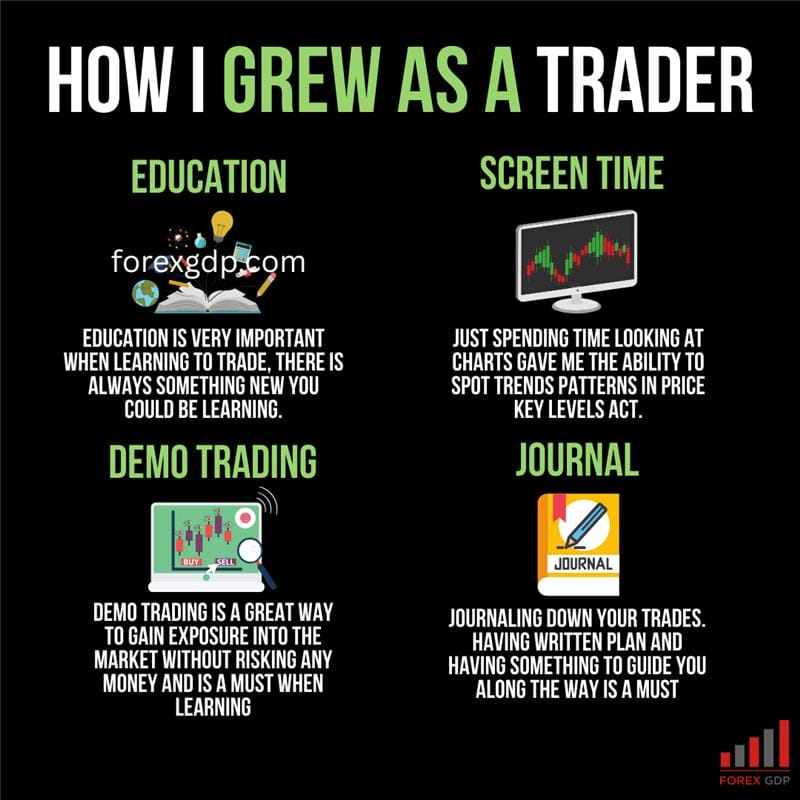
My growth as a trader wasn’t smooth; it was a battlefield. I bled accounts, cursed charts, and nearly gave up more times than I can count. Yet, step by painful step, I picked up a few survival tools—education, screen time, demo trading, and journaling. Sounds boring, right? Well, boring is exactly what works in this game. Let’s break down these lessons and the brutal truths behind them.
Education: The Trap of Thinking You Know Enough
When I first started trading, I thought watching a few YouTube videos and memorizing a couple of candlestick patterns would make me the next Wall Street genius. Oh boy, was I wrong. The market chewed me up and spat me out faster than a vending machine rejecting a fake coin.
The harsh truth is: education is endless. Just when you think you’ve “figured it out,” the market shifts, and you realize you’re still a beginner. New strategies pop up, risk management techniques evolve, and psychology books remind you that your worst enemy is staring at you in the mirror. Ignoring continuous learning is like showing up to a sword fight with a butter knife. You’re already defeated.
Screen Time: The Brutality of Just Staring at Charts
Let’s talk about screen time. People glamorize it—“just spend more time on the charts.” Easy, right? Wrong. Screen time is not glamorous; it’s soul-crushing. It means hours of staring at candlesticks moving like they’re dancing drunk at 2 AM. It’s boring, repetitive, and sometimes feels like you’re wasting your life.
But here’s the catch: it works. The more time you spend watching price move, the more your brain starts picking up subtle patterns. You begin to notice trends, key levels, and market reactions that no book could ever teach you. It’s like learning a new language. At first, it’s gibberish. Then one day, you hear a sentence, and it just clicks.
Demo Trading: The Illusion of Safe Practice
Demo trading is another painful stage. Everyone tells you to start here, and they’re right—but let’s not sugarcoat it. Demo accounts give you fake confidence. Why? Because when you’re not risking real money, you’re fearless. You’ll take trades you’d never dare touch with real cash. You’ll hold losers way too long because—guess what—it’s just numbers on a screen.
Still, demo trading is necessary. It’s like training wheels on a bike. Sure, it feels childish, but without it, you’d smash your face into the pavement immediately. It’s where you learn the mechanics, test strategies, and make beginner mistakes without crying over lost savings. Just don’t stay stuck there forever. At some point, you’ve got to face the real monster—live trading.
Journaling: The Pain of Facing Your Own Mistakes


If you hate self-reflection, journaling will feel like torture. Writing down your trades is like holding up a mirror to your stupidity. Why did I enter here? Why didn’t I exit there? What was I thinking risking half my account on a single setup? The answers sting, but they’re necessary.
A trading journal doesn’t just track numbers; it tracks your psychology. It forces you to confront the reality of your decisions. Over time, you start seeing patterns in your behavior—maybe you overtrade when you’re bored, or you chase trades after a loss. Without a journal, you’ll keep repeating the same mistakes like a broken record. With one, you at least have a fighting chance to stop the madness.
The Myth of Overnight Success
Let’s clear something up—nobody grows as a trader overnight. Those “from $100 to $10,000 in a week” stories? Lies, exaggerations, or pure luck that won’t last. Trading is not a get-rich-quick scheme; it’s a grind. And the sooner you accept that, the less money you’ll burn chasing unicorns.
The truth is, success in trading feels painfully slow. You spend months learning, practicing, failing, and adjusting. Growth comes in tiny increments, like watching grass grow. But that’s the reality nobody wants to hear because it’s not sexy.
Losing Money: The Most Expensive Teacher
Education costs money, and in trading, that education comes through losses. You can buy all the courses in the world, but until you put real money on the line, you won’t understand the sting of fear and greed. Losing money is brutal, but it’s also the most powerful teacher.
Every blown account, every stop-loss hit, every stupid mistake—you pay for it. And that pain etches lessons into your brain that no textbook ever could. Sure, it sucks, but it’s the price of admission into this game.
The Psychological Nightmare
Let’s not pretend trading is just about charts and numbers. The real battle is in your head. Fear, greed, impatience, revenge trading—they’re all waiting to sabotage you. One bad day and suddenly you’re doubling your lot size because you “just want your money back.” And that’s when disaster strikes.

Trading forces you to face yourself. It exposes your weaknesses like nothing else. If you lack discipline, the market will punish you. If you’re overconfident, it’ll humble you. It’s like therapy, but instead of paying a therapist, you’re paying the market.
Overtrading: The Silent Killer
Overtrading is like eating junk food—it feels good in the moment but destroys you in the long run. You think, “Just one more trade. I’ll make back what I lost.” And before you know it, you’ve turned a small loss into a blown account.
This was one of my biggest struggles. Sitting in front of the screen, feeling like I had to trade something. But sometimes, the best trade is no trade. Doing nothing feels wrong, but in trading, patience is a weapon. Overtrading, on the other hand, is a silent killer that wipes out more accounts than bad strategies ever could.
Risk Management: The Boring Lifesaver
Nobody wants to hear about risk management. It’s boring, unsexy, and feels like a killjoy. But it’s the only thing that keeps you alive in the long run. You can have the best strategy in the world, but if you risk half your account on one trade, you’re one bad move away from disaster.
Learning to risk small, accept losses, and protect your capital is what separates survivors from quitters. Think of risk management like a seatbelt. Annoying to wear, yes. But when the crash comes—and it will—you’ll be glad you had it on.
The False Hope of Strategies
Here’s another harsh truth: no strategy is bulletproof. I wasted months chasing the “perfect system.” Indicators, patterns, signals—you name it, I tried it. And every time, the market found a way to humble me.
The reality is, strategies are just tools. What matters is how you use them, adapt them, and stay consistent with them. Chasing strategies is like switching diets every week—you’ll never see results if you don’t stick with one long enough.
The Loneliness of Trading
Nobody talks about how lonely trading is. You sit alone with your charts, your thoughts, and your mistakes. There’s no team cheering you on, no boss guiding you. It’s just you against the market. And that isolation can mess with your head.
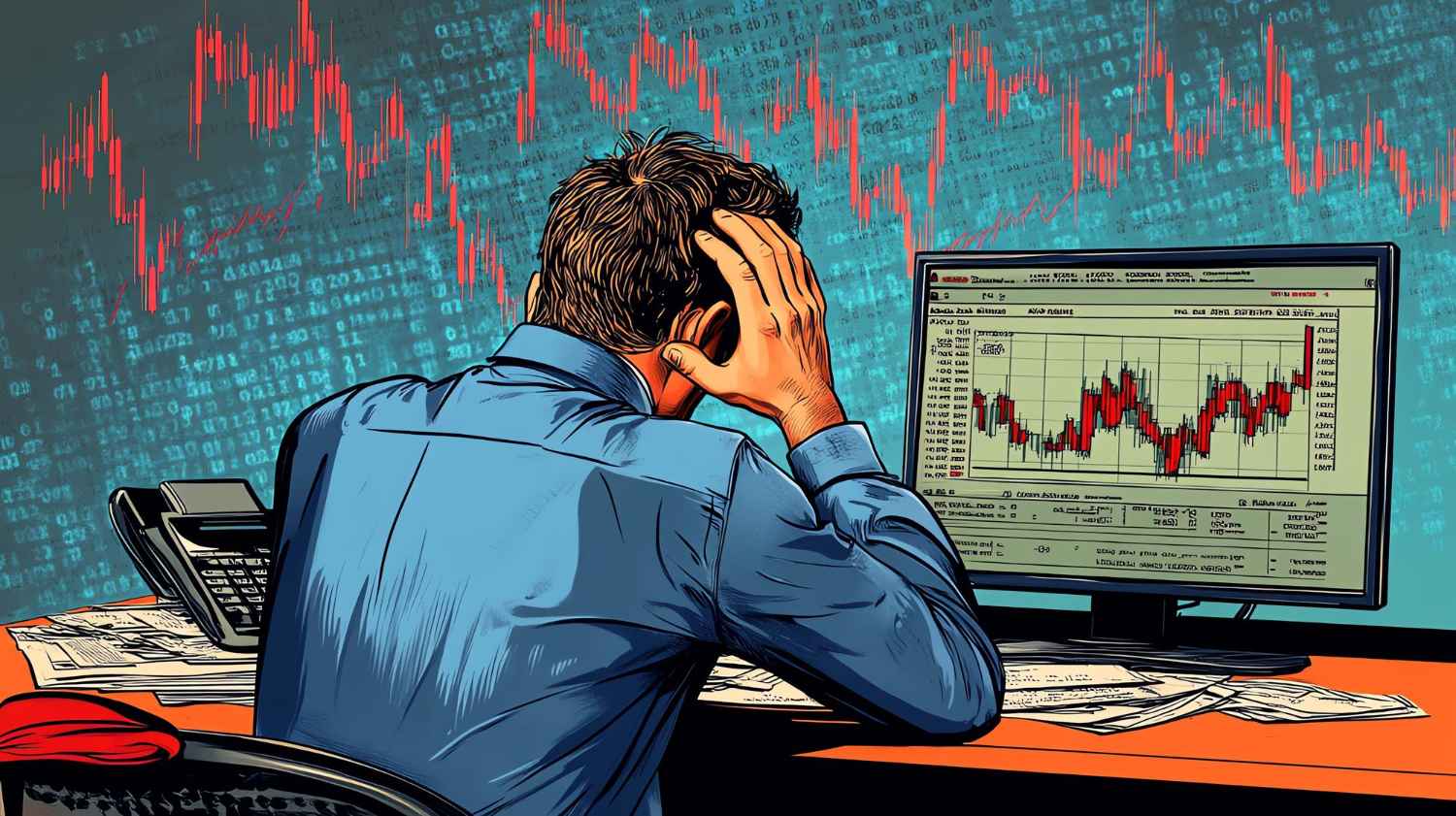
This loneliness can push you to seek validation from others—joining signal groups, copying random traders, or falling for scams. But at the end of the day, you’re still alone with your decisions. Accepting this loneliness is part of the growth.
Growth Is Ugly, But Worth It
Here’s the final truth: growth as a trader is not pretty. It’s messy, painful, and full of setbacks. But every mistake, every loss, every journal entry, and every boring hour of screen time adds up. Slowly, you stop making the same stupid mistakes. Slowly, you learn discipline. Slowly, you grow.
You won’t notice it day by day. But one day, you’ll look back at your old self and realize how far you’ve come. That’s when you know—you’re not just surviving the market anymore, you’re actually growing.
Conclusion
So, how did I grow as a trader? Through education, endless screen time, painful demo practice, and brutally honest journaling. Through losses, sleepless nights, and psychological battles I wouldn’t wish on anyone. It wasn’t fun, it wasn’t easy, and it definitely wasn’t glamorous. But it was real.
The market doesn’t reward the reckless or the lazy. It rewards the disciplined, the patient, and the ones who refuse to quit. If you’re still here after the losses and failures, congratulations—you’re already growing. Just don’t expect it to be pretty.
FAQs
1. Why is journaling trades so important?
Because without it, you’ll keep making the same dumb mistakes without realizing it. Journals force you to face reality.
2. Can demo trading really prepare me for live trading?
Not fully. Demo helps you learn mechanics, but it doesn’t teach the emotions of losing real money. That’s a whole different battle.
3. How do I avoid overtrading?
Set strict rules, limit trades per day, and remind yourself—sometimes the best trade is no trade.
4. Is education ever “enough” in trading?
No. The market evolves, and if you stop learning, you’ll get left behind.
5. What’s the biggest mistake new traders make?
Believing trading is easy money. It’s not. It’s hard, lonely, and full of losses before you ever see real success.