

Trading might look like a quick path to wealth — charts, strategies, and profits flashing across screens. But here’s the truth: trading isn’t about mastering a single formula. It’s about adapting, evolving, and learning continuously.
The most successful traders in the world share one thing in common — they never stop learning. Markets change, psychology shifts, and new technologies emerge. So, if you want to be among the best, buckle up for lifelong learning.
The Market Never Stays the Same
The financial markets are living, breathing ecosystems. What worked perfectly a year ago may fail miserably today. Economic events, political instability, and even global crises constantly shift market conditions.
That’s why traders who stop learning quickly become outdated. Staying informed about global news, economic indicators, and evolving trends is non-negotiable.
Why Knowledge Beats Luck
Some beginners think trading success is all about luck — catching that one golden trade. But professional traders know better.
Knowledge turns luck into strategy.
Learning technical analysis, risk management, and economic principles transforms you from a gambler into a strategist. It’s not about guessing — it’s about making informed decisions.
The Role of Experience in Trading Growth
Think of trading as a skill like playing a musical instrument. You don’t become a pianist after one song. Similarly, trading mastery takes time, practice, and persistence.
Each mistake teaches you something new — a bad entry, a missed signal, or an emotional exit. Over time, these lessons shape you into a sharper, calmer, and wiser trader.
Emotional Intelligence: The Hidden Skill
Trading isn’t just numbers and charts. It’s an emotional battlefield. Fear and greed can destroy even the best strategy if you let them.
Continuous learning helps you understand your emotional triggers. You start recognizing when your emotions are driving decisions — and that awareness gives you control.
Adapting to New Trading Tools and Technologies
From AI algorithms to automated bots, the trading landscape keeps evolving. Ten years ago, traders relied mainly on manual analysis. Today, data-driven insights and AI forecasting dominate.
Lifetime learners embrace these changes. They experiment, adapt, and integrate new tools to stay ahead of the competition.
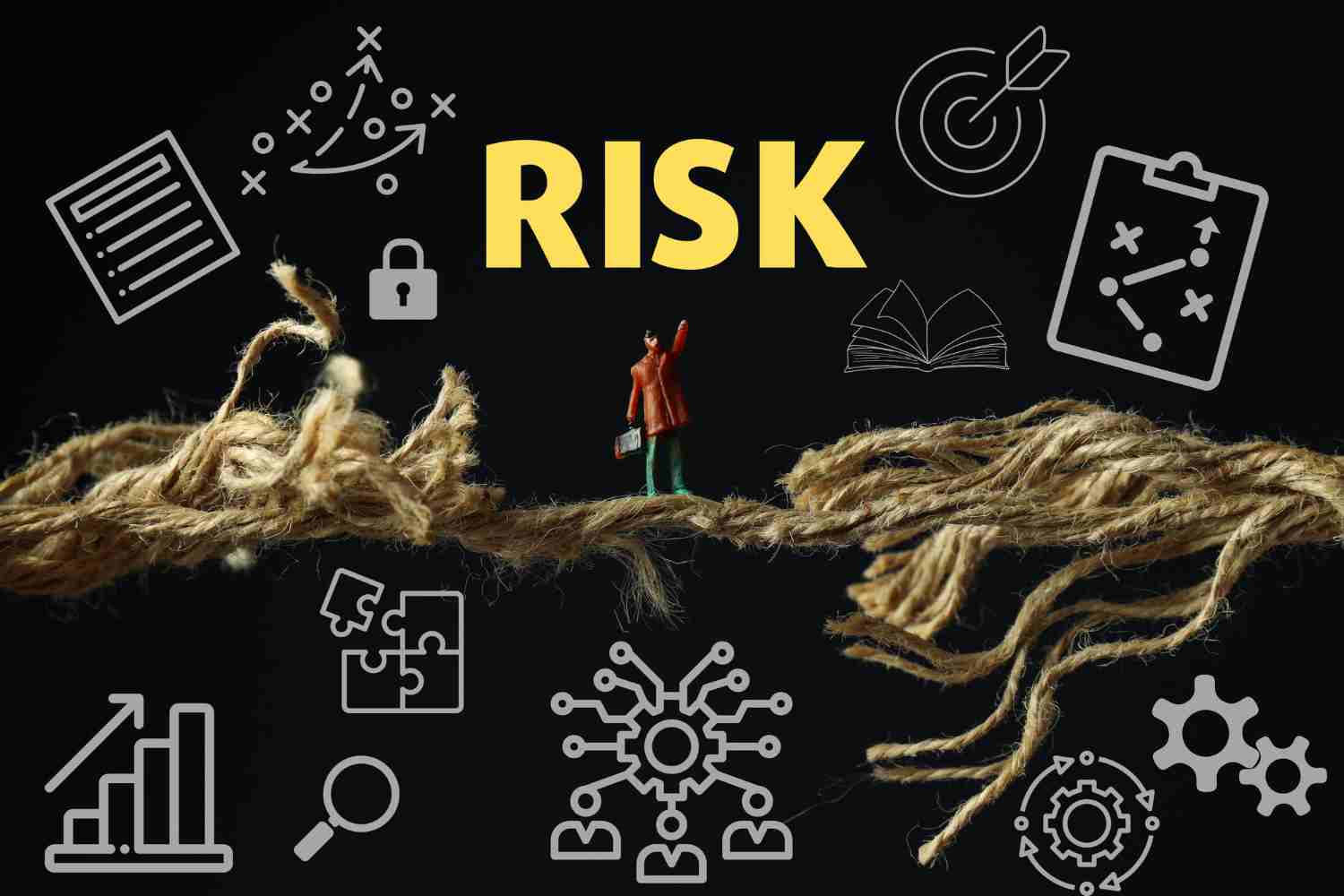
Risk Management: The Skill You Never Perfect
Ask any seasoned trader their secret, and they’ll mention risk management. Yet, even after years of trading, pros still refine their strategies.
Market volatility means you’re never truly done learning how to manage risk. You’ll always find new ways to protect capital, diversify positions, and reduce losses.
Learning from Losses Instead of Fearing Them
Here’s a hard truth — losses are inevitable. But that’s okay. Every loss holds a lesson.
Instead of getting frustrated, ask yourself: What went wrong? Was it timing? Entry point? Emotional reaction?
Great traders turn losses into education, while poor traders let losses end their journey.
The Power of Mentorship and Community
You don’t have to learn everything alone. Joining a trading community or having a mentor accelerates your growth.
Why? Because they’ve already made the mistakes you’re trying to avoid. Learning from others’ experiences gives you insights you might never gain on your own.
The Psychology of Lifelong Learning
The best traders have one thing in common: humility. They know that the market can humble anyone, anytime.
This mindset keeps them curious, open, and willing to adapt. A fixed mindset leads to stagnation, but a learning mindset keeps you evolving — even after years of experience.
Continuous Education Through Books, Courses, and Practice
Learning doesn’t stop once you’ve read a few trading books. Real traders invest time in ongoing education — online courses, trading simulations, and studying market behavior daily.
Think of your brain as your biggest trading tool — sharpen it regularly.
Balancing Theory and Real-World Experience
Some traders spend too much time learning but never apply what they learn. Others dive in blindly without understanding the basics.
The secret lies in balance — study, apply, analyze, and repeat. That’s how theory becomes real skill.

Building a Routine of Growth
Becoming a lifetime learner doesn’t mean studying all day. It’s about consistency.
Dedicate time daily or weekly to review trades, read updates, or learn something new. Over time, these small habits compound — just like profits in a good trade.
Conclusion: The Market Rewards the Curious
The market doesn’t reward arrogance or laziness. It rewards curiosity, patience, and persistence.
Being a lifetime learner isn’t just a motto — it’s your survival strategy in trading.
So, next time you open your charts, remember this: the best traders aren’t the smartest — they’re the most adaptable. Keep learning, and the market will keep teaching.
FAQs
1. Why is continuous learning important in trading?
Because the market is always changing. Strategies that worked last year may fail today. Lifelong learning keeps you adaptable and informed.
2. Can you become a successful trader without experience?
Not really. You can study theory all day, but experience teaches real-world lessons — discipline, emotion control, and timing.
3. How can I keep learning as a trader?
Read books, join trading communities, take online courses, and analyze your own trades regularly. Treat every trade as a lesson.
4. What’s the biggest mistake traders make?
Thinking they already know everything. Overconfidence kills learning — and that leads to losses.
5. How do emotions affect trading success?
Emotions like fear and greed cause impulsive decisions. Learning emotional discipline helps you trade with logic, not panic.