

Why Do These Numbers Even Matter?
Let’s be honest—numbers don’t lie, but they sure can be depressing. When you look at Forex traders’ statistics, you quickly realize that trading isn’t the glamorous, money-printing machine many newcomers dream about. In fact, the stats reveal something brutal: most traders aren’t professionals, most fail before they succeed (if they ever do), and speculation drives nearly everything. Doesn’t that sound like a recipe for disaster?

We’re not here to sugarcoat things. If you’re stepping into Forex thinking it’s a golden ticket to freedom, these statistics will smack you in the face with reality. But sometimes, facing the raw numbers is the only way to avoid falling into the same traps as everyone else. So, let’s dive in and break down the data with a little honesty, a touch of sarcasm, and a heavy dose of reality.
9 Out of 10 Traders Use Technical Analysis – But Does It Even Help?
Almost every trader swears by technical analysis. Candlestick patterns, moving averages, Fibonacci retracements—you name it, traders use it. The infographic shows that 9 out of 10 rely on technicals. Sounds impressive, right? Except here’s the kicker: if almost everyone uses it, why do most still lose?
Think of it this way: If 90% of drivers on the road use Google Maps, but traffic jams still exist, does Google Maps guarantee you’ll get to your destination faster? Of course not. Technical analysis is a tool, not a magic wand. The majority treat it like gospel, but the harsh truth is, charts don’t predict the future—they just give you a fancy way to visualize uncertainty.
One-Third of Traders Also Gamble on Other Instruments
Here’s where things get messy. About a third of Forex traders don’t just stick to currencies—they jump into stocks, crypto, commodities, or anything that moves. Sounds like diversification, right? Wrong. Most of the time, it’s just boredom dressed up as strategy.
When traders hop from Forex to crypto or commodities, they’re usually chasing thrills, not profits. It’s like trying every dish at a buffet but ending up sick because you couldn’t stop. If you can’t master one market, spreading yourself thin across multiple just increases your chances of burning out—and blowing up your account.
Speculation: The Dark Addiction Driving 83% of Traders
The stat that nearly 83% trade for speculation is both sad and predictable. Let’s call it what it is—gambling with a fancy name. Sure, traders like to pretend they’re “strategists,” but deep down, most are just betting on what they hope will happen.
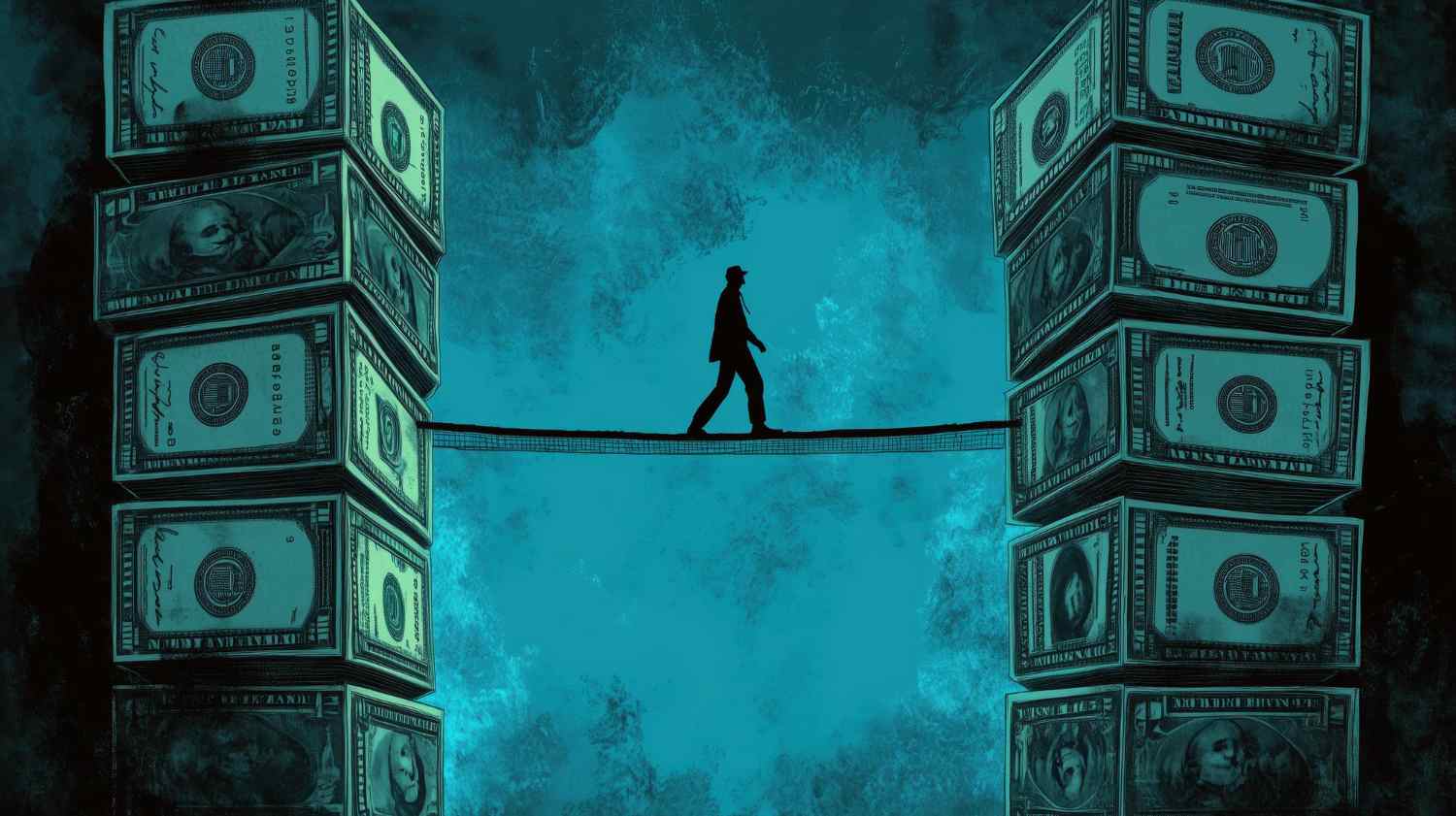
Speculation is like playing roulette in Vegas: spin the wheel, cross your fingers, and pray the ball lands on your number. And while traders love to justify their bets with complicated chart setups, at the end of the day, the line between trading and gambling gets thinner than a razor blade. The problem? Casinos always win, and in Forex, the brokers often play the role of the house.
Most Traders Identify as Non-Professionals
This one stings. The majority of traders don’t even call themselves professionals. And honestly, can you blame them? Being a “professional” means consistent profit, discipline, and treating trading like a business. Most traders are nowhere near that level.
Instead, they treat Forex like a side hustle or worse—a hobby. But unlike hobbies, trading has real consequences. Losing $500 in a weekend isn’t the same as splurging on new golf clubs. The losses hit harder, drain faster, and leave scars that last longer. That’s why most traders admit they’re not professionals—because the results speak louder than their ambitions.
The Full-Time Dream That Rarely Works
The statistics show that only a small percentage actually identify as full-time traders. Why? Because the dream doesn’t match the reality. Full-time trading sounds like freedom, but in reality, it’s stress on steroids. Imagine waking up every day knowing your rent, bills, and groceries depend on a market that couldn’t care less about you.
Most people can’t handle that pressure. They overtrade, force setups, and make emotional decisions because losing a single trade isn’t just money—it’s survival. That’s why so few truly go full-time. And even those who do often find themselves crawling back to traditional jobs after the market chews them up and spits them out.
Trading 15+ Hours a Week – And Still Losing

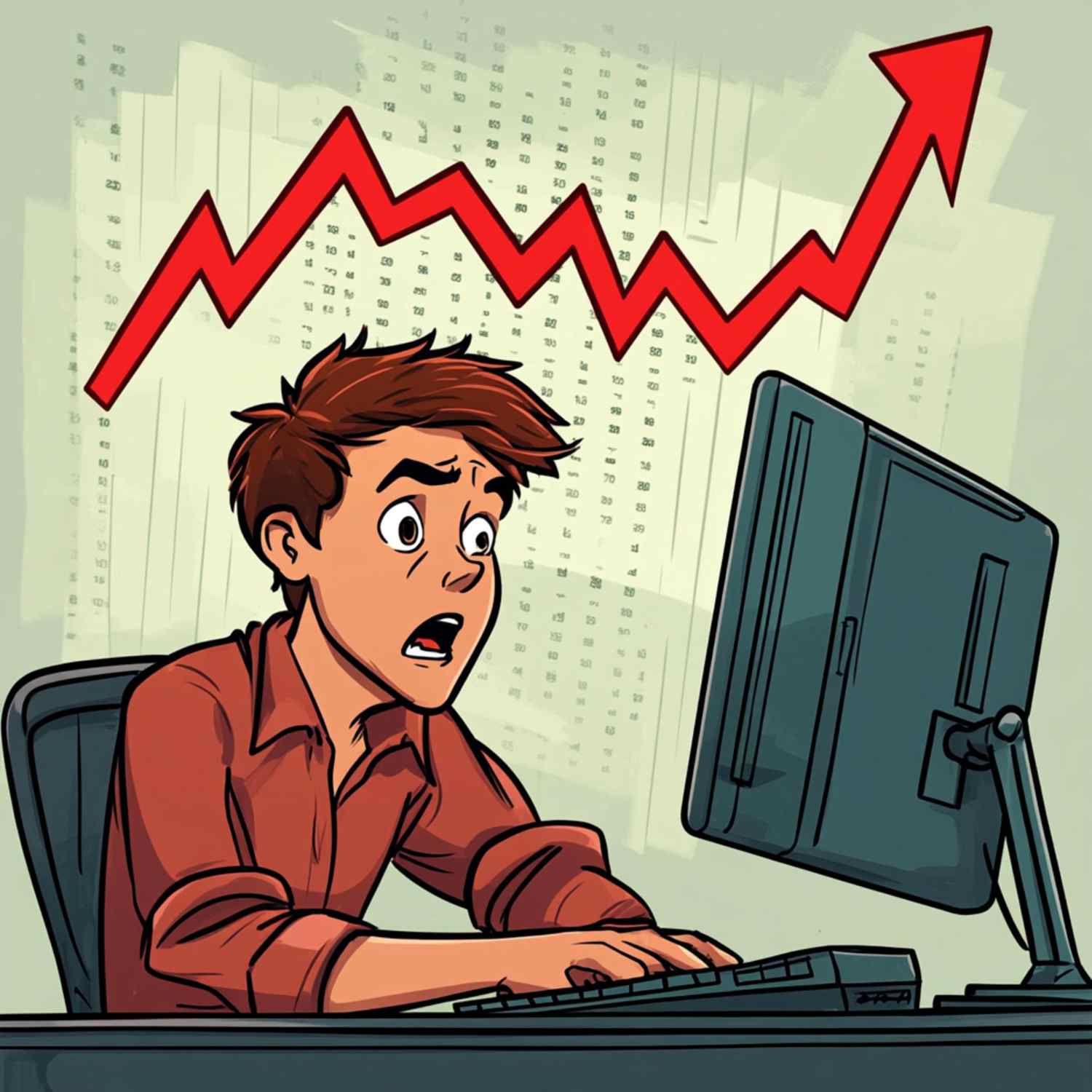
Another brutal fact: a chunk of traders spend 15 or more hours each week trading. Sounds dedicated, right? But here’s the reality—time spent doesn’t equal profit earned. You can stare at charts all day, but if you don’t have discipline and strategy, you’re just wasting electricity.
It’s like going to the gym for three hours a day but never changing your diet—you won’t see results. Trading is no different. Some traders work harder, not smarter, and mistake screen time for progress. Sadly, the market doesn’t reward effort; it rewards execution.
The Psychological Trap Behind the Numbers
Every statistic in Forex hides something darker: the mental toll. Behind each “non-professional” or “speculator” label is a person battling emotions like greed, fear, and frustration. These emotions wreck more accounts than bad analysis ever could.
Think about it: how many times have traders held onto a losing position hoping it would turn around? That’s not strategy—that’s denial. Statistics don’t measure sleepless nights, panic-selling, or the gut punch of watching your account balance bleed red. But make no mistake, psychology is the silent killer behind most of these numbers.
Why Do So Many Traders Fail Before They Even Begin?
Failure isn’t just common in Forex—it’s practically guaranteed. Most traders blow their first account within months. Why? Because they dive in headfirst without preparation. They believe some YouTube guru who promises “easy profits” and think a demo account win means they’re ready for real money.
It’s like trying to run a marathon without training. Sure, you might sprint the first mile, but by mile five, you’re crawling. Trading punishes ignorance, and the market doesn’t care if you’re new. The failure rate isn’t just a warning—it’s proof that wishful thinking doesn’t survive in Forex.
The False Hope of Quick Riches
Forex attracts dreamers because it whispers the sweetest lie: “You can get rich fast.” But the stats tear that fantasy apart. If riches were so easy, wouldn’t more traders be full-time millionaires by now? The reality is harsh—most barely break even, and many lose everything.

Quick riches in Forex are like mirages in the desert. You think you’re close, but the closer you get, the faster it disappears. That’s why so many quit after blowing up their accounts. They realize the golden road they thought they were on is nothing more than a dead-end alley.
The Role of Brokers in the Statistics
Here’s a truth that often gets buried: brokers love these numbers. They know most traders speculate, lose money, and keep coming back for more. Every blown account is just another payday for them. The system is built to feed off trader mistakes, and brokers rarely lose in the long run.
It’s like a casino inviting you to play roulette—they don’t care if you win a little here and there. In the end, the house edge always wins. Forex brokers thrive because the majority of traders feed them consistent losses. The stats aren’t just sad—they’re profitable for someone else.
Can These Numbers Ever Change?
The million-dollar question: will Forex trader statistics ever improve? Honestly, probably not. As long as new traders enter the market with big dreams and little discipline, the cycle repeats. For every one disciplined trader who survives, dozens more crash and burn.
Sure, education and experience can shift the odds, but human nature rarely changes. Greed, impatience, and overconfidence are baked into our DNA. And as long as that’s true, the stats will keep showing the same grim story.

Conclusion: The Cold, Hard Truth
Forex trader statistics don’t paint a pretty picture. They expose the ugly side of trading: most aren’t professionals, most speculate blindly, and most fail. The numbers are a warning sign that trading isn’t a quick path to freedom but a brutal test of discipline, patience, and mental strength.
If you’re thinking about trading, don’t just glance at these stats—absorb them. Let them humble you. Because the market doesn’t care about your dreams; it only respects preparation, risk management, and brutal honesty. Anything less, and you’ll just become another sad number on a chart.
FAQs
1. Why do most Forex traders lose money?
Because they speculate without discipline, treat trading like gambling, and underestimate risk.
2. Is technical analysis really useful in Forex?
Yes, but it’s not a guarantee. It helps, but without psychology and risk management, it’s useless.
3. Can you really trade Forex full-time?
Few can. It requires discipline, capital, and emotional control that most traders simply don’t have.
4. Why do brokers always seem to win?
Because they profit from trader mistakes and losses, much like a casino profits from gamblers.
5. Can statistics about Forex traders ever improve?
Unlikely. As long as human nature drives trading, greed and speculation will keep the numbers ugly.