

Let’s not pretend—trading isn’t as exciting as it looks online. No nonstop action, no constant wins, no adrenaline rush every minute. Most of the time, it’s quiet, slow, and honestly… boring. And that’s exactly why most traders fail. They come in expecting excitement but end up sabotaging themselves when things get dull.
That quote—“The best traders master boredom”—isn’t just clever, it’s brutally accurate. If you can’t sit still and do nothing, the market will chew you up. Success in trading isn’t about doing more; it’s about knowing when not to act.
What Does “Mastering Boredom” Really Mean?
Mastering boredom means controlling your urge to act when there’s no real opportunity. It’s about sitting on your hands while the market does nothing worth trading. You’re not reacting to every small move—you’re waiting for the right one.
It sounds simple, but it’s uncomfortable. You’ll feel like you’re missing out, like you should be doing something. But that feeling? It’s exactly what gets most traders into trouble.
Why Boredom Feels So Frustrating
Humans hate inactivity. When nothing is happening, your brain starts searching for stimulation. In trading, that often leads to forced decisions. You begin to see setups that aren’t really there.
It’s like opening the fridge over and over again—not because you’re hungry, but because you’re bored. Trading works the same way. You’re not acting out of logic—you’re reacting to discomfort.
The Dangerous Myth of Constant Trading
Here’s a harsh truth: trading more doesn’t mean earning more. In fact, the opposite is usually true. Overtrading leads to mistakes, emotional decisions, and unnecessary losses.
Every trade carries risk. When you take trades without a solid reason, you’re basically gambling. And gambling isn’t a strategy—it’s a slow way to lose money.
Patience: The Skill Most Traders Ignore
Patience isn’t exciting, but it’s powerful. The best traders wait for the perfect setup instead of chasing every movement. They understand that opportunities don’t come every minute.
Think of it like hunting. A skilled hunter doesn’t run around randomly. They wait, observe, and strike at the right moment. Trading works the same way—you win by waiting, not rushing.
Boredom Is Actually Discipline
Here’s the shift most traders need: boredom isn’t a problem—it’s a sign you’re doing it right. If you’re not constantly trading, it usually means you’re following your rules.
Discipline feels boring because it lacks excitement. But that’s what keeps your account safe. The moment you start chasing action, you step out of discipline and into risk.
The Emotional Traps That Come With Boredom
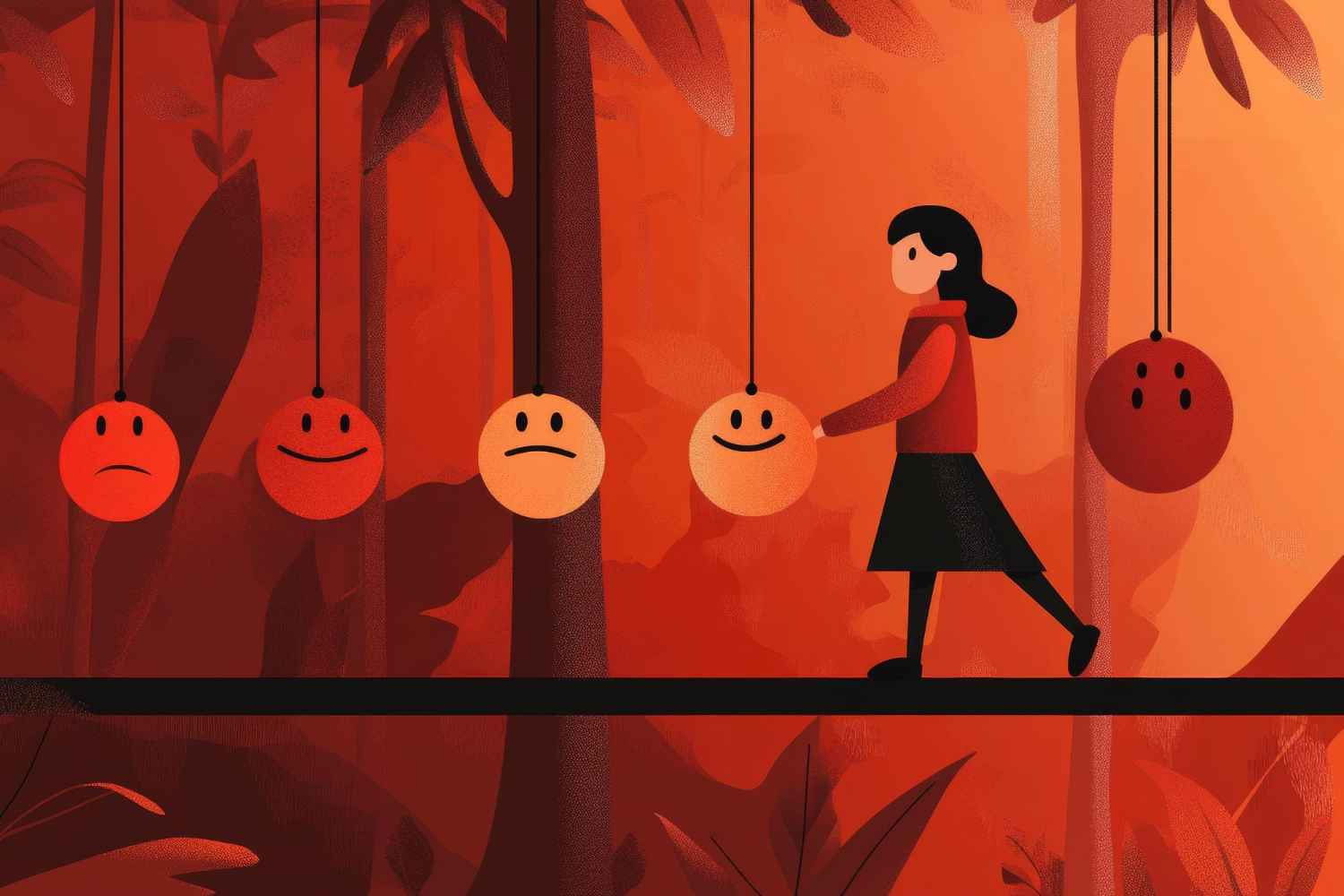
When boredom sets in, emotions start taking over. You feel the urge to act, to be involved, to not miss out. That’s when bad trades happen.
You might think, “What if this move is the one?” or “I don’t want to miss this chance.” But those thoughts aren’t based on logic—they’re based on fear. And fear-driven trades rarely end well.
How Professional Traders Think Differently
Professional traders don’t treat trading like entertainment. They don’t need constant action to feel productive. In fact, they’re comfortable doing nothing for long periods.
They know their edge comes from selectivity. They don’t chase the market—they let the market come to them. That patience is what keeps them consistent.
The Power of Waiting for the Right Setup
Every strategy works best under certain conditions. If those conditions aren’t there, the strategy loses its effectiveness. That’s why waiting is so important.
You’re not wasting time—you’re protecting your capital. It’s better to miss a trade than to take a bad one. The market will always give new opportunities, but your capital is limited.
Why Doing Nothing Is Sometimes the Smartest Move
This might sound strange, but doing nothing can be a winning decision. Every bad trade you avoid saves you money. It keeps your account stable.
Think of your capital like fuel. If you burn it on unnecessary trades, you won’t have enough left when the real opportunity shows up. Sometimes the smartest move is simply to wait.
Building a Routine That Handles Boredom
You can’t eliminate boredom, but you can manage it. Start by having a clear trading plan. Know exactly what you’re looking for, and don’t act unless those conditions are met.
Limit your screen time so you’re not tempted to trade out of habit. Review your trades regularly to understand your patterns. You’ll quickly see that your worst trades come from boredom.
Winning the Mental Game
Trading is less about charts and more about mindset. Your biggest challenge isn’t the market—it’s your own behavior. If you can control your impulses, you gain a huge advantage.

It’s about being okay with inactivity. Being comfortable with silence. Not needing constant feedback or action. That’s where real growth happens.
Boredom as a Hidden Advantage
Here’s the interesting part—most traders can’t handle boredom. That means they make mistakes during slow periods. They force trades, chase movement, and break rules.
If you can stay patient while others lose control, you automatically gain an edge. Sometimes winning isn’t about being smarter—it’s about being calmer.
Common Mistakes Caused by Boredom
Traders often fall into predictable traps when they’re bored. They take trades without confirmation, ignore their strategy, or jump into unclear trends.
These mistakes aren’t technical—they’re emotional. Recognizing this pattern is the first step toward fixing it. Once you see it, you can stop it.
Training Yourself to Stay Patient
Patience isn’t something you’re born with—it’s something you build. Start by practicing discipline in small ways. Watch the market without trading. Let setups form completely before acting.
It will feel uncomfortable at first. That’s normal. Over time, you’ll get used to it. And eventually, you’ll realize that waiting feels better than losing money.
A Simple Truth You Shouldn’t Ignore
You don’t get paid for how often you trade. You get paid for how well you trade. One good trade can outperform ten bad ones.

Quality beats quantity every time. The market rewards precision, not activity. The sooner you understand this, the better your results will be.
Conclusion: Success Lies in the Quiet Moments
Trading isn’t about excitement—it’s about control. It’s slow, repetitive, and yes, often boring. But that boredom is where discipline is built.
If you can embrace it instead of fighting it, you’ll avoid unnecessary losses and make better decisions. The next time you feel the urge to trade just to escape boredom, stop and think.
Ask yourself: Is this a real opportunity, or just my impatience talking?
That question alone can change everything.
FAQs
1. Why is boredom important in trading?
Boredom helps traders avoid impulsive decisions and stick to their strategies, leading to better outcomes.
2. How can I avoid overtrading?
Set clear rules, limit your screen time, and only trade when your setup is fully confirmed.
3. Do successful traders really trade less?
Yes, they focus on quality trades and wait for the best opportunities instead of trading constantly.
4. Is it okay to do nothing in trading?
Absolutely. Sometimes the best decision is to stay out of the market and protect your capital.
5. How long does it take to build patience?
It varies, but with consistent practice and awareness, most traders improve their patience over time.