

Trading confidence rarely arrives with fireworks. It does not suddenly appear after watching a few market videos, reading a handful of strategies, or catching one impressive trade. Real confidence is usually quieter than that. It grows in the background while you repeat the same useful habits, face similar market situations, make mistakes, recover from them, and slowly become less surprised by what trading throws at you.
That is why the idea that repetition builds trading confidence carries so much weight. Forex can feel chaotic, especially when every candle seems to demand a reaction. Yet traders who spend enough time following a consistent process often discover something important: the market may remain uncertain, but their own behavior does not have to be. Repetition cannot guarantee profits, but it can make your decisions more familiar, deliberate, and emotionally controlled.
Repetition Builds Trading Confidence Through Familiarity
Confidence in forex is sometimes confused with certainty. They are not the same thing. Certainty says, “I know what the market will do.” Confidence says, “I know what I will do regardless of what the market does.” That distinction may sound small, but it changes almost everything.
Repeated exposure helps build this second kind of confidence. When you have seen breakouts fail, trends reverse, quiet sessions suddenly wake up, and attractive opportunities turn into losses, the market begins to feel less mysterious. You still cannot predict every move, but fewer situations feel completely foreign.
Experience Turns Market Chaos Into Something Familiar
A new trader may look at a chart and see an endless stream of movement. Price rises, drops, pauses, jumps again, and seems determined to make no sense whatsoever. The temptation is to chase whatever looks important at that particular moment.
With repeated observation, however, the picture can become less intimidating. Certain market behaviors start looking familiar. You remember seeing similar hesitation before. You recognize how easily enthusiasm can disappear after a strong move. Familiarity does not provide magical foresight, but it can reduce the feeling that every price movement is an emergency.
Familiarity Can Reduce Emotional Surprise
Surprise is expensive in trading because surprised traders often react instead of think. A sudden move can trigger fear, greed, frustration, or the urge to recover immediately. When emotions take over, carefully planned decisions can disappear remarkably quickly.
Repeated market exposure gives those moments context. You begin to understand that sharp movements happen, losses happen, missed opportunities happen, and sometimes the market simply behaves badly from your perspective. Once these events stop feeling extraordinary, they may have less power over your emotions.
Repetition Helps You Recognize Your Own Reactions
The market is only half the story. The other half is you. Perhaps you become impatient after watching price move without you. Maybe one losing trade makes you unusually aggressive. Perhaps a profitable streak tempts you to believe you have finally “figured out” forex.
These tendencies become easier to notice when trading is approached consistently. Repetition acts like a mirror. The same emotional habits keep appearing until they become difficult to ignore. That awareness matters because controlling a behavior is much harder when you do not even realize you are repeating it.
Confidence Comes From Process, Not Prediction
Trying to predict every market movement can turn trading into an exhausting guessing contest. One prediction works, confidence explodes. The next fails, confidence collapses. That is a fragile way to operate because your emotional state becomes attached to each individual result.
Process-based confidence works differently. Instead of demanding that every idea be correct, you focus on whether you followed the approach you intended to follow. The outcome still matters, naturally, but it no longer becomes the only measurement of whether you traded well.
A Repeatable Routine Creates Stability
A routine can provide structure when the market itself offers none. Looking at markets in a consistent way, waiting patiently, assessing opportunities with the same standards, and reviewing decisions afterward can create a dependable rhythm.
Think of a musician practicing the same piece. The goal is not to make every practice session exciting. In fact, much of the work is repetitive. Yet that repetition eventually allows the musician to perform with greater calm. Trading has a similar quality: familiarity with your process can reduce unnecessary hesitation when decisions matter.
Good Decisions Can Still Produce Losing Trades
One uncomfortable reality of forex is that a sensible decision can lose money. Conversely, a careless decision can occasionally make money. This is precisely why judging yourself from a single result can be misleading.
Repetition gives you a wider perspective. Instead of treating one loss as proof that everything is broken, you can evaluate behavior across many decisions. Confidence becomes less dependent on whether yesterday happened to be profitable and more connected to whether your overall process remains disciplined.
Consistency Can Strengthen Trading Discipline

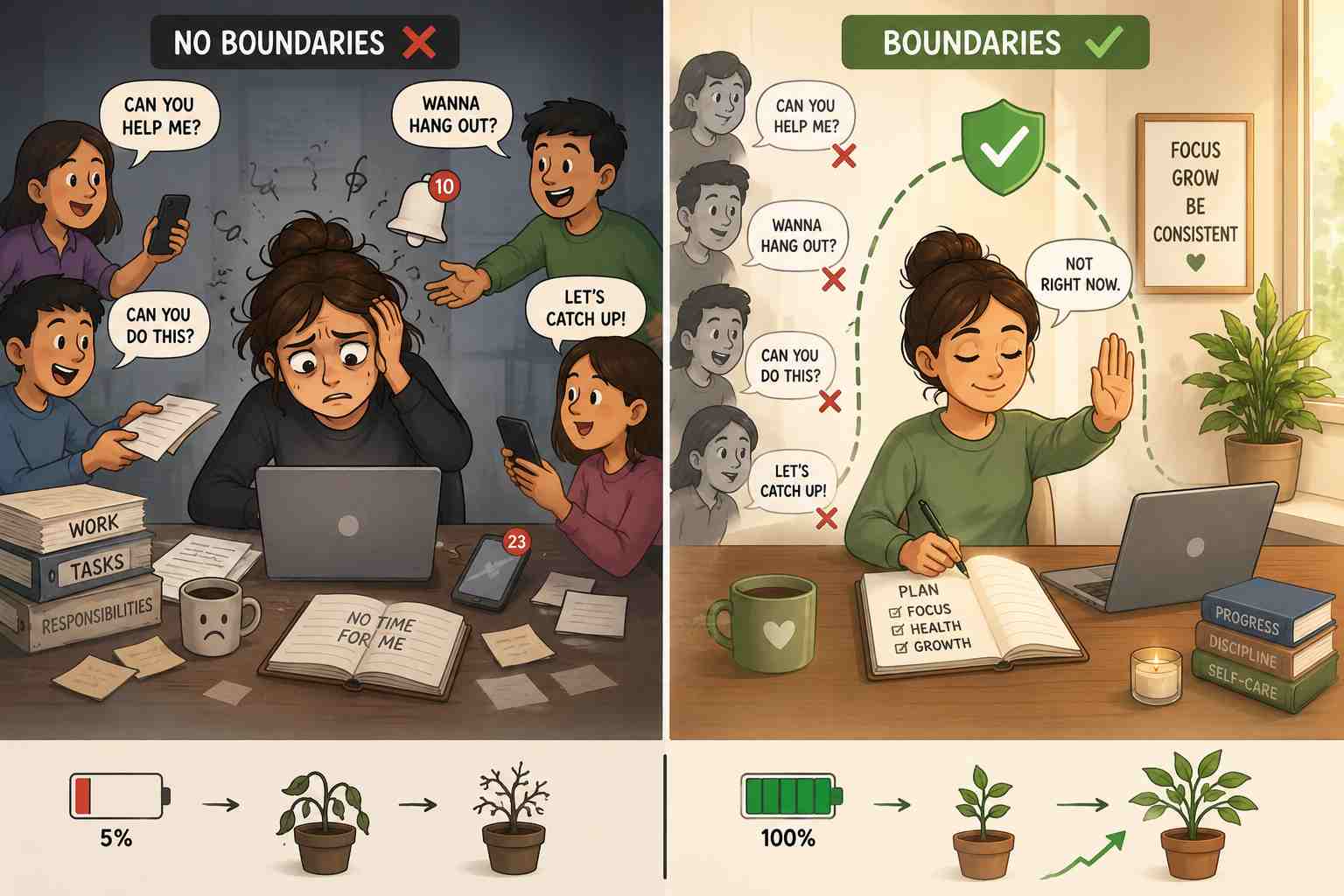
Discipline sounds glamorous when people talk about it, but living it is usually rather boring. It often means doing nothing when you desperately want to trade. It means accepting that an opportunity does not fit your approach even though it looks tempting. It means resisting the urge to turn frustration into another position.
Repetition is what turns discipline from an idea into a habit. A rule followed once is merely a decision. A rule followed repeatedly begins to become part of how you naturally behave around the market.
Repeated Habits Can Reduce Impulsive Trading
Impulsive trades often feel compelling because they promise immediate relief. You missed a move? Enter the next one quickly. You lost? Find another trade and win it back. The market is moving fast? Jump aboard before it disappears.
Unfortunately, urgency is not the same thing as opportunity. Repeatedly following a defined process can create a small but valuable gap between seeing market movement and reacting to it. That gap gives judgment a chance to enter the conversation.
Patience Gets Easier With Practice
Patience is rarely something traders simply possess from day one. It develops by repeatedly choosing not to act when conditions do not justify action. At first, waiting can feel uncomfortable. The empty space between opportunities seems like wasted time.
Eventually, patience can become less painful. You realize that the market does not award prizes for constant participation. Sitting on your hands can sometimes require more discipline than clicking a button, particularly when social media makes it appear as though everyone else is constantly catching perfect trades.
Consistency Can Limit Revenge Trading
A loss can feel personal even though the market has no idea who you are. That emotional sting sometimes creates a dangerous thought: “I need to get it back.” From there, rational decision-making can deteriorate quickly.
A repeated routine gives you something to return to after disappointment. Instead of inventing a new response because emotions are running hot, you can fall back on familiar standards. The loss remains unpleasant, but it does not automatically get permission to dictate your next decision.
Repetition Exposes Weaknesses in a Trading Approach

Repeating a process does not mean stubbornly doing the same thing forever. Useful repetition creates information. When similar problems continue appearing, you have evidence that something deserves attention.
This is where consistency becomes surprisingly revealing. Random behavior creates random feedback. A reasonably consistent approach makes patterns easier to observe because fewer variables are changing at once.
Mistakes Become Easier to Identify
Suppose every trading day looks completely different. One day you are patient, the next you chase price, and the following day you abandon your original approach entirely. When performance suffers, identifying the reason becomes difficult.
Consistency creates a clearer trail. Repeated mistakes stand out. Maybe impatience is responsible for many poor decisions. Perhaps you frequently abandon an idea at the worst possible moment. Once a weakness becomes visible, improvement has somewhere specific to begin.
Review Turns Repetition Into Learning
Repeating mistakes without reviewing them is not practice; it is simply repetition. Experience becomes valuable when you actually learn from what happened.
Looking back at your decisions allows you to compare intention with behavior. Did you act because your conditions were present, or because boredom took over? Did emotion change your judgment? Reflection transforms ordinary trading experience into feedback, and feedback is what makes future repetition more intelligent.
Trading Confidence Must Survive Losing Periods
Confidence built entirely on winning is surprisingly weak. A few successful trades can make almost anyone feel capable. The more meaningful test arrives when things stop going your way.
Forex inevitably contains uncertainty, and losses are part of that uncertainty. A trader who expects perfection may interpret every setback as a crisis. Someone who has repeatedly experienced both good and bad outcomes may be better prepared to keep individual results in perspective.
Losses Can Teach Emotional Resilience
Nobody needs to pretend losses feel wonderful. They do not. Losing money can be irritating, disappointing, and sometimes embarrassing, particularly when the mistake was avoidable.
But repeated experience can change the emotional meaning of a loss. Rather than seeing it as a catastrophe or a personal failure, you may begin treating it as one possible outcome within an uncertain environment.
Experience Can Reduce Fear of Being Wrong
Many traders are not merely afraid of losing; they are afraid of being wrong. The ego wants confirmation. It likes predictions that work and dislikes evidence that challenges them.
Repeated exposure to uncertainty can soften that attachment. You learn that being wrong about a market move does not automatically make you a bad trader. What matters is how you respond when reality disagrees with your expectation. Flexibility is often healthier than desperately defending an opinion.
Confidence Is Different From Overconfidence
There is a dangerous cousin of confidence: overconfidence. It often appears after a sequence of positive results. Suddenly, patience seems unnecessary, caution feels outdated, and the market appears much easier than it did a week earlier.
Healthy confidence keeps uncertainty in the picture. It says you trust your ability to follow a process without pretending that the process controls the market. Repetition should make you calmer, not reckless. If experience makes someone believe losses are no longer possible, the lesson has gone badly wrong.
Consistent Practice Builds Mental Endurance


Trading can be mentally tiring because uncertainty never fully disappears. Waiting, deciding, accepting outcomes, and resisting emotional impulses all consume attention.
Repeated practice can improve endurance by making some parts of the process more familiar. Just as driving becomes less mentally overwhelming after enough experience, familiar trading routines may require less emotional effort than constantly improvising.
Boring Trading Is Not Necessarily Bad Trading
People naturally crave stimulation, and financial markets can provide plenty of it. Unfortunately, chasing excitement can encourage unnecessary activity. A trader may start treating the market like entertainment rather than an environment where restraint matters.
A repetitive process can feel boring, and that may actually be useful. If every trading session feels like an action movie, something may be wrong. Confidence often grows quietly through ordinary sessions where nothing dramatic happens and discipline still holds.
Small Improvements Can Compound Over Time
Progress in trading is rarely a straight line. You might improve your patience while still struggling with frustration. You might become better at avoiding impulsive decisions but occasionally slip into old habits.
Small behavioral improvements still matter. Repeated over months, they can reshape how you approach uncertainty. The change may be difficult to notice from one day to another, just as you cannot watch a tree grow in real time. Look back after enough consistent practice, though, and the difference can become obvious.
Repetition Works Best When It Has Purpose
There is an important warning hidden inside the phrase “repetition builds trading confidence.” Repetition alone is not automatically beneficial. Repeating careless behavior simply makes careless behavior more familiar.
Purposeful repetition is different. It means returning to a sensible process while staying willing to examine mistakes. Confidence should grow alongside awareness, not replace it.
Practice Should Be Consistent Without Becoming Rigid
Markets change. Conditions shift. What feels comfortable today may not remain appropriate forever. This means consistency cannot become an excuse for refusing to think.
A useful process provides structure while leaving room for judgment. The goal is not to behave like a machine. It is to reduce emotional randomness without becoming so rigid that you ignore obvious evidence.
Repeating Bad Habits Builds the Wrong Confidence
Someone can become extremely confident in a poor habit simply because they have done it hundreds of times. Familiarity feels comfortable, but comfort is not proof of quality.
This is why repetition needs honest evaluation. If the same behavior repeatedly creates unnecessary problems, continuing it merely because it is familiar makes little sense. Confidence deserves a stronger foundation than stubbornness.
Adaptation Should Come From Evidence, Not Emotion
There is another extreme: constantly changing everything. After every loss, some traders feel compelled to find a new method, new idea, or entirely new philosophy. That can create an endless cycle of starting over.
Meaningful adaptation is usually calmer. You gather enough experience to notice a recurring problem, examine it, and make a thoughtful adjustment. Changing direction because of evidence is very different from changing direction because yesterday was uncomfortable.
Long-Term Confidence Is Quiet

The most convincing form of confidence does not need constant proof. It does not require predicting every move correctly or broadcasting every success.
It comes from knowing that you have encountered difficult conditions before. You have made mistakes, missed opportunities, experienced losses, and still managed to return to your process without turning every setback into a crisis.
Repetition Can Make Decisions Feel More Natural
When a process has been practiced enough, decisions may require less internal debate. You know what fits your approach and what does not. That familiarity can reduce the temptation to negotiate with yourself every time the market becomes interesting.
This does not mean switching off your brain. Quite the opposite. Familiarity frees attention for what actually deserves thought instead of wasting mental energy on the same emotional argument again and again.
Confidence Is Built Before It Is Tested
People often notice confidence during difficult moments, but it is usually built during ordinary ones. Every time you respect your process when nothing exciting is happening, you strengthen the behavior you may need when pressure arrives.
It resembles training before a competition. You cannot manufacture preparation at the moment it becomes necessary. The repetitive work has already happened—or it has not. Trading pressure tends to reveal the habits that were built long before that particular moment.
Summary
“Repetition builds trading confidence” is more than a motivational phrase. Its real value comes from understanding what should actually be repeated: patience, consistent decision-making, emotional awareness, honest review, and respect for uncertainty. Confidence is not produced by blindly taking more trades. It develops when experience becomes useful feedback.
Forex will never become completely predictable, regardless of how long someone trades. That is precisely why internal consistency matters. You may not control the next market move, but repeated practice can help you become more familiar with your own decisions and reactions.
The strongest confidence is rarely loud. It does not say every trade will work. It does not assume a winning period will continue forever. Instead, it quietly says that uncertainty has been here before and you know how to behave around it.
Repetition therefore acts like footsteps creating a path through tall grass. One step barely changes anything. Walk the same sensible route repeatedly, however, and eventually the path becomes clear. Trading confidence can develop in much the same way—not through one spectacular moment, but through many ordinary decisions made with increasing consistency.
FAQs
Why does repetition help build trading confidence?
Repetition creates familiarity. When traders repeatedly observe markets and follow a consistent process, situations that once seemed shocking or confusing can become easier to place in context.
That familiarity can reduce emotional reactions and unnecessary hesitation. It does not remove market uncertainty, but it can help traders become more confident in how they respond to that uncertainty.
Can repetition make someone overconfident in forex?
Yes. Repetition is not automatically positive. If a trader repeatedly uses poor habits and happens to experience favorable outcomes, familiarity can create misplaced confidence.
Healthy confidence needs self-awareness and review. A trader should remain conscious that market outcomes are uncertain regardless of how familiar a particular situation appears.
How is trading confidence different from predicting the market correctly?
Prediction focuses on what price might do next. Trading confidence is broader because it relates to how consistently someone can make decisions when the future remains uncertain.
A confident trader can still be wrong. The difference is that one incorrect outcome does not necessarily destroy their entire sense of control because confidence comes from process rather than a demand to predict perfectly.
Why can boring routines be useful for traders?
Routine can reduce the desire to invent decisions in emotionally charged moments. Familiar processes give traders something stable to rely on when markets become exciting or uncomfortable.
Boredom is not always a weakness in trading. Sometimes it is evidence that unnecessary drama has been removed. A calmer process may make it easier to remain selective rather than constantly searching for action.
Does more trading experience always create better confidence?
Not necessarily. Experience becomes useful when a trader reflects on it. Repeating the same mistake thousands of times does not magically turn that mistake into wisdom.
Quality matters more than raw repetition. When experience is combined with honest evaluation, traders can identify behavioral patterns, learn from setbacks, and gradually build confidence that rests on something more reliable than luck.