

The Ugly Side of Greed in Trading
Let’s face it—when people talk about trading, they often point fingers at greed as the biggest villain. But is greed really the monster it’s painted to be? Or is it just another misunderstood emotion that gets blamed for every bad decision you’ve made in the market? The truth is, greed isn’t always the devil. Sometimes it’s just a misunderstood motivator. Still, in most cases, when unchecked, it becomes the silent killer of trading accounts. Think of it as sugar—you crave it, it gives you energy, but too much of it and you’re facing a slow, painful downfall.

Greed vs. Fear: The Twin Enemies of Traders
If you’ve been in trading long enough, you already know greed and fear are like toxic twins. Greed whispers, “Stay longer, make more money,” while fear hisses, “Don’t close now, what if it goes higher after you exit?” The irony? Both push you to hold onto trades for too long. Most traders confuse greed with fear, when in reality, fear often has the upper hand. Fear of missing out (FOMO), fear of leaving money on the table, fear of being wrong—sound familiar?
The real kicker is that greed can sometimes make you bold, but fear keeps you stuck. So, when you don’t close a trade at your target, is it greed or is it fear? Spoiler alert: most of the time, it’s fear disguised as greed.
Why Greed Feels So Good in the Beginning
Greed doesn’t come knocking as a villain. At first, it feels amazing. It drives you to set higher goals, to chase profits, to push yourself. Think of the first time you tasted success in trading. That rush of doubling your account or nailing a perfect entry—it wasn’t discipline that made you chase another trade, it was greed. And at that moment, it felt like fuel.
But here’s the dark truth: greed is like a drug. The first hit feels amazing, but soon you need more and more to feel the same rush. And in trading, that “more” often ends with your account being drained.
The Dangerous Illusion of Endless Profits
Greed creates a dangerous illusion. It tricks you into thinking profits will keep flowing forever if you just hang on a little longer. You start ignoring your strategy, your stop losses, even your gut feelings. Why? Because greed whispers lies that sound so sweet: “What if it goes higher?” “What if this is your big win?”
This illusion blinds you to reality. Markets move in waves. They rise, they fall, and they don’t care about your dreams of becoming a millionaire overnight. When you’re greedy, you ignore the market’s rhythm and start dancing to a dangerous tune.
The Thin Line Between Ambition and Greed
Ambition is healthy. It makes you set goals, work harder, and improve. Greed, on the other hand, is ambition gone wild. It’s like the difference between watering your plant to help it grow versus drowning it because you want it to grow faster.
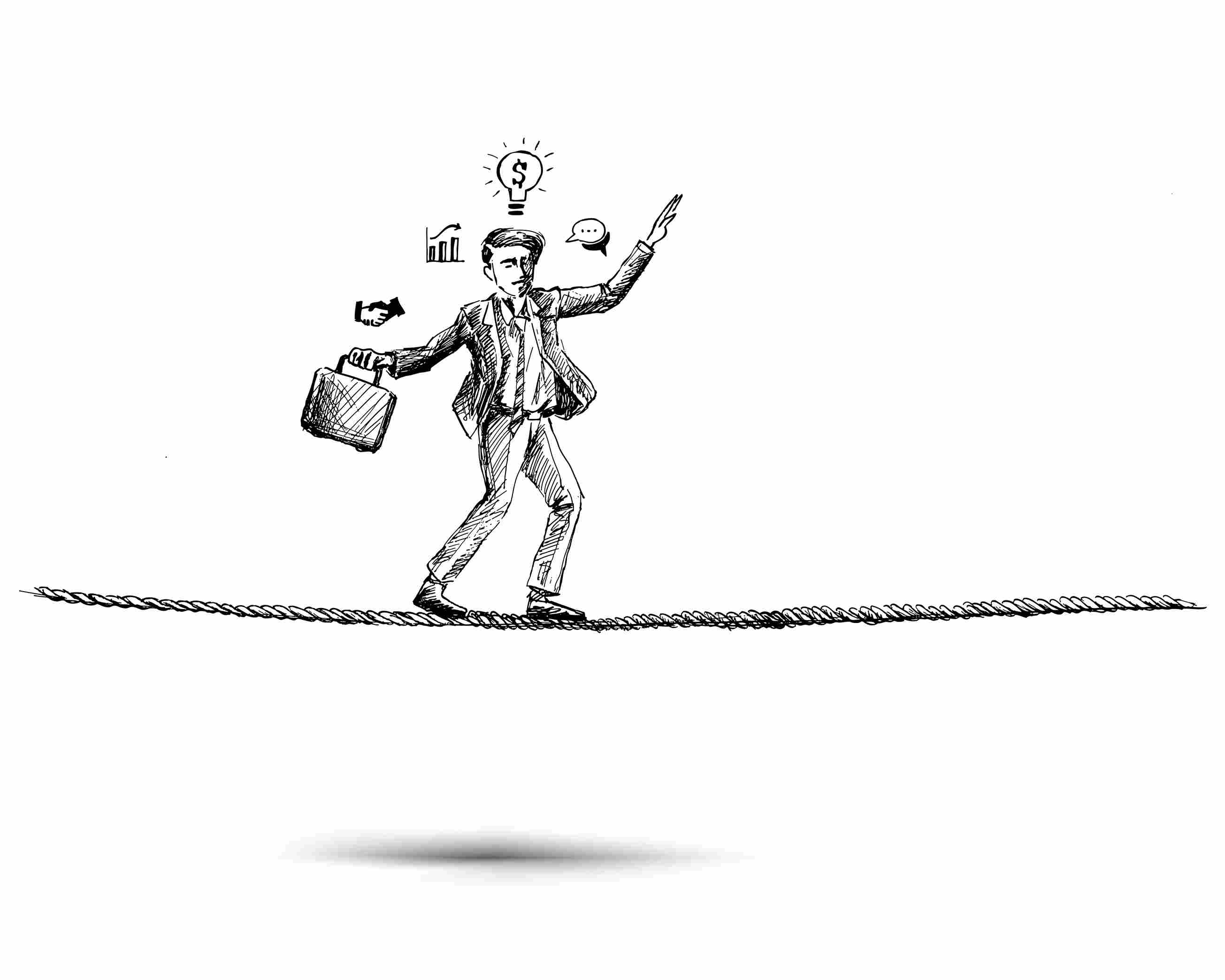
In trading, ambition looks like sticking to your plan, managing risks, and aiming for steady growth. Greed looks like doubling your lot size after one win, throwing away your strategy, and betting everything on one trade because you want quick riches. One builds your account slowly, the other destroys it quickly.
Greed’s Best Friend: Overtrading
Ever found yourself jumping into trades nonstop just because you want more profits? That’s overtrading—the nasty side effect of unchecked greed. It makes you forget that trading is about quality, not quantity. One or two well-planned trades can make your week, but greed pushes you to take ten sloppy ones.
Overtrading is like eating at a buffet. You know your plate is full, but greed makes you pile on more until you feel sick. Except in trading, the “sickness” is your account balance bleeding red.
How Greed Kills Your Strategy
Strategies exist for a reason—to protect you from your worst instincts. But the moment greed takes over, strategies fly out the window. You stop following your risk management rules. You ignore stop losses because you “know” the market will turn around. You hold trades longer than planned because “profits will keep coming.”
At this point, it’s not the market that’s against you—it’s yourself. Your carefully built plan is useless if greed convinces you to break every rule. It’s like building a house and then tearing it down with your own hands.
The Psychological Trap of Greed
Here’s the kicker—greed isn’t just about money. It’s psychological. It taps into your ego. When you win, you feel unstoppable. When you lose, greed convinces you to chase the loss with another reckless trade. It’s the classic gambler’s trap, and it destroys traders every single day.
The worst part? You often don’t even realize you’re caught until your account is empty. By then, you’re left wondering, “How did I get here?” The answer is simple: greed lured you in, fed your ego, and left you broke.
Why Fear Often Gets Blamed on Greed

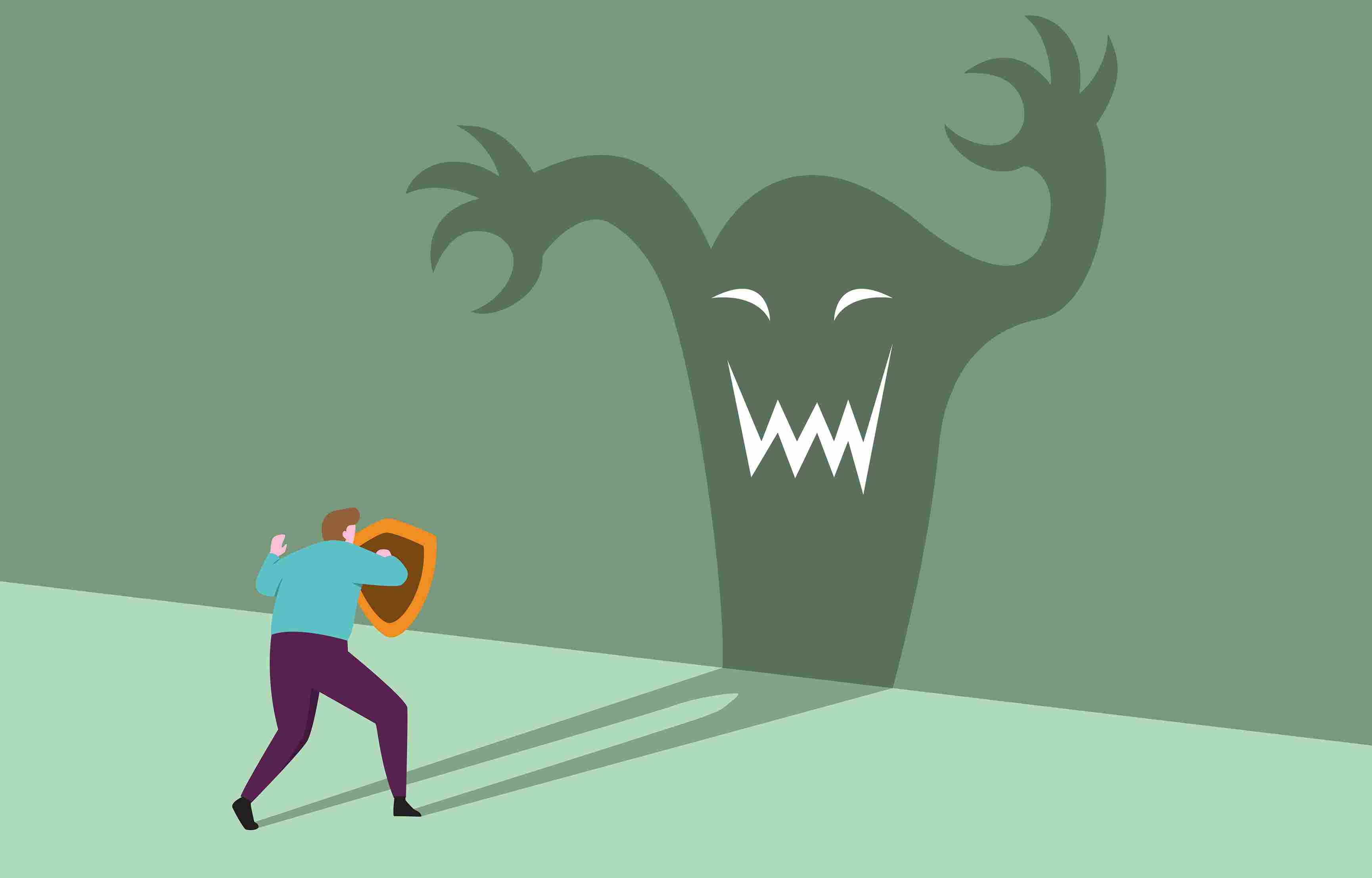
Let’s clear up one big misconception. Traders often say, “I got greedy, so I didn’t close the trade.” In reality, it’s fear. Fear that the trade will keep moving in your favor after you exit. Fear that you’ll miss out on more profits. That’s not greed, that’s insecurity.
Understanding this difference is critical. Greed makes you want more. Fear makes you afraid of losing what could have been. Both can wreck your account, but knowing which one controls you is the first step to breaking free.
When Greed Masquerades as Confidence
Confidence is good; it makes you trust your decisions. But greed often dresses up as confidence. After a winning streak, you feel invincible. You increase your lot sizes, take bigger risks, and convince yourself you’re just “confident.” But in truth, it’s greed wearing a mask.
Real confidence sticks to the plan. Fake confidence—aka greed—throws caution to the wind. And the market? It loves to humble overconfident traders.
How to Spot Greed Creeping In
Greed doesn’t scream; it whispers. It shows up in small ways. You ignore your first target because you want a bit more. You skip setting a stop loss because “this trade can’t go wrong.” You chase trades you shouldn’t be in because you don’t want to miss out.
If you find yourself doing any of these, greed has already taken control. The earlier you spot it, the better chance you have of fighting back before it wipes you out.
Practical Ways to Control Greed
You can’t eliminate greed, but you can control it. Start with strict rules—set profit targets and stop losses before you enter a trade and stick to them. Use smaller lot sizes so emotions don’t take over. And most importantly, learn to be satisfied with steady, realistic gains.
Think of it like dieting. You can’t cut out cravings completely, but you can set boundaries so you don’t binge and regret it later. Trading works the same way.
The Brutal Consequences of Ignoring Greed


Ignore greed long enough, and it will teach you painful lessons. Blown accounts, sleepless nights, endless frustration—this is where unchecked greed leads. Many traders don’t quit because they lack skill; they quit because greed destroyed them mentally and financially.
If you keep telling yourself, “Just one more trade,” or “I’ll stop after I hit this target,” you’re already in dangerous territory. Greed doesn’t stop until it takes everything.
Conclusion: Greed Isn’t the Enemy, You Are
So, is greed always a bad thing in trading? Not necessarily. A little bit of it pushes you to aim higher, work harder, and stay motivated. But unchecked, it becomes poison. The real danger isn’t greed itself—it’s your inability to control it. At the end of the day, markets don’t destroy traders. Traders destroy themselves by letting emotions take the wheel.
If you want to survive in this brutal game, learn to recognize greed, control it, and never let it make the decisions for you. Because the harsh truth is this: in trading, the moment you let greed lead, you’ve already lost.
FAQs
1. Is greed always bad in trading?
Not always. A small dose can motivate you, but unchecked greed ruins accounts fast.
2. How do I know if I’m being greedy or fearful?
If you’re chasing more profits after hitting your target, it’s greed. If you’re afraid of missing out, it’s fear.
3. Can greed ever help me become successful in trading?
Only if it’s controlled. Greed can push you to improve, but without discipline, it backfires.
4. Why do I overtrade even when I know it’s wrong?
Because greed tricks you into thinking more trades mean more profits, when in reality, it’s just more risk.
5. What’s the best way to fight greed in trading?
Stick to your plan, set strict rules, and accept that steady growth beats risky riches every time.