

Forex trading often gets painted as this magical gateway to financial freedom. Everywhere you look, people boast about working from the beach, earning money while they sleep, and never answering to a boss again. Sounds like a dream, right? Well, the reality is much harsher. Sure, forex trading has its benefits, but those so-called “advantages” come with heavy strings attached.
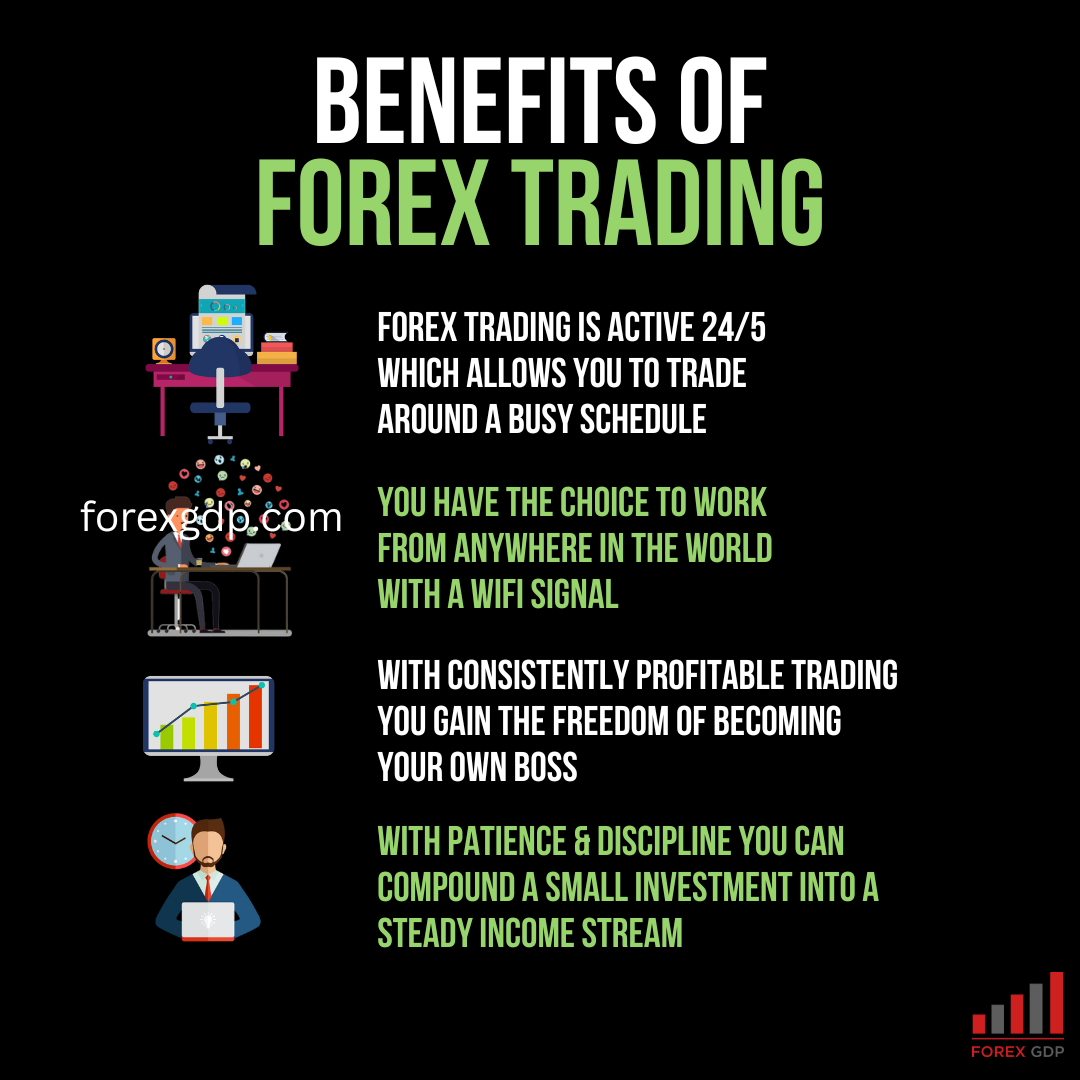
In this article, I’m going to walk you through the supposed benefits of forex trading and why they might not be as glamorous as they seem. Buckle up, because while I’ll explain the perks, I’ll also pull back the curtain on the hidden struggles that most traders don’t want to talk about.
Forex Trading Runs 24/5 – But That Doesn’t Mean It’s Convenient
The idea that the forex market is open 24 hours a day, five days a week, is one of its biggest selling points. At first glance, it sounds perfect. You can trade before work, after work, or even in the middle of the night. No other financial market gives you that kind of flexibility.
But let’s be honest. Just because the market is always open doesn’t mean you should always be trading. The truth is, only certain hours are actually worth your time. Outside of those peak times, price movements are sluggish, spreads widen, and opportunities vanish. Staying up late just to catch a move can leave you sleep-deprived and cranky, not some rich genius who cracked the code.
Work from Anywhere – But at What Cost?
Forex trading promises the luxury of working from anywhere in the world. All you supposedly need is a laptop and Wi-Fi, and you’re set. You could be in a café in Paris or lying on a hammock in Bali while making money with a few clicks. That’s the fantasy.
In reality, your “anywhere” often becomes a lonely desk with multiple screens, coffee stains on your keyboard, and a Wi-Fi router you pray won’t cut out mid-trade. Trading on the go isn’t as fun as the ads make it look. Try executing a high-risk trade from a noisy airport lounge or while your hotel’s internet keeps disconnecting. Instead of feeling free, you end up chained to your laptop, stressed, and constantly checking your charts.
Be Your Own Boss – Sounds Great Until You Realize the Pressure
Who doesn’t want to be their own boss? The thought of not answering to anyone else and making your own rules sounds liberating. In forex, once you’re profitable, you get exactly that. No manager breathing down your neck. No fixed hours. Pure independence.
But here’s the kicker: being your own boss also means being your own employee, accountant, risk manager, and mental health coach. Every decision, every mistake, every blown trade is on you. When things go south, there’s no one to blame, no one to pick up the slack, and no one to hand you a paycheck at the end of the month. The weight of responsibility crushes many traders faster than they expect.
Small Investments Can Grow – If You Don’t Blow Up First
Forex is known for allowing people to start small. With just a few hundred bucks, you can jump into the market. Leverage amplifies your buying power, and in theory, you can compound a small account into something huge.

But here’s the painful truth: most traders blow up small accounts long before they see growth. Leverage cuts both ways—it can multiply your profits, but it also magnifies your losses. That $200 account? It can disappear in minutes if you’re careless. It’s like trying to grow a plant in the desert—you water it, nurture it, and then one scorching mistake dries it all up.
The Illusion of Flexibility
Forex trading is marketed as the ultimate side hustle. You can supposedly squeeze it in during lunch breaks, after work, or before bed. The flexibility sounds perfect for anyone with a busy schedule.
But the truth? Trading demands focus. It’s not something you casually do while juggling a job, kids, and a dozen other responsibilities. If you’re constantly distracted, you’ll miss entries, exit too late, or panic when the market spikes. Instead of fitting trading around your life, you’ll end up bending your entire life around trading. Flexibility becomes obsession.
The Lure of High Returns
One of the biggest hooks of forex is the potential for high returns. You see people turning small accounts into thousands, and suddenly you’re hooked. The idea of making more in a day than your job pays in a week is intoxicating.
But let’s face it—these stories are rare exceptions, not the rule. For every trader who pulls off a big win, hundreds blow their accounts. The forex market doesn’t hand out riches; it takes them from the impatient, greedy, and reckless. Chasing high returns is like chasing a mirage—you run faster, get thirstier, and end up collapsing in the sand.
The Myth of Financial Freedom
Forex trading is often sold as the golden ticket to financial freedom. No more 9-to-5 grind, no more bosses, no more bills you can’t pay. Just endless cash flow.
But financial freedom through forex requires years of discipline, consistency, and psychological control. Most traders quit long before they get close. And even those who make it often live under constant stress, worrying about the next losing streak. Instead of freedom, many end up shackled by anxiety, glued to their charts like prisoners of the market.
Accessibility Isn’t Always an Advantage
Getting started in forex is easy. Brokers will let you open an account with just a few bucks. Platforms are free to download. Tutorials are everywhere. The barrier to entry is almost nonexistent.

And that’s the problem. Because it’s so easy to start, everyone dives in unprepared. Accessibility becomes a trap, luring in beginners who have no idea what they’re doing. They treat it like a game, lose money, and walk away bitter. Just because something is easy to access doesn’t mean it’s easy to succeed at.
The Constant Stress of Risk
Forex trading isn’t like holding a stable job. Your income isn’t guaranteed. Every day, you’re rolling the dice with your money. Even when you trade “safely,” the risk is always there. One bad move, one unexpected news release, and your account can take a massive hit.
Living with that constant pressure isn’t easy. It’s like walking a tightrope blindfolded—you know one wrong step can send you tumbling. Over time, the stress eats away at you, leaving you drained and second-guessing everything.
The Psychological Rollercoaster
They don’t tell you this in the beginning, but forex trading is a mental battle. Your biggest enemy isn’t the market—it’s yourself. Greed, fear, impatience, and overconfidence all come crashing in.
The emotional ups and downs of trading are brutal. A winning streak makes you feel unstoppable, like a genius who finally cracked the code. Then one big loss wipes out days of profits, and suddenly you feel like a complete failure. The swings are exhausting, and many traders burn out before they ever see success.
The Time Trap
While forex offers flexibility, it also has a way of eating up your time. You think you’ll just trade for an hour, but suddenly you’re glued to your screen all day. Charts, news feeds, and endless analysis suck you in.
Before long, your “part-time hustle” becomes a full-time obsession. You miss meals, lose sleep, and your social life starts to crumble. Instead of gaining time freedom, you lose track of it altogether. Forex trading doesn’t just consume your money—it can consume your life.
Discipline: The Ultimate Dealbreaker
Every article about forex talks about patience and discipline. Sounds easy enough, right? Just stick to your plan, don’t overtrade, and control your emotions. Simple.

But let’s be real—discipline is the hardest part of trading. When the market spikes, you want to jump in. When you’re down, you want to revenge trade. Sticking to a strategy feels like trying to diet in a room full of chocolate cake. Discipline is what separates winners from losers, but maintaining it day after day feels like a never-ending battle.
Conclusion
Forex trading is full of shiny promises—flexibility, freedom, high returns, and the chance to be your own boss. But behind those promises lies a darker reality of stress, losses, sleepless nights, and endless pressure. Yes, there are benefits, but they’re not handed to you on a silver platter. They’re earned through years of discipline, trial and error, and an iron will to keep going when everything in you wants to quit.
So, the next time someone tells you forex trading is the ultimate way to get rich quick, think twice. The benefits are real, but so are the brutal challenges. If you’re not ready for the grind, the so-called “advantages” will eat you alive.
FAQs
Q1: Is forex trading really worth it?
It can be, but only if you’re willing to face the risks and put in years of consistent effort. Most quit before they succeed.
Q2: Can I make a living from forex trading?
Yes, but it’s rare. You need skill, patience, and discipline, and even then, income isn’t guaranteed every month.
Q3: Why do most forex traders fail?
They fail because of greed, lack of discipline, poor risk management, and unrealistic expectations.
Q4: Is forex trading better than a regular job?
Not always. A job offers stability, while forex offers uncertainty and stress with the possibility of higher rewards.
Q5: How much money do I need to start trading forex seriously?
At least a few thousand dollars if you want realistic growth. Starting with tiny accounts often leads to frustration and blown accounts.