

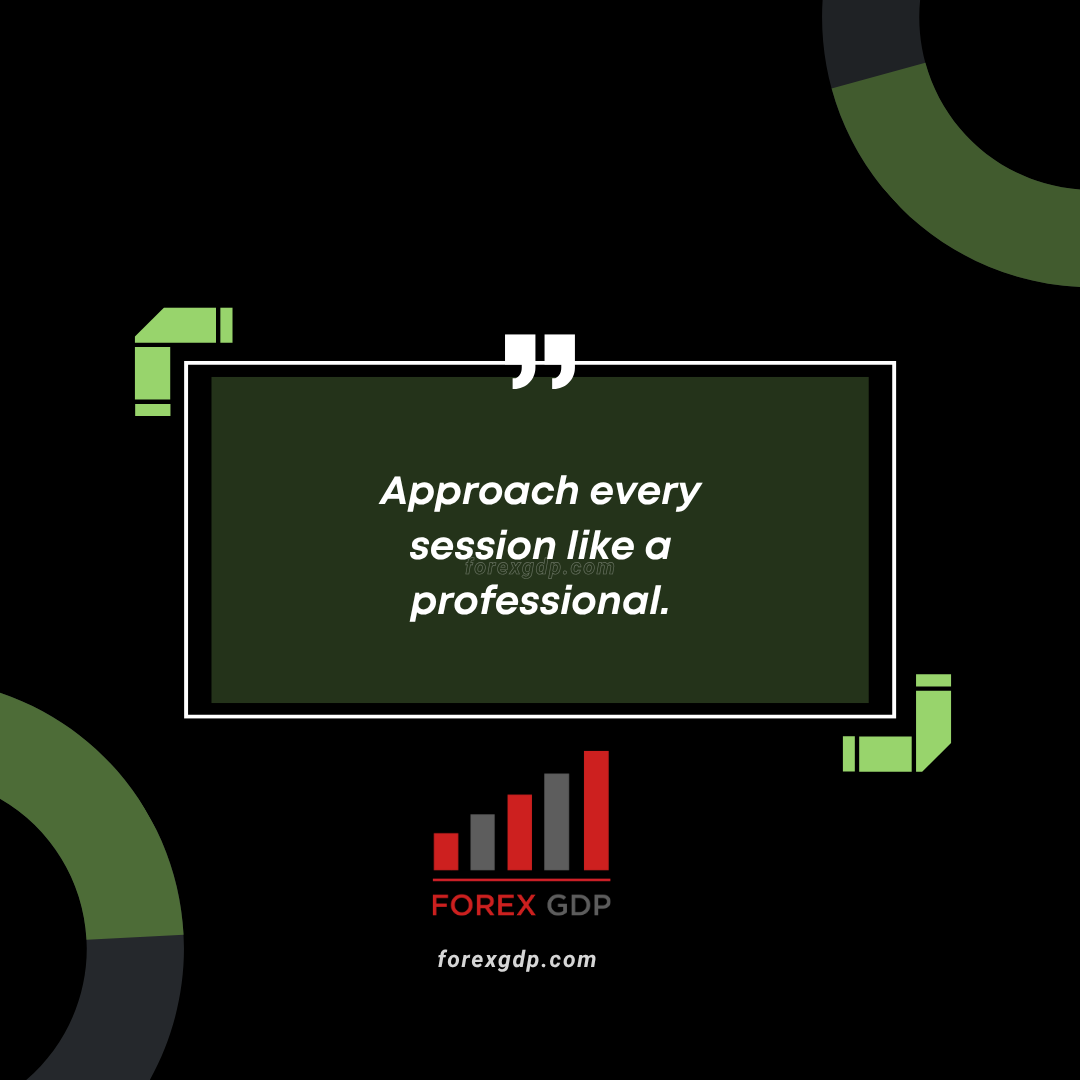
Let’s not sugarcoat it—most traders fail. Not because forex is impossible, but because they treat it like a game instead of a profession. That quote, “Approach every session like a professional,” isn’t motivational fluff—it’s a wake-up call. If you’re still trading based on impulse, hope, or random signals, you’re setting yourself up for failure.
Why Most Traders Struggle to Succeed
The idea of quick money pulls people into forex. But once reality hits, most accounts don’t last long.
- No clear strategy
- Poor risk control
- Emotional decisions
It’s like jumping into deep water without knowing how to swim. You might survive briefly, but not for long.
What It Really Means to Trade Like a Professional
Being a professional trader isn’t about making huge profits daily. It’s about consistency and discipline.
A professional:
- Follows a defined system
- Manages risk strictly
- Avoids emotional trading
Think of it like running a business—you don’t guess your way to profit, you plan it.
The Amateur Mindset You Need to Drop
Let’s be honest—most beginners think they’ll get rich quickly. That mindset is toxic.
- “I’ll double my account this week”
- “This trade looks good enough”
- “I’ll recover losses fast”
This isn’t confidence. It’s desperation. And desperation leads to bad decisions.
Discipline Beats Motivation Every Time
Motivation feels great—for a day or two. Then it disappears.
Professionals rely on routines, not feelings. They show up, follow their plan, and execute. No drama, no excitement.
It’s like going to the gym. Results don’t come from one intense session—they come from consistency.
Risk Management: The Rule You Can’t Ignore
If you ignore risk management, you won’t last. Simple as that.

- Risk only 1–2% per trade
- Never over-leverage
- Protect your capital
Trading without risk control is like driving without brakes. Eventually, you crash.
Stop Chasing Trades
Ever jumped into a trade because you felt you were missing out? That’s FOMO—and it’s expensive.
Professionals wait. They don’t chase the market.
Opportunities are endless. But capital isn’t. Protect it.
Why You Need a Solid Trading Plan
Trading without a plan is just gambling.
A good plan includes:
- Entry and exit rules
- Risk per trade
- Daily limits
Without it, every decision becomes emotional—and emotions don’t make money.
Emotional Control: The Real Challenge
The market isn’t your biggest enemy—you are.
- Fear makes you exit too early
- Greed makes you hold too long
- Anger leads to revenge trading
Controlling your emotions is harder than reading charts. But it’s what separates winners from losers.
Consistency Over Big Wins
Everyone dreams of that one big trade. But professionals don’t chase jackpots.
They focus on small, consistent gains over time. It’s slow, but it works.
Think of it like saving money—steady growth beats risky bets.
Overtrading Is Quietly Destroying You
More trades don’t mean more profit.
Overtrading comes from boredom or impatience. You feel like you have to trade, even when there’s no setup.
Professionals wait for quality opportunities. Amateurs trade just to stay busy.
Treat Trading Like a Business
If you’re not tracking your performance, you’re not serious.
- Keep a trading journal
- Review your trades
- Learn from mistakes
Businesses grow through analysis and improvement. Trading is no different.
Accepting Losses Like a Professional
Losses are part of the process. You can’t avoid them.
Professionals:
- Keep losses small
- Move on quickly
- Don’t take it personally
Amateurs do the opposite—and that’s why they struggle.
Patience: The Skill Most Traders Lack
Patience sounds simple, but it’s incredibly hard.
Most traders enter too early or exit too soon. They force trades instead of waiting for the right moment.
Patience isn’t doing nothing—it’s waiting for the right opportunity.
Build a Simple Trading Routine
A routine keeps you focused and disciplined.
- Analyze the market
- Identify setups
- Execute trades
- Review performance
No guessing. No randomness. Just a structured process.
Keep Learning or Fall Behind
Markets change. Strategies stop working. You need to adapt.
Professionals constantly improve. They study, review, and adjust.
If you stop learning, you start losing.

There Are No Shortcuts in Trading
Let’s clear this up—there’s no magic formula.
- No perfect indicator
- No guaranteed system
- No instant success
Success comes from discipline, patience, and experience. Anything else is just marketing.
Trading vs Gambling: Know the Difference
If your trading feels chaotic, it’s probably gambling.
Trading is structured. Gambling is emotional.
Ask yourself: do you have a plan—or are you just hoping for profit?
Building Real Confidence
Confidence doesn’t come from winning every trade. It comes from following your system.
You can lose money and still trade correctly. That’s real confidence—trusting your process.
Why Most Traders Quit Too Soon
Trading is tough. Most people give up early.
They expect quick results and can’t handle losses. But success takes time—often longer than people expect.

If you’re not patient, you won’t last.
Conclusion: Start Acting Like a Professional
Here’s the truth—if you keep treating trading casually, the market will keep taking your money.
Approaching every session like a professional means:
- Following a plan
- Managing risk
- Staying disciplined
- Controlling emotions
It’s not exciting, but it works. So the question is—are you ready to trade seriously, or keep making the same mistakes?
FAQs
1. What is professional trading in forex?
It means trading with a clear strategy, proper risk management, and a disciplined mindset, just like running a business.
2. How much risk should I take per trade?
Ideally, only 1–2% of your total capital to protect your account from big losses.
3. Why do traders fail in forex?
Mostly due to emotional decisions, lack of planning, and poor risk management.
4. Is forex trading suitable for beginners?
Yes, but only if they are willing to learn, practice, and stay disciplined.
5. How long does it take to become profitable?
It varies, but consistent profitability usually takes months or even years of learning and practice.