

Trading is full of myths. One of the most common ones floating around is the idea that you must be a master at chart reading to succeed. Many beginners fall into this trap, believing that unless they can decode every candlestick pattern or advanced indicator, they’re doomed to fail. But is this really true? Not quite.

The truth is, while chart reading matters, you don’t need to become a technical wizard to make money in the markets. What you actually need is a solid grasp of the basics, discipline in execution, and a strategy that matches your style. Let’s dig into this myth and uncover the reality behind it.
1. The Birth of the Chart Reading Obsession
The trading world glorifies technical analysts—those who can stare at charts all day and supposedly predict the market’s next move. Social media amplifies this image with endless screenshots of complex setups and multi-indicator strategies. Naturally, new traders assume that advanced chart skills are the golden ticket to profits.
But here’s the catch: markets aren’t perfectly predictable. Even the sharpest chart readers lose trades. So why chase perfection when it doesn’t exist?
2. Myth vs. Reality
-
Myth: Advanced chart-reading skills are absolutely essential.
-
Reality: Many traders succeed using only basic charting techniques, simple price action, and a couple of well-understood indicators. The key isn’t advanced skill—it’s clarity and consistency.
Think of it like driving a car. Do you need to understand every detail about how the engine works to get from point A to B? No. You just need to know how to steer, brake, and accelerate responsibly. Trading is no different.
3. Why Overcomplicating Charts Hurts More Than Helps
Ironically, the more advanced your chart setup is, the more confusing it becomes. Many traders overload their screens with:
-
RSI, MACD, Stochastics (all at once)
-
10 different moving averages
-
Trend lines that look like spaghetti
What’s the result? Paralysis by analysis. You hesitate, second-guess yourself, and miss opportunities. Simplicity often beats complexity in trading.
4. The Power of Core Concepts
Instead of wasting months mastering obscure patterns, focus on these core building blocks:
-
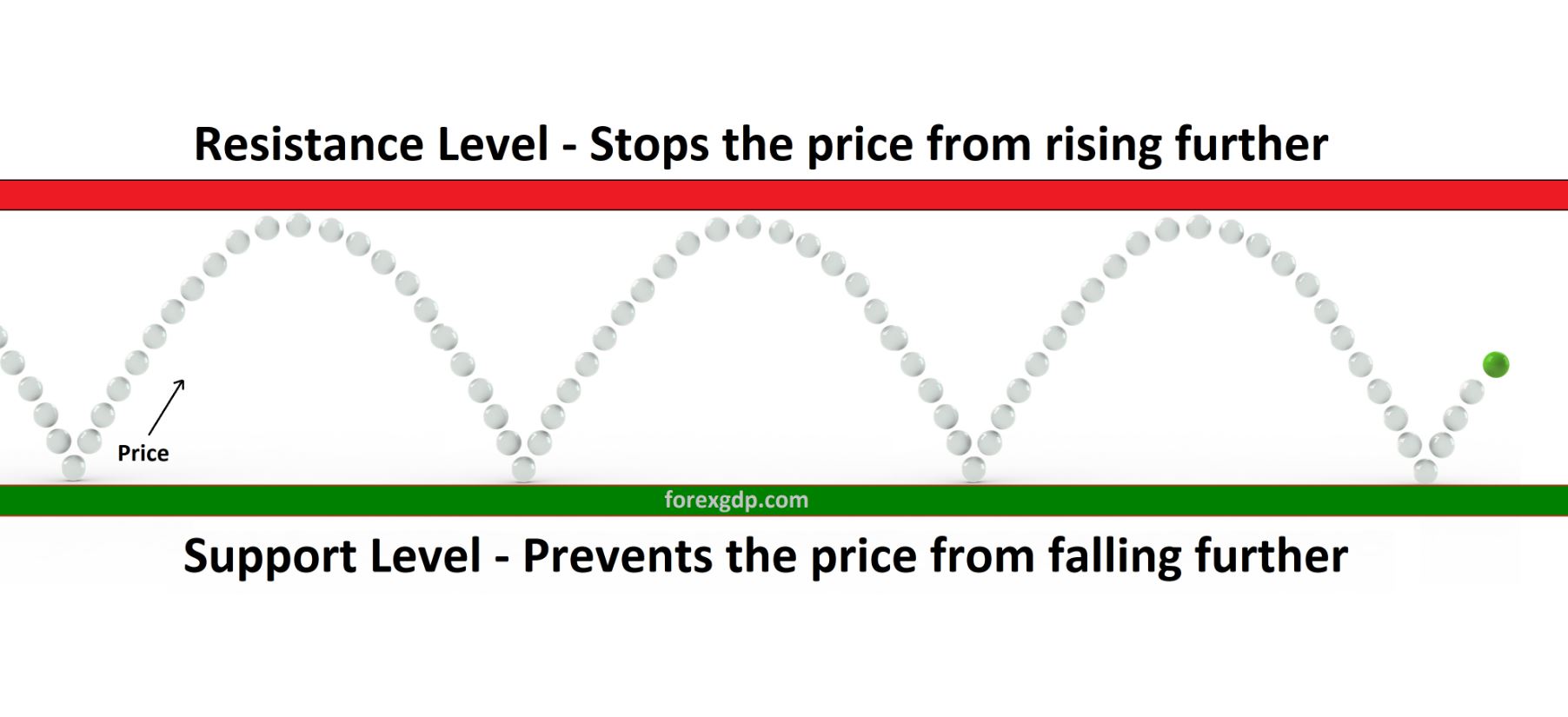
Support and Resistance: The foundation of price action.
-
Trend Identification: Is the market moving up, down, or sideways?
-
Candlestick Basics: Do you know what a bullish engulfing pattern means?
-
Risk Management: The most important skill of all.
These basics carry far more weight than memorizing 50 chart patterns.
5. Practical Application Beats Theoretical Mastery
Knowing theory doesn’t guarantee profits. Execution does. A trader who understands only support/resistance but applies it consistently will outperform someone who knows everything but hesitates to act.
It’s like owning a toolbox. Having 50 tools you don’t know how to use is useless compared to mastering 5 tools that solve 90% of your problems.
6. Stories of Traders Who Keep It Simple
Plenty of successful traders openly admit they rely on simple strategies:
-
Some trade using only moving averages.
-
Others just use price action and support zones.
-
Many long-term investors barely use charts at all—they rely on fundamentals.
This proves you don’t need to be a chart-reading genius to succeed.
7. Where Advanced Chart Reading Does Help
Let’s not dismiss advanced skills entirely. If you aspire to be a professional day trader or technical analyst, then yes, learning advanced charting techniques can give you an edge. It’s like learning advanced driving maneuvers—you may not need them daily, but in tough situations, they can save you.
However, for most retail traders, going beyond the basics often leads to wasted time and frustration.
8. Indicators vs. Price Action – Which Matters More?

Indicators are helpful, but they’re derived from price action. That means the raw price tells you the story before indicators confirm it. If you can read price action, you don’t always need a dozen indicators cluttering your chart.
Example: A moving average simply smooths out price movement. If you already understand the trend, do you really need it? Sometimes less is more.
9. The Psychology Behind the Myth
Why do so many traders believe this myth?
Because humans love control. We think that if we learn enough patterns, we’ll finally unlock the “secret formula.” But the market isn’t a math problem to be solved—it’s a battlefield of psychology, supply, and demand.
Overthinking charts often masks the real problem: lack of discipline and emotional control.
10. What Really Determines Success in Trading
Let’s cut the noise. Success in trading usually comes down to three things:
-
Risk Management: Protecting your capital matters more than finding the perfect entry.
-
Consistency: Following your strategy day after day without emotional decisions.
-
Patience: Waiting for high-probability setups instead of forcing trades.
Notice what’s missing? “Being an advanced chart reader.” That’s because it’s not the deciding factor.
11. How Beginners Should Approach Chart Reading
If you’re new to trading, here’s the best way to approach chart reading:
-
Start with one timeframe (like the 1-hour or daily).
-
Learn basic patterns (double top, head and shoulders, flags).
-
Stick with one or two indicators max.
-
Practice on a demo account until you feel confident.
Don’t try to master everything at once. Crawl before you walk, walk before you run.
12. Breaking Free From the Myth
Believing this myth keeps traders stuck. They spend endless hours chasing “holy grail” strategies instead of focusing on execution. The truth? Trading is a probability game. Even the best setup fails sometimes. What matters is managing losses and letting winners run.

So stop stressing about mastering every advanced chart pattern. Focus on what actually works: simplicity, patience, and discipline.
Conclusion
You don’t need to be a chart-reading genius to make money in the markets. Sure, basic skills are necessary, but the idea that advanced expertise is the key to success is a myth. Trading success isn’t about decoding every candlestick—it’s about risk management, consistency, and practical application.
Keep it simple, stay disciplined, and remember: sometimes, less is more. Don’t let the myth of “advanced chart reading” hold you back from becoming a confident trader.
FAQs
1. Do I need to learn all candlestick patterns to succeed?
No. A handful of patterns like engulfing, hammer, and doji are enough for most traders. Focus on context, not memorization.
2. Can I trade without using any indicators?
Yes. Many price action traders rely solely on support/resistance and candlestick formations. Indicators are optional, not mandatory.
3. Is advanced chart reading only useful for professionals?
Mostly, yes. If you’re analyzing markets for institutions or writing technical reports, advanced skills matter. For retail trading, basics usually suffice.
4. What should beginners focus on first?
Learn support/resistance, trend identification, and risk management. These are the pillars of trading success.
5. Why do so many traders believe in this myth?
Because it feels logical that more knowledge equals more success. In reality, execution and discipline matter far more than chart-reading complexity.